Easy Valentines Day Cake Pop with Pink Frosting
- Time: Active 20 minutes, Passive 60 minutes, Total 1 hours 20 mins
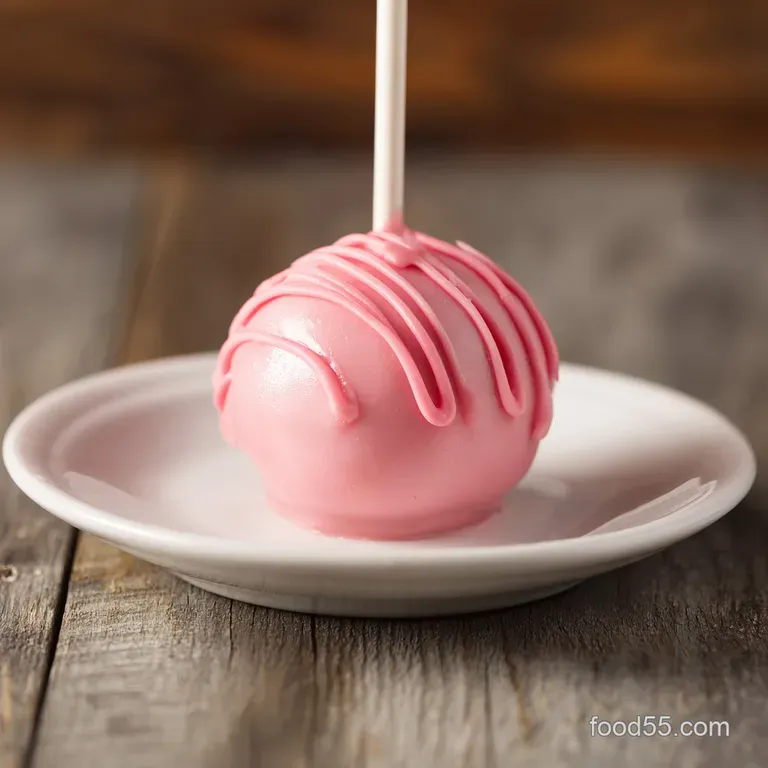
- Flavor/Texture Hook: Velvety crumb centers encased in a crisp, pink strawberry scented shell.
- Perfect for: School parties, classroom treat exchanges, and beginner bakers wanting a high impact dessert.
- Easy Valentines Day Cake Pop with Pink Frosting for School Parties
- How Sugar and Fat Bind Crumbs
- Component Roles for Consistent Results
- Essential Ingredients and Clever Alternatives
- Assembling Your Festive Pink Treats
- Troubleshooting Your Festive Treats
- Adjusting Recipes for Larger Parties
- Common Dessert Baking Myths Debunked
- Smart Storage and Zero Waste
- Recipe FAQs
- 📝 Recipe Card
Easy Valentines Day Cake Pop with Pink Frosting for School Parties
I still remember the first time I volunteered to bring treats for my daughter's kindergarten party. I thought I'd be the "fancy mom" and make complex macarons, but three hours in, I had a kitchen covered in almond flour and nothing to show for it.
That's when I switched to these cake pops, and honestly, I've never looked back because they are the ultimate crowd pleaser that actually survives a bumpy car ride to school.
This recipe shows you how to make an easy Valentines Day Cake Pop with Pink Frosting that's perfect for school parties. We’ve all seen those sad, cracked cake pops at the store, but these are different because they’re made with love and a few tricks I’ve picked up along the way.
You’ll get that satisfying "shatter" of the pink coating followed by a center so moist it almost feels like fudge.
We’re keeping things simple with a base that starts from a box but ends up tasting like a boutique bakery. The aroma of warm vanilla and sweet almond extract will fill your kitchen as the cake bakes, making everyone wander in to see what's happening.
Trust me, once you master the "frosting to crumb" ratio, you'll be the hero of every school event from here on out.
How Sugar and Fat Bind Crumbs
The Structural Adhesive: The frosting acts as a lipid rich binder that coats the individual cake crumbs, creating a cohesive "dough" through capillary action. This prevents the cake pop from falling off the stick by forming a stable, dense emulsion that can support its own weight.
Chef Tip: Grate your cooled cake using a cheese grater instead of crumbling with your hands. It creates a much more uniform crumb which leads to a silky, professional texture inside the pop.
| Method | Prep Time | Texture Result | Best Use Case |
|---|---|---|---|
| Fast Mix | 20 minutes | Dense and fudgy | Busy school mornings |
| Classic Scratch | 50 minutes | Light and airy | Weekend luxury baking |
| No Bake Hack | 10 minutes | Very heavy/rich | Emergency last minute treats |
Using a mix saves time, but adding a splash of almond extract bridges the gap between "boxed" and "homemade." If you find yourself wanting to experiment more with base textures, you can always try using a Homemade Cake Flour recipe for your next batch to get an even finer crumb.
Component Roles for Consistent Results
| Ingredient | Science Role | Pro Secret |
|---|---|---|
| Vegetable Shortening | Viscosity Reducer | Thins the candy melts without making them seize like water would. |
| Almond Extract | Flavor Enhancer | Masks the "artificial" notes of boxed mixes with a floral, nutty aroma. |
| Pink Candy Melts | Structural Shell | Provides a hard exterior that protects the moist cake from drying out. |
Essential Ingredients and Clever Alternatives
- 15.25 oz (432g) vanilla or strawberry cake mix: The reliable structural foundation.
- Substitute: 15 oz of any gluten-free cake mix for a school safe allergy alternative. Why this? Maintains the specific sugar to flour ratio needed for binding.
- 3 large eggs: Provides the protein structure.
- Substitute: 0.75 cup (180ml) unsweetened applesauce for a lower fat option.
- 0.5 cup (120ml) vegetable oil: Keeps the crumb moist.
- Substitute: 120ml melted butter for a richer, more traditional pound cake flavor.
- 1 cup (240ml) water: Hydrates the dry ingredients.
- Substitute: 240ml whole milk to create a more velvety crumb texture.
- 0.5 tsp almond extract: Adds depth to the vanilla.
- Substitute: 0.5 tsp vanilla bean paste for visible black specks.
- 0.75 cup (175g) pink vanilla frosting: The "glue" that holds it all together.
- Substitute: 175g cream cheese frosting for a tangier, less sweet finish.
- 16 oz (453g) pink candy melts: The vibrant Valentine shell.
- Substitute: 450g white chocolate chips with 2 drops of pink oil based food coloring.
- 2 tsp (10ml) vegetable shortening: Ensures the dip is smooth.
- Substitute: 10ml coconut oil, though it melts faster at room temperature.
- 2 tbsp (30g) heart shaped sprinkles: For that festive classroom flair.
- Substitute: 30g crushed freeze dried strawberries for a natural pop of color.
Assembling Your Festive Pink Treats
- Bake the cake. Follow the package instructions using the 3 eggs, 120ml oil, 240ml water, and almond extract. Bake until a toothpick comes out clean.Note: Don't overbake or the edges will be too crusty for crumbling.
- Cool completely. Remove the cake from the oven and let it sit for at least 30 minutes. Wait until the cake is cool to the touch before attempting to crumble it.
- Crumble the base. Use your hands or a grater to turn the cake into fine, sand like crumbs in a large bowl.
- Add the binder. Mix in the 175g pink frosting one tablespoon at a time. Stir until the mixture feels like wet sand and holds its shape when squeezed.
- Roll the spheres. Scoop about 1 tablespoon of mixture and roll into a tight ball. Roll until the surface is smooth without any cracks.
- Chill the balls. Place the balls on a tray and refrigerate for 20 minutes. Note: This firms up the fat so they don't fall apart during dipping.
- Melt the coating. Heat the 453g candy melts and 10ml shortening in 30 second intervals. Stir until the mixture flows like warm honey.
- Anchor the sticks. Dip the tip of a cake pop stick into the pink melt, then poke it halfway into a chilled cake ball.
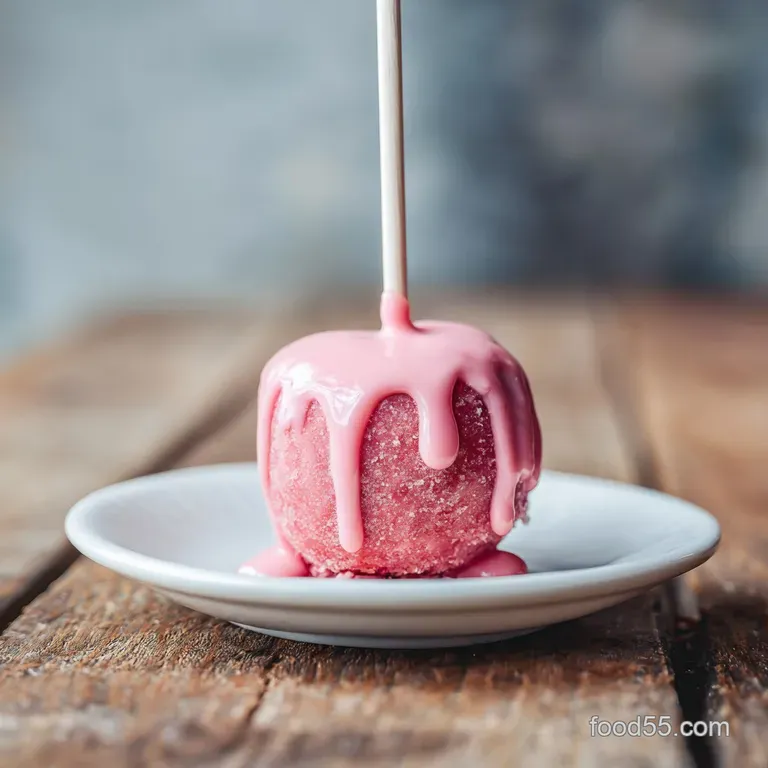
- Dip and swirl. Submerge the ball completely in the pink coating. Lift and gently tap your wrist to let the excess drip off.
- Decorate quickly. Add the heart sprinkles immediately before the coating sets. Set aside until the shell is firm and matte.
If you enjoy the process of turning simple cake into fun shapes, you might also like the assembly style of my Mini Pineapple Upside recipe which uses similar small batch techniques.
Troubleshooting Your Festive Treats
Why Your Cake Pops Fall
If your cake balls are sliding down the stick like a slow motion disaster, it's usually a temperature issue. If the cake balls are too warm, the internal fat is too soft to grip the stick. Conversely, if the balls are frozen, the hot candy coating will crack as the cake expands while thawing.
Avoiding Lumpy Pink Coating
Lumpy frosting is the enemy of a professional look. This usually happens if you get a drop of water in your candy melts (which causes "seizing") or if the melts are old. Always use a little shortening to thin the mixture out; it makes the world of difference for that "glass like" finish.
Preventing Oily Seepage
Sometimes you'll see little yellow beads of oil appearing on the surface of your finished pops. This happens when the frosting and cake weren't fully integrated, or the cake itself was too oily. Blotting the cake balls with a paper towel before dipping can help mitigate this.
| Problem | Root Cause | Solution |
|---|---|---|
| Cracked Shell | Temperature Shock | Let chilled balls sit at room temp for 5 mins before dipping. |
| Cake Falls Off | Too much frosting | Use less frosting; the mixture should be "tacky," not "greasy." |
| Air Bubbles | Stirring too fast | Gently swirl the pops in the coating; don't "dunk" aggressively. |
Common Mistakes Checklist
- ✓ Ensure the cake is 100% cool before crumbling (prevents gummy texture).
- ✓ Use oil based coloring only if you are tinting white chocolate; water based color ruins the melt.
- ✓ Tap your wrist, not the stick, to remove excess coating (prevents the ball from vibrating off).
- ✓ Use a styrofoam block or a cardboard box with holes to let the pops dry upright.
- ✓ Don't overcrowd the dipping bowl - keep the melted candy deep enough to submerge the pop in one go.
Adjusting Recipes for Larger Parties
- To Scale Down (12 pops): Bake the full cake, but only crumble half of it. Freeze the other half of the baked cake for another time. Use exactly half of the frosting and candy melts.
- To Scale Up (48+ pops): When doubling the recipe, do not double the almond extract; use only 1.5x the amount (0.75 tsp) to avoid an overpowering "soapy" taste. Work in batches of 10 for dipping to keep the candy melts from cooling down too much.
- For High Altitudes: Reduce the sugar in the cake mix by 2 tablespoons and increase the water by 2 tablespoons to prevent the cake from being too brittle to roll.
Chef Tip: If you're making these for a huge school event, use a small ice cream scoop. It ensures every single pop is the exact same weight, which makes them look incredibly professional when lined up on a tray.
Common Dessert Baking Myths Debunked
Myth: You need a specialized "cake pop maker" machine. The truth is that those machines produce tiny round muffins, not true cake pops. Real cake pops are made by mixing baked cake with frosting, which creates that signature fudgy, dense texture that a machine simply cannot replicate.
Myth: Adding water to thin out thick candy melts works. This is a recipe for disaster. Even a single drop of water will cause the sugar and fats in the candy melts to clump together into a dry, cement like paste.
Always use vegetable shortening or "EZ Thin" crystals to achieve a fluid dipping consistency.
Smart Storage and Zero Waste
Storage Guidelines:Fridge: Keep finished cake pops in an airtight container for up to 5 days. The sugar in the frosting and the candy shell act as preservatives. Freezer: You can freeze the undipped cake balls for up to 3 months.
Wrap them tightly in plastic wrap and then foil to prevent freezer burn. I don't recommend freezing finished, dipped pops as the shell often cracks during the thawing process.
Zero Waste Tips: Don't throw away those leftover cake crumbs! If you have a handful of crumbs left that aren't enough for a full pop, sprinkle them over vanilla ice cream or mix them into a batch of brownie batter for a "birthday cake" swirl.
If you have leftover melted pink candy, drizzle it over popcorn for a sweet Valentine's Day snack for the kids. Even the "top" of the cake that you might trim off to make crumbling easier can be toasted in the oven to make sweet dessert croutons for fruit salad.
Recipe FAQs
Can I skip chilling the cake balls before dipping them in melted candy?
No, chilling is essential for structural integrity. Warm or room temperature cake balls will immediately absorb the heat from the candy coating, causing the coating to melt, thin out, and slide right off the stick.
How do I prevent the pink candy coating from becoming lumpy or seizing?
Add vegetable shortening, not water, to thin the coating. Water causes candy melts to seize instantly; shortening (or coconut oil) safely reduces viscosity, ensuring a smooth, pourable dip.
How long should I chill the cake balls before dipping them?
Refrigerate for a minimum of 20 minutes. This firms up the fat content in the frosting binder, preventing the balls from crumbling or sliding down the stick during the coating process.
What is the best way to get a perfectly uniform crumb texture inside the pop?
Grate the cooled cake using a standard box grater. This breaks the cake down into fine, consistent particles, which results in a much silkier texture inside the pop than hand crumbling provides.
Is it true that using only a box mix will result in a dry, crumbly pop?
False. While the box mix is dry, the secret is in the binder; using the specified amount of frosting ensures the final mixture has enough fat content to remain fudgy, similar to the rich texture achieved in our Cinnamon Roll Bites recipe.
How do I anchor the stick into the cake ball so it doesn't fall off?
Dip the stick tip into the melted pink coating first. This creates a small anchor of hardened candy between the stick and the cake ball, effectively gluing it in place before full submersion.
What's the secret to making the cake pops taste homemade, even starting from a mix?
Add 0.5 teaspoon of almond extract to the cake batter before baking. This adds a complex, bakery like depth of flavor that masks the standard boxed cake taste; mastering this flavor trick is key to elevating simple recipes.
Easy Valentines Cake Pops
Ingredients:
Instructions:
Nutrition Facts:
| Calories | 253 calories |
|---|---|
| Protein | 1.4 g |
| Fat | 15.2 g |
| Carbs | 28.4 g |
| Fiber | 0.4 g |
| Sugar | 20.8 g |
| Sodium | 188 mg |
