Sun Sea and Snow Festive Cranberry Pineapple Sangria
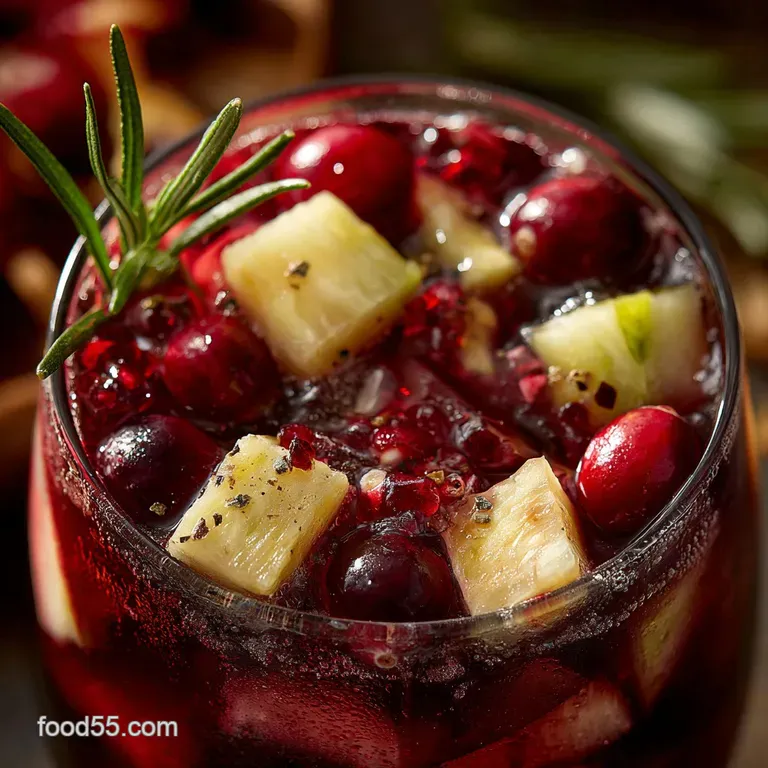
- Capturing the Best of Both Seasons: Our Cranberry Pineapple Sangria Fusion
- Why This Winter-Meets-Tropical Pitcher Will Be Your New Go-To
- The Essential Components for a Perfect Pitcher
- Beyond the Bottle: Choosing Your Fruit and Spirits Wisely
- Simple Steps to Crafting Cranberry Pineapple Sangria
- The Art of Flavor Infusion: Mastering the Maceration Process
- Troubleshooting and Pro Tips from the Sommelier
- Customizing Your Pitcher: Variations and Non-Alcoholic Options
- Shelf Life and Storing Leftover Sangria
- Recipe FAQs
- 📝 Recipe Card
Capturing the Best of Both Seasons: Our Cranberry Pineapple Sangria Fusion
If you are seeking a pitcher drink that effortlessly balances the tart bite of winter berries with the unmistakable sunshine of the tropics, look no further. This Cranberry Pineapple Sangria recipe is a modern marvel, taking the best elements of traditional Spanish punch and transforming them into a vibrant, festive white sangria perfect for any gathering.
While standard sangria often leans heavily on red wine and dark fruits, this iteration uses a dry white wine base, allowing the bright, complementary flavors of cranberry and pineapple to truly shine.
It's an unexpectedly complex and deeply refreshing cranberry pineapple drink that immediately elevates any party menu, whether you’re hosting a summer barbecue or a cozy holiday dinner.
Why This Winter Meets-Tropical Pitcher Will Be Your New Go-To
This punch is a true hero for the host, designed for maximum flavor and minimal effort. It is decidedly one of the most accessible of the Easy Sangria Recipes, requiring nothing more than simple fruit preparation and the patience to allow the flavors to marry in the fridge.
Forget the complicated cocktail shakers; this recipe delivers a premium, sophisticated result right out of a simple, large pitcher.
Introduction Detail 1
The ease of preparation is unmatched. With only about 15 minutes of active prep time which involves nothing more complex than dicing fruit and pouring liquids this Cranberry Pineapple Sangria frees you up to focus on your guests.
When crafting a large format cocktail, speed and scale are crucial. This recipe yields a generous eight servings (approximately 1.8 Litres), making it an ideal choice for a celebratory gathering where you need a reliable, high volume Punch Recipes offering.
Introduction Detail 2
The key to this recipe's enduring popularity is its perfect flavor equilibrium. The tropical sweetness derived from the Pineapple Sangria components specifically the fresh pineapple and corresponding juice is expertly counterbalanced by the acidity of the cranberry juice and the crispness of the dry white wine.
On top of that,, the inclusion of a fortifying spirit like brandy adds a warming depth, ensuring the finished product feels substantial enough to serve as a festive Christmas Sangria or any celebratory Holiday Drink Recipes centerpiece.
This balance is what makes it universally appealing and incredibly dangerous to drink!
The Essential Components for a Perfect Pitcher
Crafting a memorable sangria requires carefully selected, high-quality base ingredients. For this specific cranberry pineapple drink, we rely on three primary liquids and one fortifier, all added cold. You will need one standard 750ml bottle of chilled dry white wine to form the foundation.
Supporting this is one full cup (240ml) of pure, unsweetened cranberry juice and an equal measure of chilled pineapple juice. Crucially, when sourcing your juices, always opt for the 100% juice varieties; the artificial sweeteners and high fructose corn syrup found in "cocktail" blends will entirely muddy the clean, vibrant profile we are aiming for in this Festive Cranberry Punch.
Finally, a half cup (120ml) of Cognac or brandy provides that essential boozy complexity and warmth.
Beyond the Bottle: Choosing Your Fruit and Spirits Wisely
While the liquids are critical, the fruit and fortifiers chosen dictate the final structure and aromatic appeal of the finished pitcher. A truly excellent sangria is defined by the quality of its components and how they interact during the crucial chilling phase.
Selecting the Ideal Dry White Wine Base
To prevent the finished sangria from becoming cloyingly sweet a common flaw in inferior Sangria Recipes it is essential to start with a dry wine. Varietals like Pinot Grigio, Sauvignon Blanc, or an unoaked Chardonnay are perfect candidates.
They offer a clean, high acid profile that stands up well to the rich fruit and juice additions without adding excessive residual sugar. The wine’s subtle floral or mineral notes will only enhance the final balance of the tropical and tart flavors.
The Role of Brandy in Balancing Sweetness
The addition of brandy, or Cognac, is what distinguishes a true sangria from a mere wine spritzer. We use a half cup of this spirit because it provides structure and aromatic depth, lending a sophisticated, slightly warming character.
If brandy is unavailable, dark rum or even Triple Sec (orange liqueur) can be used as a substitute, maintaining the necessary spike and complexity, particularly when using the cranberry pineapple juice recipe base.
Fresh vs. Frozen: Optimizing Your Cranberry and Pineapple Cuts
For the fruit elements, you will need one cup of fresh pineapple, diced into bite sized 1cm chunks, and a half cup of cranberries. While fresh cranberries are excellent, using frozen cranberries is a fantastic pro tip they immediately begin chilling the pitcher while preventing the dilution that standard ice cubes cause.
We also incorporate one medium, thinly sliced Navel orange (peel included) as a traditional citrus element to help draw out the flavors of the liquids during the infusion process.
Essential Tools for Maceration and Mixing
This easy recipe only requires three main pieces of equipment: a reliable cutting board and sharp chef's knife for fruit preparation, a large capacity pitcher or beverage dispenser (with a minimum capacity of 2 Litres), and a long handled spoon or ladle for gentle mixing and serving.
Related Recipes Worth Trying
- Cranberry Pear Sauce Glossy Spiced Miles Better Than the Tin — Ditch the wobbly canned stuff This homemade Cranberry Pear Sauce is jammy chunky and brilliantly spiced with orange zest Perfect alongside roast turkey or ham
- Ultimate NoBake Pineapple Lush Dessert The 20Minute Creamy Tropical Treat — This easy layered NoBake Pineapple Lush Dessert is a kitchen hero Buttery biscuit crust meets cloudlike creamy pineapple dessert filling A refreshing...
- Easy Cranberry Fluff Salad Recipe Light Tangy Side Dish — Forget heavy holiday sides This easy Cranberry Fluff Salad Recipe uses Cool Whip for an ethereal light texture Perfect for Thanksgiving or Christmas
Simple Steps to Crafting Cranberry Pineapple Sangria
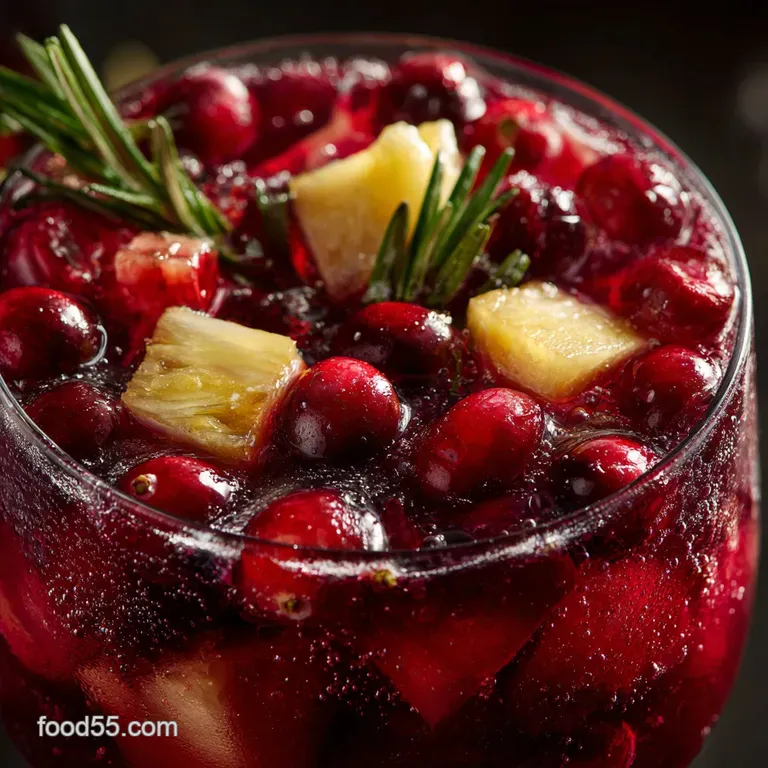
The beauty of making sangria lies in its straightforward assembly. We begin by preparing the fruit base: the pineapple is diced, and the orange is thoroughly washed and sliced thinly, ensuring all the aromatic essential oils in the rind are ready to infuse.
Next, the diced pineapple, orange slices, and fresh or frozen cranberries are added directly to your large pitcher. This combination of solids is immediately followed by the fortifier the brandy which begins to gently soften the fruit and draw out the juices even before the wine is introduced.
Finally, the chilled cranberry and pineapple juices are added, followed by the entire bottle of dry white wine. Give the mixture two or three gentle stirs with the long handled spoon to combine the spirits without overly muddling the fruit.
The Art of Flavor Infusion: Mastering the Maceration Process
The true secret behind any great sangria is patience, specifically during the period of maceration, where the magic of flavor fusion occurs. Skipping this step results in a simple, cold punch rather than a complex, layered Cranberry Pineapple Sangria.
Combining the Fruit and Sugar: The Initial Soak
The moment the brandy hits the sliced and diced fruit, the initial soak begins. The alcohol starts to pull the flavor molecules from the fruit solids, concentrating those essences.
Even though this recipe doesn't rely on added sugar initially, the natural sugars from the pineapple and orange start breaking down under the influence of the spirit.
Introducing the Wine and Spirits
Once the wine and juices are introduced, the chilling process shifts from simple alcoholic extraction to a full scale flavor integration. The cranberry and pineapple juices serve as the primary liquid base, ensuring that the fruit flavor isn't merely suspended in wine, but fully saturated.
This mixture should be covered tightly and immediately refrigerated.
Crucial Chilling: Achieving Optimal Flavor Depth
For the best results, this Cranberry Pineapple Sangria requires a minimum of four hours of chilling. However, if time allows, letting the flavors marry for eight to twelve hours (or even overnight) results in optimal flavor depth and balance.
This extended rest time ensures the wine absorbs the tartness of the cranberries and the brightness of the orange pith, yielding a sophisticated, cohesive beverage.
Garnishing for Impact: Serving Presentation
When it’s time to serve, ladle generous amounts of the liquid and the booze soaked fruit into individual glasses. For an added flourish and a lovely effervescence, offer guests the option to top their glass with a splash of chilled sparkling water, club soda, or ginger ale.
The colorful fruit acts as a natural, beautiful garnish.
Troubleshooting and Pro Tips from the Sommelier
Achieving sangria excellence means adhering to a few key rules that professional bartenders swear by. First off,, never add traditional ice cubes directly into the large pitcher unless you plan to serve and consume the entire batch within 30 minutes.
Dilution is the enemy of fine flavor infusion. Instead, utilize extra frozen cranberries or even frozen pineapple chunks to keep the mixture cold while adding flavor, not water. Next,, while extended chilling is crucial for maceration, there is a strict flavor window: do not chill the sangria for more than 24 hours.
After a full day, the pith from the orange slices can start to release bitter compounds into the wine, resulting in a slightly astringent taste. Always ensure you start with a dry white wine, as detailed earlier, to avoid a syrupy finish that overpowers the delicate fruit notes.
Customizing Your Pitcher: Variations and Non-Alcoholic Options
One of the greatest appeals of Sangria Recipes is the inherent flexibility and opportunity for personalization.
Can I Make This Ahead? Preparing 24 Hours in Advance
Absolutely. Preparing the sangria 8 to 12 hours in advance is highly recommended for maximum flavor development. If preparing 24 hours ahead, be sure to remove the orange slices after 16– 18 hours to preempt any potential bitterness from the pith, then return the pitcher to the fridge until serving.
Controlling the Sweetness: Adjusting Simple Syrup Ratios
This recipe is generally balanced due to the pure, unsweetened juices used. However, if your specific choice of wine is exceptionally dry, or if you simply prefer a sweeter profile, you can adjust the sugar content right before serving.
Have a small amount of simple syrup prepared, and stir in just one or two tablespoons at a time, tasting after each addition, until the desired sweetness is reached.
Making a Sparkling Cranberry Pineapple Mocktail
For a delicious non-alcoholic variation of this cranberry pineapple juice recipe, replace the white wine and brandy with two cups of strongly brewed, chilled black or white tea (like Earl Grey or Jasmine).
Combine the tea with the cranberry and pineapple juices, add the fresh fruit, and sweeten carefully with a little simple syrup. Top with chilled club soda in individual glasses for a beautiful, refreshing mocktail.
Suggested Food Pairings for Sangria
This vibrant, fruity punch pairs beautifully with salty and spicy flavors that contrast its tropical sweetness. Consider serving it alongside simple Spanish tapas like crispy Patatas Bravas or savory prosciutto wrapped melon slices.
For a cheese course, the acidity of the sangria cuts perfectly through rich fats, making it an excellent companion to aged cheddar or soft goat cheese (Chèvre).
Shelf Life and Storing Leftover Sangria
Leftover Cranberry Pineapple Sangria should be stored tightly covered in the refrigerator. While the mixture remains safe to consume for up to three days, the optimal flavor and texture quality rapidly diminishes after the initial 24-hour window due to the degradation of the fruit.
If you anticipate having leftovers, it is best to remove any remaining soaked fruit after 24 hours before returning the liquid to the fridge. Remember, the fruit acts as a sponge for the alcohol, so discarding it means you are only storing the fortified wine base.
Recipe FAQs
How long does the Cranberry Pineapple Sangria need to chill for the flavours to really sing?
Right then, patience is key here, as the chilling stage is crucial for marrying the flavours. You need a bare minimum of four hours for the fruit to properly infuse the wine and brandy. Ideally, let it rest for 8 to 12 hours (overnight works a treat!) to achieve maximum depth of flavour.
However, be mindful not to leave it longer than 24 hours, as the citrus pith can start to release bitterness.
I haven't got brandy, what other spirits can I use to fortify the sangria?
Absolutely. If Cognac or Brandy isn't on hand, there are plenty of worthy substitutes. A dark rum gives the sangria a lovely depth and winter warmth, or you could opt for an orange liqueur like Triple Sec or Cointreau for a vibrant, citrusy lift.
Just stick rigidly to the ½ cup measure to ensure the sweetness and strength stay balanced, making it dangerously drinkable.
Can I make a big batch of this ahead of time, and how long will the leftovers last?
Making this ahead is actually encouraged it’s the entire point of a brilliant sangria! You can easily prepare the full batch 24 hours in advance and store it, covered, in the fridge for the best results.
Leftovers, if tightly covered, are generally fine for up to three days, though the fruit will become rather soft and waterlogged after the first day, so aim to finish it quickly if you can!
How do I stop my lovely Cranberry Pineapple Sangria from getting watery and weak while serving a crowd?
This is a proper chef’s secret to avoiding a watery punch! Instead of using regular ice cubes, freeze extra cranberries and chunks of pineapple or orange slices, and use them as your ice base. They keep the drink perfectly chilled without diluting the flavour as they melt.
It looks fantastic in the pitcher too Bob's your uncle, and no watery mess!
What kind of wine works best, and can I use a sweet wine instead of dry?
A dry white wine is the top choice here; think Pinot Grigio or Sauvignon Blanc. It’s crucial because the recipe already gets plenty of sweetness from the pineapple juice and the spirits. If you start with a sweet wine, the resulting sangria will be cloyingly syrupy, which is a bit of a faff to drink.
Stick to dry for the best balance of tartness and flavour.
Festive Cranberry Pineapple Sangria
Ingredients:
Instructions:
Nutrition Facts:
| Calories | 170 kcal |
|---|---|
| Protein | 1.4 g |
| Fat | 4.0 g |
| Carbs | 25.2 g |
| Fiber | 0.5 g |
| Sodium | 97 mg |
