From Scratch Soy Sauce a Home Brewers Journey
- Recipe Introduction
- Ingredients and Equipment
- Diving In: How To Make Soy Sauce from Scratch
- Prep Steps: Essential Mise en Place for Homemade Soy Sauce
- Step-by-Step Process: From Grain to Greatness with this Soy Sauce Recipe
- Pro Tips: Level Up Your Homemade Tamari Recipe
- Recipe Notes: Tweak It 'Til You Make It!
- Frequently Asked Questions
- 📝 Recipe Card
Recipe Introduction
Quick Hook
Ever wondered how to make soy sauce from scratch? Honestly, me too! This recipe might sound bonkers, but trust me, that umami rich soy sauce recipe you create will blow your mind.
It's deep, complex, and totally worth the effort.
Brief Overview
Soy sauce, originating in East Asia, is a cornerstone of many cuisines. This DIY soy sauce recipe is a simplified version of traditional methods.
It's a tough one, lads, taking months! Yields vary, but expect around 1-2 litres.
Main Benefits
The fermentation process unlocks incredible flavor, adding probiotic benefits. This homemade soy sauce is perfect for special occasions. What makes it so special is the satisfaction of creating something so delicious from scratch.
Let's Talk Ingredients, Shall We?
Okay, so for this koji soy sauce recipe , you'll need rice and soybeans, obvs. Don't skimp on quality here; posh ingredients make posh sauce.
We will use Aspergillus oryzae spores (koji starter), 350g of sea salt.
To make homemade tamari recipe you will need; 1 kg of short grain rice, 1.2L of water, 500g of soy beans, 2L of water.
Plus some optional Lacto bacteria culture for a richer flavor.
Equipment You Will Need
Think of this as your toolkit for brewing success! You'll need a steamer, a large stockpot, and most importantly, a fermentation container.
A thermometer is essential for keeping the rice and soybeans happy.
You'll also require cheesecloth or pressing bag. Plus heavy weight for pressing. And bottles for storing traditional soy sauce brewing .
The Process: A Bird's-Eye View
First, we cook the rice, then inoculate it with koji spores. Next, the soybeans get cooked. It is important to combine them. Then patience.
This soy sauce fermentation process takes time, but think of it like waiting for your favourite brew to steep. The homemade soy sauce recipe isn't hard, it is all in the waiting!
Why Bother?
Why not just pop to Tesco? Well, how to make soy sauce at home gives you total control. The flavor is so much richer! You will be able to proudly say "I made that!"
Enjoy, and remember sanitation and monitoring temperatures are essential!
Ingredients and Equipment
Alright, let's talk about what you'll need to how to make soy sauce ! Honestly, it's more than just soybeans and salt.
There's a bit of science involved. But don't worry, we'll break it down. I’ve been there, staring blankly at a recipe, thinking "where do I even start ?"
Main Ingredients: Quality Counts!
Here's the lowdown. If you wanna learn about the secrets of homemade soy sauce , follow along.
Koji Rice:
- Short Grain Rice: 1 kg (2.2 lbs)
- Water: 1.2 L (5 cups)
- Aspergillus oryzae spores: Follow package instructions
The rice must be short grain; sushi rice works a treat. The spores are key. They kickstart the whole soy sauce fermentation process . Get good quality ones!
Moromi Mash:
- Soybeans: 500g (1.1 lbs)
- Water: 2 L (8.5 cups)
- Sea Salt: 350g (12 oz)
- Optional: Lacto bacteria culture – follow package instructions
Dried, whole soybeans are best. Sea salt, not table salt, okay? The optional lacto bacteria? Adds a lovely depth of flavour, a umami rich soy sauce recipe !
Seasoning Notes: It's Not Just Salty!
Essential spice combinations are... none, really! The magic happens during fermentation. That being said, the quality of your ingredients is your seasoning.
For flavor enhancers and aromatics you can use lacto bacteria, adding depth, if you want to get fancy. Want gluten-free? Try this out: Use a gluten-free koji starter for a homemade tamari recipe .
Equipment Needed: The Bare Essentials
You don't need a fancy lab to learn how to make soy sauce yourself, but here's what I'd call the basics.
- Large Steamer
- Large Stockpot
- Fermentation Container
- Thermometer
- Spray Bottle with Sanitizer
- Cheesecloth or Pressing Bag
Got a big pot for steaming the rice and soybeans? Fab. The steamer helps cook the rice perfectly. You will need a Traditional Soy Sauce Brewing vessel.
I use a plastic food safe container or even a ceramic pot to ferment it. Make sure that you got your thermometer so you can measure the temperature.
Sanitation is everything, clean your tools before you start.
If you are trying to save money, a colander over a pot works okay for steaming. You can even use a clean bucket for fermentation.
It won't be an artisan product, but you will be trying your hand at Diy Soy Sauce . The satisfaction of learning how to make soy sauce is a good thing.
Honestly, Homemade Soy Sauce is amazing, that's why I made my own Soy Sauce Recipe .
Diving In: How To Make Soy Sauce from Scratch
Right then, let's have a crack at learning how to make soy sauce , shall we? Honestly, it’s a bit of a project.
It's a labour of love, but the satisfaction of saying "I made that!" is top notch. We're going for a traditionally brewed style, simplified for the home kitchen.
I've checked out a good overview from YouTube to get us started. Onward!
Prep Steps: Essential Mise en Place for Homemade Soy Sauce
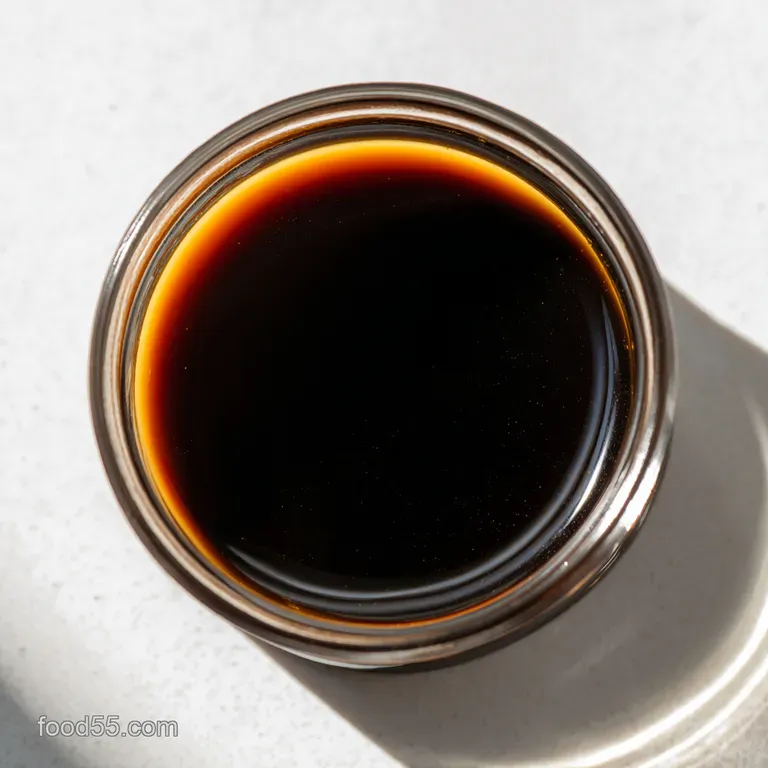
First things first. Get your ducks in a row. Seriously, you'll thank me later. Measure out your rice, soybeans, salt and, crucially, the Aspergillus oryzae spores.
You need those. Don't even think about skipping them. Soak the soybeans overnight. This gives them a head start and makes them easier to cook.
Think of it as a spa day for beans.
Got a sterilizer handy? Everything that touches the koji or the moromi needs to be squeaky clean. Imagine the disappointment after all this work when your diy soy sauce turns out weird.
Nobody wants that. Seriously.
step-by-step Process: From Grain to Greatness with this Soy Sauce Recipe
Alright, let's get down to brass tacks.
- Steam the rice: Soak your rice for several hours, then steam it until cooked but still firm. Don't overcook it . We need separate grains here, not rice pudding!
- Inoculate the rice: Cool the rice to the specified temperature for your koji starter, usually around 86° F/ 30° C . Sprinkle the Aspergillus oryzae spores evenly over the rice. It is critical!
- Incubate the koji: This is where the magic happens. Keep the rice warm and humid for several days. You’ll see fluffy white mycelium growing. It’s like a science experiment. Keep the temperature consistent!
- Cook the soybeans: Soak soybeans overnight. Cook until very soft. Again, cool to room temperature.
- Combine everything: Mix the koji rice, cooked soybeans, and salt in your fermentation container. Then add water. You've created the moromi! If using the optional Lacto bacteria culture add here,
- Ferment the moromi: Months of patience required, like waiting for your next holiday! Stir daily for the first week. Keep the temperature consistent.
- Press and Pasteurize: After the fermentation. Press and pasteurize.
- Bottle and Store: Store in a cool dark place.
Pro Tips: Level Up Your Homemade Tamari Recipe
Sanitation is absolutely essential. Sterilize everything . Trust me on this one. Also, keep an eye on the temperature, especially during koji incubation.
If you taste the umami rich soy sauce recipe after several months and like the flavor profile, then you have done a brilliant job.
If you're thinking of making a big batch? This traditional soy sauce brewing is perfect for creating.
So there you have it. My take on how to make soy sauce ! It's a journey, not a race.
Enjoy the process, embrace the unexpected, and you might just end up with something truly special. Good luck, and happy brewing!
Recipe Notes: Tweak It 'Til You Make It!
Right, you're ready to have a go at how to make soy sauce . Amazing! Now, before you dive in headfirst, let's chat about a few things.
Think of these as your cheat codes to Umami Rich Soy Sauce Recipe success, yeah? These homemade soy sauce tips will turn you into a Traditional Soy Sauce Brewing legend!
Serving Suggestions: Make it Look Swanky, Mate!
Okay, so you've spent months making your Diy Soy Sauce . Don't just bung it on your plate! For plating, a little goes a long way.
Drizzle artfully (think Jackson Pollock, but with soy sauce) over grilled salmon. Garnish with some spring onions, and boom restaurant worthy.
For a proper feast, try pairing it with some crispy spring rolls, or some lightly pickled ginger. Delicious! And if you're feeling fancy, pair it with a Japanese beer or some green tea.
Sorted.
Storage Tips: Look After Your Liquid Gold
Once you've got that gorgeous Homemade Tamari Recipe bottled, you'll want to know how to store it right? Keep that precious homemade soy sauce recipe in the fridge.
It keeps better and tastes better colder. It should happily sit in the fridge for up to two years. Freezing isn't really recommended as it can alter the texture.
To reheat after that time, just give it a good shake. It may settle over time, but it is all good!
Variations: Put Your Own Spin On It
Want to make your koji soy sauce recipe extra special? Cool! Instead of Lacto Bacteria, You can also add a bit of brown sugar after fermentation.
It'll give it a lovely caramel-y sweetness. Also, you can use rice alternatives for rice intolerances.
Nutrition Basics: Is It Good For You, Then?
Soy sauce is packed with sodium. It's one of them things where a little goes a long way! On the plus side, fermentation creates some beneficial compounds.
A little splash can add depth and savory goodness to your meals. Each tablespoon has around 10-15 calories, and a little protein.
But be mindful of the sodium content.
Now, I know how to make soy sauce at home sounds like a massive undertaking. It's not as hard as you think. Grab your equipment and get going! You got this!

Frequently Asked Questions
Is making your own soy sauce really worth the effort? Sounds like a right faff!
It's a labour of love, to be sure! While it does take a significant amount of time (like waiting for a good cuppa to brew), the depth of flavour you achieve compared to shop bought soy sauce is truly remarkable. Plus, you get the bragging rights of saying "I made that!" which is always a winner at the pub quiz.
I'm a complete novice is this recipe for how to make soy sauce too advanced for me?
This recipe is definitely on the more challenging side. If you're new to fermentation, consider starting with something simpler like kimchi or sauerkraut to get the hang of the basics. However, if you're up for a challenge and meticulously follow the instructions, you might just surprise yourself!
Remember sanitation is key to prevent unwanted microbes.
How long does homemade soy sauce last, and what's the best way to store it?
Properly pasteurized and bottled, your homemade soy sauce should last for at least a year, and potentially much longer, when stored in a cool, dark place like that cupboard under the stairs where you keep the emergency biscuits. Just like a fine wine, the flavor can even improve with age.
If you notice any off smells or discoloration, it's best to err on the side of caution and discard it.
Can I adjust the saltiness of my soy sauce? I'm trying to be a bit healthier, you see.
You can certainly try to reduce the salt content, but be aware that salt plays a crucial role in the fermentation process and acts as a preservative. Lowering the salt too much could compromise the fermentation and shorten the shelf life.
If you're concerned about sodium, start with a smaller reduction and carefully monitor the fermentation. A great option is to use a high-quality sea salt or Himalayan pink salt.
What if I can't find Aspergillus oryzae spores anywhere? Am I buggered?
Finding the right koji starter is critical, it's like finding the holy grail of brewing! Check online specialty food stores, home brewing supply shops, or Asian grocery stores. Some brewing supply companies may offer alternative strains, but ensure they are suitable for soy sauce production.
Without the right koji, you're basically just making a salty bean soup.
I've waited ages, but my soy sauce tastes a bit…meh. Any tips for improving the flavour?
Flavour development can take time, so patience is key. Ensure your fermentation temperature is consistent. If it still lacks depth, consider adding a tiny amount of molasses or dark sugar post fermentation for a hint of sweetness.
You can also try adding a small amount of a different lacto bacteria culture to give it a richer more interesting flavor.
From Scratch Soy Sauce A Home Brewers Journey
Ingredients:
Instructions:
Nutrition Facts:
| Calories | 10-15 calories |
|---|---|
| Fat | < 1g |
| Fiber | 0g |
