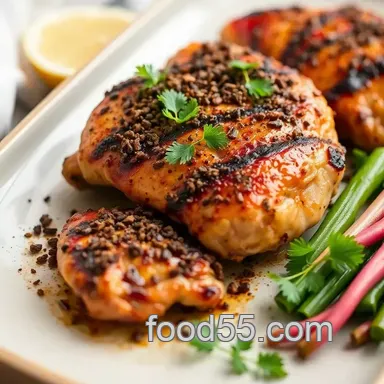
Coffee Rubbed Grilled Chicken: Caramelized
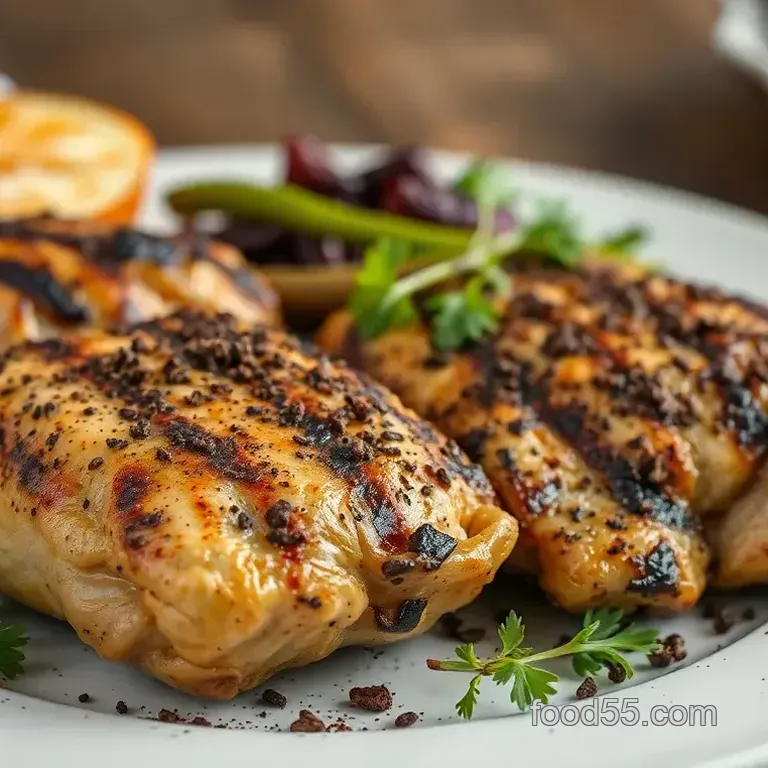
- Time: 15 min active + 30 min resting
- Flavor/Texture Hook: Deep mahogany crust with a smoky, bittersweet edge
- Perfect for: Weekend cookouts or a bold, sophisticated dinner that remains easy to prepare
Imagine the scent of fresh dark roast coffee hitting a hot charcoal grill. That aromatic, sharp fragrance blends with the sizzle of chicken skin, making your backyard feel like a crossover between a specialty cafe and a BBQ pit. It might seem like an odd pairing on paper, but it all clicks the moment you take a bite.
I was once skeptical about putting coffee on meat, worried the chicken would end up tasting like a morning latte. But after refining the ratios, I discovered that coffee actually boosts other flavors, making the garlic and smoked paprika pop in a way that salt alone can't manage.
Experience the ideal Grilled Chicken with Savory Coffee Spice Rub. You can expect a rich, dark crust that looks charred but tastes savory, while the interior stays perfectly juicy. The interplay between the bitter coffee and sweet brown sugar is where the real magic happens.
Grilled Chicken with Savory Coffee Spice Rub
Now for the details. While this isn't a completely hands-off dish, it's far from being difficult. The most important part is the wait. Giving the rub 30 minutes to set ensures the salt and coffee acids soak deep into the meat.
If you typically stick to simple salt and pepper chicken, expect a significant increase in flavor. It is rich, earthy, and carries a gentle heat from the cayenne. It's exactly the sort of meal that leaves guests impressed and eager for the instructions.
Why This Rub Actually Works
While many see coffee as a mere flavor enhancer, it performs several key functions in this rub.
- Coffee Acids: Natural acidity helps decompose surface proteins, which serves to tenderize the chicken's outer layer.
- Sugar Caramelization: Brown sugar contributes sweetness and builds a sticky foundation that anchors the spices and browns rapidly under heat.
- Smoked Paprika: This introduces a smoky quality that pairs well with the coffee's bitterness, delivering a BBQ profile regardless of whether you use a gas grill.
| Goal | Temp | Rest | Cue |
|---|---|---|---|
| Juicy Thighs | 165°F | 10 mins | Juices run clear |
| Crispy Skin | Med High | 5 mins | Skin releases from grate |
| Deep Crust | High (Initial) | 30 mins (Pre) | Mahogany color |
The Building Blocks
The coffee is the star, but it needs a supporting cast to keep it from being too bitter. I prefer a dark roast because it has those chocolatey, toasted notes that play well with grilled meat. If you use a light roast, it might taste too acidic or "citrusy," which clashes with the smoked paprika.
Brown sugar is non negotiable here. You need that molasses hit to balance the coffee. While white sugar works in a pinch, you'll lose that deep, caramelized flavor and the color will be lighter.
The chicken choice matters too. I always go for bone in, skin on thighs. They have more fat, which means they can handle the high heat needed for the crust without drying out. Breast meat is too lean for this specific rub and often turns into rubber if you chase that dark mahogany look.
Equipment Needed
You can get by with basic tools, though some items make the process smoother. A medium mixing bowl is essential for the rub to ensure any brown sugar clumps are thoroughly whisked away.
On the grill, I employ a two-zone arrangement, direct heat on one side and no burners or coals on the other, which keeps the sugar from burning while the meat finishes cooking.
A digital meat thermometer is the only professional tool I consider mandatory. Trying to gauge doneness by touch is a quick way to end up with undercooked chicken or something resembling a dry shoe.
Since USDA guidelines require a safe internal temperature of 165°F, a thermometer is the only reliable way to be precise.
How to Make It
Phase 1: Crafting the Rub
In a mixing bowl, combine the ground coffee, salt, black pepper, cayenne, smoked paprika, onion powder, garlic powder, and brown sugar. Whisk thoroughly to break up any brown sugar lumps, preventing sweet pockets from forming on the meat.
Phase 2: Preparing the Chicken
Use paper towels to pat the chicken thighs completely dry. Note: any moisture left on the skin will cause the meat to steam rather than sear. Lightly coat the skin and underside with olive oil. Rub the coffee spice blend onto the thighs, pressing it firmly into the meat with your palms.
Allow the chicken to temper at room temperature for 30 minutes.
Phase 3: Grilling for Maximum Flavor
Preheat your grill to medium-high heat. Set the thighs skin-side down over the direct heat. Grill for 5–7 minutes until the skin achieves a rich mahogany color and releases easily from the grates. Avoid forcing them off, as you may tear the crust.
Phase 4: The Final Rest
Shift the chicken to the indirect heat area and cover the grill. Continue cooking for 15–20 minutes until a meat thermometer reads 165°F (74°C). Transfer the meat to a platter and let it rest for 5–10 minutes.
This allows the juices to redistribute so they remain in the meat when sliced.
Troubleshooting Guide
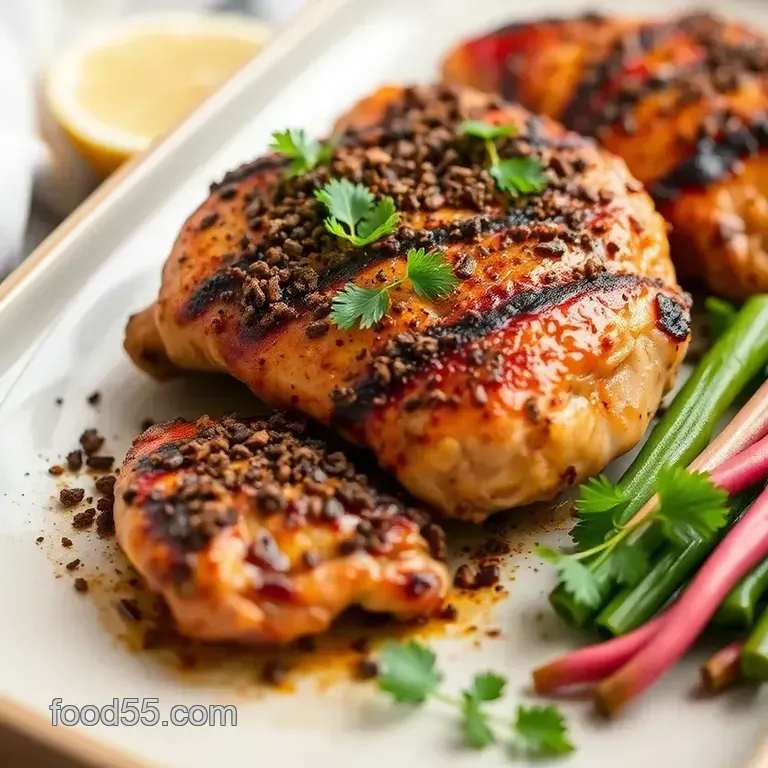
One thing I've learned the hard way is that sugar and high heat are a volatile mix. If you leave the chicken over direct heat for too long, the rub won't just brown, it'll carbonize. You'll know this is happening if you smell something acrid rather than toasted.
Another common issue is rubbery skin. This usually happens when people skip the drying step or use chicken that's too cold. Cold meat doesn't sear as efficiently, and moisture is the enemy of a crisp.
Rub Burning
If the crust turns black and tastes bitter, your grill is too hot. Move the meat to the indirect zone sooner.
Rubbery Skin
This is usually caused by excess moisture or skipping the room temperature rest. Ensure you pat the meat dry.
| Problem | Root Cause | Solution |
|---|---|---|
| Acrid, burnt taste | Sugar burned over direct heat | Move to indirect zone sooner |
| Rub sliding off | Too much oil or wet skin | Pat skin dry before oiling |
| Meat dry inside | Overcooked past 165°F | Use a digital thermometer |
| Bland flavor | Rub not pressed in | Press seasonings into meat |
Mix It Up
This recipe is easy to customize. For a "Sweet Heat" version, double the cayenne or add a teaspoon of chipotle powder. This introduces a smoky, persistent heat that pairs perfectly with a cooling side like coleslaw.
To achieve an earthy umami profile, stir in a half teaspoon of ground cloves or a pinch of cinnamon. Although these sound like dessert ingredients, they push the coffee notes toward a Moroccan style. For a salty-sweet contrast, a savory soy miso asian dipping sauce works surprisingly well as a side.
If you're reducing sugar, you can substitute the brown sugar for a monk fruit sweetener. Just keep in mind that alternative sweeteners don't caramelize the same way, so your crust will be lighter in color.
Adjusting the Batch Size
Scaling this recipe isn't as simple as doubling everything. Spices, especially salt and cayenne, can become overwhelming if you just multiply them linearly.
Scaling Down (Half Batch): If you're only doing 1.5 lbs of chicken, halve the coffee and sugar, but only reduce the salt and cayenne by about a third. Use a smaller grill area to keep the heat concentrated.
Scaling Up (Double or Triple Batch): When cooking 6-9 lbs of chicken, increase the rub ingredients by 1.5x rather than 2x or 3x. You'll have plenty of coating. Work in batches on the grill so you don't crowd the grates, which drops the temperature and ruins the sear.
| Budget Item | Premium Option | Budget Alternative | Impact |
|---|---|---|---|
| Coffee | Single Origin Arabica | Store Brand Dark Roast | Minimal, just need "dark" |
| Sugar | Organic Coconut Sugar | Light Brown Sugar | Coconut is more nutty |
| Oil | Extra Virgin Olive Oil | Vegetable Oil | Vegetable has higher smoke point |
How to Store and Keep Fresh
If you have leftover dry rub, put it in a glass jar with a tight lid. It stays good for about 3 months in a cool, dark pantry. Just shake it well before using it again, as the brown sugar can settle and clump.
For the cooked chicken, store it in a container in the fridge for up to 3 days. To reheat, avoid the microwave if you can, it turns the skin into rubber. Instead, pop it in a 350°F oven for 10 minutes or throw it back on a hot grill for 2-3 minutes per side.
This brings back some of that crisp.
To avoid waste, save the chicken bones. Throw them in a pot with water, an onion, and a carrot to make a quick stock. The coffee rub remnants on the bones actually add a nice, dark color to the broth.
Perfect Complements
This dish is heavy on rich, dark flavors, so you need something bright to cut through it. I love serving this with a crisp cucumber salad or grilled asparagus with a squeeze of lemon. The acidity resets your palate between bites of the coffee crusted meat.
If you're looking for something more indulgent, try a homemade cowboy butter sauce on the side. The garlic and lemon in the butter contrast beautifully with the earthy coffee rub.
For a starch, go with a simple corn cake or a heap of cilantro lime rice. These keep the focus on the Grilled Chicken with Savory Coffee Spice Rub without competing for attention.
Kitchen Myths
Myth: Coffee makes meat taste like a beverage. The truth is that when coffee is toasted on a grill, the "beverage" flavor vanishes. It transforms into a savory, bitter element that acts more like cocoa powder or smoked salt.
Myth: Searing meat "locks in" the juices. Searing is for flavor and texture, not juice retention. Moisture loss happens regardless of how you sear. The crust is about the taste, and the internal temperature is what actually keeps the meat juicy.
Myth: You must use a charcoal grill for this. While charcoal adds its own smoke, a gas grill works just as well. The smoked paprika in the rub does most of the work to provide that classic BBQ flavor.
Recipe FAQs
Can I use this rub on other meats besides chicken?
Yes, this blend works great on pork or beef. If you enjoyed balancing these bold flavors, see how we use a similar flavor-pairing logic in our creamy peanut sauce.
How much rub should I use per pound of meat?
Apply about 2 to 3 tablespoons per pound. Press the seasoning firmly into the skin to create a thick, consistent crust.
What if I don’t have smoked paprika?
Substitute with regular paprika. You will lose some of the smoky depth, but the overall profile remains savory.
How do I know if my spices are still fresh?
Smell the ingredients and check for vibrant colors. Dull powders with faint aromas usually lack the potency needed for a strong rub.
Is it true that the sugar in the rub causes the meat to burn immediately?
Surprisingly, no. The rub only carbonizes if left over direct heat too long, which is why we move the meat to the indirect zone.
Coffee Rubbed Grilled Chicken for 4