London Broil Marinade
- Time: Active 10 minutes, Passive 4 hours 15 mins, Total 4 hours 25 mins
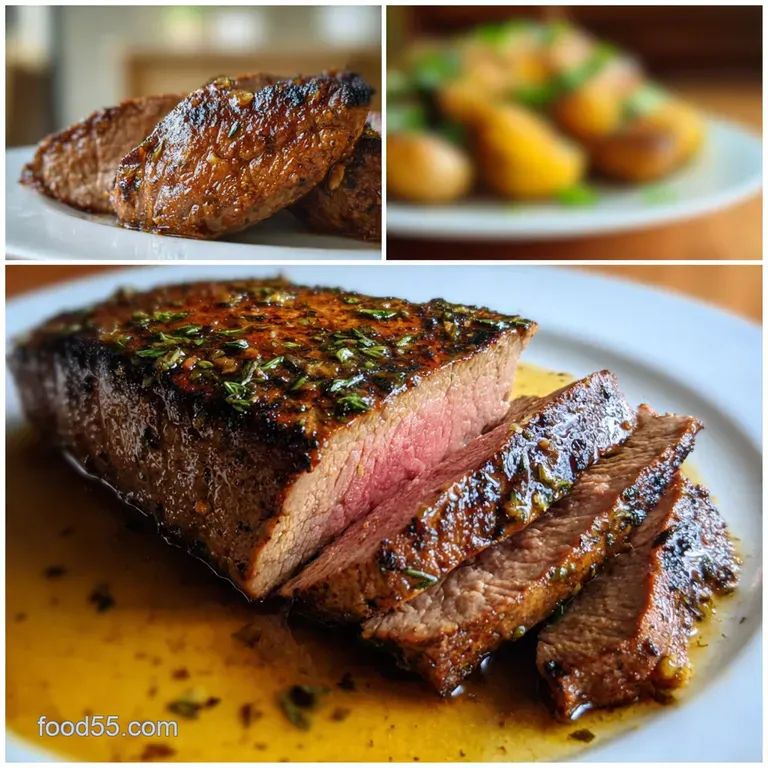
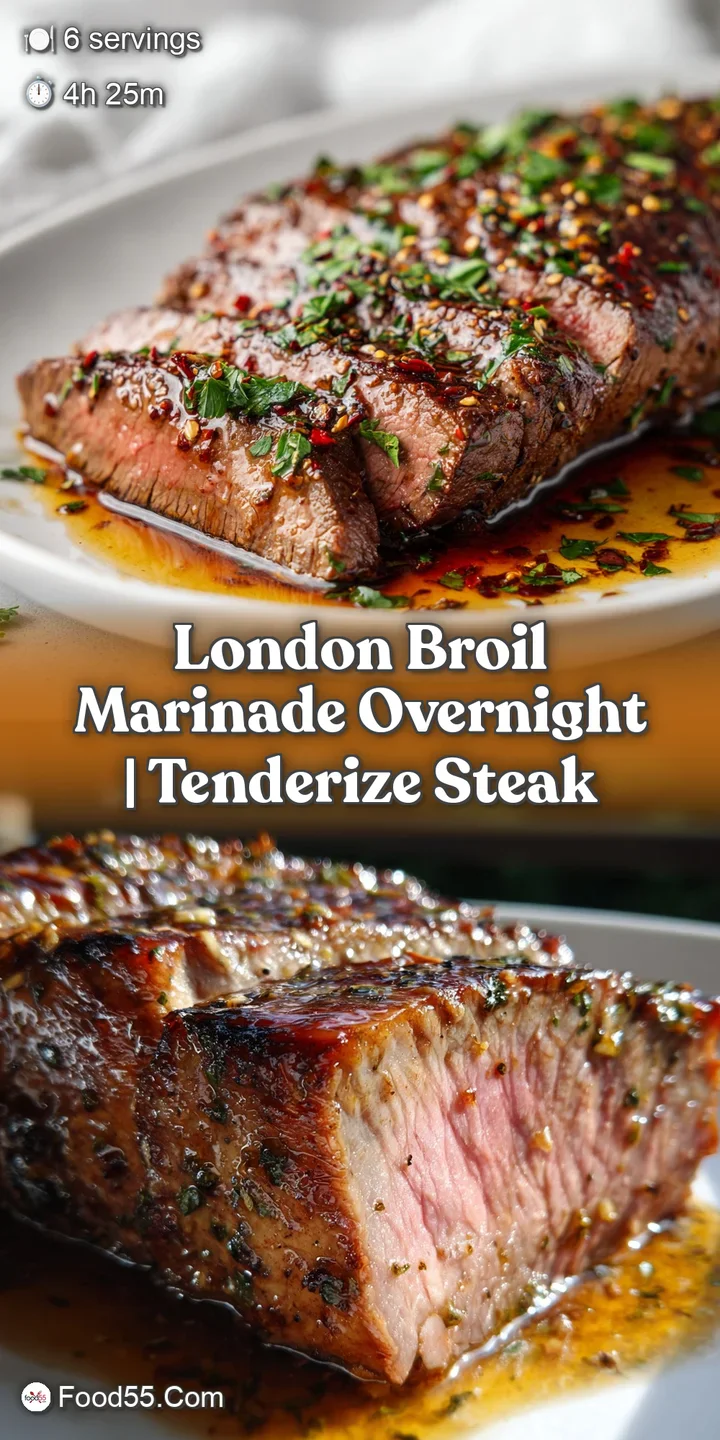
- Flavor/Texture Hook: A savory sweet crust with a velvety, melt in-the mouth center
- Perfect for: High energy family gatherings and Sunday meal prepping
- Creating a Transformative London Broil Marinade
- Shared Joy Around a Sizzling Platter
- Key Stats for Steak Success
- The Alchemy of Heady Flavors
- Necessary Tools for Best Results
- Steps to a Succulent Sear
- Fixes for Common Cooking Hurdles
- Clever Swaps for Every Pantry
- Storing and Reusing Your Leftovers
- Plating for a Shared Experience
- Recipe FAQs
- 📝 Recipe Card
Creating a Transformative London Broil Marinade
Picture this: the kitchen is humming with the sound of a heavy cast iron skillet reaching its peak heat. There's a certain magic that happens when you lay a marinated steak into that pan a sudden, violent sizzle that sends an intoxicating aroma of charred garlic and sweet balsamic through the house.
It's the kind of scent that acts like a dinner bell, pulling everyone from their separate corners of the home toward the kitchen island.
I remember my first attempt at this cut; it was a disaster. I didn't understand that a London Broil isn't actually a specific cut of meat but a method, usually applied to top round or flank steak. I skipped the long soak, threw it under the broiler, and ended up with something resembling a leather boot.
It was a humbling lesson in the necessity of a proper London Broil Marinade. Since then, I've spent years tweaking this liquid gold to find the exact point where the acid breaks down the tough fibers without turning the meat into mush.
This recipe is more than just a list of liquids; it's a bridge to a shared meal that feels celebratory even on a Tuesday. We're looking for that stark contrast between the shatter of the seared exterior and the succulent, pink interior.
When you slice it thin against the grain, the beef doesn't just look good it carries the weight of a recipe that's been refined through trial, error, and plenty of shared laughter around the dining table.
Shared Joy Around a Sizzling Platter
The success of this dish lies in its ability to bring people together through the cultural exchange of flavors. We’re pulling in umami from soy sauce, tang from the Mediterranean, and that classic American sweetness from dark brown sugar.
- Muscle Fiber Relaxation: The combination of balsamic vinegar and lemon juice acts as a chemical tenderizer, gently unraveling the tight protein coils in the top round steak.
- The Maillard Enhancement: Dark brown sugar provides the necessary fuel for the Maillard reaction, ensuring a dark, caramelized crust forms before the center overcooks.
- Osmotic Exchange: The salt in the soy sauce draws the aromatics deep into the meat's center, ensuring every slice is seasoned through rather than just on the surface.
- Emulsification Stability: Dijon mustard acts as a bridge between the oil and vinegar, creating a thick coating that clings to the beef rather than sliding off.
| Method | Time | Texture | Best For |
|---|---|---|---|
| over High heat Stovetop | 12-15 mins | Extra crispy, charred crust | Achieving a restaurant style sear |
| over High heat Oven (Broil) | 14-16 mins | Even browning, juicy interior | Hands off cooking for larger groups |
| Outdoor Grill | 10-14 mins | Smokey, rustic char | Summer gatherings and smoky flavor |
The beauty of this method is its flexibility. If you find yourself craving a different flavor profile, you might enjoy the techniques used in our Classic Teriyaki Marinade recipe, which uses similar principles of sweet and salty balance.
| Component | Science Role | Pro Secret |
|---|---|---|
| Extra Virgin Olive Oil | Heat Conduction | Carries fat soluble garlic flavors into the meat's crevices. |
| Balsamic Vinegar | Collagen Breakdown | Adds a complex sweetness while softening the tough connective tissues. |
| Dark Brown Sugar | Carbonization | Creates the sticky, dark "bark" that makes the steak look professional. |
Key Stats for Steak Success
To get this right, you have to respect the clock and the thermometer. This isn't a "set it and forget it" situation once the meat hits the heat.
- Marination Window:4 hours minimum, 24 hours maximum. Anything less won't penetrate; anything more makes the meat mealy.
- Target Temperature: Pull the steak at 130°F for a medium rare finish after the rest.
- The Rest Period: 10 full minutes on a cutting board. No peeking, no poking.
When you're aiming for that deep, savory depth, the choice of soy sauce matters. I always reach for low sodium to control the salt levels, much like the precision needed in a Pork Ramen Stir Fry recipe.
The Alchemy of Heady Flavors
The "Flavor Map" for this dish is a careful balance of high and low notes. We have the bright acidity of the lemon contrasting with the deep, fermented funk of the Worcestershire sauce.
- 2 lb London Broil (Top Round Steak): Look for a uniform thickness so it cooks evenly.
- 1/2 cup extra virgin olive oil: Provides the fat needed for a rich mouthfeel.
- 1/3 cup low sodium soy sauce: The primary salt source and umami base.
- 1/4 cup balsamic vinegar:Why this? Breaks down tough fibers while adding a sophisticated, syrupy sweetness.
- 2 tbsp fresh lemon juice: Adds a high frequency zing to cut through the fat.
- 1/4 cup dark brown sugar, packed: For that essential caramelized crust.
- 2 tbsp Dijon mustard:Why this? Emulsifies the marinade and adds a sharp, peppery bite.
- 1 tbsp Worcestershire sauce: The secret "X factor" for beefy depth.
- 6 cloves garlic, minced: Fresh is non negotiable here; avoid the jarred stuff.
- 1 tbsp dried oregano: Adds an earthy, herbal undertone.
- 1 tsp ground black pepper: For a foundational warmth.
- 1/2 tsp red pepper flakes: Just enough to wake up the palate without real heat.
| Original Ingredient | Substitute | Why It Works |
|---|---|---|
| Balsamic Vinegar | Apple Cider Vinegar + 1 tsp Honey | Maintains acidity but loses the dark, syrupy depth. |
| Soy Sauce | Liquid Aminos | gluten-free and very similar umami profile. |
| Dijon Mustard | Ground Mustard Powder (1 tsp) | Adds the heat but loses the emulsifying creamy texture. |
Necessary Tools for Best Results
You don't need a professional kitchen, but a few specific items make the London Broil Marinade process much smoother.
- Large Gallon Ziploc Bag: This is the best way to ensure the meat is completely submerged with minimal marinade.
- Cast Iron Skillet (12 inch): Essential for heat retention and that heavy duty sear.
- Digital Meat Thermometer: This is your insurance policy against overcooked, dry beef.
- Whisk: To properly combine the oil and mustard into a cohesive liquid.
- Heavy Duty Tongs: To flip the steak without piercing the surface and losing juices.
Chef's Tip: Freeze your garlic for 10 minutes before grating it with a microplane. It makes it much easier to turn the cloves into a fine paste that melts into the marinade.
Steps to a Succulent Sear
- Whisk the base. Combine the olive oil, soy sauce, balsamic vinegar, lemon juice, brown sugar, Dijon, and Worcestershire in a medium bowl. Note: Whisk vigorously until the sugar is dissolved and the oil doesn't separate.
- Add aromatics. Stir in the minced garlic, oregano, black pepper, and red pepper flakes.
- Prep the beef. Pat the London broil dry with paper towels. Wait, don't skip this—moisture is the enemy of a good sear.
- Pierce for penetration. Use a sharp fork to poke holes all over both sides of the steak. Note: This creates "flavor channels" for the marinade to travel deep into the muscle.
- Submerge the steak. Place the meat in a gallon bag and pour the marinade over it. Squeeze out all the air before sealing.
- The long soak. Refrigerate for at least 4 hours. Flip the bag halfway through to ensure even coverage.
- Temper the meat. Remove the steak from the fridge 30 minutes before cooking. Note: Cold meat in a hot pan leads to uneven cooking and a grey interior.
- Heat the pan. Set your skillet over medium high heat until it starts to wisps of smoke appear.
- Sear the beef. Place the steak in the pan (discard the excess marinade). Cook for 6-8 minutes per side until a dark, mahogany crust forms.
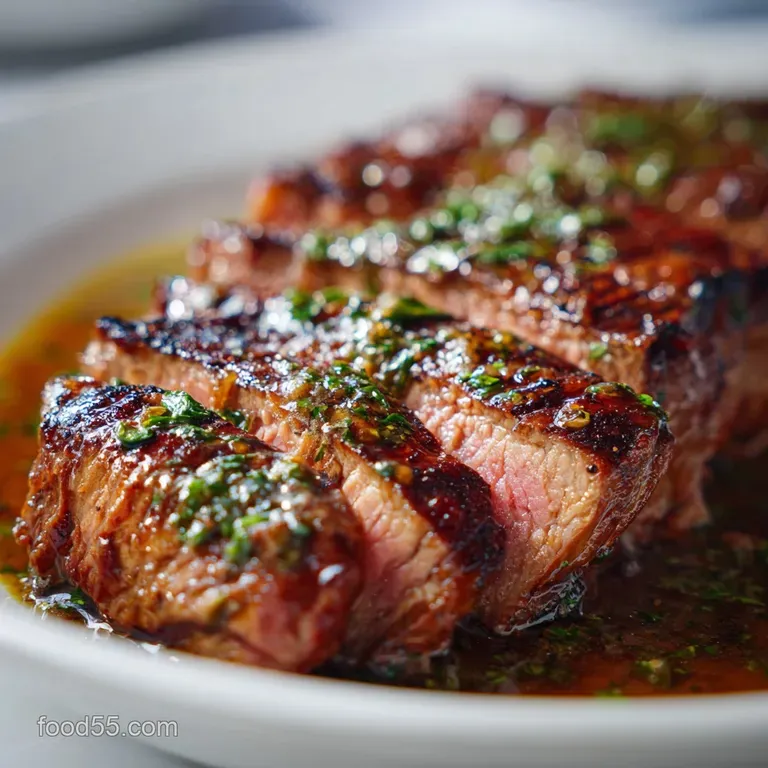
- Rest and slice. Transfer to a board. Let it sit for 10 minutes, then slice very thin against the grain at a slight diagonal.
Fixes for Common Cooking Hurdles
The Meat is Still Tough
Even with a great London Broil Marinade, the steak can be chewy if the "grain" isn't respected. Look at the long fibers of the meat; your knife must cut perpendicularly across them to shorten those fibers for a tender bite.
The Crust is Scorching
If the brown sugar is burning before the steak reaches 130°F, your heat is too high. Simply turn the burner down to medium and flip the meat more frequently to distribute the heat.
| Problem | Root Cause | Solution |
|---|---|---|
| Grey, steamed exterior | Meat was too wet | Pat the steak bone dry before it hits the hot pan. |
| Bland center | Short marinade time | Aim for at least 6 hours if the steak is over 2 inches thick. |
| Rubbery texture | Overcooked | Use a thermometer; pull the meat at 130°F for carryover cooking to 135°F. |
Common Mistakes Checklist
- ✓ Never salt the steak before the marinade; the soy sauce provides all the sodium needed.
- ✓ Don't overcrowd the pan if you're making two steaks work in batches.
- ✓ Avoid using a glass baking dish for marinating unless you flip the meat every hour.
- ✓ Never slice the steak immediately; the juices will run out, leaving the meat dry.
- ✓ Always use a high smoke point oil like olive or avocado oil for the sear.
Clever Swaps for Every Pantry
If you're looking to change the vibe, you can easily pivot this recipe. For a more traditional profile, you might look at The Steak Marinade recipe, which emphasizes different herb balances.
If you want a smokier finish: Add 1 teaspoon of liquid smoke or 1 tablespoon of smoked paprika to the mix. Increase the black pepper for a "steakhouse" crust. Grill over charcoal instead of using the stovetop.
Scaling for a Crowd:Doubling (4 lb meat): Double the liquids, but keep the red pepper flakes at 3/4 tsp to avoid overwhelming the dish. Use two separate bags for marinating.
Halving (1 lb meat): Keep the garlic at 4 cloves (we love garlic!) and reduce the oil to 1/3 cup. Cook time will likely drop by 2-3 minutes per side.
Storing and Reusing Your Leftovers
Leftover London broil is actually a gift. Because the marinade has already worked its magic, the meat stays relatively tender even when cold.
- Fridge: Store in an airtight container for up to 4 days.
- Freezer: You can freeze the raw steak in the marinade for up to 3 months. It will marinate as it thaws in the fridge!
- Zero Waste: Take those steak scraps and toss them into a stir fry or thinly slice them for a steak salad with a blue cheese dressing. The acidity in the marinade makes it a great partner for creamy toppings.
Plating for a Shared Experience
When it's time to serve, don't just pile the meat on a plate. This dish is about the visual contrast. Fan the thin slices out on a wooden board or a large platter to show off that beautiful gradient from the charred edge to the pink center.
I love to sprinkle a little flaky sea salt over the top right before serving. It provides a little crunch that highlights the sweetness of the balsamic. If you're looking for more broiling techniques to round out your skills, check out the How to Broil recipe for a different take on over high heat cooking.
Sharing this meal is about more than just the protein; it's about the "oohs" and "aahs" when that platter hits the table. It’s a testament to the fact that with a little patience and a solid London Broil Marinade, even the humblest cut of beef can become a legendary meal.
Recipe FAQs
What to marinate a London broil with?
A blend of acid, salt, and aromatics. Key components include olive oil, soy sauce, balsamic vinegar, lemon juice, brown sugar, Dijon mustard, Worcestershire sauce, garlic, and herbs like oregano. This combination tenderizes and flavors the meat.
What is Gordon Ramsay's marinade for London broil?
While specific recipes vary, Ramsay's approach emphasizes bold flavors and proper technique. Generally, his marinades include ingredients like olive oil, garlic, rosemary, thyme, and red wine or balsamic vinegar, focusing on creating a deep crust through high heat searing.
Does marinating tenderize London broil?
Yes, it absolutely does. The acids in ingredients like vinegar and lemon juice break down tough muscle fibers, making the meat more tender and easier to chew. Salt also helps to further tenderize and season the meat.
What is the secret to a juicy London broil?
Proper marination, high heat searing, and adequate resting are key. Marinating infuses moisture and flavor, a hot sear creates a flavorful crust and seals in juices, and letting it rest allows the juices to redistribute throughout the meat.
How long should I marinate London broil?
Marinate for at least 4 hours, and up to 24 hours. Shorter times won't allow flavors to penetrate fully, while excessively long marination can make the texture too soft or mushy.
What cut of meat is best for London broil?
Typically, top round or flank steak is used for London broil. These are lean, flavorful cuts that benefit greatly from marination and slicing against the grain to improve tenderness.
Can I marinate London broil in advance for a quick weeknight meal?
Yes, it's ideal for meal prep. You can marinate the London broil in a sealed bag or container in the refrigerator for up to 24 hours. Then, simply remove it 30 minutes before cooking for a quick, flavorful dinner.
London Broil Marinade
Ingredients:
Instructions:
Nutrition Facts:
| Calories | 382 calories |
|---|---|
| Protein | 36.8g |
| Fat | 18.4g |
| Carbs | 8.2g |
| Fiber | 0.4g |
| Sugar | 6.1g |
| Sodium | 764mg |
