Macaroni Penne Recipe
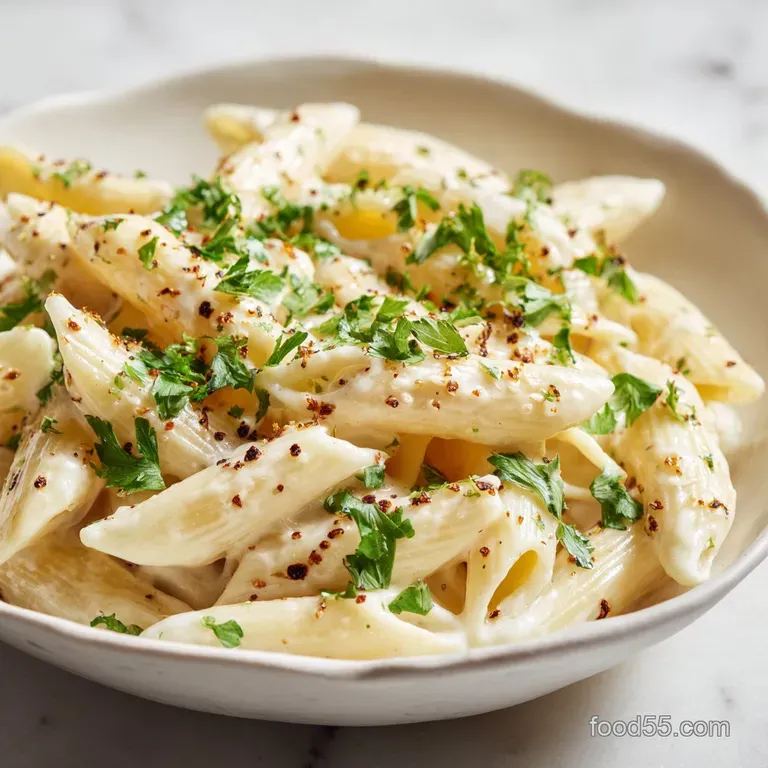
- Time: Active 15 minutes, Passive 5 minutes, Total 20 minutes
- Flavor/Texture Hook: Velvety sharp cheddar sauce clinging to ridged pasta with a smoky finish.
- Perfect for: Quick weeknight indulgence or a stress free shared meal for friends.
- The Molecular Magic of Starch and Fat Bonds
- Precision Timing for the Most Velvety Macaroni Penne Result
- Core Elements That Define This Macaroni Penne Recipe
- The Right Gear for a Seamless Cooking Experience
- A Step by Step Guide to Creating Silky Pasta
- Proactive Solutions for Potential Macaroni Penne Recipe Struggles
- Simple Adaptations for Every Palate and Kitchen Pantry
- Keeping Your Leftovers Fresh and Flavorful for Days
- Elevating the Aesthetic of Your Shared Family Meal
- Myths About Cooking Pasta and Cheese
- High in Sodium
- Macaroni Penne Recipe FAQs
- 📝 Recipe Card
The Molecular Magic of Starch and Fat Bonds
The kitchen was humming last Tuesday, steam fogging up my windows while I tried to replicate that one pasta dish from our favorite local bistro. I realized my mistake from previous attempts was letting the sauce get too hot, which caused the cheese to "shatter" into oily clumps.
This time, I kept the heat low and slow, and the result was a sauce so silky it looked like liquid gold.
Building layers of flavor is what makes this macaroni penne recipe stand out from the boxed stuff. We start with a sizzle of garlic in butter, then slowly introduce the heavy cream to create a stable base.
By the time the sharp white cheddar hits the pan, the temperature is just right to let it melt without breaking, creating a connection between the pasta and the sauce that feels like a warm hug.
When we eat together, it's about more than just the calories, it's about the cultural exchange of sharing a pot of something handmade. This dish is designed to bring people together, making it easy to focus on the conversation rather than hovering over a complex stove setup.
It's brilliant, honestly, and you probably have most of these ingredients in your fridge right now.
Science: Starch molecules from the reserved pasta water act as a natural emulsifier, binding the fats in the heavy cream and cheddar to the liquid. This prevents the sauce from separating and ensures a velvety coating on every piece of penne.
| Servings | Ingredient Adjustments | Pan Size | Cook Time |
|---|---|---|---|
| 2 People | 8 oz Penne, 0.75 cup Cream | 10 inch Skillet | 12 minutes |
| 4 People | 16 oz Penne, 1.5 cups Cream | 12 inch Deep Skillet | 15 minutes |
| 8 People | 32 oz Penne, 3 cups Cream | 6 quart Dutch Oven | 18 minutes |
Using the right pan size is crucial because it affects the evaporation rate of your sauce. If the pan is too wide for a small batch, your cream will reduce too quickly and become thick before the cheese even has a chance to melt.
Precision Timing for the Most Velvety Macaroni Penne Result
Success with this penne recipe depends on hitting your marks with the pasta texture. Overcooking the noodles makes them mushy, and they won't be able to stand up to the weight of the heavy cheddar sauce.
I always set my timer for two minutes less than the box suggests for "al dente" because the pasta continues to cook once it hits the warm sauce.
Optimizing Surface Area with Penne Rigate
Penne Rigate is the secret weapon here because those tiny ridges on the outside of the tube act like "sauce traps." Unlike smooth pasta where the sauce might just slide off into a puddle at the bottom of the bowl, the ridges ensure you get a full hit of cheese in every single bite. This is the same principle I use when making my How to Make recipe to ensure maximum flavor distribution.
Core Elements That Define This Macaroni Penne Recipe
| Ingredient | Science Role | Pro Secret |
|---|---|---|
| 16 oz Penne Rigate | Structural Base | Use Rigate (ridged) to trap the sauce in the grooves. |
| 1.5 cups Heavy Cream | Fat Emulsion | Use room temperature cream to prevent the sauce from "shocking" and breaking. |
| 2 cups White Cheddar | Flavor & Viscosity | Grate it yourself to avoid the waxy coating found in pre shredded bags. |
| 0.5 cup Pasta Water | Binding Agent | The salty starch acts as "glue" for a cohesive, silky finish. |
For the best results, you'll need the following items ready to go: - 16 oz Penne Rigate Why this? The ridges (rigate) hold onto the sauce better than smooth penne. - 2 tbsp Sea Salt Why this? Essential for seasoning the pasta from the inside out. - 0.5 cup
Reserved Pasta Water Why this? It's the "liquid gold" that emulsifies the cheese sauce. - 4 tbsp Unsalted Butter Why this? Provides a rich, nutty fat base for sautéing garlic. - 2 cloves Garlic, minced Why this? Adds a
foundational aromatic layer that cuts through the fat. - 1.5 cups Heavy Cream Why this? Creates the luxurious, thick mouthfeel we want. - 1 tsp Smoked Paprika Why this? Adds a subtle wood fired depth without heat. - 0.5 tsp Dry Mustard Powder
Why this? Sharpens the cheddar flavor and aids in emulsification. - 2 cups Sharp White Cheddar, freshly grated Why this? Offers a punchy, complex tang that melts beautifully. - 0.5 cup Parmigiano Reggiano, finely grated Why this?
Adds a salty, umami kick to the finish. - Fresh cracked black pepper to taste - 1 tbsp Fresh Parsley, finely chopped
| Original Ingredient | Substitute | Why It Works |
|---|---|---|
| Heavy Cream | Whole Milk + 1 tbsp Flour | Lighter feel. Note: Needs a roux to thicken properly. |
| Sharp White Cheddar | Gruyère | Same melting point. Note: Adds a nuttier, more earthy profile. |
| Smoked Paprika | Nutmeg (pinch) | Classic pairing. Note: Moves the flavor toward a traditional Bechamel. |
If you find yourself missing the cheddar but have other cheeses in the drawer, check out My Family's Favorite recipe for ideas on how to blend different varieties for a similar effect.
The Right Gear for a Seamless Cooking Experience
You don't need a professional kitchen, but a large, deep skillet or a wide saucepan makes a huge difference. You want enough surface area to toss the pasta vigorously without it flying over the sides of the pan. A sturdy whisk is also a must have to keep the cream and spices moving so nothing scorched on the bottom.
If you are a fan of one pan wonders, a heavy bottomed stainless steel pan is your best friend. It holds heat evenly, which is exactly what you need when you're slowly melting two cups of cheese into a cream base.
I once tried this in a thin aluminum pot, and the hot spots made the cheese "seize" instantly, it was a total disaster.
A step-by-step Guide to Creating Silky Pasta
- Boil 16 oz Penne Rigate. Use a large pot with 2 tbsp Sea Salt until slightly firm to the bite. Note: This is usually 2 minutes less than the box instructions.
- Save 0.5 cup Pasta Water. Scoop this out before draining the pasta. Note: The starch is vital for the sauce's texture.
- Sizzle 4 tbsp Unsalted Butter. Melt it in a large skillet over medium heat until it begins to foam.
- Sauté 2 cloves Garlic. Add the minced garlic to the butter until fragrant and pale golden, which takes about 1 minute.
- Whisk in 1.5 cups Heavy Cream. Pour the cream slowly into the garlic butter until tiny bubbles appear at the edges.
- Season the Cream. Stir in 1 tsp Smoked Paprika, 0.5 tsp Dry Mustard, and black pepper until the sauce turns a light peach hue.
- Melt the Cheese. Lower the heat and add 2 cups Sharp White Cheddar and 0.5 cup Parmigiano Reggiano until the sauce is completely smooth.
- Combine the Components. Add the cooked penne and 0.5 cup Reserved Pasta Water to the skillet.
- Emulsify the Sauce. Toss the pasta vigorously until the sauce coats every tube and looks glossy.
- Garnish and Serve. Sprinkle with 1 tbsp Fresh Parsley and serve immediately while the texture is at its peak.
| Feature | Stovetop Method | Oven Baked Finish |
|---|---|---|
| Texture | Creamy and silky | Thick with a crispy crust |
| Total Time | 20 minutes | 35 minutes |
| Best For | Quick weeknight dinners | Potlucks and gatherings |
While the stovetop version is my go to for speed, sometimes you want that crunch. If so, just transfer the finished pasta to a dish, top with breadcrumbs, and broil for 3 minutes. It's a great variation that feels totally different.
Proactive Solutions for Potential Macaroni Penne Recipe Struggles
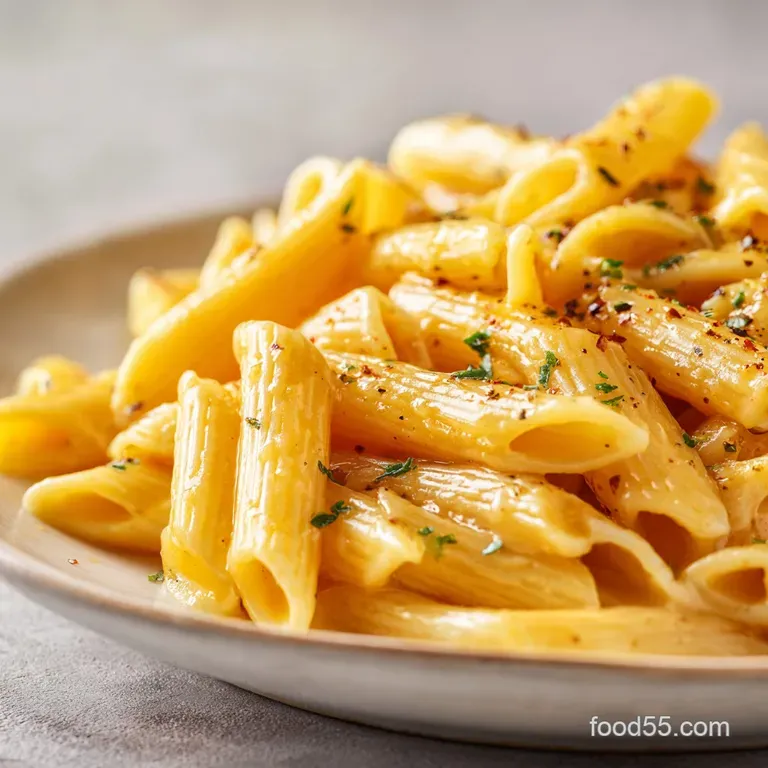
Sometimes the sauce doesn't behave, and that's okay. The most common issue with a creamy penne pasta recipe is the sauce becoming too thick or "tight" as it sits. Because the pasta continues to absorb moisture even after it's plated, the sauce can go from velvety to dry in a matter of minutes.
Fixing a Broken or Oily Sauce
If you see oil separating from the cheese, your heat was likely too high. Don't panic. Take the pan off the heat and whisk in a tablespoon of room temperature heavy cream or a splash of that reserved pasta water.
The extra liquid and the drop in temperature can often "pull" the emulsion back together, restoring that silky look.
Preventing Gummy Pasta
Gummy pasta happens when it sits in the colander for too long after draining. The starches on the surface of the penne start to dry and act like glue. To avoid this, time your sauce so it's ready just as the pasta finishes boiling.
If the pasta is ready first, toss it with a tiny bit of olive oil to keep the tubes separate while you finish the cheese base.
| Problem | Root Cause | Solution |
|---|---|---|
| Grainy Texture | Pre shredded cheese or high heat | Use block cheese and keep heat on low during melting. |
| Thin Sauce | Not enough reduction or missing starch | Let it simmer for 2 more mins or add extra cheese. |
| Dry Pasta | Pasta absorbed all the liquid | Stir in a splash of warm milk or pasta water. |
Common Mistakes Checklist
- ✓ Grate your own cheese from a block to avoid grainy anti caking agents.
- ✓ Save the pasta water before draining it's liquid gold for the sauce.
- ✓ Keep the sauce heat low once the cheese goes in to prevent splitting.
- ✓ Add the salt to the boiling water only once it's at a rolling boil.
- ✓ Pat any added vegetables dry to prevent thinning out the sauce with excess water.
Simple Adaptations for Every Palate and Kitchen Pantry
This recipe is a fantastic canvas for whatever you have in the fridge. If you want a bit of a kick, you can swap the smoked paprika for red pepper flakes. For those who love a bit of green, stirring in two cups of baby spinach right at the end works beautifully because the residual heat wilts the leaves perfectly without making them slimy.
Making a Simple Penne Pasta with Tomato Sauce Twist
If you're craving something more acidic, you can turn this into a "pink sauce" or "Parma Rosa" style dish. Just stir in half a cup of smooth tomato purée after the garlic and before the heavy cream. This creates an easy penne pasta recipe that bridges the gap between a rich Alfredo and a bright marinara. It's very similar to the flavor profile in this Tomato Basil Pasta recipe.
- If you want a protein punch: Add 1 cup of grilled chicken or sautéed shrimp to the final toss.
- If you want a crunchier texture: Top with toasted Panko breadcrumbs and a sprinkle of parsley.
- If you want an earthy depth: Swap the cheddar for Gruyère and add 1 cup of sautéed mushrooms.
Keeping Your Leftovers Fresh and Flavorful for Days
Storing this macaroni penne recipe is easy, but reheating it requires a little finesse. Pasta with a dairy based sauce tends to drink up all the liquid in the fridge, so you'll likely find a solid block of noodles the next day. This doesn't mean it's ruined, it just needs a little hydration to bring it back to life.
- - Fridge
- Keep in an airtight container for up to 4 days.
- - Freezer
- I don't recommend freezing this specific cream based sauce as the dairy can separate and become grainy when thawed.
- - Zero Waste Tip
- If you have leftover sauce but no pasta, use it as a dip for crusty bread or drizzle it over steamed broccoli for a quick side dish.
Reheating Instructions: Avoid the microwave if possible, as it heats unevenly and often causes the cheese to turn oily. Instead, place the leftovers in a small skillet over low heat. Add 1-2 tablespoons of milk or water and stir gently as it warms.
The liquid will loosen the sauce and restore that original velvety texture.
Elevating the Aesthetic of Your Shared Family Meal
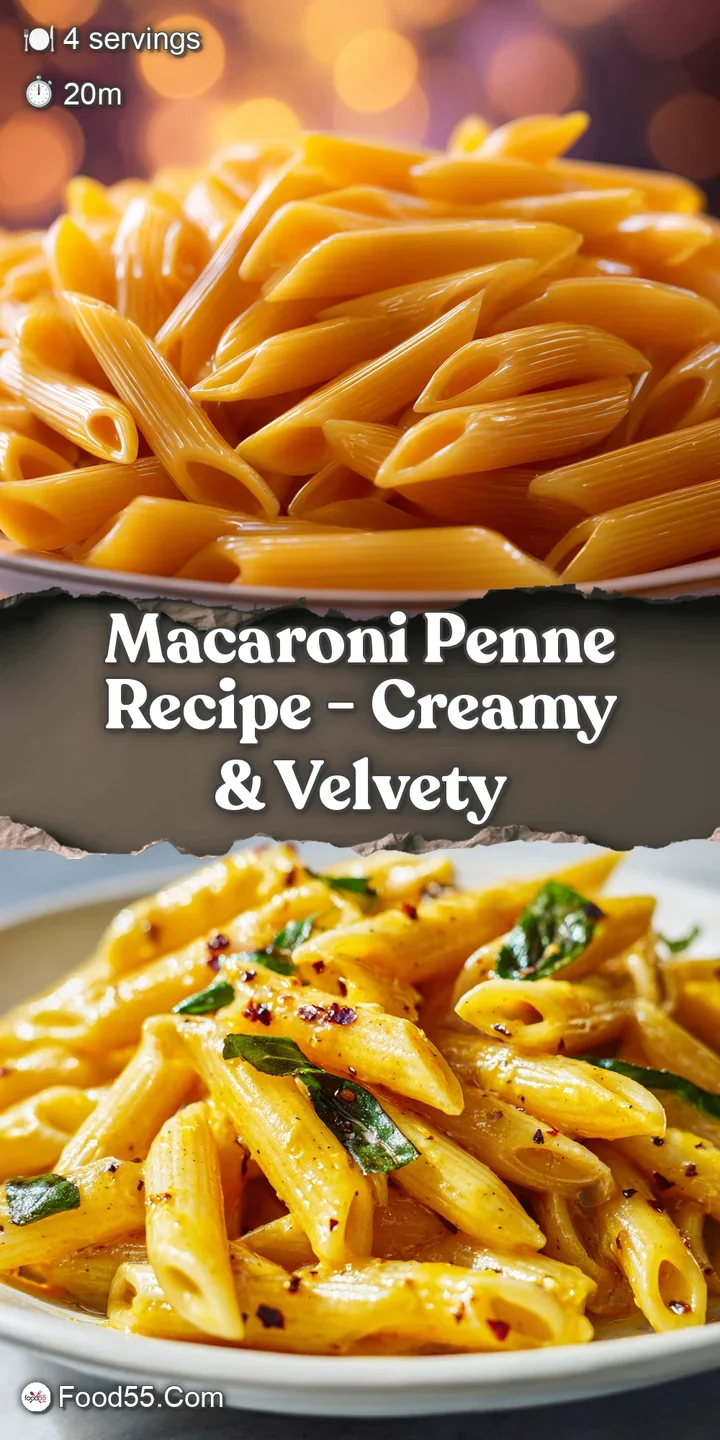
Presentation isn't just about making things look "perfect", it's about the joy of serving something that looks as good as it tastes. For this homemade penne pasta recipe, I love using a wide, shallow bowl rather than a deep one.
This allows the pasta to spread out, showing off the glossy sauce and the flecks of smoked paprika and parsley.
Before bringing the dish to the table, give it one final crack of black pepper. The contrast of the dark pepper against the pale orange sauce makes it pop. If you're feeling fancy, a few extra shavings of Parmigiano Reggiano on top adds a layer of texture that feels very high end.
For a lighter, more herb forward version of a creamy pasta, you might also enjoy the vibe of this Dreamy Penne Pasta recipe, which focuses on the simplicity of the Italian tradition. Whichever way you serve it, the goal is always the same: good food, great company, and a clean plate at the end of the night.
Myths About Cooking Pasta and Cheese
Myth 1: Rinsing pasta after boiling helps the sauce stick. Actually, rinsing removes the surface starch that is essential for the sauce to cling to the noodles. Keep that starch on the pasta for the best macaroni penne recipe results.
Myth 2: Adding oil to the pasta water prevents sticking. Oil just floats on top of the water and then coats the pasta as you drain it, making it too slippery for the sauce to grab onto. Just use a large pot of water and stir occasionally to prevent sticking.
Myth 3: You must boil the sauce to thicken it. Boiling a cheese sauce often causes the proteins in the cheese to tighten and separate from the fat, resulting in a grainy texture. Thickening should happen through reduction of the cream and the addition of the cheese over low heat.
High in Sodium
895 mg of sodium per serving (39% of daily value)
The American Heart Association recommends limiting sodium intake to about 2,300mg per day for adults.
Tips to Reduce Sodium in Your Penne Alfredo:
-
Reduce Cheese Sodium-20%
Use low-sodium or reduced fat cheddar cheese. This swap can significantly reduce sodium without sacrificing flavor and texture.
-
Cut Back Sea Salt-15%
Reducing the amount of sea salt used by half will considerably lower sodium content. Start with 1 tablespoon and adjust to taste later.
-
Skip the Salt-25%
Omit the 2 tbsp of sea salt when cooking the pasta, and omit the reserved pasta water in the sauce. This will significantly reduce the overall sodium in the recipe.
-
Unsalted Butter is Key
Continue using unsalted butter. Salted butter would add an unnecessary dose of sodium, increasing the total sodium content.
-
Spice It Up!
Enhance flavor with fresh herbs like basil, oregano, or thyme. Experiment with different combinations for a delicious sodium free alternative.
-
Garlic Powder Boost
Consider adding a dash of garlic powder along with the minced fresh garlic to enhance flavor without adding sodium.
Macaroni Penne Recipe FAQs
What is the best type of penne to use for this recipe?
Penne rigate is ideal. The ridges (rigate) on its surface are crucial for trapping and holding onto the creamy sauce, ensuring a flavorful bite with every forkful.
How do I prevent my cheese sauce from becoming grainy or oily?
Keep the heat low and use block cheese. Grate cheese yourself; pre-shredded varieties contain anti caking agents that can cause separation. Melting cheese over low heat prevents the proteins from tightening and splitting from the fat.
Can I make this macaroni penne recipe ahead of time?
Yes, but reheat carefully. Store leftovers in an airtight container for up to 4 days. To reheat, gently warm in a skillet over low heat with a splash of milk or water to loosen the sauce and restore its velvety texture.
What's the secret to a silky smooth sauce?
Reserved pasta water is key. The starchy water acts as a natural emulsifier, binding the fat from the cream and cheese to create a cohesive, luxurious sauce that coats the penne perfectly. If you mastered this emulsification technique here, see how it applies to our Alfredo Sauce Recipe Easy The Best Silky, Restaurant Style.
Why is my sauce too thick or drying out quickly?
The pasta continues to absorb liquid. Even after cooking, the penne will soak up moisture. If the sauce is too thick, stir in a tablespoon of milk or reserved pasta water while gently reheating to rehydrate the sauce.
How do I fix a cheese sauce that has separated and looks oily?
Take it off the heat and whisk. Remove the pan from the heat and add a tablespoon of room temperature heavy cream or a splash of pasta water. Whisking gently can often help re-emulsify the sauce and restore its smooth appearance.
Can I add vegetables or protein to this penne dish?
Absolutely, it's a versatile base. Sautéed mushrooms or spinach can be stirred in at the end, or cooked chicken or shrimp can be added for a heartier meal. If you're looking for a similar one-pot comfort dish, consider our One Pot Spaghetti and Meat Sauce: Velvety Finish.
Macaroni Penne Recipe
Ingredients:
Instructions:
Nutrition Facts:
| Calories | 1109 kcal |
|---|---|
| Protein | 35.5 g |
| Fat | 68.2 g |
| Carbs | 88.4 g |
| Fiber | 3.6 g |
| Sugar | 3.1 g |
| Sodium | 895 mg |
