Mahogany Bourbon Glazed Salmon
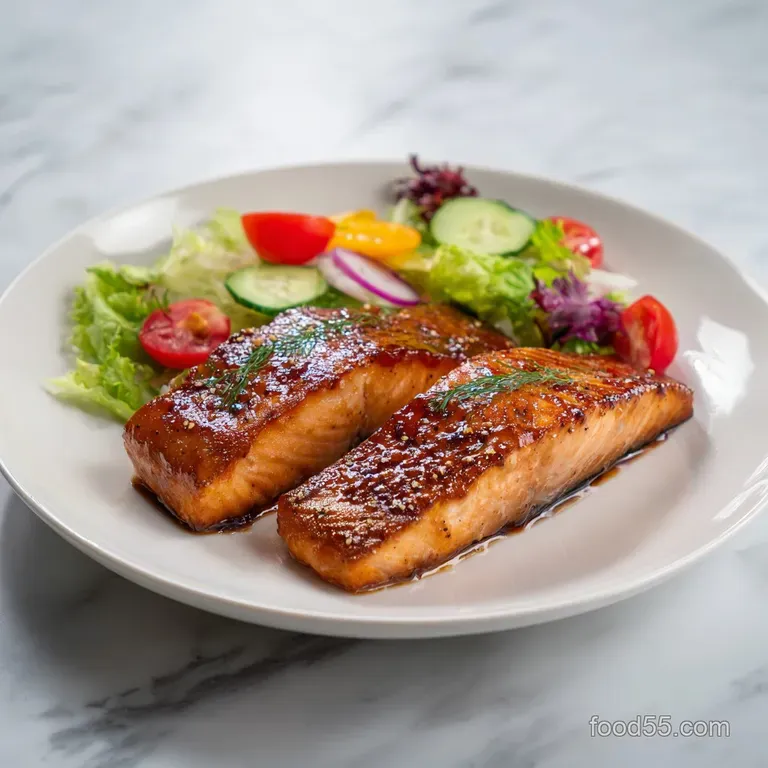
- Time: Active 10 minutes, Passive 10 minutes, Total 20 minutes
- Flavor/Texture Hook: A shatter crisp skin against a velvety, bourbon infused lacquer.
- Perfect for: A weeknight date night or an impressive, stress free dinner party.
- Creating the Perfect Salmon with Bourbon Glaze
- The Science of Sticky Success
- Ingredient Deep Dive
- Everything You Need to Start
- Tools for the Job
- Step-by-Step to Golden Crust
- Mastering the Perfect Pan Sear
- Smart Swaps and New Flavors
- Debunking Cooking Lore
- Keeping Your Leftovers Fresh
- What to Serve on Side
- Recipe FAQs
- 📝 Recipe Card
Creating the Perfect Salmon with Bourbon Glaze
Forget everything you have heard about "gastriques" and high end restaurant reductions being impossible for the home cook. The biggest myth in the kitchen is that you need a culinary degree to achieve that thick, glossy lacquer that clings to a piece of fish without sliding off.
I used to think the same thing, staring at watery sauces in my pan and wondering why they didn't look like the photos in magazines. The truth is, you don't need a professional kitchen; you just need to understand how sugar and alcohol play together over a flame.
When that cold salmon hits the shimmering oil in a heavy skillet, the sizzle is immediate and sharp. Then comes the aroma of the glaze the deep, oaky notes of the bourbon mingling with the sharp zing of fresh ginger and the sweetness of dark brown sugar.
It’s a sensory experience that fills the house and brings everyone to the table before the timer even goes off. We are going for a dish that celebrates the contrast between the rich, fatty flakes of the fish and the bright, punchy intensity of the sauce.
This isn't just a meal; it's a way to bring people together through a shared appreciation for bold flavors. I’ve served this at small gatherings where the conversation stopped the moment the first person took a bite.
There is something about the way the lime juice cuts through the honey and bourbon that feels like a discovery every single time. It's convivial, it's elegant, and honestly, it’s one of those recipes that makes you feel like a total pro without the stress.
The Science of Sticky Success
To get that specific texture we want, we have to look at how the components of our sauce interact during the reduction process. It’s not just about heating things up; it’s about managing the evaporation of water to concentrate the solids.
- Alcohol as a Flavor Carrier: Bourbon contains molecules that bond with both fat and water, helping to bridge the gap between the fatty salmon and the water based glaze.
- Starch and Sugar Polymerization: As the dark brown sugar and honey heat up, they undergo a transformation where they become more viscous, creating that "syrupy" feel that coats the back of a spoon.
- The Role of Acid: The lime juice doesn't just add flavor; it helps break down complex sugars, which prevents the glaze from becoming grainy or "crystallized" as it cools.
- Surface Moisture Control: Patting the fish dry is the most critical step because any surface water will turn into steam, preventing the proteins from forming a crisp, golden crust.
| Method | Time | Texture | Best For |
|---|---|---|---|
| Stovetop Sear | 10 minutes | Maximum crisp skin | Quick weeknight meals |
| Sear to Broil | 11 minutes | Thick, tacky lacquer | Impressing guests |
| Cast Iron Only | 10 minutes | Even, deep browning | Developing complex flavor |
The difference between a "good" glaze and a "flawless" one often comes down to the temperature of the pan before the fish ever touches it. If the oil isn't shimmering, the skin will stick, and you'll lose that beautiful texture we're working so hard to build.
Ingredient Deep Dive
Before we start cooking, let's look at why these specific elements are on the counter. Every piece of this puzzle has a job to do in terms of texture and balance.
| Ingredient | Science Role | Pro Secret |
|---|---|---|
| Bourbon | Solvent / Flavor | Use a high rye bourbon for a spicier, more complex kick. |
| Dark Brown Sugar | Humectant / Color | The molasses content helps the glaze darken without burning as quickly as white sugar. |
| Fresh Ginger | Aromatic Sharpness | Grate it directly over the pot to catch all the essential oils and juices. |
| Salmon Fillets | Protein Base | Choose skin on fillets to protect the flesh from drying out during the sear. |
I've tried making this with light brown sugar, and while it works, you lose that deep, earthy undertone that only molasses can provide. If you want to explore other seafood techniques, you might find my Salmon Piccata recipe helpful for a completely different flavor profile.
Everything You Need to Start
Having your ingredients prepped and ready is half the battle. This recipe moves fast once the pan is hot, so don't be the person peeling garlic while the salmon is already searing.
- 4 (170g) Salmon fillets: Keep the skin on; it acts as a heat shield and provides a great texture contrast.
- 15ml Neutral oil: Use something with a high smoke point like grapeseed or avocado oil.
- 3g Kosher salt: Essential for drawing out a bit of surface moisture and seasoning the protein.
- 1g Coarsely cracked black pepper: Adds a bite that works beautifully with the bourbon.
- 60ml Bourbon: Doesn't have to be top shelf, but don't use something you wouldn't drink.
- 50g Dark brown sugar: Packed tightly into the measuring cup for the right ratio.
- 30ml Low sodium soy sauce: Provides the salt and umami without being overwhelming.
- 15ml Honey: Why this? Adds a different kind of floral sweetness and extra "stickiness" to the finish.
- 15ml Fresh lime juice: Why this? The acidity is mandatory to balance the heavy sugars and fat of the fish.
- 5g Fresh ginger: Finely grated so it melts into the sauce.
- 2 cloves Garlic: Minced as fine as possible to avoid bitter burnt chunks in the pan.
- 1g Red pepper flakes: Just enough for a back of-the throat warmth.
Tools for the Job
You don't need a lot of gear, but the quality of your pan matters here. A heavy bottomed skillet is your best friend because it holds heat consistently, which is what we need for that golden sear.
- Cast Iron Skillet: Like a Lodge 12 inch, this is the gold standard for getting that crispy skin.
- Small Saucepan: For reducing the glaze without it spreading too thin and burning.
- Fish Spatula: Its flexible, thin edge lets you get under the delicate skin without tearing it.
- Microplane: The best way to get that ginger and garlic into a paste like consistency.
- Pastry Brush: For painting that liquid gold onto the fish in the final minutes.
step-by-step to Golden Crust
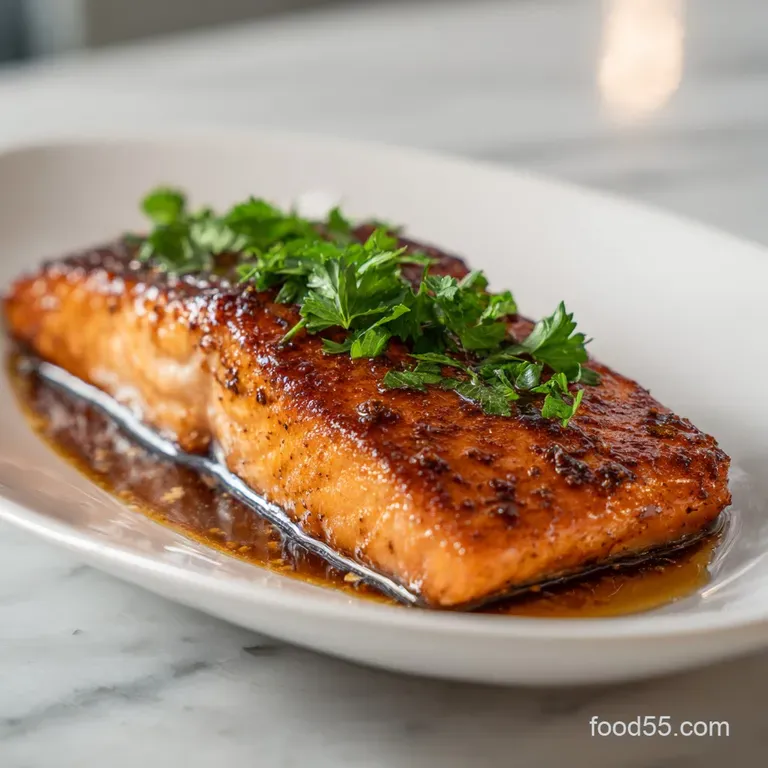
Right then, let's get into the actual cooking. Follow these steps closely, especially the cues for what you should be seeing and hearing in the pan.
- Remove the salmon from the fridge 15 minutes before you plan to cook. Note: This takes the chill off and ensures the middle cooks at the same rate as the outside.
- Pat the skin and the flesh side of the salmon completely dry with paper towels. Wait until the paper comes away bone dry.
- Season every side of the fillets generously with the kosher salt and the cracked black pepper.
- In your small saucepan, whisk the bourbon, dark brown sugar, soy sauce, honey, lime juice, ginger, garlic, and red pepper flakes.
- Bring this mixture to a simmer over medium heat and cook for 5 to 7 minutes until the liquid is thick enough to coat a spoon.
- Heat the 15ml of neutral oil in your heavy skillet over medium high heat until you see a light shimmer on the surface.
- Place the salmon fillets in the pan, skin side down, and sear for 3 to 4 minutes. You should hear a constant, lively sizzle.
- Flip the fillets and cook for another 3 to 4 minutes. During the last 2 minutes, brush that thick bourbon glaze all over the top.
- Optional: Slide the whole pan under the broiler for 60 seconds until the glaze is bubbling and looks like a shiny lacquer.
- Remove the salmon when the internal temperature hits 57°C. The center should still be slightly translucent and flaky.
Mastering the Perfect Pan Sear
The transition from a raw fillet to a perfectly cooked piece of fish happens quickly. Most people overthink the flip, but the salmon will actually tell you when it's ready to move.
Why Your Glaze Stays Glossy
The secret is the honey and the brown sugar working together. Honey is an invert sugar, which means it helps prevent the other sugars from crystallizing. This keeps the glaze smooth and velvety rather than gritty.
If you notice the sauce is getting too thick in the saucepan, just add a teaspoon of water to loosen it back up before brushing it on the fish.
Managing the Heat
If your pan starts to smoke excessively, your heat is too high. You want a shimmer, not a fire. Cast iron holds a lot of energy, so once it's hot, you can often turn the burner down slightly to medium and still maintain a great sear.
If the sugar in the glaze starts to smell like it's burning during those last two minutes, pull the pan off the heat immediately; the residual heat will finish the job.
| Problem | Root Cause | Solution |
|---|---|---|
| Skin sticks to pan | Pan wasn't hot enough | Wait for the oil to shimmer before adding fish. |
| Glaze is too thin | Not enough reduction time | Simmer for an extra 2 minutes until it looks like maple syrup. |
| Fish is dry/tough | Internal temp too high | Pull the fish at 57°C (135°F) and let it rest. |
Checking the doneness is easier than you think. You can use a thermometer, but you can also look at the side of the fillet. When the opaque, cooked color reaches about halfway up the side, it's time to flip.
Common Mistakes Checklist
- ✓ Skipping the paper towel step (moisture is the enemy of a sear).
- ✓ Crowding the pan with too many fillets (this lowers the temp and steams the fish).
- ✓ Flipping the fish too early (it will release naturally when the crust is formed).
- ✓ Adding the glaze too early in the process (the high sugar content will burn).
- ✓ Forgetting to let the fish rest for 3 minutes after cooking.
Smart Swaps and New Flavors
Cooking is all about making a dish your own. While the classic bourbon version is my favorite, there are plenty of ways to pivot based on what you have in the pantry or your personal taste.
If you find yourself without bourbon, you can actually use a dark rum or even a smoky scotch for a completely different vibe. For a non alcoholic version, a mix of apple juice and a drop of liquid smoke can mimic some of those oaky notes, though the texture of the reduction will be slightly different. If you're looking for something with a bit more of a crunch, you might want to look at my crispy Southern Salmon Patties which use a completely different textural approach.
- Spicy Kick: Double the red pepper flakes or add a teaspoon of sriracha to the reduction.
- Maple Twist: Swap the honey for real grade A maple syrup for a woodier sweetness.
- Citrus Shift: Use orange juice instead of lime for a softer, more floral acidity.
Adjusting the Batch
When you are scaling this recipe down for two people, you can still make the full amount of glaze. It keeps well and is actually incredible on grilled chicken or even roasted carrots. If you're scaling up for a crowd, work in batches for the searing part.
Never try to cram six fillets into one skillet; you'll end up with gray, boiled looking fish instead of that beautiful golden crust.
Debunking Cooking Lore
There are a few "rules" that people love to repeat that just aren't true when it comes to salmon. Let's clear those up so you can cook with confidence.
First, you don't need to "seal in the juices" by searing. Searing is about flavor and texture (the Maillard reaction), not about creating a waterproof barrier. Moisture will still escape, which is why we don't overcook it. Second, many people think you have to flip salmon multiple times. Please, just don't.
One flip is all you need for the best structural integrity of the fillet. Finally, the "white stuff" (albumin) that sometimes pushes out of the fish isn't a sign of bad fish; it's just protein being squeezed out as the muscle fibers contract.
If you see a lot of it, it usually means you've cooked it a bit too fast or too long.
Keeping Your Leftovers Fresh
If you happen to have leftovers, you're in luck because this fish makes for an incredible cold salad the next day. The glaze acts almost like a dressing as it chills.
Storage: Keep the cooked fillets in an airtight container in the fridge for up to 2 days. I don't recommend freezing cooked salmon as the texture becomes quite mushy upon thawing. However, you can freeze the raw fillets for up to 2 months if they are vacuum sealed.
Zero Waste: Don't throw away the salmon skin if you don't eat it with the meal! You can crisp it up in a dry pan until it's like a chip and use it as a garnish or a snack. Any extra glaze can be drizzled over steamed broccoli or used as a base for a stir fry sauce the next night.
What to Serve on Side
This dish is quite rich and bold, so you want sides that can either stand up to the flavor or provide a clean, refreshing break. A simple bed of jasmine rice is a classic for a reason it soaks up all that extra bourbon glaze and provides a neutral base.
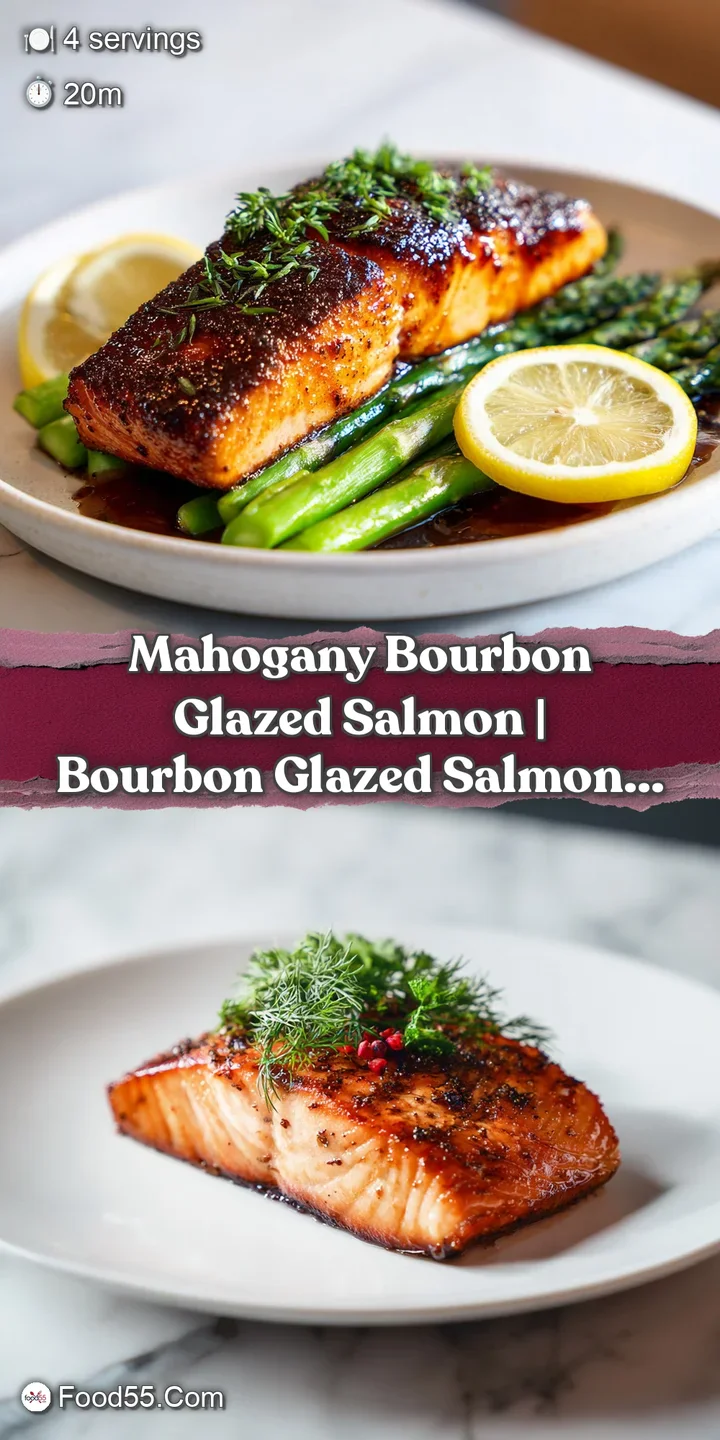
I personally love serving this with some charred asparagus or a bright cucumber salad with a bit of rice vinegar. The coolness of the cucumbers works so well against the warmth of the ginger and bourbon.
If you're feeling adventurous, a creamy polenta is another fantastic option that complements the velvety texture of the fish. No matter what you choose, keep it simple. The salmon is the star of this show, and you want to give it the space to shine.
We've covered the science, the steps, and the little tricks that make this dish a success. Now, it's your turn to get that skillet hot and start cooking. There’s a certain joy in mastering a recipe like this it's about more than just the food; it's about the confidence you build and the connections you make around the table.
Enjoy the sizzle, the smell, and most importantly, that first incredible bite.
Recipe FAQs
Why is my salmon steaming instead of developing a crust?
You likely skipped the paper towel drying step. Moisture on the surface creates steam, which prevents the fish from browning; ensure the flesh and skin are bone dry before the fillets hit the hot oil.
How to know when to flip the salmon?
Wait until the salmon releases naturally from the pan. If you encounter resistance when you attempt to flip, the crust has not yet fully formed, so give it another 30 seconds before trying again.
Is it true I can add the bourbon glaze at the very beginning of cooking?
No, this is a common misconception. Because the glaze contains dark brown sugar and honey, it will burn if exposed to high heat for too long; always brush it on during the final 2 minutes of cooking.
How to achieve the perfect internal doneness?
Target an internal temperature of 135°F (57°C) for medium rare. If you enjoyed mastering the sensory cues for searing here, you can apply the same principle of temperature precision to our Roast Partridge to ensure the meat stays succulent.
How to prepare the glaze to the right consistency?
Simmer the mixture for 5-7 minutes over medium heat. You are looking for the liquid to reduce by half until it develops a syrupy, gastrique style consistency that coats the back of a spoon.
Should I cook the salmon straight from the refrigerator?
No, let it sit for 15 minutes first. Removing the chill ensures the center of the fillet cooks at the same rate as the exterior, preventing an overcooked crust with a raw interior.
How to get a sticky, caramelized finish on the glaze?
Place the skillet under a broiler for 1 minute after glazing. This short burst of high, direct heat caramelizes the sugars into a sticky lacquer without drying out the fish.
Mahogany Bourbon Glazed Salmon
Ingredients:
Instructions:
Nutrition Facts:
| Calories | 487 kcal |
|---|---|
| Protein | 35 g |
| Fat | 26 g |
| Carbs | 18 g |
| Fiber | 0.2 g |
| Sugar | 16 g |
| Sodium | 745 mg |
