Mango Sticky Rice with Coconut Glaze
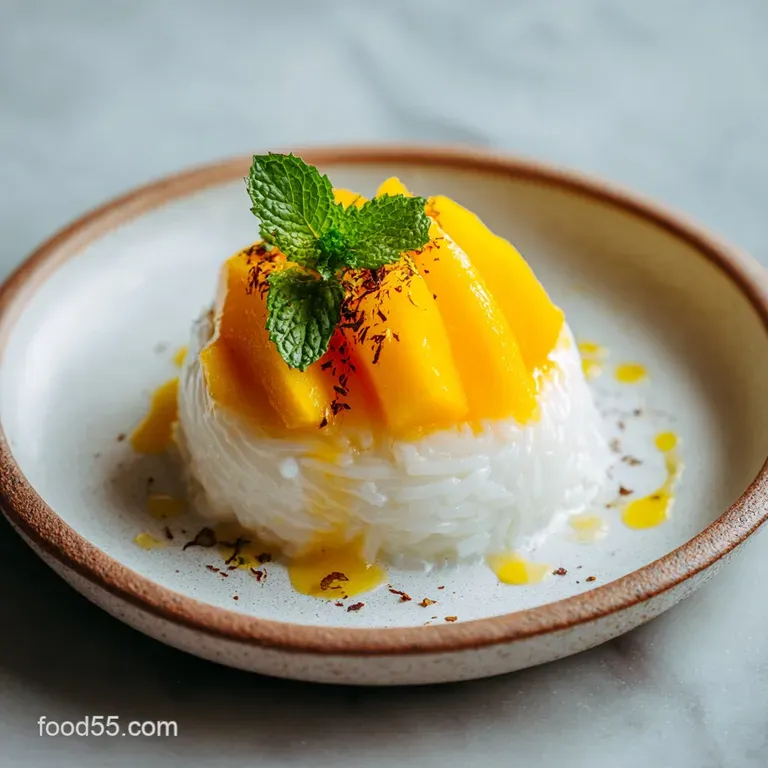
- Time: Active 30 minutes, Passive 4 hours 20 minutes, Total 4 hours 50 minutes
- Flavor/Texture Hook: Chewy, opal like rice grains coated in a lush, salty sweet coconut glaze with floral mango.
- Perfect for: High end dinner parties, modern dessert spreads, or a weekend project for the culinary artist.
- Designing the Ultimate Mango Sticky Rice
- Why This Culinary Fusion Works
- Essential Composition and Science Specs
- Gathering Your Modern Elements
- Tools for Artistic Precision
- Executing the Masterpiece Sequence
- Resolving Structural Imperfections
- Innovative Flavor Variations
- Preservation and Sustainability Guidelines
- Curating the Final Presentation
- Recipe FAQs
- 📝 Recipe Card
Designing the Ultimate Mango Sticky Rice
The first time I attempted this, I ended up with a gray, gelatinous puddle that looked more like wallpaper paste than a vibrant Thai dessert. I'd used regular long grain rice, skipped the soak, and boiled the coconut milk into a split, oily mess.
But then, I stood in a humid kitchen in Bangkok, watching a street vendor handle rice like it was precious jewelry. The aroma was intoxicating a mix of toasted mung beans and the sweet, grassy scent of pandanus leaves. That’s when it clicked: this isn't just "cooking rice," it's an architectural build.
We're after that specific textural tension where each grain is distinct yet held together by a glossy, velvety sheen. To get there, we have to respect the starch. You’ll see the rice transform from matte white to a translucent, opal like glow.
It’s about the contrast between the warmth of the grains and the chilled, floral brightness of the fruit. Trust me, once you nail the hydration levels, you'll never settle for the soggy versions again.
This version is all about modern precision. We aren't just following a tradition; we're applying contemporary techniques to ensure the coconut fats stay emulsified and the rice retains its bite. It’s a dish that demands patience during the soak but rewards you with a clean, sophisticated finish.
Let's get into the mechanics of how we make this look and taste like a gallery piece.
Why This Culinary Fusion Works
The success of this dish relies on a few fundamental scientific interactions that turn simple ingredients into a complex sensory experience.
- Amylopectin Dominance: Long grain sticky rice is nearly 100% amylopectin, which creates the characteristic "chew" without the "mush" of standard rice.
- Starch Retrogradation: Cooling the steamed rice slightly before adding the warm syrup allows the grains to firm up, preventing them from dissolving into a paste.
- The Osmotic Steep: By using a concentrated sugar salt coconut solution, we force flavor into the center of the grain through osmotic pressure.
- Lipid Emulsification: Stabilizing the coconut milk with a tiny amount of rice flour in the glaze prevents the fats from separating under heat.
| Method | Time | Texture | Best For |
|---|---|---|---|
| Stovetop Steamer | 20 mins | Distinct, chewy grains | Professional, clean presentation |
| Oven (Bake) | 35 mins | Softer, unified mass | Casual family style or large batches |
| Pressure Cooker | 15 mins | Very soft, slightly sticky | Quick cravings; loses grain definition |
When deciding on your method, consider the final aesthetic you want to achieve. For the polished, restaurant level finish we're going for today, the stovetop steamer is the only way to ensure each grain remains a separate, shining entity. If you're looking for a warm, creamy alternative for a rainy day, our Rice Pudding recipe uses similar dairy-free techniques but with a much softer, more integrated grain structure.
Essential Composition and Science Specs
Understanding the "why" behind your components is the difference between a cook and an artist. We select these elements specifically for their chemical contributions to the final structure.
| Ingredient | Science Role | Pro Secret |
|---|---|---|
| Thai Sweet Rice | High Amylopectin starch | Soak for at least 4 hours to hydrate the core without overcooking the exterior. |
| Full fat Coconut Milk | Lipid based mouthfeel | Use canned milk for consistent fat content; avoid the refrigerated cartons used for coffee. |
| Pandanus Leaf | Aromatic infusion | Bruise the leaf before knotting it to release the essential oils into the steam. |
| Mung Beans | Textural counterpoint | Toast them twice: once to dry and once with a touch of oil for a "shatter" crunch. |
Each element plays a part in the overall balance. For instance, the salt isn't just a seasoning; it’s a flavor amplifier that cuts through the heavy fats of the coconut milk. This sweet treat follows a spicy meal perfectly, like my Spicy Jerk Shrimp recipe, where the cooling coconut provides an immediate reset for the palate.
Gathering Your Modern Elements
Precision starts with the right materials. Use a kitchen scale for the rice and sugar if you can, as volume measurements for grains vary wildly.
- 1.5 cups (300g) Thai Sweet Rice (Glutinous)
- 1 cup (240ml) full fat canned coconut milk
- 0.5 cup (100g) granulated sugar
- 0.75 tsp fine sea salt
- 1 pandanus leaf, knotted Why this? Adds a vanilla nutty aroma that is essential for authentic depth.
- 0.5 cup (120ml) full fat coconut milk (for glaze)
- 1 tbsp granulated sugar (for glaze)
- 0.25 tsp salt (for glaze)
- 1 tsp rice flour Why this? Thickens the glaze without making it gummy like cornstarch.
- 1 tsp water
- 2 large ripe mangos, sliced
- 1 tbsp toasted mung beans
| Original Ingredient | Substitute | Why It Works |
|---|---|---|
| Thai Sweet Rice | Black Glutinous Rice | Higher fiber and a deep nutty flavor; needs 12 hours of soaking. |
| Pandanus Leaf | Vanilla Bean | Provides the same floral aromatics, though lacks the grassy "green" notes. |
| Toasted Mung Beans | Toasted Sesame Seeds | Similar crunch and nuttiness, though less "shatter" than the beans. |
Tools for Artistic Precision
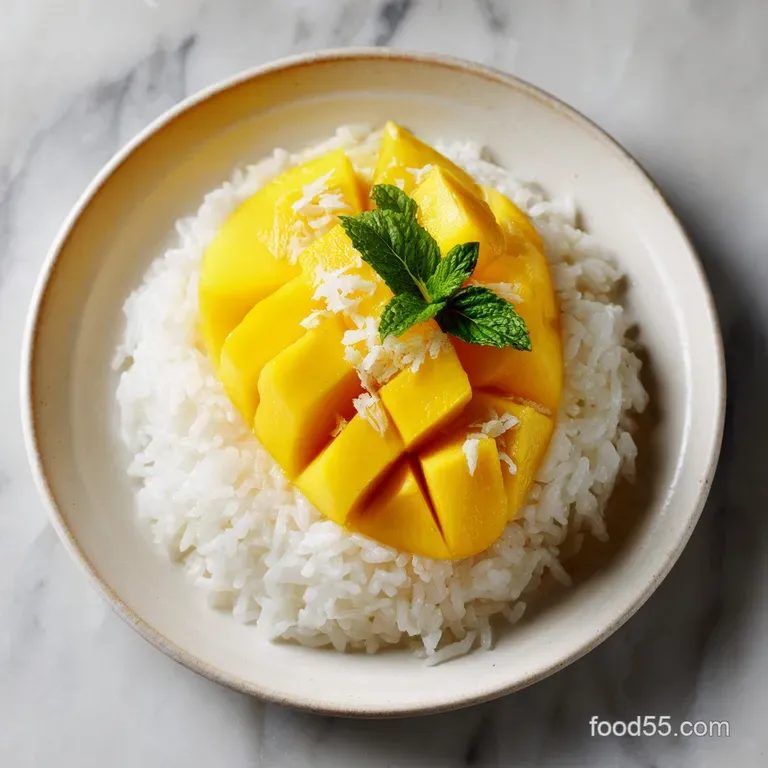
You don't need a high tech lab, but a few specific tools will make the process seamless. A bamboo steamer is classic, but a metal steamer insert works just as well.
- Fine Mesh Sieve: Essential for rinsing the rice until the water runs clear. If the water is cloudy, the rice will be gummy.
- Cheesecloth or Muslin: This prevents the grains from falling through the steamer holes and allows for easy flipping.
- Heavy bottomed Saucepan: For the coconut syrup; it prevents the sugar from scorching.
- Silicone Spatula: Best for folding the rice into the syrup without crushing the delicate grains.
Chef's Note: If you don't have a steamer, you can rig one using a colander over a pot of boiling water. Just ensure the lid fits tightly to trap the steam effectively.
Executing the Masterpiece Sequence
Follow these steps with focus. The transition between steaming and soaking the rice in the syrup is the most critical window.
- Rinse the rice. Place 1.5 cups Thai Sweet Rice in a bowl and wash 5-6 times until the water is crystal clear. Note: This removes excess surface starch that causes clumping.
- Hydrate the grains. Cover with at least 3 inches of water and soak for at least 4 hours. Note: Overnight is even better for a uniform texture.
- Prepare the steamer. Line your steamer with damp cheesecloth and spread the drained rice in an even layer.
- Steam the rice. Steam for 20 minutes until the grains look translucent and feel tender but chewy.
- Simmer the infusion. While steaming, combine 1 cup coconut milk, 0.5 cup sugar, 0.75 tsp salt, and the pandanus leaf in a pan. Warm over medium heat until the sugar dissolves completely.
- Merge the components. Transfer the hot rice into a bowl and pour the warm coconut infusion over it. Fold gently.
- Rest and absorb. Cover the bowl with a plate and let it sit for 20 minutes. Note: The rice will look like it's swimming in liquid, but it will absorb everything.
- Create the glaze. Mix 0.5 cup coconut milk, 1 tbsp sugar, and 0.25 tsp salt in a small pan. Whisk the rice flour and water, then add to the pan. Simmer until the sauce coats the back of a spoon.
- Prepare the fruit. Slice the mangos into thin, elegant planks or use a ring mold for the rice for a polished look.
- Final assembly. Plate a portion of rice, drizzle with the thickened glaze, and top with toasted mung beans.
Resolving Structural Imperfections
Even with careful planning, variables like humidity or rice age can affect the outcome. Don't panic; most issues are fixable.
Rice is Hard or Grainy
This usually happens if the rice wasn't soaked long enough or the steam escaped the pot. The center of the grain remains dehydrated and chalky.
Mushy or Smashed Rice
If you over stir the rice while it's absorbing the coconut milk, you'll break the grains. The result is a texture more like porridge than a structured dessert.
Coconut Sauce Separates
If the coconut milk is boiled too vigorously, the oil will separate from the solids, creating a greasy film. This is why we keep the heat at a gentle simmer.
| Problem | Root Cause | Solution |
|---|---|---|
| Dull, matte rice | Not enough sugar/syrup | Add a tablespoon of warm coconut milk mixed with a little honey. |
| Excessive saltiness | Measurement error | Balance with a squeeze of lime juice over the mango. |
| Liquid at bottom of bowl | Incomplete absorption | Let it rest covered for an additional 10 minutes in a warm spot. |
Common Mistakes Checklist
- ✓ Always use "Glutinous" or "Sweet" rice; jasmine or basmati will never work for this texture.
- ✓ Do not skip the rinse; those extra 2 minutes prevent a gluey disaster.
- ✓ Keep the lid on the steamer tight; steam loss leads to unevenly cooked, hard grains.
- ✓ Fold the rice with a "cutting" motion rather than stirring to keep grains intact.
- ✓ Ensure the coconut syrup is warm when it hits the hot rice for maximum absorption.
Innovative Flavor Variations
While the classic is iconic, the architectural nature of this dish allows for beautiful fusions.
The Black Rice Twist
Using Thai Black Glutinous rice adds a dramatic purple hue and a deep, toasted nut flavor. You'll need to soak this for 12 hours and increase the steaming time to 35 minutes. It pairs beautifully with a salted palm sugar caramel instead of the standard white glaze.
The Vegan Swap
This dish is naturally vegan, but you can play with the fats. Replacing half the coconut milk with cashew cream creates a denser, more buttery mouthfeel that feels incredibly contemporary. Top it with toasted coconut flakes instead of mung beans for a monochromatic look.
Preservation and Sustainability Guidelines
Mango Sticky Rice is best enjoyed within 2 hours of making it. Because of the high starch and fat content, the texture changes rapidly as it cools.
- Storage: Keep at room temperature for up to 4 hours. If you must refrigerate, store in an airtight container for up to 2 days.
- Reheating: Cold rice turns hard as a rock. Re steam it for 5 minutes or microwave with a damp paper towel on top to restore the chew.
- Zero Waste: If you have leftover mango skins or pits, simmer them with a bit of water and sugar to make a mango syrup for cocktails. Any leftover "hard" rice can be fried in a pan with a little oil to make crispy rice cakes.
Curating the Final Presentation
As a culinary artist, the plating is where you bring the vision to life. The contrast between the stark white rice and the vibrant orange mango is your canvas.
| Level | Plating Tweak | Texture Focus |
|---|---|---|
| Simple | Casual scoop with side mango slices | Comfort and abundance |
| Polished | Ring molded rice with fanned mango | Precision and clean lines |
| Restaurant | Rice "quenelle" with mango rose and foam | Artistic abstraction |
Plating Decision Shortcut If you want a rustic feel, serve in a coconut shell with heaps of mung beans. If you want modern elegance, use a wide, flat matte black plate to make the colors pop. If you want to impress, top with a few micro mint leaves and edible gold leaf for a "fusion" finish.
The "Physics of the Soak" ensures that the moisture doesn't just sit on the surface; it penetrates the grain. This means even as it sits on the plate, it remains lush and velvety. When you take that first bite, you should experience the "shatter" of the mung beans followed by the "give" of the rice and the silky acidity of the mango.
It’s a complete sensory cycle. Enjoy the process the rhythm of the steam and the scent of the pandan are just as much a part of the experience as the eating itself. Keep experimenting with your plating; every bowl is a new chance to create something beautiful.
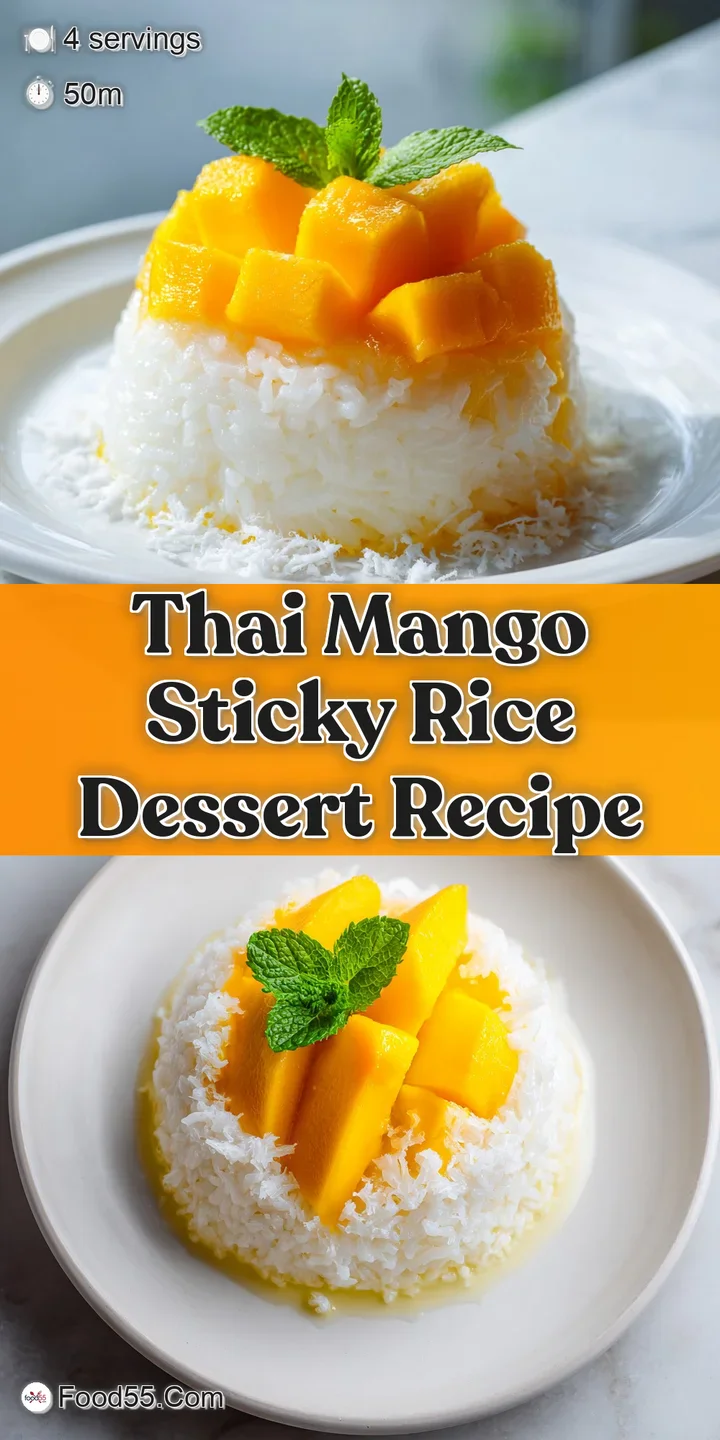
Recipe FAQs
What is special about mango sticky rice?
Its unique textural contrast is what sets it apart. The dish balances the warm, chewy stickiness of sweetened glutinous rice with cool, fresh, sweet mango and a rich, salty sweet coconut cream sauce. It's a complex interplay of temperature and texture.
What kind of rice is used for mango sticky rice?
Thai Sweet/Glutinous Rice (also called sticky rice) must be used. This variety is extremely high in amylopectin starch, which causes it to become sticky and cohesive when steamed, unlike standard Jasmine or Basmati rice. If you enjoyed mastering the texture control in this dish, see how that same principle of starch management works in our How to Make Sushi Rice: My Easy & Flavorful Sticky Rice Recipe.
What is the sauce with mango sticky rice?
The sauce is a creamy coconut glaze thickened slightly with rice flour. It’s traditionally made by simmering full fat coconut milk with sugar and a good pinch of salt to balance the sweetness. The salt is crucial for cutting through the richness of the coconut fat.
Is mango sticky rice healthy to eat?
No, it is definitely a dessert, not a health food. While it contains whole grain rice and fruit, it is very high in saturated fat and sugar from the copious amounts of coconut cream and added sugar used to sweeten the syrup. Enjoy it as an occasional treat.
How long should I soak the sticky rice before steaming?
Soak the rice for a minimum of 4 hours, but overnight is superior. This long hydration period ensures the starch granules fully absorb water, leading to grains that steam evenly through to the center without collapsing into mush. If you're interested in soaking techniques for savory applications, review the soaking times for beans in the Soy Sauce Ground recipe.
Can I substitute fresh mangoes with frozen ones?
No, stick with fresh for the best texture and presentation. Frozen mangoes release significant water when they thaw, which will dilute your perfectly prepared coconut rice and make the topping watery instead of firm and floral.
Is it true that I must use only medium heat for the coconut sauce?
Yes, you must maintain a gentle simmer to prevent fat separation. Boiling the coconut milk too vigorously will cause the natural fats to split from the water content, resulting in an oily, grainy sauce rather than a smooth, emulsified glaze.
The gentle heat ensures you maintain the velvety structure required for the glaze.
Mango Sticky Rice Dessert
Ingredients:
Instructions:
Nutrition Facts:
| Calories | 688 kcal |
|---|---|
| Protein | 9.3 g |
| Fat | 21.1 g |
| Carbs | 122.1 g |
| Fiber | 3.3 g |
| Sugar | 56.9 g |
| Sodium | 582 mg |
