Mediterranean Chickpea Salad: Fresh and Vibrant
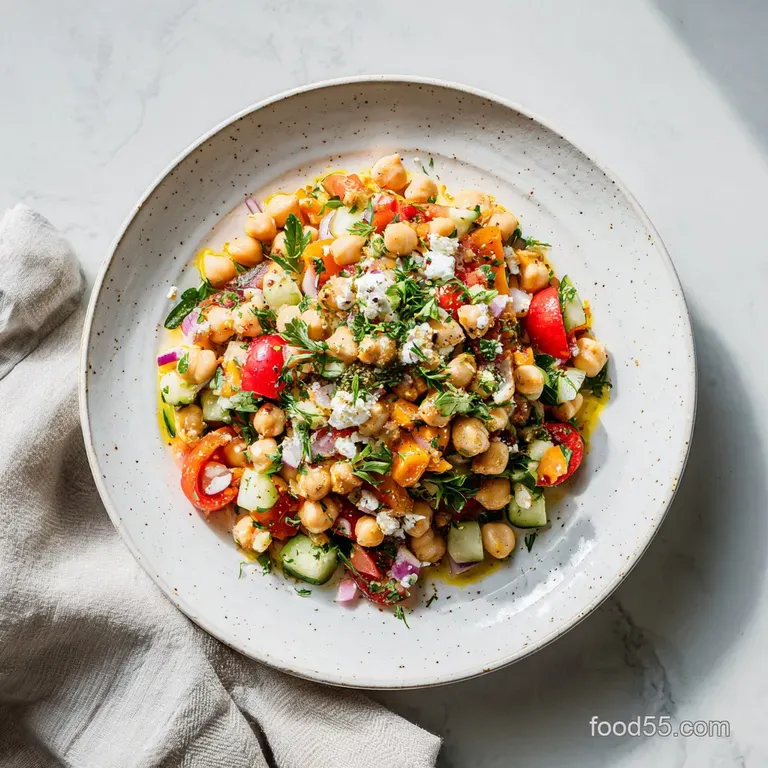
- Time: Active 15 minutes, Passive 0 minutes, Total 15 minutes
- Flavor/Texture Hook: A shatter crisp crunch from English cucumbers paired with velvety, brine soaked chickpeas.
- Perfect for: Seasonal gatherings, weekend meal prep, or a vibrant side for grilled proteins.
- The Vibrant Crunch of a Real Mediterranean Chickpea Salad
- The Secret to a Vivid and Structured Texture
- The Most Efficient Way to Prepare Your Salad
- Component Analysis of the Key Ingredients
- Selecting Your Vibrant Seasonal Elements
- Tools for an Efficient Kitchen Workflow
- Crafting the Salad with Precision
- Navigating Common Preparation Challenges
- Adapting for Specific Dietary Needs
- Guidelines for Storage and Waste Reduction
- Exploring Seasonal and Flavor Variations
- Adjusting for Larger or Smaller Crowds
- Recipe FAQs
- 📝 Recipe Card
The Vibrant Crunch of a Real Mediterranean Chickpea Salad
Close your eyes and imagine the sharp, zesty aroma of a freshly sliced lemon hitting a pile of hand torn parsley. There is a specific, high pitched crack when a cold English cucumber meets a sharp knife, a sound that promises instant refreshment.
I remember sitting at a small, sun drenched wooden table on the coast, watching a cook toss giant bowl of pulses and greens. The olive oil was so green it looked like liquid emeralds, and the feta was not those sad, dry crumbles from a plastic tub, but a creamy, tangy block that hummed with salt.
That experience changed how I view "simple" salads forever. This isn't just a side dish, it is a celebration of the season's most vibrant produce.
When we talk about a Mediterranean Chickpea Salad, we are really talking about the architecture of texture. You have the structural integrity of the chickpeas, which provide a toothsome, almost nutty foundation.
Then come the tomatoes, which should ideally be so ripe they practically pop when you bite into them, releasing a syrupy sweetness that cuts through the vinegar. The red onion provides a necessary bite, but we treat it with care so it doesn't overwhelm the delicate herbs.
It is a dish that feels alive, pulsing with the brightness of the Mediterranean sun and the earthy depth of good olive oil.
We are going to move away from the idea that a salad is just a pile of ingredients thrown together. This recipe is about the small, intentional choices that lead to a better result.
We are going to talk about why the order of operations matters, how to handle your vegetables to prevent that dreaded puddle of water at the bottom of the bowl, and how to make sure every single chickpea is saturated with flavor.
Whether you are serving this at a garden party or packing it for a week of lunches, these techniques will ensure your salad remains crisp and bold until the last bite.
The Secret to a Vivid and Structured Texture
The beauty of this dish lies in the interaction between salt, acid, and moisture. Most people struggle with salads becoming soggy within an hour, but we can avoid that through a bit of kitchen logic.
By understanding how the ingredients interact, we can maintain that distinct, shattered crisp texture even after the dressing has been applied.
- Osmotic Extraction: Salting the cucumber slices early draws out excess cellular water, ensuring the vegetable remains snappy and the dressing stays undiluted.
- Surface Tension & Absorption: Dressing the chickpeas while they are still slightly damp from rinsing allows the vinaigrette to cling better, while the porous nature of the legume helps the flavors penetrate the center.
- Emulsification Stability: Using Dijon mustard acts as a natural bridge between the oil and the vinegar, creating a velvety coating that doesn't slide off the vegetables.
- Aromatic Mellowing: Soaking the red onions in cold water neutralizes the harsh sulfur compounds, leaving behind a crisp sweetness that complements rather than competes with the herbs.
The Most Efficient Way to Prepare Your Salad
When you are planning a meal, knowing how to timing everything is essential. Whether you are cooking for a small family or a large group, these metrics will help you organize your kitchen workflow.
| Preparation Goal | Specific Metric | Timing / Adjustment | Visual or Sensory Cue |
|---|---|---|---|
| Quick Lunch | 1-2 people | Use 1 can chickpeas (15 oz) | Assembles in 5 minutes |
| Family Dinner | 6 people | Full recipe (30 oz chickpeas) | Fits in a large 4 liter bowl |
| Party Platter | 12 people | Double recipe (60 oz chickpeas) | Requires 2 large English cucumbers |
| Meal Prep | 4 servings | Store dressing separately | Stays crisp for 3 days |
Choosing the right approach depends on how much time you have. If you are in a rush, you might skip the onion soak, but if you want the most refined flavor, that extra five minutes is a game changer.
I personally find that making the full batch is always the smartest move, as the flavors only get better after a few hours in the fridge.
Component Analysis of the Key Ingredients
To understand why this Mediterranean Chickpea Salad feels so balanced, we have to look at the individual roles of our main components. Each one serves a specific purpose in the flavor profile.
| Component | Role in the Dish | Pro Secret |
|---|---|---|
| English Cucumber | Provides the primary "shatter" crunch and hydrating base. | Never peel them; the skin holds the structure and adds vibrant green color. |
| Canned Chickpeas | The protein rich, creamy heart of the salad. | Use a "vortex rinse" under cold water to remove all canning liquid for a cleaner taste. |
| Extra Virgin Olive Oil | The fatty vehicle that carries the oregano and garlic flavors. | Look for "cold pressed" oils with a peppery finish to cut through the feta's richness. |
| Feta Cheese | Adds a sharp, salty punch and a creamy mouthfeel. | Buy it in brine and crumble it yourself for a much softer, more luxurious texture. |
A quick note on the chickpeas: I always advocate for a thorough rinse. The liquid in the can, known as aquafaba, is great for baking but can have a metallic, starchy taste that dulls the brightness of a fresh salad. By rinsing them until the water runs clear, you create a blank canvas for our zesty lemon vinaigrette.
Selecting Your Vibrant Seasonal Elements
Choosing your ingredients is the most important part of the process. Since there is no cooking involved, the quality of your produce is what will make this dish stand out. Look for local ingredients whenever possible, especially during the height of summer.
- 30 oz canned chickpeas (approx. 850g): These are our base. If you prefer to cook from scratch, use about 3 cups of cooked chickpeas. Why this? Canned chickpeas are perfectly textured and consistently soft for immediate use.
- Substitute: Cannellini beans. They are creamier and softer, though they lack the same structural "pop."
- 1 lb English cucumber (approx. 450g): Also known as hothouse cucumbers, these have thinner skins and fewer seeds. Why this? They don't require peeling and won't turn your salad into a watery mess.
- Substitute: Persian cucumbers (use 4-5 small ones) for a similar crunch.
- 1 pint grape tomatoes (approx. 473ml): These offer a concentrated sweetness. Why this? Their thick skins prevent them from collapsing when tossed.
- Substitute: Cherry tomatoes or diced Roma tomatoes (seeded).
- 1 large bell pepper: Any color works, but yellow or orange adds a beautiful contrast. Why this? Adds a different kind of sweetness and a firm, snappy texture.
- Substitute: Roasted red peppers from a jar for a smoky, softer alternative.
- 0.5 small red onion: Finely diced to ensure you get a bit in every bite. Why this? Provides the essential sharp aromatic needed to balance the fat.
- Substitute: Shallots or chopped scallions for a much milder onion flavor.
- 0.5 cup Kalamata olives (approx. 120g): Pitted and halved. Why this? These add a deep, umami rich brininess that green olives can't match.
- Substitute: Castelvetrano olives for a buttery, less salty profile.
- 0.5 cup fresh flat leaf parsley: Finely chopped. Why this? Adds a clean, grassy finish that lifts the entire dish.
- Substitute: Fresh mint or cilantro, depending on the flavor profile you want.
- 4 oz feta cheese (approx. 115g): high-quality sheep's milk feta is best. Why this? It provides the creamy, salty "high notes" of the dish.
- Substitute: Halloumi (cubed) or a vegan almond based feta.
- The Vinaigrette Ingredients: 0.25 cup extra virgin olive oil, 3 tbsp fresh lemon juice, 1 tbsp red wine vinegar, 1 clove garlic (minced), 1 tsp dried oregano, 0.5 tsp sea salt, 0.25 tsp black pepper, and 0.5 tsp Dijon mustard.
For another refreshing option that focuses on seasonal produce, you might enjoy this Sunshine Chickpea Salad, which uses similar ingredients but with a slightly different citrus balance.
Tools for an Efficient Kitchen Workflow
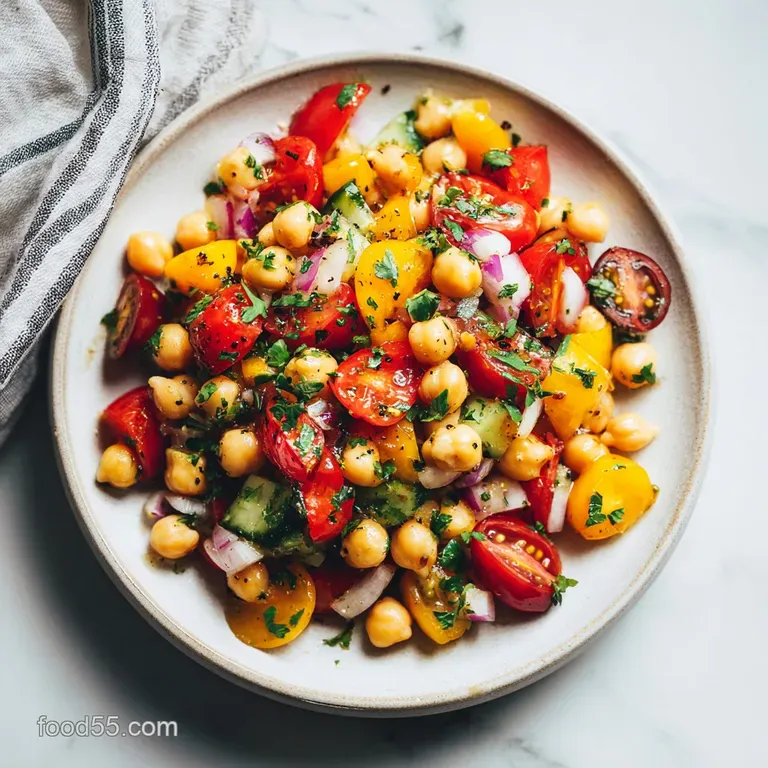
You don't need a lot of high tech gear for this, but having the right basics makes the prep feel like a breeze rather than a chore.
- A Sharp Chef's Knife: Essential for those clean, uniform dicing cuts. A dull knife will bruise the parsley and squash the tomatoes.
- Large Mixing Bowl: You need more room than you think to toss everything without spilling over the sides.
- Small Mason Jar: My favorite tool for making dressings. You can just throw everything in and shake it until it's perfectly emulsified.
- Colander: For rinsing the chickpeas and draining the moisture wicked cucumbers.
- Measuring Spoons and Cups: To keep the vinaigrette ratios consistent.
Crafting the Salad with Precision
Follow these steps carefully to ensure your Mediterranean Chickpea Salad has the perfect balance of texture and flavor. The key is in the preparation of the vegetables.
- Prep the cucumber. Dice the 1 lb English cucumber into half inch rounds, then quarter those rounds. Place them in a bowl and sprinkle with a pinch of salt. Note: Let them sit for 5 minutes; this draws out excess water so the salad stays crisp.
- Handle the onions. Finely dice 0.5 small red onion. If you find raw onion too sharp, soak the pieces in a bowl of ice cold water for 5 minutes. Wait until they lose their aggressive sting before draining.
- Chop the remaining produce. Halve the 1 pint of grape tomatoes and dice the bell pepper into uniform pieces that match the size of the chickpeas.
- Prepare the vinaigrette. In a small jar, combine 0.25 cup olive oil, 3 tbsp lemon juice, 1 tbsp red wine vinegar, 1 minced garlic clove, 1 tsp dried oregano, 0.5 tsp sea salt, 0.25 tsp black pepper, and 0.5 tsp Dijon mustard. Shake vigorously until the liquid is creamy and opaque.
- Rinse the chickpeas. Drain the 30 oz of canned chickpeas and rinse thoroughly under cold water. Leave them slightly damp.
- Initial seasoning. Toss the damp chickpeas in a large bowl with 2 tablespoons of the vinaigrette. Note: This allows the legumes to absorb the dressing while they are most receptive.
- Final vegetable prep. Drain any liquid that has pooled in the cucumber bowl and pat the red onions dry if you soaked them.
- Combine the elements. Add the cucumber, tomatoes, bell pepper, onion, 0.5 cup Kalamata olives, 0.5 cup chopped parsley, and 4 oz crumbled feta to the chickpeas.
- The final toss. Pour the remaining dressing over the salad and toss gently but thoroughly. Mix until the feta begins to slightly coat the vegetables in a light, creamy film.
- Rest and serve. Let the salad sit for at least 10 minutes at room temperature before serving to allow the flavors to marry.
Navigating Common Preparation Challenges
Even the simplest dishes can have a few hurdles. If you run into issues, don't panic; most are easily fixed with a few quick adjustments.
Why Your Salad Is Watery
If you see a pool of liquid at the bottom of the bowl, it's usually because the cucumbers or tomatoes released their juices too quickly. To prevent this next time, make sure you don't skip the salting and draining step for the cucumbers.
If it's already happened, simply use a slotted spoon to serve the salad, leaving the excess liquid behind.
Why the Flavor Feels Flat
Sometimes a salad can taste "quiet." This usually means it needs a hit of acid or salt. If the chickpeas feel bland, add another squeeze of fresh lemon juice or a tiny pinch of sea salt. The salt in the feta varies by brand, so always taste a finished bite before adding more seasoning.
| Problem | Root Cause | Solution |
|---|---|---|
| Greasy texture | Too much oil, not enough acid | Add 1 tsp of red wine vinegar and toss again. |
| Overpowering onion | Onion pieces were too large or not soaked | Dice smaller next time or add more parsley to balance. |
| Soggy vegetables | Salad sat in dressing too long | Add a handful of fresh greens or extra chickpeas to absorb liquid. |
Common Mistakes Checklist
- ✓ Skipping the cucumber salt and drain step (leads to a diluted dressing).
- ✓ Using "salad olives" instead of Kalamata (lacks the necessary depth of flavor).
- ✓ Forgetting the Dijon mustard (the dressing will separate almost immediately).
- ✓ Dicing the vegetables in uneven sizes (prevents getting a "perfect bite" with every forkful).
- ✓ Using dried parsley instead of fresh (fresh herbs are vital for the "vibrant" quality).
Adapting for Specific Dietary Needs
One of the reasons I love this Mediterranean Chickpea Salad is how flexible it is. You can easily tweak it to fit almost any lifestyle without sacrificing that signature Mediterranean soul.
- To Make It Vegan: Simply omit the feta cheese. To replace that salty, creamy hit, add a tablespoon of nutritional yeast to the dressing or use a handful of toasted capers for extra brine.
- For a Low Carb Twist: Reduce the chickpeas by half and double the amount of cucumber and bell peppers. You can also add some diced avocado for healthy fats that replace the starchiness of the beans.
- For Extra Protein: This salad is a fantastic base for grilled chicken or shrimp. If you want to keep it vegetarian but boost the protein, add some cooked quinoa or hemp seeds.
If you are looking for a version specifically designed for meal prep, check out this make-ahead Greek Chickpea Salad, which focuses on ingredients that stay firm for up to four days in the fridge.
Guidelines for Storage and Waste Reduction
This salad is quite hardy, but there are still best practices for keeping it at its peak. Because chickpeas are sturdy, they actually benefit from a bit of marinating time.
Storage: Store any leftovers in an airtight container in the refrigerator for up to 3 to 4 days. Note that the cucumbers will gradually lose their crunch over time, so if you're making this specifically for long term storage, keep the cucumbers and dressing in separate containers and mix just before eating.
- Zero Waste Tips
- Onion Scraps
- Save the ends of the red onion and the parsley stems in a bag in your freezer to make a flavorful vegetable stock later.
- Lemon Zest
- Before juicing your lemons, zest them! You can freeze the zest or use it to brighten up a pasta dish the next day.
- Feta Brine
- Don't toss the liquid in the feta container. It's incredibly salty and flavorful; use a splash of it to marinate chicken or to season the water when you're boiling potatoes.
Exploring Seasonal and Flavor Variations
Don't feel restricted by the "classic" version. The Mediterranean is a vast region with many different flavor profiles. You can change the entire mood of the dish with just one or two swaps.
Flavor Comparison: Fresh vs. Shortcut
| Feature | Fresh Vinaigrette (Recommended) | Bottled Dressing Shortcut |
|---|---|---|
| Aroma | Sharp, citrus forward, and herbaceous | Often muted or heavy on dried herbs |
| Texture | Velvety and light | Can be thick or syrupy from emulsifiers |
| Control | You decide the salt and acid levels | High in sodium and often contains sugar |
- If you want a Smoky Profile
- Swap the dried oregano for smoked paprika and add some roasted red peppers.
- If you want a Creamier Texture
- Whisk a tablespoon of Greek yogurt into the vinaigrette.
- If you want a Spicier Kick
- Add a pinch of red pepper flakes or some diced pickled jalapeños.
- Myth
- You must peel cucumbers for good digestion. Truth: Most of the fiber and nutrients are in the skin of English cucumbers; as long as you wash them well, the skin adds great texture and color.
- Myth
- Canned beans are "unhealthy" compared to dried. Truth: While dried beans offer more control over texture, high-quality canned chickpeas are nutritionally almost identical and much more convenient for weeknight meals.
- Myth
- You can't freeze salad. Truth: You actually can't freeze this specific salad because of the high water content in the cucumbers and tomatoes. They would turn to mush upon thawing. Always enjoy this fresh!
Adjusting for Larger or Smaller Crowds
Scaling this recipe is straightforward because the ratios are quite forgiving. However, there are a few rules of thumb to keep the balance correct.
Scaling Down (1/2 Batch): Use one 15 oz can of chickpeas. When scaling down the dressing, keep the garlic at one small clove. Reducing it further makes the flavor disappear. Use a smaller bowl to ensure the dressing actually coats the ingredients rather than just painting the bottom of a large bowl.
- Spices
- Do not simply double the salt and pepper. Start with 1.5x the amount, taste, and add more if needed. It’s easy to over salt a large batch.
- Liquids
- You can safely double the olive oil and lemon juice, but reduce the red wine vinegar slightly (maybe use 1.5 tbsp instead of 2) and adjust after tasting.
- Mixing
- If you are making this for 20+ people, mix the vegetables and chickpeas in a large bin or pot, then add the dressing in stages to ensure even coverage.
This Mediterranean Chickpea Salad is more than just a recipe; it's a template for eating well. By focusing on the quality of your produce and the simple science of seasoning, you create a dish that is both nourishing and deeply satisfying.
Enjoy the process of chopping, the smell of the fresh herbs, and the vibrant colors that will surely brighten your table.
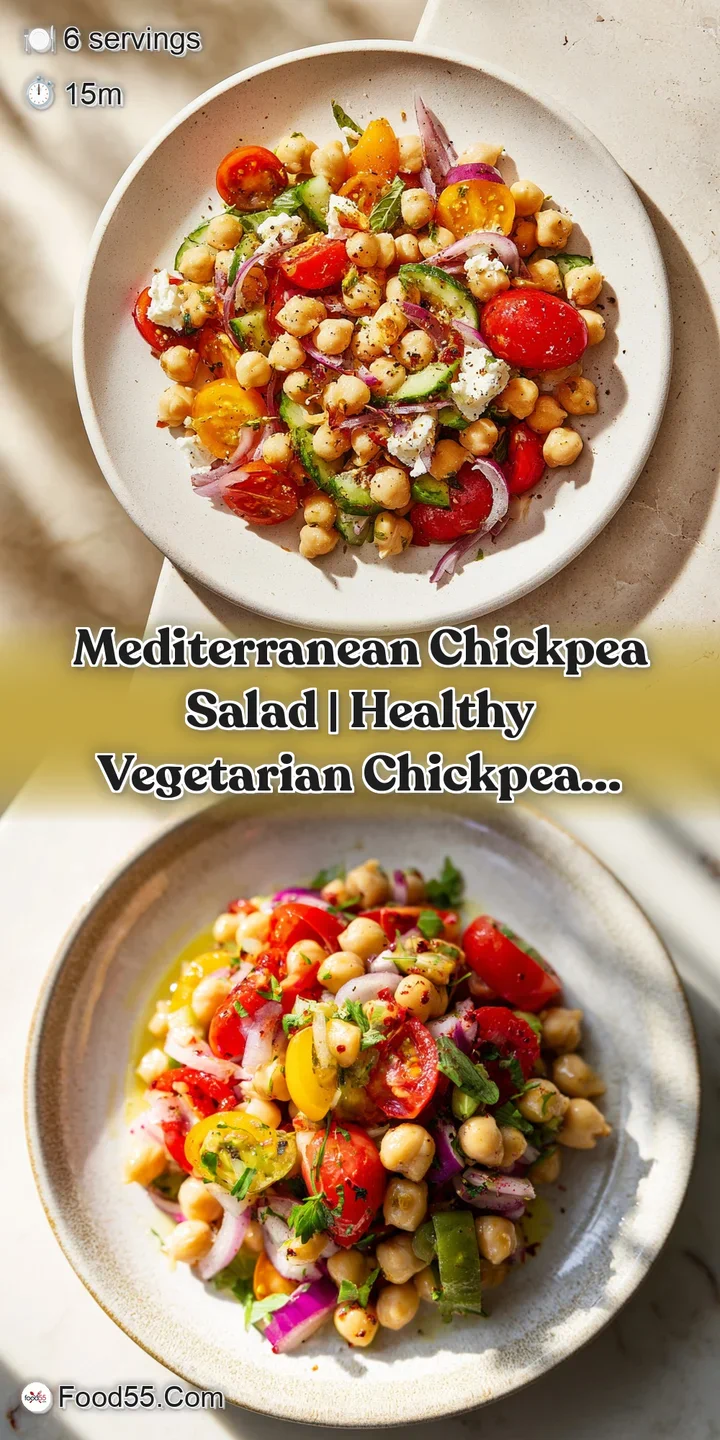
Recipe FAQs
What is the Jennifer Aniston salad?
It is a protein packed, grain based salad often featuring chickpeas, bulgur, cucumber, parsley, and feta. While many versions exist, this recipe captures the same spirit by focusing on crunchy vegetables and a zesty vinaigrette for a refreshing meal.
What is the dressing for Greek chickpea salad?
Whisk together extra virgin olive oil, lemon juice, red wine vinegar, garlic, oregano, sea salt, black pepper, and Dijon mustard. If you mastered the stable emulsion in this dressing, use the same whisking method in our crustacean salad recipe for perfect results.
Can you eat chickpeas if you have diabetes?
Yes, chickpeas are a recommended choice for those managing blood sugar. They are rich in both protein and fiber, which helps promote a slower, more stable digestive process.
What are some common mistakes when making Mediterranean salad?
The most frequent error is skipping the salt draw step for the cucumber. By salting the cucumbers for five minutes first, you remove excess moisture that would otherwise turn your salad watery after a few hours.
How to keep the salad from becoming soggy?
Drain and rinse the chickpeas thoroughly, then pat them dry before adding them to the bowl. This ensures the dressing coats the ingredients properly rather than being diluted by leftover liquid from the can.
How to make the red onion less sharp?
Soak your finely diced red onion in a bowl of cold water for five minutes before adding it to the mix. This quick step effectively removes the harsh bite while maintaining the onion's essential crunch.
How to develop the deepest flavor?
Toss the damp, freshly rinsed chickpeas with two tablespoons of the vinaigrette before adding the vegetables. Allowing the pulses to marinate briefly in the dressing creates a more flavorful foundation than simply pouring it over the finished salad at the end.
Mediterranean Chickpea Salad
Ingredients:
Instructions:
Nutrition Facts:
| Calories | 384 kcal |
|---|---|
| Protein | 14.1 g |
| Fat | 17.9 g |
| Carbs | 34.3 g |
| Fiber | 9.7 g |
| Sugar | 5.8 g |
| Sodium | 492 mg |
