Cut out Sugar Cookies: the Definitive No-Spread Recipe for Decorating
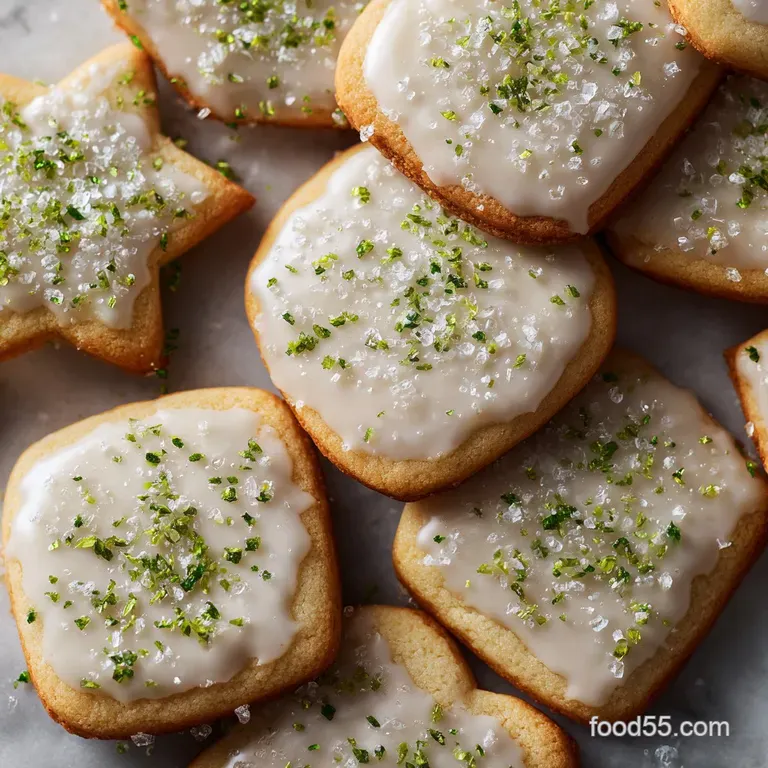
- The Definitive No-Spread Cut-Out Sugar Cookies: Your Canvas for Celebration
- Mastering the No-Spread Sugar Cookie: An Overview
- The Culinary Engineering of a Crisp, Yet Tender Cookie
- Precision Baking: Required Components and Flavor Customization
- From Dough to Decorating Canvas: The Baking Process
- Troubleshooting and Expert Hacks for Sugar Cookie Success
- Maximizing Shelf Life for Baked and Unbaked Cut Out Sugar Cookies
- Pairings and Presentation: Elevating Your Sugar Cookie Experience
- Recipe FAQs
- 📝 Recipe Card
The Definitive No-Spread Cut-Out Sugar Cookies: Your Canvas for Celebration
Mastering the No-Spread Sugar Cookie: An Overview
That smell is magic, isn't it? As soon as the butter, sugar, and vanilla hit the heat, your kitchen transforms into a proper bakery. We aren't making fluffy, puffy cookies here. We are aiming for perfection: those beautiful, sharp edges that hold a precise design.
Look, I spent years fighting the dreaded "cookie spread." You carefully cut out a perfect star, only to pull out a melted disc, totally useless for decorating. This [Easy Sugar Cookie Recipe For Cutouts] is the lifesaver I wish I’d had back then.
It’s reliable, surprisingly fast once you understand the temperature game, and it costs next to nothing to whip up a huge batch.
We’re going deep into the structure and stability of these Cut Out Sugar Cookies . Forget those recipes that leave you guessing. We're breaking down the science so your festive decorating efforts actually pay off. Let’s crack on.
The Culinary Engineering of a Crisp, Yet Tender Cookie
The goal here is simple: a cookie that is structurally sound enough for heavy royal icing but still melts beautifully in your mouth. Many recipes just focus on flour ratios, which miss the point. This method relies on temperature control and using two different types of sugar.
Essential Equipment Checklist for Perfect Cookie Cutting
You need the right tools, especially if you plan on doing this often. A kitchen scale is non-negotiable for flour. Trust me. You might think you can eyeball it, but slight variances in flour density cause huge problems later when the cookie spreads.
You absolutely need a rolling pin with thickness guides, or some dowels. If the dough isn't rolled to a uniform 1/4 inch thickness, some cookies will burn while others remain raw in the middle.
The Science Behind a “No-Fuss, No-Spread” Dough
The secret weapon in this dough is the confectioners' sugar (icing sugar). Granulated sugar contributes to spread because it melts quickly when heated. By substituting half the granulated sugar with fine powdered sugar, we achieve incredible tenderness while keeping the dough tighter.
It’s truly brilliant.
Why These Cut Out Sugar Cookies Are Built for Icing
We keep the sweetness balanced. These cookies are sweet enough to stand alone, but not so sugary that they fight against rich frosting. Because they hold their shape perfectly, they become the ultimate blank canvas for flooding and piping. They are genuinely the Good Sugar Cookie Recipe For Decorating you've been searching for. Speaking of decoration, these would look amazing served up alongside a big Charcuterie Board Ideas For Fall: Easy Assembly, Zero Cooking display.
The Role of Cold Butter and Reverse Creaming
Every element of this recipe should be cold butter, eggs, even the mixer bowl if you can manage it. Using diced cold butter ensures that little pockets of fat remain solid until they hit the oven.
When these pockets melt, they create steam, preventing the cookie from sinking and spreading horizontally. I once melted my butter because I was impatient, and the resulting blobs were a disaster I’ll never repeat.
Balancing Leavening Agents for Zero Expansion (No Blobs!)
We use a tiny bit of baking powder, just enough for a light lift but not enough to cause puffiness. We are not looking for soft, cakey cookies here; we need crisp structure. Over leavening is what makes gingerbread men swell up into doughy discs.
We are aiming for the perfect middle ground for these [Butter Cookies For Decorating].
Optimizing Dough Hydration for Clean Edges
The dough is intentionally made slightly stiff. Too much moisture means more steam, and more steam means spreading. If your dough feels sticky after mixing, add flour, one teaspoon at a time. Stop mixing the moment the flour disappears.
If you mix too long, the gluten activates, resulting in tough cookies.
Chef’s Note: Dough stability is proportional to coldness. Always prioritize temperature. If your kitchen is warm, chill the dough more frequently.
Precision Baking: Required Components and Flavor Customization
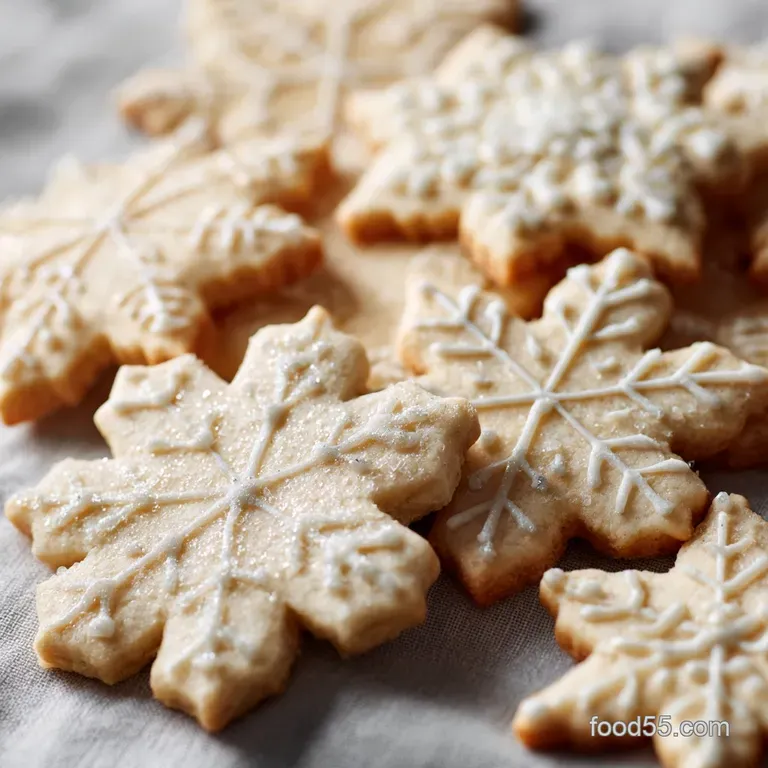
Flour Selection: Why Weight Measurement is Non-Negotiable
Seriously, measure your flour by weight (360 grams). The old scoop and level method can easily pack 1/4 cup extra flour into your measure, making the dough dry and crumbly. If your dough is tough, odds are you added too much flour.
| Ingredient | Substitute | Why it Works |
|---|---|---|
| All-Purpose Flour | 1:1 GF Baking Blend | Ensure it contains Xanthan Gum for structure. |
| Granulated Sugar | Fine Baker’s Sugar | Avoid coarse sugars; they delay melting and increase spread. |
| Unsalted Butter | High Fat Vegan Baking Stick | Must be cold and diced; high fat prevents water evaporation. |
Fats and Sweeteners: Achieving that Signature Buttery Flavor
Using good quality butter makes a huge difference in the final flavor profile. Since we are using two types of sugar, the resulting flavor is sweet, crisp, and pure. Some people might use just granulated sugar, but incorporating the confectioners' sugar provides that signature melt away texture.
Vanilla Alternatives: Adding Extracts for Depth
Vanilla is the star, but don’t skip the almond extract if you can tolerate nuts. It adds a background complexity that makes everyone ask, "What is that amazing flavor?" If almond is out, try using 1/4 teaspoon of high-quality lemon oil for brightness. I love doing variations you could pair a spiced version with my Banana Bread Recipe: The Ultimate Moist Brown Sugar Loaf for a cozy winter baking day.
Detailed Notes on Egg Temperature and Size
A large egg weighs about 50g. Using a cold egg is essential, mirroring the cold butter technique. If you use a room temperature egg, it softens the butter immediately, ruining the tight, stable dough structure we need.
From Dough to Decorating Canvas: The Baking Process
Mixing the Dough: Avoiding Overdevelopment of Gluten
Remember the rule: mix until just combined. When incorporating the dry ingredients, switch your stand mixer to the lowest possible speed, or even use a spatula. Overmixing develops gluten, which results in a hard, chewy cookie instead of a tender snap.
The Critical Chilling Protocol for Reliable Dough Handling
I recommend chilling twice. The first 30 minute chill tightens the dough enough to roll without sticking. The second chill the mandatory 5 10 minute freeze after cutting is non-negotiable for zero spread. If you skip that last quick freeze, you risk spreading.
It’s worth the 10 minutes, I promise.
Rolling Consistency: Achieving Uniform Thickness
Roll your dough to exactly 1/4 inch (6mm). This thickness gives you a sturdy cookie that won't snap when you decorate it, but isn't so thick that it feels doughy. Using parchment paper above and below the dough makes this task incredibly easy and means you don't need excessive bench flour.
The Best Baking Temperature for White Sugar Cookies
Bake at 350°F (175°C). This is hot enough to set the structure quickly but not so hot that it scorches the edges before the center is cooked. Keep a close eye on them; the edges will barely change color. They should look pale and set, not golden brown.
This guarantees a beautiful white canvas for your royal icing art.
Troubleshooting and Expert Hacks for Sugar Cookie Success
Fixing Crumbly Dough: When to Stop Adding Liquid
If your dough feels too dry and crumbly, you likely over measured the flour. Do not panic and add water, which introduces too much steam. Instead, add liquid fat —try half a teaspoon of melted, cooled butter or a splash of heavy cream. Stop immediately when the dough holds together when pinched.
Preventing Sticking: The Flour Dusting vs. Parchment Method
The parchment paper method is superior for these cut out sugar cookies recipe . Dusting flour stiffens the dough with extra gluten, changing the final texture. Rolling between two sheets of parchment prevents sticking entirely and allows you to easily peel away the excess dough.
The "Hot Sheet Pan" Mistake and How to Avoid It
Never, ever place dough on a hot baking sheet. The residual heat instantly melts the cold butter, initiating spread before the cookies even enter the oven. You must use cool or room temperature baking sheets for every batch. If you have limited pans, run the hot pan under cold water and dry it completely between uses.
Maximizing Shelf Life for Baked and Unbaked Cut Out Sugar Cookies
Freezing Uncut Dough vs. Baked Cookies
Uncut Dough: Wrap the dough disc tightly in plastic film, then place it in a freezer bag. Label it. It lasts for up to 3 months. Thaw overnight in the fridge before rolling.
Baked Cookies: Allow the cookies to cool completely. Freeze them undecorated in an airtight container, layered between parchment paper. They will keep for about 6 weeks.
Ideal Conditions for Storing Decorated Cookies
Once decorated with royal icing, the cookies should be stored in a single layer in an airtight container at room temperature. The icing acts as a preservative. They will last nicely for up to two weeks, assuming the icing is fully dried and hardened.
Don't refrigerate decorated cookies; the moisture condensation can ruin the icing finish.
Thawing and Refreshing: Bringing Cookies Back to Life
To thaw frozen, undecorated cookies, simply let them sit in the sealed container at room temperature for several hours. This prevents condensation from forming on the cookie itself.
If you want to slightly refresh a plain cookie, bake it for 2- 3 minutes at 300°F (150°C) just before serving.
Pairings and Presentation: Elevating Your Sugar Cookie Experience
These cookies are firm, slightly crisp, and perfectly buttery they deserve attention!
For a fantastic presentation, pair these perfect Butter Cookies For Decorating with contrastingly soft treats. For example, the beautiful texture of these cookies is the opposite of my incredibly soft Strawberry Cake Mix Cookies: Seriously Soft Crinkle Recipe . It’s a great way to offer variety without overwhelming the palate.
Serve them on a tiered stand, especially when covered in beautiful, intricate royal icing. A plain Cut Out Sugar Cookie is magnificent dipped into a mug of strong, hot coffee. They have the sturdiness to hold up to the heat, which is exactly what we look for in a dunkable treat.
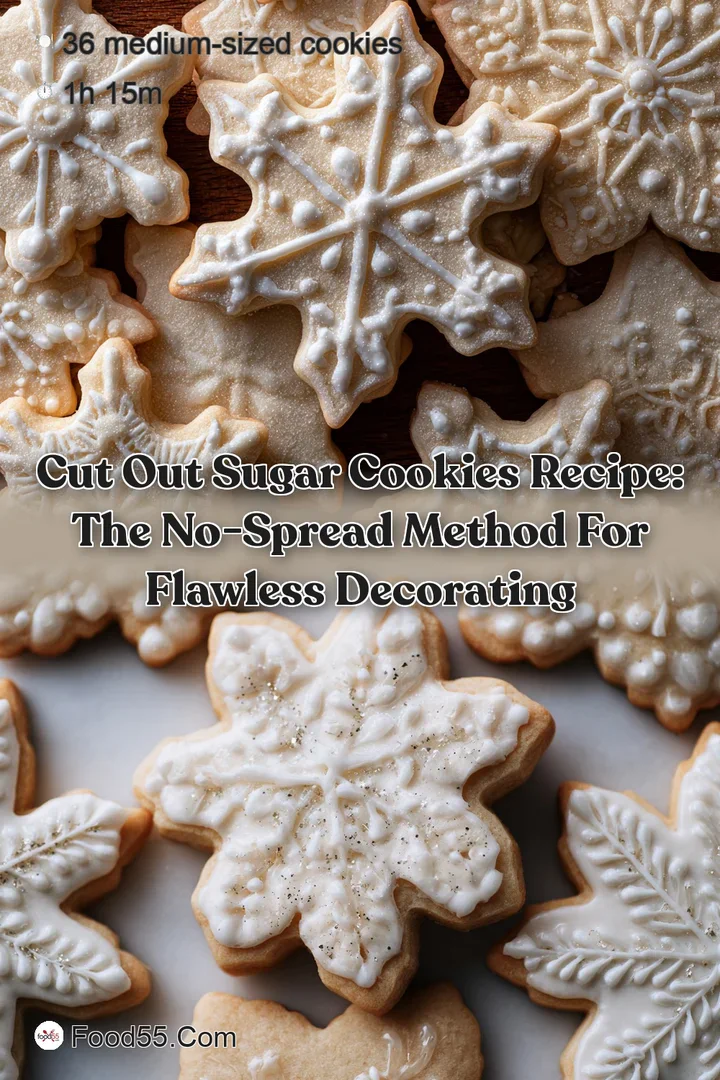
Recipe FAQs
Why did my "no-spread" cookies still spread during baking?
Spreading is usually caused by the butter being too warm or insufficient chilling time. Ensure your butter is truly cool (around 65°F) when mixing, and absolutely confirm that your cut-out shapes are placed on a chilled baking sheet before entering the oven.
Overmixing the dough, which develops too much gluten, can also lead to misshapen cookies.
My dough is very crumbly and won't hold together; what should I do?
A crumbly texture often indicates too much flour, usually resulting from inaccurate measuring. If the dough is too dry, add moisture very slowly, mixing in half a teaspoon of milk or heavy cream at a time until the mixture just forms a cohesive ball. Be careful not to continue mixing once the dough has hydrated.
Can I prepare the sugar cookie dough ahead of time?
Yes, this dough is excellent for advance preparation. Wrap the dough tightly in plastic wrap (either as a disk or pre-rolled sheets) and refrigerate for up to three days, or freeze for up to three months. Always allow frozen dough to thaw completely in the refrigerator before attempting to roll it out.
Why is chilling the dough necessary for perfect cut-outs?
Chilling serves two critical purposes: it relaxes the gluten formed during mixing, preventing shrinkage, and more importantly, it solidifies the fat. The cold, firm butter holds the cookie’s structural integrity in place until the heat of the oven sets the starches, guaranteeing a sharp, no-spread edge.
Can I substitute the vanilla extract for other flavorings?
Absolutely; you can achieve fantastic flavor variations by substituting up to half of the vanilla extract. Common successful replacements include almond, lemon zest, peppermint, or even a spiced blend like cinnamon and nutmeg.
Remember that powerful extracts like almond should be used sparingly to avoid overpowering the delicate butter flavor.
Can this recipe be adapted to be gluten-free?
This recipe adapts very well to gluten-free alternatives when using a high-quality, cup-for-cup GF flour blend that includes xanthan gum. Ensure you substitute the flour by weight for the best results, as GF doughs can sometimes require a little extra chilling time to become manageable for rolling.
What is the best way to store baked sugar cookies?
Baked, undecorated cookies will stay fresh in an airtight container at room temperature for 5 to 7 days. If you need longer storage, freeze the baked cookies in layers separated by parchment paper for up to three months, then thaw completely at room temperature before decorating.
No Spread Cut Out Sugar Cookies Recipe
Ingredients:
Instructions:
Nutrition Facts:
| Calories | 80 kcal |
|---|---|
| Protein | 1.0 g |
| Fat | 3.5 g |
| Carbs | 12.0 g |
