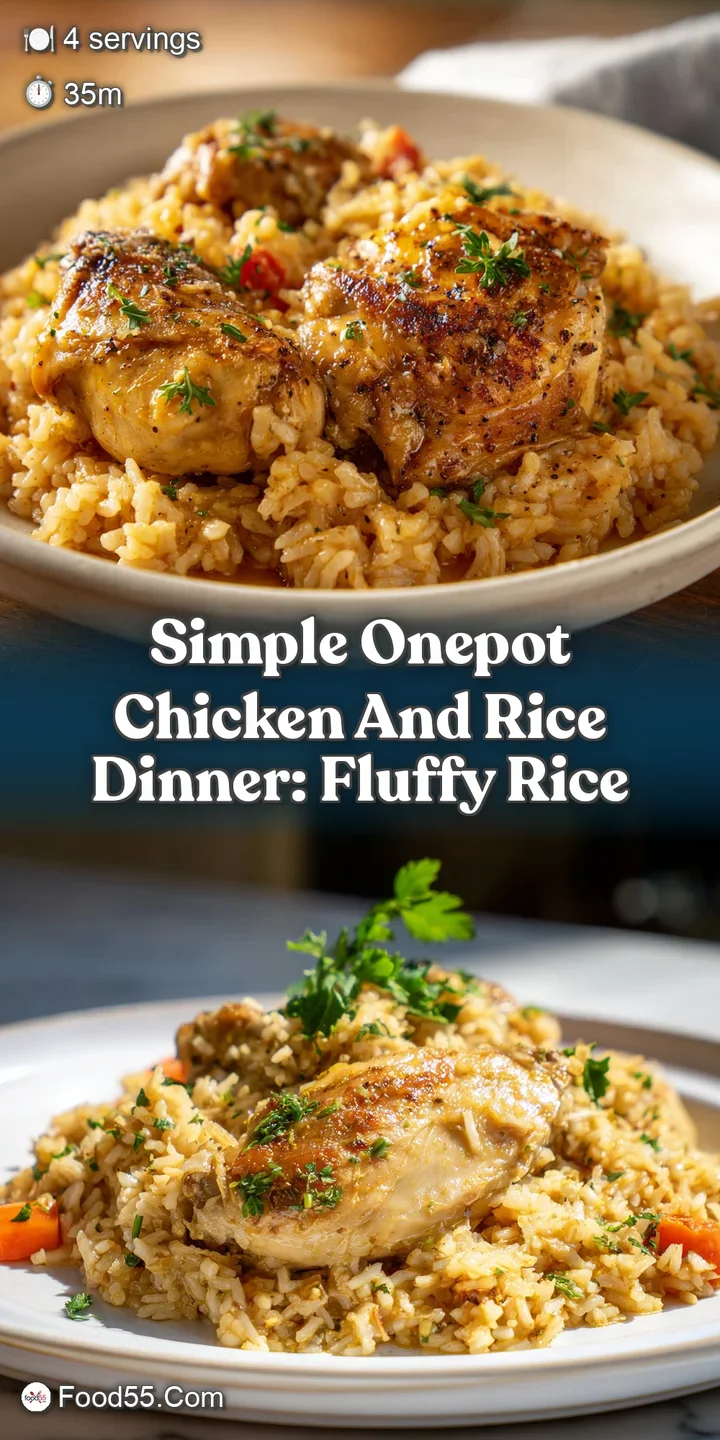
Simple Onepot Chicken and Rice Dinner
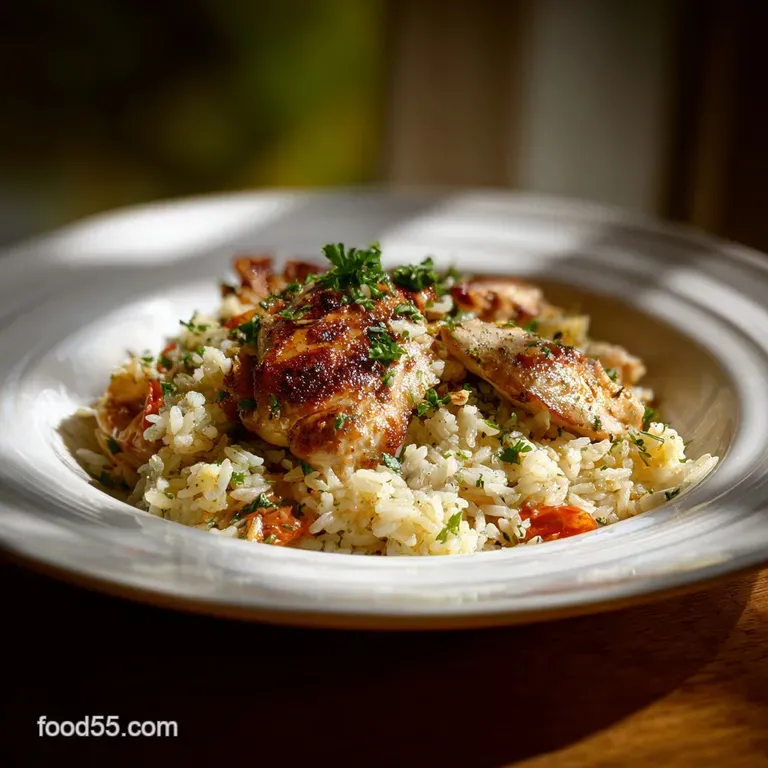
- Time: Active 10 minutes, Passive 25 minutes, Total 35 minutes
- Flavor/Texture Hook: Fluffy, gold tinted rice and juicy seared chicken
- Perfect for: Stress free weeknight dinners or healthy meal prep
- Making Simple OnePot Chicken and Rice Dinner
- The Science Behind Perfect Results
- Component Analysis and Deep Dive
- High Quality Ingredients for Success
- Necessary Kitchen Tools for Cooking
- Step by Step Cooking Instructions
- Solving Common Texture Issues
- Smart Dietary Adaptations and Swaps
- Storage and Effective Reheating Methods
- Flavorful Pairing Ideas and Sides
- Kitchen Myths Debunked
- Recipe FAQs
- 📝 Recipe Card
Making Simple OnePot Chicken and Rice Dinner
I still remember the first time I tried making this. I was convinced the rice would end up as a gummy pile of mush or, worse, the chicken would turn into dry, rubbery nuggets. The kitchen was filled with that specific, sharp aroma of raw onions and the earthy heat of smoked paprika.
I stood over the pot, hovering, worried that the 2.5 cups of broth wouldn't be enough. But then, as the steam cleared and I fluffed the pot with a fork, the rice looked like tiny pearls of gold.
It’s honestly one of those back pocket recipes that saves me when I’ve had a long day and can’t face a complicated cleanup. We’ve all been there, right? You want something that feels like a warm hug but doesn't require four different pans.
This dish brings everything together in one heavy bottomed pot. The way the rice absorbs the chicken bone broth makes it so much richer than just boiling it in water.
You’re going to love how the lemon juice at the end just wakes everything up. It cuts through the savory weight of the chicken and rice, making every bite feel bright and fresh. Trust me, don't skip that squeeze of lemon it's the secret handshake that makes this dish work.
Let's get into the details so you can get this on your table tonight.
The Science Behind Perfect Results
Starch Gelatinization Control: Rinsing the 1.5 cups of long grain rice removes excess surface starch, which prevents the grains from sticking together into a gummy mass during the simmering phase.
Maillard Reaction Depth: Searing the 1.25 lbs of chicken breast in olive oil creates a flavorful crust that leaves behind "fond" (browned bits), which then deglazes into the rice for a deeper profile.
Amylose Ratio Stability: Long grain white rice contains a high proportion of amylose, a starch molecule that helps the grains stay separate and fluffy rather than clumping like short grain varieties.
Carryover Steam Cooking: Allowing the pot to sit covered after the heat is off uses residual steam to finish the rice core without overcooking the delicate chicken breast.
| Thickness | Internal Temp | Rest Time | Visual Cue |
|---|---|---|---|
| 1/2 inch | 165°F | 3 minutes | No pink, clear juices |
| 1 inch | 165°F | 5 minutes | Firm texture, opaque center |
| 1.5 inch | 165°F | 8 minutes | Springy touch, golden crust |
You might be tempted to pull the chicken out early, but that resting time in the pot is where the magic happens. The rice acts like a thermal blanket, keeping the protein warm while the moisture redistributes throughout the fibers.
Component Analysis and Deep Dive
| Ingredient | Science Role | Pro Secret |
|---|---|---|
| Long grain Rice | Structural Base | Toast the dry rice in the oil for 1 minute before adding liquid to nutty up the flavor. |
| Chicken Bone Broth | Flavor Solvent | Use bone broth instead of regular stock for a higher protein content and a velvety mouthfeel. |
| Smoked Paprika | Aromatic Catalyst | The oil soluble pigments in paprika bloom when heated, coloring the entire dish a deep sunset hue. |
| Lemon Juice | pH Balancer | The citric acid breaks down heavy fats and brightens the duller, starchy notes of the rice grains. |
The choice of chicken bone broth here isn't just a health trend; it actually provides a more substantial body to the liquid. If you've ever felt like your rice was a bit "thin" in flavor, the gelatin in the bone broth is the missing piece of the puzzle.
It coats the rice and gives it a luxurious texture without adding extra butter or cream.
high-quality Ingredients for Success
- 1.25 lbs Chicken Breast: Cut into 1 inch pieces. Why this? Uniform size ensures every piece cooks at the exact same rate as the rice.
- Substitute: Chicken thighs (boneless) for more fat and a silkier texture.
- 1.5 cups Long grain White Rice: Rinsed until the water runs clear. Why this? This variety provides the specific fluffy yet-separate texture we need for one pot meals.
- Substitute: Jasmine rice. Note: It adds a floral aroma but may require 2 tablespoons less broth.
- 2.5 cups Chicken Bone Broth: Low sodium is best. Why this? Bone broth offers more depth and nutrients than standard chicken stock.
- Substitute: Vegetable broth. Note: It will be less savory, so you might need an extra pinch of salt.
- 2 cloves Garlic: Finely minced. Why this? Garlic creates the aromatic foundation that makes the kitchen smell like home.
- Substitute: 0.5 tsp garlic powder, though it lacks the sharp, fresh bite of the real thing.
- 1 small Yellow Onion: Finely diced. Why this? Onions melt into the rice, providing sweetness and moisture balance.
- Substitute: Shallots. They offer a more delicate, garlicky sweetness.
- 1 cup Frozen Peas: Added at the very end. Why this? They provide a pop of color and sweetness without getting mushy.
- Substitute: Frozen corn or chopped spinach for a different nutritional profile.
- 1 tsp Smoked Paprika: Why this? This provides a subtle wood smoke flavor and a beautiful golden orange tint.
- Substitute: Sweet paprika for color without the smoky undertone.
If you are looking for a similar flavor profile but want to switch up the protein, you might enjoy the spices used in my Homemade Chicken Kofte recipe, which also relies on that beautiful balance of aromatics and heat.
Necessary Kitchen Tools for Cooking
To get the best results, a heavy bottomed pot is non negotiable. I usually reach for a 5 quart Dutch oven (like a Le Creuset) because the thick walls distribute heat evenly, preventing the dreaded "burnt spot" in the middle of the rice.
If you don't have one, a deep stainless steel skillet with a very tight fitting lid will work. The lid is actually the most important part if steam escapes, your rice will stay crunchy while your chicken dries out.
Chef's Tip: If your lid isn't perfectly tight, place a sheet of parchment paper or aluminum foil over the pot before putting the lid on. This creates a "cartouche" that traps every bit of moisture inside.
You’ll also want a good wooden spoon to scrape up those browned bits after searing the chicken. Those bits are concentrated flavor, and we want them in the rice, not stuck to the bottom of the pan.
A fine mesh strainer is also helpful for rinsing the rice; don't just soak it, actually let the water run through it until it stops looking milky.
step-by-step Cooking Instructions
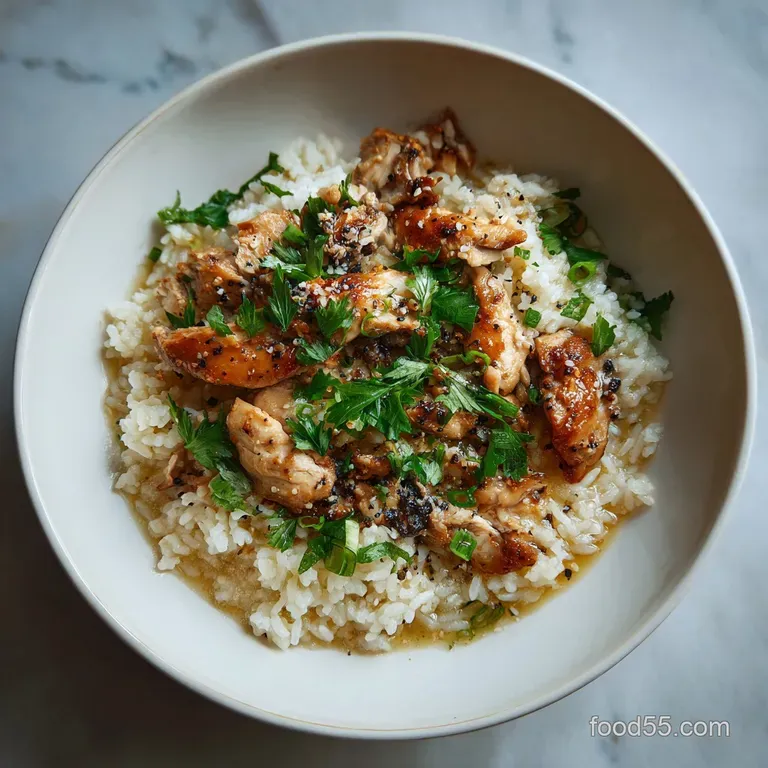
- Prep the chicken. Toss the 1.25 lbs of cubed chicken breast with the smoked paprika, sea salt, and cracked black pepper in a bowl until fully coated. Note: Seasoning the meat directly ensures the flavor is locked into the protein fibers.
- Sear the protein. Heat 1 tbsp of olive oil in your pot over medium high heat. Add the chicken and cook for 5 minutes until golden brown and sizzling. Note: Don't worry if it's not cooked through; it will finish with the rice.
- Remove the chicken. Transfer the seared pieces to a plate, leaving the flavored oil and any browned bits in the pot.
- Sauté the aromatics. Add the diced yellow onion to the same pot. Cook for 3 minutes until the onion is translucent and smells sweet.
- Toast the rice. Stir in the 1.5 cups of rinsed rice and the 2 cloves of minced garlic. Sauté for 1 minute until the rice edges look slightly glassy.
- Add the liquid. Pour in the 2.5 cups of chicken bone broth. Use your spoon to scrape the bottom of the pot to release all the flavor.
- Combine and simmer. Add the chicken back into the pot with any juices from the plate. Bring to a boil, then immediately turn the heat to low and cover tightly.
- Cook the rice. Simmer for 15 minutes without lifting the lid. Listen for a gentle bubbling sound that slowly fades as the liquid is absorbed.
- Steam the peas. Quickly lift the lid, scatter the 1 cup of frozen peas on top, and replace the lid. Turn off the heat and let it sit for 5 minutes.
- Final touch. Fluff the rice with a fork, stir in the fresh parsley and lemon juice. Serve while the aroma is at its peak.
Solving Common Texture Issues
The Problem of Crunchy Rice
This usually happens because the heat was too high, causing the liquid to evaporate before the rice could absorb it. It can also happen if the lid isn't tight enough. If you find your rice is still hard after the timer goes off, don't panic.
Add 1/4 cup of hot broth or water, put the lid back on, and let it sit on the warm (but off) burner for another 5-7 minutes.
The Mystery of Mushy Grains
Mushy rice is the result of too much liquid or over stirring. Stirring releases starch, which turns the dish into a risotto like consistency. For this specific recipe, you want to leave it alone while it simmers. Next time, ensure you are measuring your broth precisely and rinsing that rice thoroughly.
| Problem | Root Cause | Solution |
|---|---|---|
| Burnt Bottom | Heat was too high during the simmer phase. | Use a heat diffuser or turn the burner to the lowest possible setting. |
| Bland Flavor | Not enough salt or low quality broth. | Add a splash of soy sauce or an extra squeeze of lemon at the end. |
| Dry Chicken | Pieces were cut too small or cooked too long. | Keep chicken pieces at a 1 inch minimum size to retain moisture. |
Common Mistakes Checklist
- ✓ Always rinse your rice until the water is clear to avoid a gummy texture.
- ✓ Don't peek! Lifting the lid releases the steam necessary to cook the grains evenly.
- ✓ Use a heavy bottomed pot to prevent localized hot spots that burn the rice.
- ✓ Pat the chicken dry before seasoning to get a better sear in the pan.
- ✓ Use low sodium broth so you can control the final salt level yourself.
Smart Dietary Adaptations and Swaps
If you're looking for a low carb version, you can swap the rice for cauliflower rice. However, the cooking method changes significantly. You won't need the 2.5 cups of broth; instead, you'd just sauté the cauliflower rice with the chicken for about 5-7 minutes. It won't have the same "fluffy" grain feel, but the flavors of the paprika and garlic still shine through beautifully. For those who want more of a kick, similar to the spice profile in a Mongolian Chicken recipe, you can add a teaspoon of red pepper flakes or a dash of ginger to the onion sauté.
To make this dairy-free, you're already set, as we use olive oil. If you want a creamier finish without the dairy, you can stir in 2 tablespoons of full fat coconut milk at the very end. It adds a subtle richness that mimics the "velvety" feel of a cream sauce without the actual cream.
| Original Ingredient | Substitute | Why It Works |
|---|---|---|
| Long grain White Rice | Quinoa (1.5 cups) | Higher protein. Note: Use 2.25 cups broth and cook for 12 mins. |
| Chicken Breast | Tofu (Extra Firm) | Plant based. Note: Press tofu well and sear until crispy before adding rice. |
| Chicken Bone Broth | Mushroom Broth | Adds an earthy umami depth. Note: Great for vegetarians using tofu. |
If you want a truly decadent version, you can take a cue from The Creamy Garlic recipe and add a splash of heavy cream and some Parmesan cheese once the rice is finished cooking. It turns a simple dinner into something that feels like a restaurant meal.
Storage and Effective Reheating Methods
This dinner actually tastes better the next day as the flavors continue to meld. You can keep it in an airtight container in the fridge for up to 4 days. When reheating, the rice tends to dry out. The trick is to add a tablespoon of water or broth before microwaving it.
Cover it with a damp paper towel to create a mini steam chamber; this restores that "shatteringly" tender texture to the chicken and keeps the rice from getting crunchy.
For the freezer, this dish holds up well for about 2 months. I recommend freezing it in individual portions. To reheat from frozen, let it thaw in the fridge overnight and then follow the microwave trick mentioned above.
If you're in a hurry, you can reheat it in a skillet over low heat with a lid on and a splash of broth.
Zero Waste Tip: Don't throw away those parsley stems! Finely mince them and sauté them right along with the onions and garlic. They have a ton of flavor and a nice crunch. Also, if you have a lemon half left over, zest it into the rice before serving for an extra hit of citrus oils.
Flavorful Pairing Ideas and Sides
Since this is a "complete" meal with protein, starch, and a veggie (the peas), you don't really need much else. However, if I’m feeling fancy, I love serving this with a crisp green salad tossed in a simple lemon vinaigrette. The acidity of the salad dressing echoes the lemon juice in the rice.
Another great option is a side of roasted carrots or honey glazed parsnips. The sweetness of roasted root vegetables plays really well with the smoked paprika on the chicken. If you want something a bit more substantial, a piece of crusty sourdough bread is perfect for wiping up any stray bits of flavorful broth left on your plate.
Kitchen Myths Debunked
One of the biggest myths is that you must "rinse rice until the water is crystal clear." While you want to remove the bulk of the surface starch, the water doesn't have to be perfectly transparent. If you rinse it three or four times, you've done 90% of the work.
Over rinsing can actually lead to the rice breaking apart during the cook.
Another misconception is that searing meat "seals in the juices." Science shows that's not true meat actually loses moisture as it sears. The real reason we sear the chicken is for the Maillard reaction, which creates those complex, savory flavor compounds that make the dish taste "meaty" and rich rather than just boiled.
Finally, people often think you can't use brown rice in a one pot chicken recipe. You can, but you have to adjust the timing. Brown rice takes about 45 minutes to cook, which would turn your chicken into dry leather.
If you want to use brown rice, you'd need to cook the rice for 25 minutes first before adding the chicken to the pot to finish.
Recipe FAQs
What can I make with chicken and rice easily?
A simple one-pot chicken and rice dinner is the perfect answer for an easy meal. This method combines searing the chicken and simmering the rice in the same pot, minimizing active time and cleanup.
What are the 4 main ingredients in a simple one-pot chicken and rice dinner?
Chicken, long grain rice, chicken bone broth, and aromatics (onion/garlic) form the foundation. The broth is crucial as it acts as the flavor solvent for the entire dish.
What side goes best with one-pot of chicken and rice?
A simple green salad with a bright vinaigrette pairs best because its acidity cuts through the savory richness of the rice. If you prefer something warmer, roasted root vegetables are also excellent.
Is chicken and rice ok for weight loss?
Yes, this recipe can be good for weight loss, provided you use lean chicken breast and watch the portion size of the rice. Keep the oil minimal and skip adding cream or cheese.
How to ensure the rice absorbs all the flavor from the broth?
Toast the dry, rinsed rice in the oil for one minute right after sautéing the onions. This nutty flavor base bonds better with the chicken broth when it's absorbed, providing depth. If you want to deepen flavor further, try using a richer base like our Chicken Stock recipe.
How to prevent the chicken from becoming dry while the rice cooks?
Sear the chicken pieces first until golden brown, then remove them from the pot. Add them back in only when the rice is almost done cooking so they finish steaming gently with the residual heat.
Is it true you must use a Dutch oven for this one-pot meal?
No, this is a common misconception. While a Dutch oven provides superior heat distribution, any deep stainless steel pot with a very tight fitting lid will work. The goal is trapping all the steam for even cooking.
Onepot Chicken Rice Dinner
Ingredients:
Instructions:
Nutrition Facts:
| Calories | 556 kcal |
|---|---|
| Protein | 51.5 g |
| Fat | 8.6 g |
| Carbs | 60.2 g |
| Fiber | 3.8 g |
| Sugar | 2.9 g |
| Sodium | 415 mg |
