Homemade Ovenbaked Meatballs
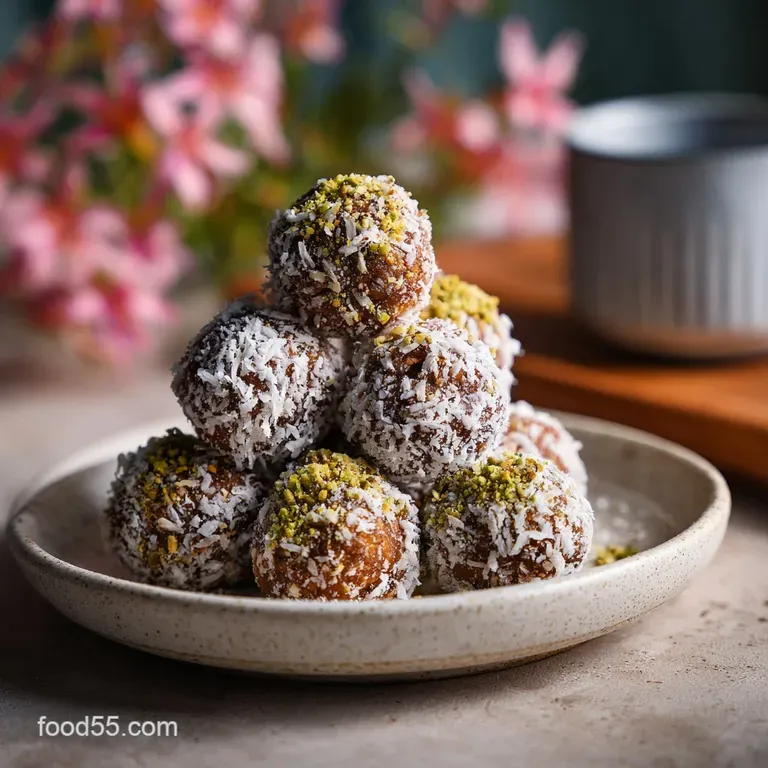
- Time: Active 15 minutes, Passive 20 minutes, Total 35 minutes
- Flavor/Texture Hook: Savory, herb flecked, and velvety with a caramelized exterior
- Perfect for: Stress free Sunday family dinners or efficient meal prep
- Mastering These Juicy Homemade OvenBaked Meatballs
- Essential Metrics for Perfect Results Every Time
- The Science of Succulent Meat Selection
- Tools for Stress Free Meatball Prep
- Step by Step Path to Golden Perfection
- Pro Methods to Prevent Common Mistakes
- Creative Ingredient Swaps for Every Kitchen
- Keeping Your Meatballs Fresh and Tasty
- The Logic of Culinary Traditions
- Serving Ideas to Bring People Together
- Recipe FAQs
- 📝 Recipe Card
Mastering These Juicy Homemade OvenBaked Meatballs
The scent of garlic hitting hot fat is the universal signal that something brilliant is happening in the kitchen. I remember standing in my grandmother's kitchen, dodging pops of hot grease as she fried batch after batch of meatballs. While those memories are gold, the greasy stovetop cleanup certainly isn't.
I wanted that same soul warming flavor without the oil splattered apron, which led me to perfect these Homemade OvenBaked Meatballs.
This method isn't just a shortcut; it's actually a superior way to cook. When you bake at a high temperature, the dry heat of the oven creates a uniform brown crust that locks in the moisture. You get that satisfying sizzle and aroma without the risk of the meatballs falling apart in a pan.
It's a total win for anyone who loves big flavor but hates a messy kitchen.
We've all had those meatballs that feel like bouncy rubber balls or, worse, dry hockey pucks. Trust me, I've made those mistakes so you don't have to. The secret lies in the physics of the ingredients and how they react to the oven's convection.
We're going for a texture that is light yet substantial, something that feels velvety when tucked into a sub or perched atop a pile of pasta.
Essential Metrics for Perfect Results Every Time
1. The Panade Principal
The Physics of the Panade: Mixing breadcrumbs with milk creates a starch gel that coats protein fibers, preventing them from bonding too tightly. This ensures the meat stays tender even as the exterior undergoes heavy caramelization.
- Hydration Station: Always soak your crumbs for at least 5 minutes; dry crumbs will actually suck moisture out of the meat.
- Fat Balance: Using an 80/20 beef ratio combined with pork provides enough rendered fat to "fry" the meatball from the inside out.
- Thermal Boost: High heat (400°F/200°C) triggers the Maillard reaction quickly, browning the outside before the inside can overcook.
2. Gentle Emulsification
When you work the meat, you want to Level up the texture without turning it into a paste. If you've ever tried my Classic Crockpot Meatballs recipe, you know that gentle handling is the difference between a cloud like bite and a dense one. Think of it as folding a cake batter rather than kneading bread dough.
3. Convection Caramelization
The oven acts like a 360 degree searing machine. By placing the meatballs on a rimmed baking sheet, the hot air circulates around each round, creating a consistent crust. This is where that incredible savory aroma comes from the sugars and proteins in the meat and Parmesan cheese browning perfectly in the high heat.
| Method | Time | Texture | Best For |
|---|---|---|---|
| Oven Baking | 20 minutes | Evenly browned, juicy | Large batches, hands off prep |
| Pan Frying | 15 minutes | Extra crispy, slightly oily | Small batches, immediate eating |
| Air Fryer | 12 minutes | Very crunchy exterior | Quick snacks, maximum "crunch" |
Choosing the oven method allows you to focus on the rest of your meal while the heat does the heavy lifting. While the oven preheats, you can even start a base for a soup using a quality Chicken Stock recipe to keep the kitchen hum going. It’s all about creating a flow that feels like a shared celebration rather than a chore.
The Science of Succulent Meat Selection
The components you choose dictate the final structural integrity and flavor profile of your Homemade OvenBaked Meatballs. We aren't just throwing things in a bowl; we're building a flavor matrix.
| Ingredient | Science Role | Pro Secret |
|---|---|---|
| 80/20 Ground Beef | Provides structural protein and essential fat | Cold meat mixes better and prevents fat from melting too early |
| Panko Breadcrumbs | Creates a honeycomb structure for moisture | Use Panko for a lighter, airier texture than standard crumbs |
| Parmesan Cheese | Adds umami and acts as a secondary binder | Grate it fresh so it melts into the meat rather than clumping |
1. The Meat Foundation
We use 1 lb ground beef (80/20) and 0.5 lb ground pork. The beef provides the bold, meaty base, while the pork adds a softer texture and a different type of fat that melts at a lower temperature.
This combination is the gold standard for Italian style rounds because it mimics the traditional "meatloaf mix" without being overly heavy.
2. The Binder and Moisture
The 0.75 cup Panko breadcrumbs and 0.33 cup whole milk are your insurance policy against dryness. The 1 large egg acts as the glue, holding the fat and water together in a stable emulsion. Without the egg, your meatballs might crumble into a meat sauce the second they hit the heat.
3. The Flavor Profile
Freshness is everything here. The 3 cloves of garlic should be a fine paste so you don't bite into a raw chunk. The 0.25 cup fresh parsley and 1 tsp dried oregano provide that classic herbaceous lift that cuts through the richness of the beef and pork.
Tools for Stress Free Meatball Prep
Having the right gear makes this process feel like a breeze rather than a battle. You don't need a kitchen full of gadgets, just a few reliable pieces that ensure consistency.
1. Two Essential Tools
A rimmed baking sheet is non negotiable. It catches any rendered fat and prevents it from dripping onto the floor of your oven, which would definitely set off the smoke alarm. I also highly recommend using parchment paper or a silicone mat.
This prevents sticking and makes the cleanup as simple as tossing a piece of paper in the bin.
2. The Consistency Secret
A spring loaded cookie scoop (about 1.5 to 2 tablespoons in size) is my favorite trick. It ensures every single meatball is the exact same size. Why does this matter? Because if they are the same size, they all finish cooking at the exact same moment.
No more playing "is this big one done?" while the small ones turn to stone.
Chef's Tip: Lightly grease the inside of your scoop with a bit of olive oil before you start. The meat mixture will slide out effortlessly, keeping the rounds perfectly spherical.
step-by-step Path to Golden Perfection
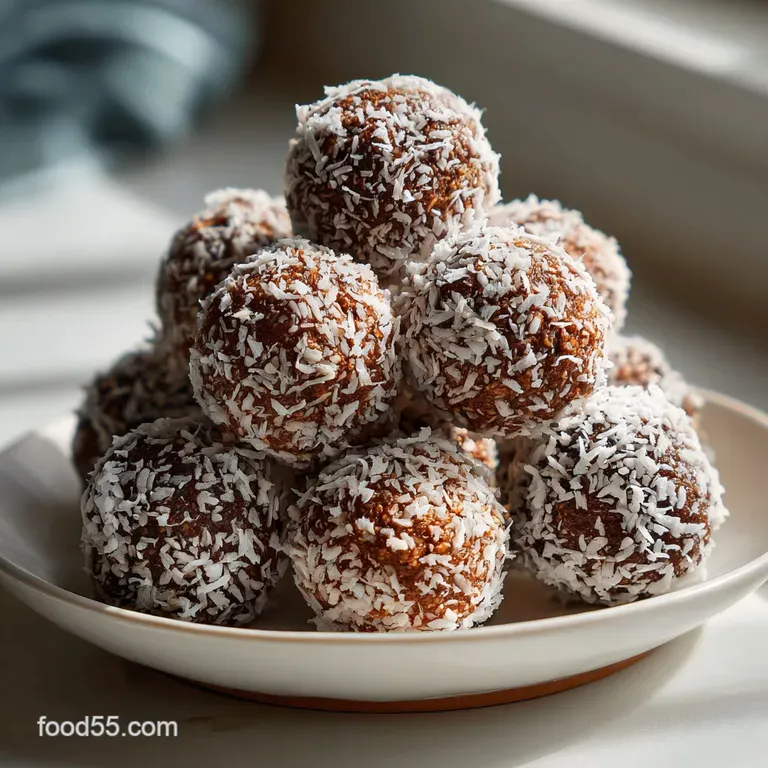
Before you start, make sure your oven is truly hot. A cold start is the enemy of a good crust. Preheat to 400°F (200°C) and let it sit at that temp for at least 10 minutes before the tray goes in.
- Hydrate the binder. Combine 0.75 cup Panko breadcrumbs and 0.33 cup whole milk in a large bowl. Note: This creates the panade that keeps things tender.
- Prep the aromatics. Mince 3 cloves of garlic into a paste and finely chop 0.25 cup fresh parsley.
- Whisk the liquids. Add 1 large egg (lightly beaten), the garlic paste, 0.5 cup Parmesan, 1 tsp oregano, 1 tsp kosher salt, and 0.5 tsp pepper to the milk mixture.
- Low friction integration. Add 1 lb ground beef and 0.5 lb ground pork to the bowl. Use your hands to gently fold the meat into the flavorings until just combined.
- The precision scoop. Using a scoop or tablespoon, portion out the mixture into 1.5 inch rounds. Note: Don't squeeze them too tight!
- Shape the rounds. Lightly roll the portions between your palms to smooth the surface.
- Arrange the tray. Place the meatballs on a parchment lined sheet, leaving an inch of space between each.
- The high heat roast. Bake for 20 minutes until the exterior is deeply browned and sizzling.
- The carryover rest. Let the tray sit for 5 minutes after removing from the oven. Note: This allows juices to redistribute.
You'll know they are done when you hear that distinct sizzle and the tops look beautifully caramelized. The internal temperature should hit 160°F (71°C) if you're using a meat thermometer.
Pro Methods to Prevent Common Mistakes
Even the best of us hit a snag sometimes. The key is knowing how to pivot when things don't look quite right.
1. The Sticky Hand Solution
If the meat is sticking to your hands while rolling, it’s likely because the fat is starting to melt from your body heat. The fix is simple: lightly dampen your hands with cold water. The water creates a barrier that lets the meat slide around without clinging to your skin.
2. The Sizzle Check
If your meatballs look grey rather than brown after 10 minutes, your oven might be running cold. You can flip on the broiler for the last 2-3 minutes of cooking to get that shatter-crisp exterior, but watch them like a hawk!
They can go from brown to burnt in thirty seconds.
3. Avoiding the Boiled Look
If you see a lot of white "goop" (albumin) coming out of the meatballs, it usually means they were squeezed too tight or the oven wasn't hot enough. Don't panic they are still safe to eat, just less pretty.
| Problem | Root Cause | Solution |
|---|---|---|
| Dry/Tough Texture | Over mixing the meat | Mix until just combined; stop immediately |
| Meatballs Falling Apart | Binder ratio is off | Ensure you used the full egg and panko amounts |
| No Browning | Oven temp too low | Increase heat to 425°F or use the broiler briefly |
Common Mistakes Checklist
- ✓ Don't skip the milk soak; it's the only way to guarantee a velvety interior.
- ✓ Never use "extra lean" beef; you need that 20% fat for flavor and moisture.
- ✓ Avoid over packing the rounds; a loose structure traps juices better.
- ✓ Always preheat your baking sheet if you want a crust on the bottom too.
- ✓ Let them rest! Cutting into a piping hot meatball lets all the moisture escape.
Creative Ingredient Swaps for Every Kitchen
Sometimes you look in the pantry and realize you're out of Panko or Parmesan. No sweat the kitchen is a place for cultural exchange and improvisation!
| Original Ingredient | Substitute | Why It Works |
|---|---|---|
| Panko Breadcrumbs | Crushed Ritz Crackers | Adds a buttery saltiness. Note: Reduce added salt slightly |
| Whole Milk | Heavy Cream | Higher fat content makes for an even more luxurious bite |
| Parmesan Cheese | Pecorino Romano | Adds a sharper, saltier tang to the flavor profile |
1. The Lean Poultry Swap
If you want to use ground turkey or chicken, you absolutely must add a tablespoon of olive oil to the mix. Poultry is much leaner than beef and pork, so it needs that extra fat to prevent it from becoming a dry, crumbly mess in the oven.
2. The dairy-free Alternative
You can swap the whole milk for unsweetened almond milk or even beef broth. The goal is to hydrate the breadcrumbs. For the cheese, a tablespoon of nutritional yeast provides that savory, "cheesy" hit without the dairy.
| Goal | If you want... | Then do this... |
|---|---|---|
| Extra Crispy | Super crunch | Spray the tops with olive oil before baking |
| Spicier Kick | Bold heat | Add 1 tsp of red pepper flakes to the binder |
| Lighter Bite | Fluffy texture | Increase Panko by 2 tbsp and add a splash more milk |
Keeping Your Meatballs Fresh and Tasty
Meatballs are the undisputed champions of meal prep. They actually taste better the next day as the herbs have more time to mingle with the proteins.
- Fridge Life: Store in an airtight container for up to 4 days.
- Freezer Friendliness: These freeze brilliantly! Place them on a tray in the freezer for an hour until hard, then transfer to a freezer bag. They’ll stay fresh for 3 months.
- Zero Waste Tip: If you have leftover crumbs in the bottom of the bag, don't toss them! Toast them in a pan with a little garlic butter and sprinkle them over your finished pasta for a "poor man's Parmesan" crunch.
- Reheating: To keep them succulent, reheat in a simmering sauce rather than the microwave. If you must use the microwave, cover them with a damp paper towel to trap the steam.
The Logic of Culinary Traditions
Searing meat does not "seal in juices." This is a total kitchen myth. Moisture loss happens as protein fibers contract from heat, regardless of a crust. The reason we want that brown exterior is strictly for the Maillard reaction the chemical reaction between amino acids and reducing sugars that gives us that complex, savory "roasted" flavor.
You don't need to flip them. While some recipes insist on turning meatballs halfway through, the high heat of a 400°F oven creates enough ambient radiation to brown them all over. Constant flipping actually risks breaking the rounds before the structure has set.
Serving Ideas to Bring People Together
There is something so convivial about a big bowl of meatballs in the center of the table. It invites people to dive in and share.
1. The Classic Italian Feast
Serve these atop a mountain of noodles using my One Pot Spaghetti recipe for the ultimate comfort meal. Top with extra parsley and a heavy rain of Parmesan. The velvety sauce clinging to the browned meatballs is a sight to behold.
2. The Game Day Sub
Tuck three or four meatballs into a toasted hoagie roll, smother them in marinara and provolone, and broil until the cheese is bubbling and spotted with brown. It’s the kind of meal that turns a casual hang into a core memory.
Whether you're serving these for a quiet weeknight or a loud, bustling Sunday lunch, the effort you put into these Homemade OvenBaked Meatballs will show in every juicy bite. It’s about more than just food; it’s about the connections we make over a shared tray of something made by hand.
Enjoy the process, enjoy the aroma, and most importantly, enjoy the company.
Recipe FAQs
Is it better to bake meatballs at 350 or 400 in the oven?
400°F (200°C) is superior for quick browning. This higher temperature promotes the Maillard reaction quickly, developing a savory crust before the interior has a chance to dry out.
How long do you cook meatballs in the oven for?
Bake for approximately 20 minutes. Cook them until the internal temperature reaches 160°F (71°C) and the exterior is deeply caramelized.
What is the secret to juicy baked meatballs?
The secret is the panade and proper fat ratio. Soak your breadcrumbs in milk to create a starch gel that locks moisture into the meat fibers.
Can you bake meatballs in the oven instead of frying them?
Yes, baking is highly recommended over frying. Baking provides dry, even heat, which results in less mess and a more uniform crust without the risk of them falling apart in the oil.
Why do my baked meatballs taste rubbery instead of tender?
Rubbery texture usually results from overworking the meat mixture. When you mix too vigorously, you develop the muscle proteins, leading to a dense, tough texture.
Do I need to use a mix of beef and pork?
No, a mix is not mandatory, but it is optimal. The pork adds softness and a different melting fat profile, similar to the rich blend used in our Chicken Stock recipe, which balances the beef's structure.
What temperature should I use if I skip preheating the oven?
Do not skip preheating; start at 400°F (200°C). Starting cold will prevent the necessary initial sear, resulting in grey, steamed meatballs rather than properly browned ones.
Oven Baked Meatballs Recipe
Ingredients:
Instructions:
Nutrition Facts:
| Calories | 335 kcal |
|---|---|
| Protein | 24.5 g |
| Fat | 21.5 g |
| Carbs | 9.1 g |
| Fiber | 0.6 g |
| Sugar | 1.2 g |
| Sodium | 516 mg |
