Overnight Cinnamon Rolls with Greek Yogurt

- Time: Active 30 mins, Passive 8 hours 25 mins, Total 8 hours 55 mins
- Flavor/Texture Hook: Silky, brioche style crumb with a syrupy cinnamon glaze and velvety cream cheese frosting
- Perfect for: Stress free holiday mornings, brunch gatherings, or making ahead for a crowd
- The Magic of Overnight Cinnamon Rolls
- Essential Planning and Timing Specs
- Quality Ingredients for Supple Dough
- Necessary Tools for Easier Baking
- Mastering the Signature Roll Technique
- Solving Your Common Baking Hurdles
- Creative Flavor Twists to Explore
- Smart Storage and Reheating Methods
- Best Ways to Serve Rolls
- Recipe FAQs
- 📝 Recipe Card
The Magic of Overnight Cinnamon Rolls
The air in my kitchen usually hits me first that yeasty, sweet scent that promises something worth waiting for. I remember the first time I tried making rolls the same morning I wanted to eat them. I was up at 5:00 AM, tripping over the cat, measuring flour with blurry eyes, and honestly?
The rolls were fine, but I was too exhausted to enjoy them. Then I discovered the beauty of the cold rise. Now, I slide a tray of unbaked rolls into the fridge the night before, and the morning is just about the sizzle of the oven and the aroma of cinnamon waking up the house.
We aren't just saving time here; we are building a better dough. When you let these sit in the fridge, the yeast works slowly, creating these tiny air pockets and a depth of flavor that a quick one hour rise simply can't touch.
Adding Greek yogurt into the mix was a mistake I once made when I ran out of sour cream, and it turned out to be the best thing that ever happened to my baking. It adds this subtle tang that cuts through the sugar and keeps the crumb incredibly moist. Trust me on this, you'll never go back to the standard way.
Essential Planning and Timing Specs
Success with this recipe comes down to a few specific checkpoints. If your milk is too hot, you'll kill the yeast; too cold, and it won't wake up. We want that sweet spot where the dough feels alive but manageable.
Using honey instead of granulated sugar in the dough helps retain moisture, meaning these won't turn into hockey pucks by the time they hit the cooling rack.
Harnessing Cold Fermentation: Placing dough in the fridge slows yeast activity while allowing enzymes to break down starches into complex sugars, resulting in a superior flavor and a more flexible structure.
| Method | Time | Texture | Best For |
|---|---|---|---|
| Overnight Fridge | 8-12 hours | Pillowy and complex | Stress free mornings |
| Same Day Counter | 2 hours | Airy and light | Last minute cravings |
| Frozen (Pre rise) | 1 month | Denser crumb | Long term meal prep |
This comparison highlights why the fridge method is my favorite. The slow breakdown of proteins creates a dough that is much easier to roll out without it snapping back at you. It is a convivial way to bake you do the work when you have the energy, and you reap the rewards when you're ready for coffee.
Quality Ingredients for Supple Dough
Every component in this list has a job. We are using all purpose flour here because bread flour can sometimes make these a bit too chewy we want soft and pillowy. The addition of cardamom in the filling is my little secret; it adds a floral warmth that makes people ask, "What is that flavor?"
| Component | Science Role | Pro Secret |
|---|---|---|
| Greek Yogurt | Acidity | Softens gluten strands for a tender, velvety crumb. |
| Honey | Hygroscopic | Pulls moisture from the air to keep rolls soft for 3 days. |
| Heavy Cream | Fat Soak | Migrates into the dough during baking to create a gooey bottom. |
Essential Elements for Success
- 1 cup warm milk (110°F): The ideal wake up call for active dry yeast.
- 2.25 tsp active dry yeast: One standard packet to provide the lift.
- 0.25 cup honey: Adds floral sweetness and keeps the dough supple. Why this? Honey prevents the bread from drying out faster than sugar.
- 0.25 cup plain Greek yogurt: For that characteristic tang and moisture.
- 4 tbsp unsalted butter, melted: Provides the enriched, buttery flavor.
- 1 large egg, room temperature: Acts as a binder and adds richness.
- 4.25 cups all purpose flour: The structure of our rolls.
- 1 tsp fine sea salt: To balance the sweetness.
- 6 tbsp unsalted butter, softened: For the spreadable filling base.
- 0.5 cup coconut sugar: Offers a deep, caramel like flavor.
- 2 tbsp ground cinnamon: The star of the show.
- 0.5 tsp ground cardamom: Adds a sophisticated, aromatic layer.
- 0.33 cup heavy cream: Poured over the rolls right before the oven.
| Original Ingredient | Substitute | Why It Works |
|---|---|---|
| Coconut Sugar | Brown Sugar | Similar molasses content; brown sugar is slightly sweeter. |
| Greek Yogurt | Sour Cream | Same fat and acid content; results in a very similar texture. |
| Vanilla Bean Paste | Vanilla Extract | Same flavor, though you’ll lose the tiny black flecks. |
Necessary Tools for Easier Baking
You don't need a professional bakery setup, but a few specific items make this much smoother. A stand mixer such as a KitchenAid is a lifesaver for the ten minute knead, but you can absolutely do this by hand if you’re looking for a workout.
- 9x13 inch baking pan: Glass or ceramic works best for even heat.
- Unflavored dental floss: The "pro move" for cutting rolls without squishing them.
- Digital thermometer: To ensure your milk is exactly 110°F.
- Offset spatula: Makes spreading the softened butter and frosting a breeze.
Chef's Tip: Freeze your butter for 10 minutes before mixing the filling. This keeps the butter from melting too quickly if your kitchen is warm, ensuring the cinnamon sugar stays trapped in the spirals rather than leaking out.
Mastering the Signature Roll Technique
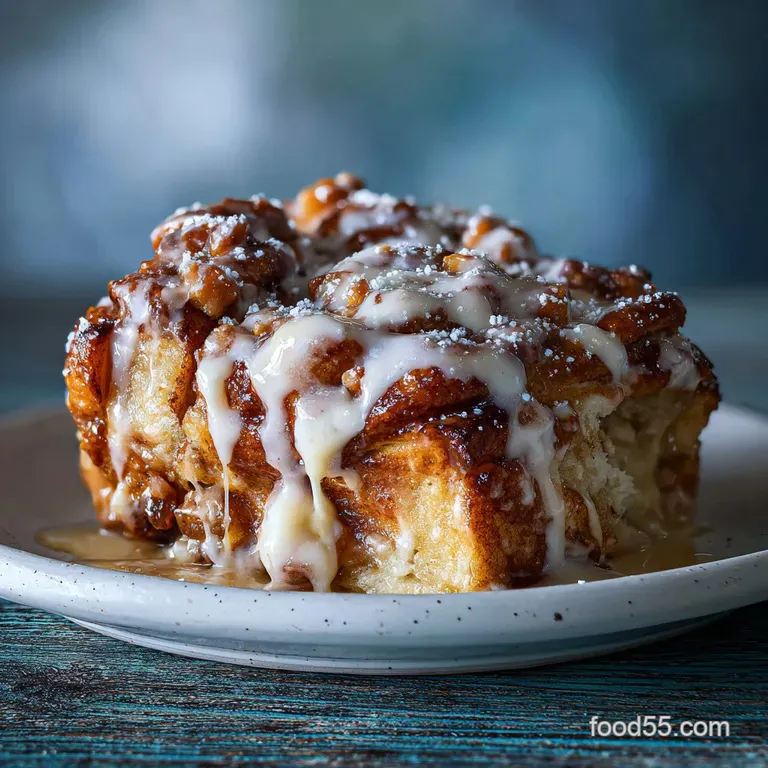
This dough is incredibly soft, much like the enriched base in my Homemade Dinner Rolls recipe, which also focuses on that buttery finish.
- Activate yeast: Combine warm milk, honey, and yeast in your mixer bowl. Note: Let it sit 5-10 mins until it looks foamy and smells like bread.
- Mix liquids: Whisk in the Greek yogurt, melted butter, and egg until smooth.
- Add dry ingredients: Incorporate 4 cups of flour and salt. Note: Keep the remaining 0.25 cup for dusting your surface.
- Knead: Use the dough hook for 8 mins until the dough pulls away from the sides and feels tacky but not sticky.
- First rise: Cover and let rise in a warm spot for 1 hour until doubled in size.
- Roll and fill: Roll dough into a 12x18 inch rectangle. Spread softened butter, then sprinkle the sugar and spices.
- Cut and chill: Roll tightly and cut into 12 even pieces using floss. Place in a greased pan, cover, and refrigerate 8-12 hours.
- Final prep: Remove from fridge and let sit for 30 mins while the oven preheats to 350°F.
- The cream soak: Pour the 0.33 cup heavy cream between the rolls until the gaps are filled with liquid.
- Bake: Bake for 25 mins until the tops are golden brown and the house smells like a bakery.
- Frost: Whisk cream cheese, powdered sugar, and vanilla. Spread over warm rolls until it melts into the spirals.
Solving Your Common Baking Hurdles
If you’ve ever ended up with a roll that’s raw in the middle or hard on the edges, you aren't alone. These are common growing pains for any home baker.
Why Your Rolls Didn't Rise
If your dough is a flat disc after an hour, your yeast likely died. This usually happens because the milk was too hot (over 120°F) or the yeast was expired. Always check the "bloom" in step one.
If it doesn't foam, stop there and start over it's better to waste a cup of milk than 4 cups of flour.
Preventing a Soggy Middle
That heavy cream hack is brilliant, but if you overdo it, the bottoms won't bake through. Stick strictly to the 0.33 cup measurement. Also, ensure your pan is 9x13; if the rolls are too crowded in a smaller pan, the heat can't circulate, leaving the centers gummy.
| Problem | Root Cause | Solution |
|---|---|---|
| Dry, tough rolls | Too much flour | Measure by weight or spoon and level; dough should be tacky. |
| Filling leaked out | Butter was too melted | Use softened, not liquid, butter for the filling. |
| Rolls are misshapen | Dull knife used | Use unflavored dental floss to "zip" through the dough. |
Common Mistakes Checklist
- ✓ Ensure your egg is room temperature (cold eggs can re solidify your melted butter).
- ✓ Don't skip the 30 minute counter rest after the fridge; the dough needs to "wake up."
- ✓ Use a light colored pan if possible; dark pans can over brown the bottoms.
- ✓ Frost while the rolls are still warm to let that icing seep into every layer.
Creative Flavor Twists to Explore
If you are in the mood for more autumn vibes, this filling technique works wonders in my Classic Pumpkin Spice recipe. You can easily swap the spices or add textures to make these your own.
- Scaling Down: To make 6 rolls, use a 9x5 loaf pan. Beat one egg, use half, and reduce the bake time by about 5 mins.
- Scaling Up: For 24 rolls, use two 9x13 pans. Do not crowd them into one large sheet pan, or the centers will stay raw while the edges burn.
- Zesty Orange: Add the zest of two oranges to the sugar filling and swap the vanilla in the frosting for orange juice.
- Crunchy Pecan: Sprinkle 0.5 cup chopped toasted pecans over the butter before adding the cinnamon sugar.
| Feature | Overnight | Stovetop/Quick |
|---|---|---|
| Flavor Depth | Intense, developed | Mild, yeasty |
| Prep Work | Split over two days | Done all at once |
| Cleanup | Manageable | High stress |
Smart Storage and Reheating Methods
These rolls are best eaten while the steam is still rising from the center, but they do keep surprisingly well. Because of the honey and yogurt, they stay soft longer than your average bread.
Storage: Keep leftover rolls in an airtight container at room temperature for up to 2 days. If you need them to last longer, move them to the fridge for up to 5 days, but know they will firm up.
Freezing: You can freeze the baked, unfrosted rolls for up to 2 months. Wrap them individually in plastic wrap and then foil. To eat, thaw overnight in the fridge and reheat before frosting.
Reheating: Avoid the microwave if you can, as it can make the dough chewy. Instead, pop a roll in a 350°F oven for 5-8 mins. If you must use a microwave, do it in 15 second bursts with a damp paper towel draped over the top to keep the moisture in.
Zero Waste: If you have a couple of rolls that have gone truly stale, don't toss them! Cut them into cubes, toss with a little extra milk and an egg, and bake them into an Overnight Cinnamon Roll Casserole. It’s basically the best French toast bake you’ve ever had.
Best Ways to Serve Rolls
Serving these is all about the "wow" factor. If you love the subtle sweetness honey brings to this dough, you might also enjoy my Classic Whipped Honey recipe on a warm biscuit or as an extra side for those who want even more decadence.
- Coffee Pairing: A dark roast coffee balances the intense sweetness of the coconut sugar and cream cheese.
- The "Warm Frosting" Rule: Always frost the rolls while they are still warm (about 5-10 mins out of the oven). This allows the frosting to melt slightly and create a velvety glaze that coats every single crevice.
- Serving Temperature: Aim for about 115°F internal temperature for the perfect "melt in-your mouth" experience.
Dispelling Common Baking Myths
One big myth is that you must use bread flour for "chewy" rolls. In reality, the high fat content from the butter, egg, and yogurt provides all the structure we need while keeping the bite tender. Another is that you can't over proof in the fridge.
While it takes longer, if you leave them for more than 16 hours, the yeast will eventually exhaust its food supply, and the rolls might collapse in the oven. Stick to that 8-12 hour window for the best rise.
When you pull these out of the oven, and that scent of cinnamon and warm yeast fills the room, you’ll realize that the little bit of prep the night before was the best gift you could give yourself. It's about more than just food; it's about that shared moment at the table, sticky fingers and all.
Enjoy every bite.
Recipe FAQs
Should I let the dough proof completely on the counter before refrigerating?
No, only let it rise for 1 hour before chilling. The majority of the flavor development and rising happens slowly in the cold, which prevents over proofing and creates a superior, complex flavor.
What is the ideal temperature for the milk when activating the yeast?
Use milk between 105°F and 115°F. If the milk is too hot, it will kill the yeast, resulting in flat dough, so always use a thermometer for this crucial step.
How do I cut the rolls cleanly without squishing the spirals?
Use unflavored dental floss or a very sharp, thin knife. Slide the floss under the dough log and cross the ends over the top, pulling gently but firmly to slice through without compressing the filling.
Is it true that using Greek yogurt instead of sour cream will ruin the texture?
No, this is a common misconception. Greek yogurt has a similar acid and fat content which tenderizes the gluten, resulting in an exceptionally moist and slightly tangy crumb structure.
How long should the rolls rest on the counter after coming out of the refrigerator before baking?
Let them rest for at least 30 minutes at room temperature. This brief warm-up allows the dough to relax, ensuring a more even rise in the oven and preventing the edges from baking too fast.
How can I ensure the bottoms of the rolls don't become soggy from the heavy cream soak?
Measure the heavy cream exactly to 0.33 cups and ensure your oven is fully preheated. If you are concerned about an overly wet bottom, you can try baking them on a parchment lined baking sheet instead of directly in the pan.
What is the best way to freeze these cinnamon rolls for later consumption?
Freeze the rolls after baking but before frosting. Wrap the cooled rolls tightly in plastic wrap and then foil to prevent freezer burn, and they will maintain their quality for up to two months.
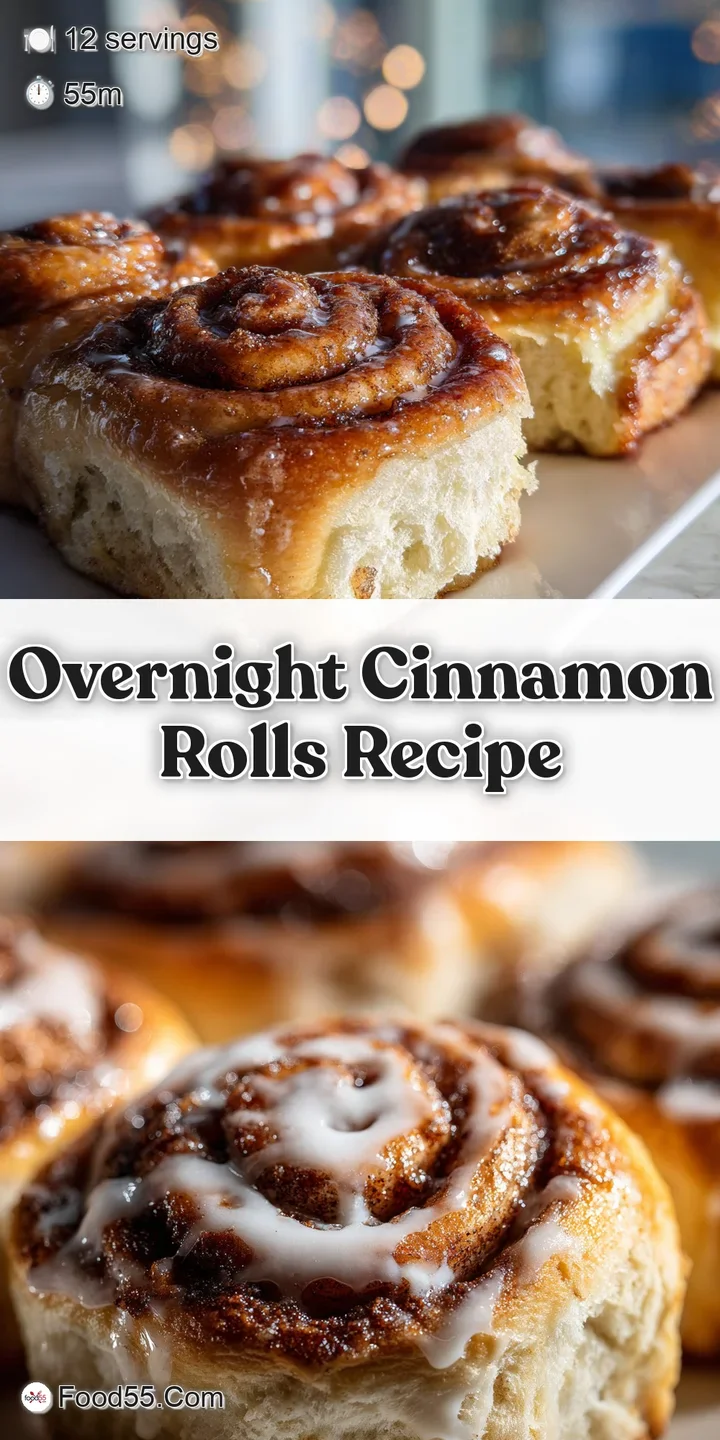
Overnight Cinnamon Rolls Recipe
Ingredients:
Instructions:
Nutrition Facts:
| Calories | 384 kcal |
|---|---|
| Protein | 7.4 g |
| Fat | 14.9 g |
| Carbs | 55.1 g |
| Fiber | 2.1 g |
| Sugar | 19.5 g |
| Sodium | 235 mg |
