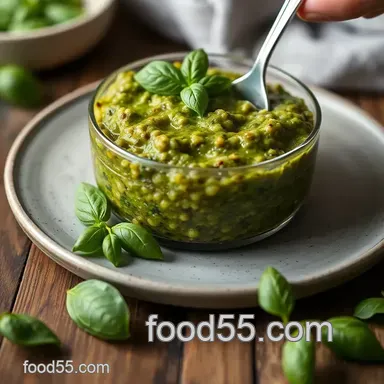
Vibrant Pulsed Basil Pesto
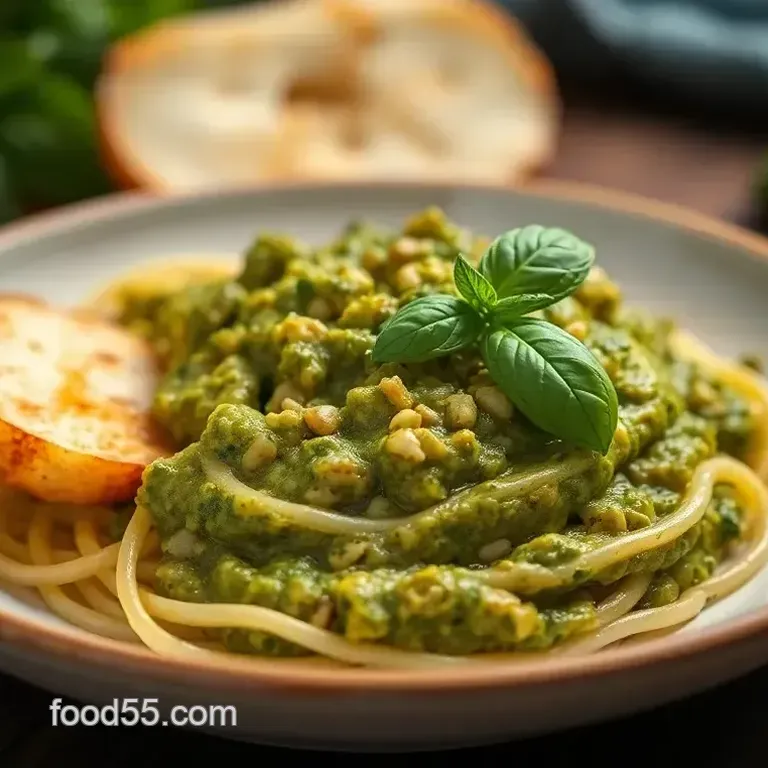
- Time: 5 min active + 2 min cook
- Flavor/Texture Hook: Coarse and aromatic
- Perfect for: Fast weeknight dinners
Making a Fresh Batch of Basil Pesto
The smell of pine nuts hitting a hot skillet is one of my favorite kitchen triggers. It’s that specific, nutty aroma that tells me a meal is actually going to taste like something.
I remember one Tuesday when my calendar was a disaster and I had exactly ten minutes to make something that didn't feel like "emergency food."
I threw together a batch of Basil Pesto, and it felt like a win. It's the kind of sauce that takes almost no effort but makes a plain bowl of noodles feel like a deliberate choice. You don't need a fancy setup, just a few fresh things and a few minutes of your time.
This recipe is all about speed and color. We're aiming for a vibrant green that doesn't fade the moment it hits the air. By focusing on the temperature of the oil and the way we chop the herbs, you get a result that's fresh, peppery, and rich.
The Necessary Tools
You'll need a food processor for this. While a mortar and pestle is the traditional way, we're going for speed here. A small or medium processor works best so the ingredients don't just fly around the bowl without getting chopped.
You also need a small skillet for the nuts. A non stick pan is fine, but stainless steel lets you see the browning a bit better. Finally, grab a rubber spatula. You'll need it to scrape the sides of the bowl since the pesto tends to cling to the walls.
The Fresh Ingredient List
The quality of the herbs determines the final result. This Basil Pesto relies on fresh, non wilted leaves. If the basil is already turning black in the bag, the sauce will look muddy.
The fats here come from two places: the pine nuts and the olive oil. Using chilled oil is a trick I picked up to keep the basil from heating up. The Parmesan adds the necessary salt and a bit of a gritty, savory finish.
What Each Ingredient Does
- Fresh Basil: Provides the peppery, aromatic base.
- Pine Nuts: Adds a creamy, buttery depth.
- Garlic: Brings a sharp, pungent kick.
- Lemon Juice: Brightens the flavor and helps preserve the color.
- Olive Oil: Binds everything together into a glossy sauce.
- Parmesan: Adds salt and a rich, aged savoriness.
The Quick Recipe Specs
| Original Ingredient | Substitute | Why It Works |
|---|---|---|
| Pine Nuts (1/3 cup) | Walnuts (1/3 cup) | Similar earthiness. Note: Slightly more bitter than pine nuts |
| Parmesan (1/2 cup) | Pecorino Romano (1/2 cup) | Both are hard cheeses. Note: Pecorino is saltier and tangier |
| Olive Oil (1/2 cup) | Grapeseed Oil (1/2 cup) | Neutral fat content. Note: Lacks the fruity flavor of olive oil |
Right then, let's look at the time and yield. This is a fast one.
- Prep time: 5 minutes
- Cook time: 2 minutes
- Total time: 7 minutes
- Yield: 8 servings
How to Put It Together
Begin your Basil Pesto by preparing the nuts.
- Heat pine nuts in a small skillet over medium-low heat. Stir frequently for 2-3 minutes until they smell nutty and turn a pale golden brown. Remove them from the heat immediately.
- Add the toasted pine nuts, garlic cloves, lemon juice, salt, and pepper to the food processor.
- Pulse 5-7 times until the garlic is minced and the nuts are coarsely chopped.
- Add the fresh basil leaves to the processor.
- Pulse in short bursts, about 10-12 times, until the basil is finely chopped but still has some texture.
- Set the processor to low or keep pulsing. Gradually drizzle in the chilled extra virgin olive oil in a steady stream until the mixture is integrated and glossy.
- Add the grated Parmesan cheese.
- Pulse 2-3 more times just until combined. Use a spatula to scrape down the sides for a consistent blend.
Chef's Note: Try freezing your olive oil for 10 minutes before using it. This keeps the basil leaves cool during the pulsing process, which prevents them from oxidizing and turning brown.
Fixing Common Pesto Problems
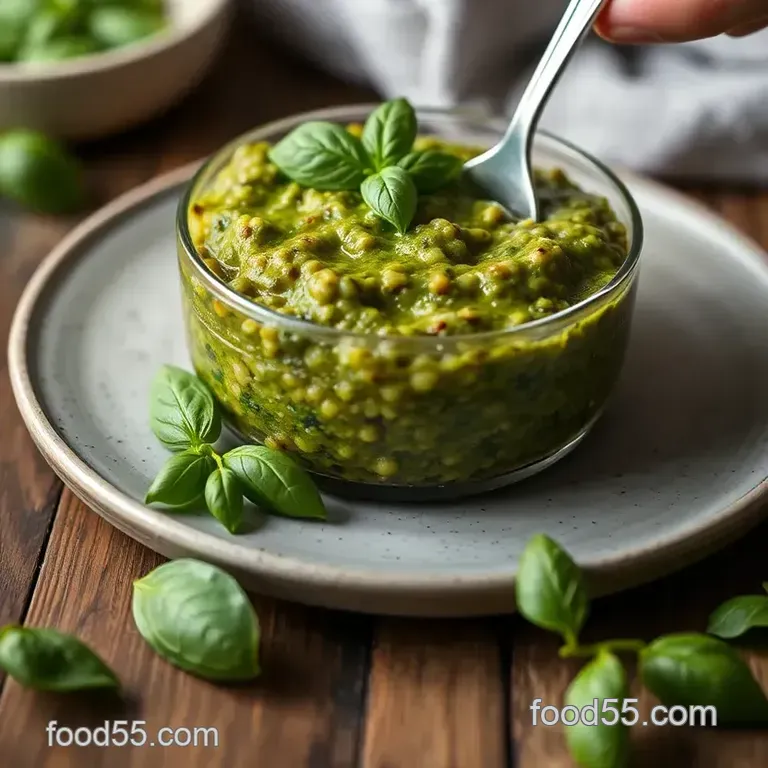
The most annoying thing about this sauce is when the color fades. If you over process the basil, the blades create heat. This heat breaks down the chlorophyll and turns your vibrant green into a dull army brown.
Another issue is the texture. Some people end up with a thin soup, while others get a thick paste. It's all about the oil to herb ratio. Seriously Eats' testing suggests that avoiding a continuous blend prevents the "muddy" look and maintains a better bite.
Eliminating Bitter Notes
If the sauce tastes bitter, you probably burnt the pine nuts or over processed the garlic. Make sure the nuts are pale gold, not dark brown.
Correcting Thin Consistency
When the sauce feels too runny, you likely added the oil too quickly or used too much. You can fix this by stirring in an extra tablespoon of Parmesan.
Stopping the Color Fade
To keep it green, always use the pulse button. Never let the motor run for minutes at a time.
| Problem | Root Cause | Solution |
|---|---|---|
| Basil Pesto looks brown | Over processing or heat | Use chilled oil and pulse in short bursts |
| Texture is too grainy | Nuts weren't chopped enough | Pulse nuts and garlic before adding basil |
| Flavor is too bland | Not enough acid or salt | Add a squeeze more lemon juice or a pinch of salt |
Adjusting the Batch Size
When scaling your Basil Pesto, be careful with the garlic and salt. If you double the recipe, don't double the salt immediately. Start with 1.5x the salt and taste it first, as the cheese already brings a lot of sodium.
For a half batch, use a smaller food processor if you have one. If the ingredients don't reach the blades, you'll end up with chunks of garlic and whole basil leaves. If you're using a large machine, you might need to add a teaspoon more oil to help the blade catch the smaller volume.
- For a nuttier taste
- toast pine nuts for an extra minute.
- For a brighter acidity
- add 1 tsp extra lemon juice.
- For a thicker paste
- reduce oil by 2 tbsp.
Debunking Common Pesto Myths
There is a common idea that you must use a mortar and pestle to get a "real" texture. That's not true. While it's traditional, a food processor using the pulse setting achieves a very similar rustic result in a fraction of the time.
Another myth is that adding lemon juice "cooks" the basil. It doesn't. The citric acid simply helps stabilize the color and cuts through the heavy fat of the oil and nuts.
Keeping Your Pesto Fresh
To store your Basil Pesto, the primary goal is to minimize air exposure. Transfer the sauce into a glass jar and use a spoon to press it down, removing any air bubbles. Pour a thin layer of olive oil over the surface to create a protective seal.
It will remain fresh in the refrigerator for about 5 days. For longer preservation, freeze the pesto in ice cube trays. After they have frozen, transfer the cubes to a freezer bag. These last for 3 months and are ideal for adding a quick flavor boost to pasta or soup.
Ways to Change It Up
You can experiment with different types of Basil Pesto by swapping the nut base. Walnuts are a great, cheaper alternative to pine nuts. For a completely different vibe, try a Lightened Up Basil Pesto if you want something less heavy.
If you're out of basil, try using baby spinach or kale. This creates a "pesto style" sauce that is still vibrant and healthy. Just be sure to blanch the kale for 30 seconds first to soften the texture.
Comparison: Fast vs Classic
| Feature | Fast (Processor) | Classic (Mortar) |
|---|---|---|
| Tool | Food Processor | Mortar & Pestle |
| Time | 7 minutes | 20+ minutes |
| Texture | Uniform Pulse | Hand Crushed |
Ways to Serve It
While pasta is the most classic pairing, there are plenty of other ways to enjoy this. Use it as a flavorful sandwich spread or as a dip for crisp raw vegetables. It also makes a fantastic filling for Sourdough Pesto Knots recipe when serving a group.
For a bright summer starter, spread the pesto onto toasted baguette rounds and top each with a slice of mozzarella and a piece of heirloom tomato. The creamy cheese perfectly complements the zest of the sauce.
Regardless of whether you're tossing it with pasta or spreading it on a sandwich, be careful with the heat. Avoid boiling the sauce, as high temperatures can brown the vibrant green color and cause the basil to turn bitter. Simply stir it into your hot pasta after removing it from the stove.
I hope you enjoy this Basil Pesto! It is an easy, colorful way to add seasonal brightness to your meals without spending all day in the kitchen. Now, let's get blending!
Recipe FAQs
How to toast pine nuts for this recipe?
Stir them in a small skillet over medium-low heat for 2–3 minutes until pale golden brown.
Tip: Remove them from the pan immediately to stop the cooking process.
Why does my pesto turn brown so quickly?
Basil oxidizes when exposed to heat and air.
Tip: Lay plastic wrap flat against the surface of the sauce to keep oxygen out.
Is it true that a food processor ruins the traditional texture?
That's a myth. Pulsing in short bursts mimics the coarse chop of a mortar and pestle.
Tip: Use a spatula to scrape down the sides so you don't over-process the bottom.
What can I serve this sauce with?
This pairs beautifully with a chicken flatbread for a fast meal.
Tip: Try it as a spread for sandwiches or a dip for fresh vegetables.
Which ingredients should be processed first?
Pulse the toasted pine nuts, garlic, lemon juice, salt, and pepper together first.
Tip: Ensure the garlic is fully minced before adding the delicate basil leaves.
Should the pesto be cooked after blending for safety?
This one's false: the sauce is designed to be eaten raw to preserve the fresh basil flavor.
Tip: If adding to pasta, stir it in at the very end off the heat.
Must the olive oil be room temperature for a better emulsion?
No, this is a common misconception. Chilled extra-virgin olive oil helps maintain the vibrant green color of the basil.
Tip: Drizzle the oil in a steady stream while the processor is running on low.
Basil Pesto in 7 Minutes