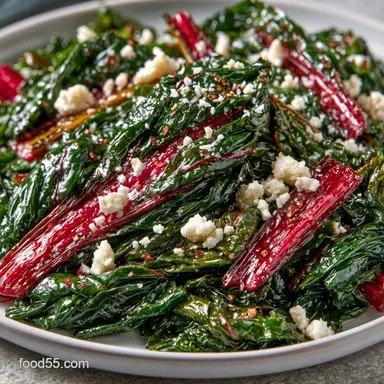
Roasted Swiss Chard with Feta: Baked with Garlic
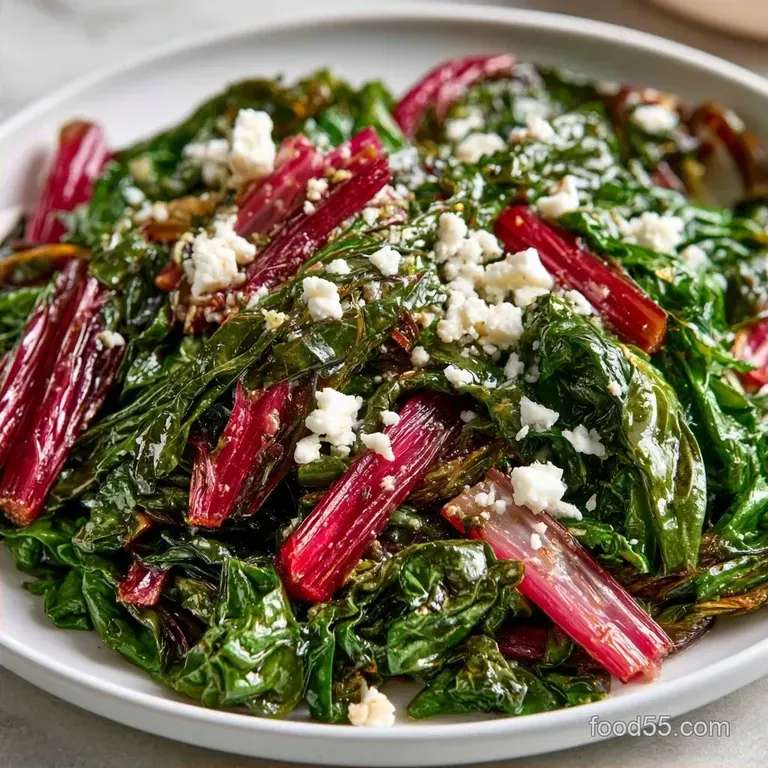
- Time: 15 min active + 20 min roasting
- Flavor/Texture Hook: Mahogany crisp leaves and salty, melted feta
- Perfect for: Vibrant seasonal side dish
- Roasted Swiss Chard with Feta
- Why This Method Works
- What Each Ingredient Does
- The Full Ingredient List
- Tools Needed for Success
- Putting It All Together
- Fixing Common Issues
- Adjusting the Portion Size
- Common Kitchen Myths
- Keeping Leftovers Fresh
- Plating for Color
- Different Flavor Twists
- Recipe FAQs
- 📝 Recipe Card
Roasted Swiss Chard with Feta
The scent of singed greens and gooey cheese greets you the moment you open the oven door. It's a pungent, savory fragrance that transforms your kitchen into a cozy Mediterranean cafe in the fall. I once dismissed chard as merely "upscale spinach," but that was a mistake.
Stop assuming chard belongs in a steamer or a sauté pan where it turns into a limp, watery heap. Treating it like spinach often leads to a soggy result with a metallic tang. By roasting it instead, the moisture evaporates and the natural sugars intensify.
The result is something completely unique. This Roasted Swiss Chard with Feta offers a bold contrast between the crisp leaves and the salty, creamy cheese. It’s a vibrant addition to any meal, perfect for when you want a side that feels fresh and seasonal.
Why This Method Works
- Staggered Roasting: Stems take longer to soften than leaves. Cooking them first ensures the stems are tender and the leaves aren't burnt to a crisp.
- High Heat: Roasting at 200°C quickly dries the surface of the leaves. This creates those mahogany, crispy edges instead of a steamed texture.
| Method | Time | Texture | Best For |
|---|---|---|---|
| oven roasted | 20 mins | Crispy edges, tender stems | Big batches, deep flavor |
| Stovetop Sauté | 10 mins | Soft, wilted, juicy | Quick weeknight sides |
I've found that the oven method wins every time for flavor. The dry heat concentrates the taste of the chard in a way a pan just can't.
What Each Ingredient Does
| Ingredient | Role | If You Don't Have It |
|---|---|---|
| Swiss Chard | Main earthy base | Kale or Collard greens |
| Feta Cheese | Salty, tangy punch | Goat cheese or Halloumi |
| Lemon Juice | Brightness/Acid | Apple cider vinegar |
| Parmesan | Golden crust | Pecorino Romano |
The combination of these ingredients creates a balanced profile. The lemon juice is especially important because it cuts through the richness of the two cheeses.
The Full Ingredient List
- 1 bunch (450g) Swiss chard, leaves and stems separated Why this? The larger leaves maintain their structure when roasted.
- 3 tbsp extra virgin olive oil Why this? It stands up well to roasting temperatures.
- 3 cloves (15g) garlic, minced Why this? Gives the dish aromatic depth.
- 1/2 tsp kosher salt
- 1/4 tsp freshly cracked black pepper
- 1/2 cup (75g) crumbled feta cheese Why this? Offers a salty and creamy counterpoint.
- 2 tbsp (10g) Parmesan cheese, finely grated
- 1 tsp fresh lemon juice Why this? Brightens the earthy flavor of the greens.
If you don't have feta, crumbled goat cheese is a great substitute. It provides a similar tang while being creamier and slightly less salty.
Tools Needed for Success
You don't need much for this. A large rimmed baking sheet is a must so the oil doesn't drip onto your oven floor. I always use parchment paper because it prevents the chard from sticking and makes cleanup a breeze. A large mixing bowl helps in coating the stems and leaves evenly without bruising them.
Putting It All Together
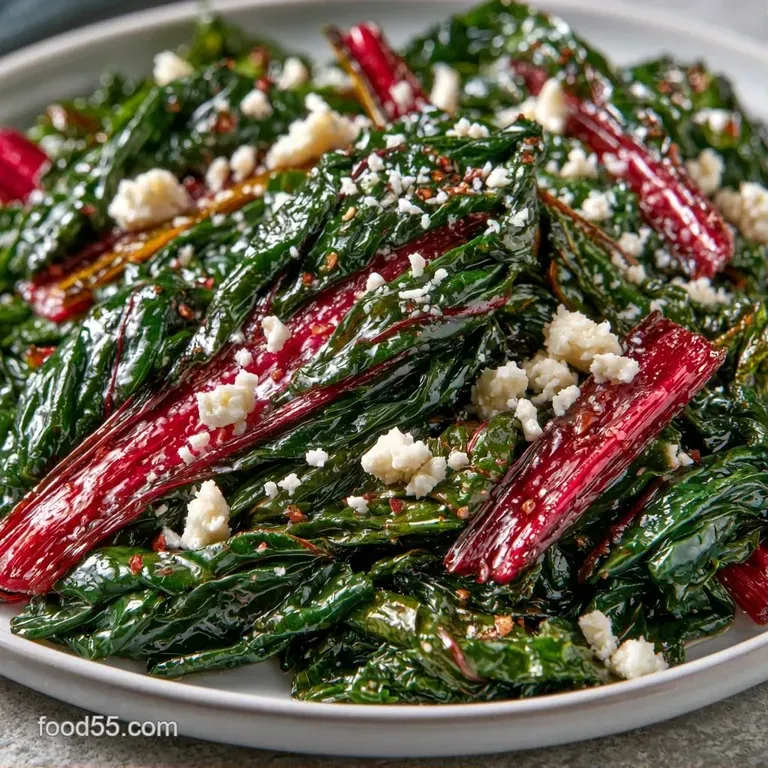
Phase 1: The Prep
Set your oven to 400°F (200°C). Line a large rimmed baking sheet with parchment paper. Cut the separated chard stems into 1/2 inch pieces and chop the leaves into 2 inch ribbons.
Phase 2: Roasting the Stems
In a mixing bowl, toss the stems with 1 tbsp of olive oil, half of the minced garlic, salt, and pepper. Spread them on the baking sheet and roast for 8–10 minutes until they are fragrant and slightly softened.
Phase 3: The Final Roast
Slide the roasted stems to one side of the pan and add the chard leaves. Drizzle with the remaining garlic and olive oil, tossing gently to coat. Return to the oven for 5–7 minutes until the edges turn mahogany and become crisp.
Phase 4: The Feta Melt
Remove the tray from the oven. Immediately sprinkle the grated Parmesan and crumbled feta over the greens, then drizzle with lemon juice. Return to the oven for 2 minutes until the Parmesan forms a golden crust and the feta softens.
Fixing Common Issues
If your chard comes out watery, it's usually because the pan was too crowded. When the leaves overlap too much, they trap steam instead of roasting. This turns your dish into a sauté rather than a roast.
Another issue is burnt garlic. Garlic burns quickly at 200°C. To avoid this, make sure the garlic is minced finely and well coated in oil before it hits the pan.
Preventing Soggy Greens
Don't pile the leaves. Spread them in a single layer. Use two pans if your bunch of chard is particularly massive.
Avoiding Burnt Garlic
Mix garlic into the oil first. This protects the garlic from direct heat for the first few minutes.
Managing Bitter Notes
If the chard tastes too bitter, add an extra squeeze of lemon at the end. Acid neutralizes bitterness instantly.
| Problem | Fix |
|---|---|
| Watery/Soggy leaves | Use a larger pan; don't crowd |
| Bitter taste | Increase lemon juice |
| Burnt garlic | Toss with oil before roasting |
Trust me on the pan size. I once tried to cram two bunches of chard on one sheet and ended up with a boiled looking vegetable.
Adjusting the Portion Size
If you're cooking for just one or two, you can halve the recipe. Use a smaller baking sheet or a toaster oven tray. Reduce the roasting time for the stems by about 2 minutes since there's less mass in the oven.
When doubling the recipe for a crowd, do not double the garlic or salt. Go for about 1.5x the seasonings. Too much salt can make the feta feel overwhelming. Work in batches with two separate pans to maintain that crispy texture.
- For a crispier finish
- Use two baking sheets to avoid crowding.
- For more tang
- Increase lemon juice to 2 tsp.
- For milder flavor
- Soak raw chard in cold water for 10 minutes.
Common Kitchen Myths
Some people think you have to boil chard to remove "oxalates" or bitterness. While boiling works, roasting at high heat achieves a similar flavor shift through caramelization without losing all the nutrients.
Another myth is that you should throw away the stems. The stems are actually the best part of Roasted Swiss Chard with Feta. They provide a crunch that balances the soft leaves.
Keeping Leftovers Fresh
Store any leftovers in a container in the cooler for up to 3 days. The leaves will lose their crispness, but the flavor remains. To reheat, skip the microwave. Put them back in a 200°C oven for 3-5 minutes on a tray. This brings back the crunch.
Don't freeze this dish. The feta and chard both have high water content, which means they'll turn mushy once thawed.
To reduce waste, use any remaining chard stems in a vegetable stock. They add a lovely earthy base. If you have leftover feta, it's great crumbled over a salad. This brightness cuts through something heavy, like my Mac and Cheese recipe.
Plating for Color
Since this dish is dominated by deep greens and white feta, you need a few color accents to make it pop. I recommend adding these three garnishes:
- Red Pepper Flakes: Add these right before serving for a hit of red.
- Toasted Pine Nuts: Sprinkle these on top for a golden brown hue.
- Fresh Parsley: Chop a few leaves for a bright, vivid green contrast.
Place the roasted chard on a white platter to make the mahogany edges stand out. The white feta creates a beautiful contrast against the dark leaves. If you're serving this with a meal, it pairs well with French Onion Soup for a cozy, wintery spread.
Different Flavor Twists
Feel free to customize this dish based on your preferences. Toss in some toasted walnuts or sliced almonds during the last 2 minutes of roasting for a nutty crunch.
To introduce a sweet and savory contrast, drizzle a teaspoon of maple syrup or honey over the greens just before stirring in the feta. This balances the chard's natural bitterness beautifully.
For a plant-based version, omit the Parmesan and substitute with a vegan feta. Nutritional yeast is another great addition to achieve that savory, cheesy taste without using dairy.
Final suggestion: stir a bit of smoked paprika into the olive oil. This lends the Roasted Swiss Chard with Feta a rustic, campfire-inspired depth.
Recipe FAQs
How to roast Swiss chard in the oven?
Heat your oven to 400°F (200°C) and roast the stems for 8–10 minutes. Add the leaves for 5–7 more minutes, then top with cheese for a final 2 minutes.
Which technique removes the bitterness from chard?
Roast the greens at 400°F (200°C) to caramelize the natural sugars. High heat transforms the bitter notes into a sweet, nutty flavor.
How long does chard take to roast?
Allow about 15 to 20 minutes for the total roasting process. Stems require the most time, while leaves and cheese only need a few minutes each.
What does Swiss chard taste like?
It tastes like a more robust, earthy version of spinach. Roasting concentrates these flavors and adds a caramelized sweetness.
Is it true that Swiss chard shouldn't be eaten every day?
That's a myth. It is a nutrient-dense vegetable that fits easily into a daily healthy diet.
What are the best ways to cook chard?
Roasting is ideal for those who prefer crispy edges and deep, concentrated flavor. If you enjoyed the way high heat transforms these greens, see how we use a similar flavor-building technique in our taco seasoning blend.
Can you use both stems and leaves?
Yes, use both to avoid waste and add texture. Stems provide a tender crunch that complements the crispy leaves.
Roasted Swiss Chard with Feta: 4 Servings