Cuban Food Recipes: Authentic Ropa Vieja Shredded Beef
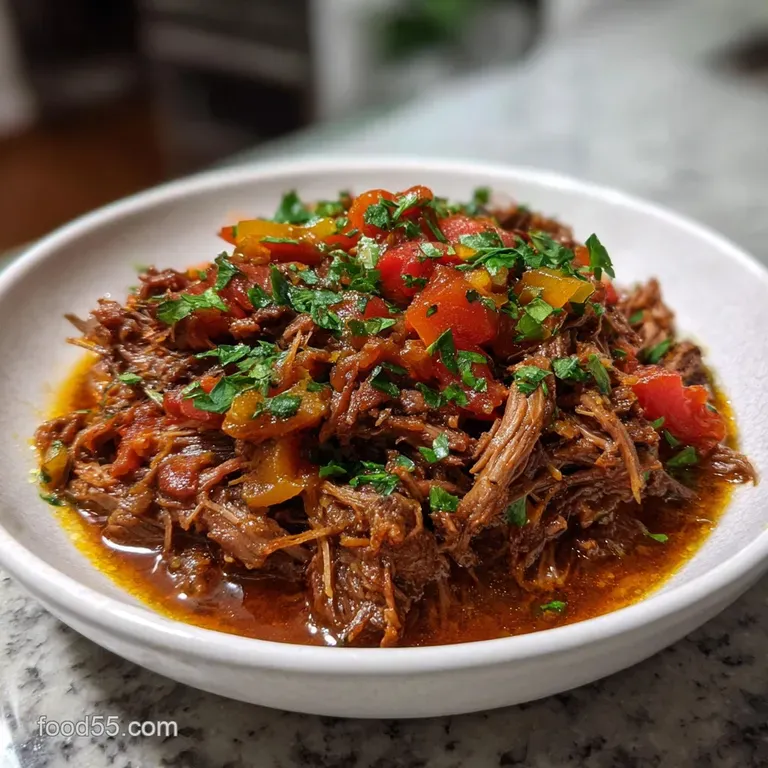
- Ropa Vieja: The Heart and Soul of Cuban Comfort Food
- The Culinary Alchemy: Why This Slow-Cooked Dish Excels
- Gathering Your Authentic Cuban Food Recipes Ingredients
- Essential Cuts and Substitutions for Perfect Shredding
- Step-by-Step Method: Transforming Beef into Tender Ropa Vieja
- The Simmering Process: Achieving Maximum Depth of Flavor
- Pro Chef's Secrets and Avoiding Common Culinary Mistakes
- Pairing Your Ropa Vieja: Traditional Cuban Dinner Servings
- Preparation Ahead: Storage, Freezing, and Reheating
- Recipe FAQs
- 📝 Recipe Card
Ropa Vieja: The Heart and Soul of Cuban Comfort Food
You know that deep, intoxicating scent that hits you when slow cooked meat and sweet peppers mingle? That’s the smell of home, and specifically, the smell of truly great Cuban Food Recipes .
It’s the kind of aroma that makes you stop whatever you’re doing and float into the kitchen, desperately hoping the food is ready.
This Ropa Vieja is a straight-up lifesaver; it’s one of those amazing Family Meals that takes humble, affordable ingredients and transforms them into a spectacular feast.
Honestly, once you’ve done the chopping, the oven does all the heavy lifting for you, making this one of my favourite hands off Dinner Recipes for the weekend.
If you’ve been intimidated by Cuban Cuisine before, this is where we start. This particular recipe for Ropa Vieja literally meaning "old clothes" is tender, briny, sweet, and tangy, nailing every single flavour component that makes good Cuban Food Recipes so addictive.
So grab your Dutch oven, because we’re making something epic!
The Culinary Alchemy: Why This Slow Cooked Dish Excels
The brilliance of Ropa Vieja is hiding in plain sight: it’s all about moisture, time, and that legendary sofrito . When you’re dealing with tough cuts like flank or skirt steak, slow braising breaks down the collagen entirely, which is why the strands of meat become so impossibly tender they resemble, well, old, worn out fabric.
We want that melt-in-your mouth texture paired with intense, concentrated savoury sauce.
The 'Old Clothes' Legend: Understanding the Name
The story typically goes that a penniless old man shredded his own clothes and cooked them for his family; the resulting dish was so infused with love and spirit that it tasted like the richest stew. That’s why it’s called Ropa Vieja!
It’s a beautiful testament to how central resourcefulness is to Cuban Food Recipes , turning necessity into culinary poetry.
Beyond Picadillo: Why Ropa Vieja Is the Ultimate Cuban Stew
While Picadillo is lovely and fast, using ground meat, Ropa Vieja is the ultimate slow cooked Cuban comfort experience. It demands flank steak, which provides those long, satisfying, chewy strands once it’s properly cooked and shredded.
The texture contrast achieved here silky sauce against tender, chunky strands is unmatched in other Caribbean Recipes .
The Essential Flavor Profile: Tomatoes, Peppers, and Olives
The signature flavour comes from the classic Cuban trio: bell peppers, onions, and garlic, slowly married into a tomato base. The key is balance. The olives and often vinegar or lime juice provide the requisite briny tang, which cuts through the richness of the long cooked meat perfectly.
The Science of Texture: Achieving Perfectly Tender Shredded Beef
The initial over high heat sear locks in flavour without cooking the meat through. Then, cooking in a closed Dutch oven at a very low temperature (around 325°F or 160°C) keeps the moisture locked in, converting that tough collagen into glorious gelatin.
Trust me, if your beef isn’t shredding easily, it’s not done. Put it back in!
Gathering Your Authentic Cuban Food Recipes Ingredients
Making Cuban Food Recipes Easy relies on using high-quality ingredients, yes, but also understanding where you can swap things out without losing the essential Cuban flavour profile.
I’ve made mistakes trying to find exactly the right stuff, but learned that a few simple pantry swaps work just fine, especially for cuban food recipes ropa vieja .
| Ingredient | Why We Use It | The Best Substitute |
|---|---|---|
| Flank Steak | Long fibers for shredding | Skirt steak or even a bottom round roast |
| Pimento Olives | Signature salty, briny notes | Capers, brine, or even plain green olives |
| Dry White Wine | Essential acidity and depth | Reduced beef stock mixed with a splash of white distilled vinegar |
Essential Cuts and Substitutions for Perfect Shredding
The Foundation: Selecting the Best Flank or Skirt Steak
I usually go for flank steak because it’s generally easier to find and gives you those magnificent long strands when shredded. Don't worry about trying to trim off every speck of fat beforehand; a little fat going into the braise helps keep the flavour deep.
The Sofrito Base: Getting the Right Bell Peppers and Onions
You absolutely need at least one red and one green bell pepper the colour is beautiful, but the green offers a necessary bitter note that balances the sweetness of the long cooked red pepper and onion. Use yellow onions for the sweetest result when caramelizing in the pan.
The Cuban Secret Weapon: Mastering Capers and Olives for Brine
These salty little bursts are non-negotiable for Ropa Vieja. They provide that classic, lip-smacking tang. I’ve tried making Ropa Vieja without them once, and it tasted desperately flat. Lesson learned: the briny pop is mandatory for correct Cuban Food Recipes .
Achiote Oil vs. Annatto Seeds: Bringing Deep Red Colour
Achiote (Annatto) oil gives many Cuban Food Recipes that beautiful, intense orange red colour. If you don't have it, a decent amount of smoked paprika combined with the tomato paste will usually give you a similar, deep colour and earthy flavour.
It’s not traditional, but it works surprisingly well in a pinch!
step-by-step Method: Transforming Beef into Tender Ropa Vieja
The Simmering Process: Achieving Maximum Depth of Flavor
This isn't just about cooking the muscle; it's about infusing it with every layer of the sauce. Don't rush this braising stage! Low and slow is the only mantra that matters when making great Cuban Food Recipes .
Phase 1: Boiling and Shredding the Beef Base
Start by drying the beef and searing it hard in the Dutch oven until a beautiful dark crust forms. Remove the meat; we’ve built the foundation. Now, add your stock, bay leaves, and return the seared meat to the pot.
Braising the beef first (and using that initial, flavourful liquid later) ensures the meat is perfectly seasoned when it shreds.
Phase 2: Building the Signature Sofrito
Using the same pot with all those beautiful brown bits (the fond ) still sticking to the bottom, sauté the sliced onions and peppers over medium heat for a full 8 to 10 minutes until they completely soften.
Add the garlic and spices like cumin and oregano, cooking until they smell toasted and nutty about one magical minute. Then deglaze with wine. This sofrito step is the entire heart of this flavor. Commit to it.
Phase 3: Combining the Ingredients and Slow Simmering
Stir in the crushed tomatoes and the tomato paste, which thickens everything beautifully. Introduce your braised beef and the cooking liquid from Phase 1 (minus the bay leaves). Bring it to a simmer, cover it up tight, and slide it into a low oven.
This is where the magic happens over 3+ hours; your house will smell incredible.
Adjusting Acidity and Salt at the Finish Line
Once the meat is shredded and added back to the simmering sauce along with the olives, taste the sauce. This is your moment. Does it taste amazing, or does it taste a little flat? It usually needs more salt, or maybe a tiny squeeze of lime juice or vinegar to wake up the flavours.
That final acid boost makes the dish sing!
Pro Chef's Secrets and Avoiding Common Culinary Mistakes
CRUCIAL CHEF’S NOTE: If you use canned crushed tomatoes, they can sometimes be extremely acidic. The function of the brown sugar is non-negotiable here; it takes the raw edge off the acid without making the dish taste sweet. It’s purely for balancing the flavor profile.
- Mistake: Not searing the beef properly. The Fix: Pat the meat bone dry before seasoning. If it steams, you won't get that crucial dark brown crust, which adds a deep savoury complexity.
- Mistake: Pulling the beef out too early. The Fix: You need 3 hours minimally, sometimes 3. 5 hours, for the flank steak to become truly fork tender. If it’s tough, it must go back for more slow heat.
- Mistake: Rushing the Sofrito. The Fix: Cook the onions and peppers until they are totally soft, translucent, and sweet, not browned or crisp. That sweetness is vital for this Cuban Food Recipes dish.
Pairing Your Ropa Vieja: Traditional Cuban Dinner Servings
This Ropa Vieja is fantastic, but it’s only one part of a great Cuban plate. If you’re building a full Dinner Recipes menu, you absolutely need the classic sides. I sometimes serve this alongside my quick weeknight favourite, the Weeknight Recipes Inspiration: 30 Min Sausage Orzo Traybake , if I'm not doing traditional rice.
Preparation Ahead: Storage, Freezing, and Reheating
Ropa Vieja is one of those dishes that actually tastes better the next day, once the fibres of the meat have had overnight to truly soak up the sauce. This makes it an ideal choice for meal prepping.
The Importance of Rest: Beef Shredding Temperature
Don't shred the beef immediately when you take it out of the sauce; let it rest for about 10 minutes first. This allows the juices to redistribute, leading to moister, more flavourful strands. Use two forks or a pair of meat claws it should fall apart effortlessly.
Troubleshooting: If Your Sauce is Too Thin or Too Oily
If your Ropa Vieja sauce is too thin after simmering the shredded beef, simply remove the beef again, bring the sauce back to a rapid simmer, and reduce it (uncovered) for about 10– 15 minutes until it thickens to your liking.
If it’s too oily (which can happen with certain cuts of beef), let it sit for a few minutes and skim the excess fat off the top with a large spoon.
Essential Side Dishes: Pairing with Frijoles Negros and White Rice
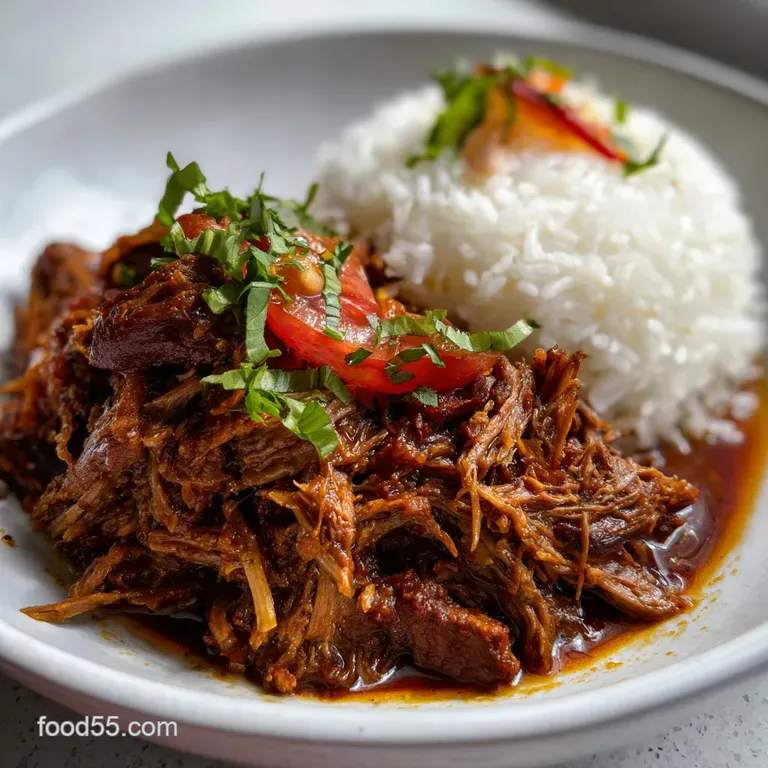
You can’t have Ropa Vieja without Black Beans And Rice ! Serve the shredded beef nestled beside a fluffy mound of white rice, perfect for soaking up all that incredible sauce.
A side of frijoles negros (Cuban black beans) cooked simply with cumin and garlic completes the trifecta for a truly authentic Cuban Cuisine experience.
Practical Guide: Keeping Leftovers Fresh for the Week
Ropa Vieja stores beautifully! Refrigerate leftovers tightly sealed for up to 4 days. To freeze, let the full shredded dish cool completely, then transfer it to a rigid, freezer safe container, leaving about an inch of headspace. It will keep well in the freezer for about 3 months.
To reheat, thaw overnight and warm gently on the stovetop until bubbling. You will find that this delightful Cuban Food Recipes dish is just as fantastic the second time around, proving why cuban food recipes ropa vieja is a universally loved Family Meals classic.
Recipe FAQs
Why is my Ropa Vieja tough or dry after cooking?
Toughness is usually caused by cooking the beef too quickly or not long enough. Ropa Vieja requires a low and slow cooking process (at least 3-4 hours) for the connective tissues in the flank steak to fully break down, resulting in that signature tender, shreddable texture.
Ensure the beef is always submerged in liquid while simmering.
Can I use a different cut of beef instead of flank steak for Ropa Vieja?
Absolutely; traditional recipes often use flank steak, but skirt steak or even chuck roast work brilliantly. Chuck roast is fattier and yields a magnificent pot roast flavour, while skirt steak will shred into slightly longer strands. The key is ensuring whatever cut you choose is suitable for long, moist cooking.
What is the best way to store and reheat leftover Ropa Vieja?
Store leftovers in an airtight container in the refrigerator for up to four days. To reheat, warm it gently on the stovetop over low heat, adding a splash of water or beef broth if the sauce seems too thick. Ropa Vieja is fantastic for meal prepping as the flavours deepen overnight.
How can I make this Ropa Vieja recipe spicier?
Cuban food is generally mild, but you can certainly add heat! Try dicing half a jalapeño or a Scotch Bonnet (carefully!) into the sofrito mixture for a fiery kick. Alternatively, stir in a teaspoon of mild smoked paprika or a dash of hot sauce right before serving.
Can I make Ropa Vieja in an Instant Pot or slow cooker?
Yes, both are excellent methods for Ropa Vieja! In a slow cooker, cook on low for 6 8 hours. If using an Instant Pot, pressure cook the seasoned beef for 40 minutes with a natural pressure release. This significantly cuts down on the stovetop cooking time while maintaining flavour.
I don't have sour orange juice (Naranja Agria). What is the best substitute?
Sour orange juice is crucial for the tangy, authentic Cuban flavour, but a simple substitute works well. Mix two-thirds lime juice with one-third regular orange juice. The combination provides the necessary acidity and slight sweetness that Cuban recipes demand.
What side dishes are traditionally served with Ropa Vieja?
Ropa Vieja is classically paired with Arroz Congri (rice cooked with black beans) or plain white rice and black beans. Fried sweet plantains (Maduros) are also a compulsory addition, providing a wonderful burst of sweetness to balance the rich, savory beef stew.
Ropa Vieja Cuban Food Recipes Classic
Ingredients:
Instructions:
Nutrition Facts:
| Calories | 578 kcal |
|---|---|
| Protein | 68.8 g |
| Fat | 24.1 g |
| Carbs | 8.8 g |
