Rosca De Reyes Recipe with Sabor Y Tradición
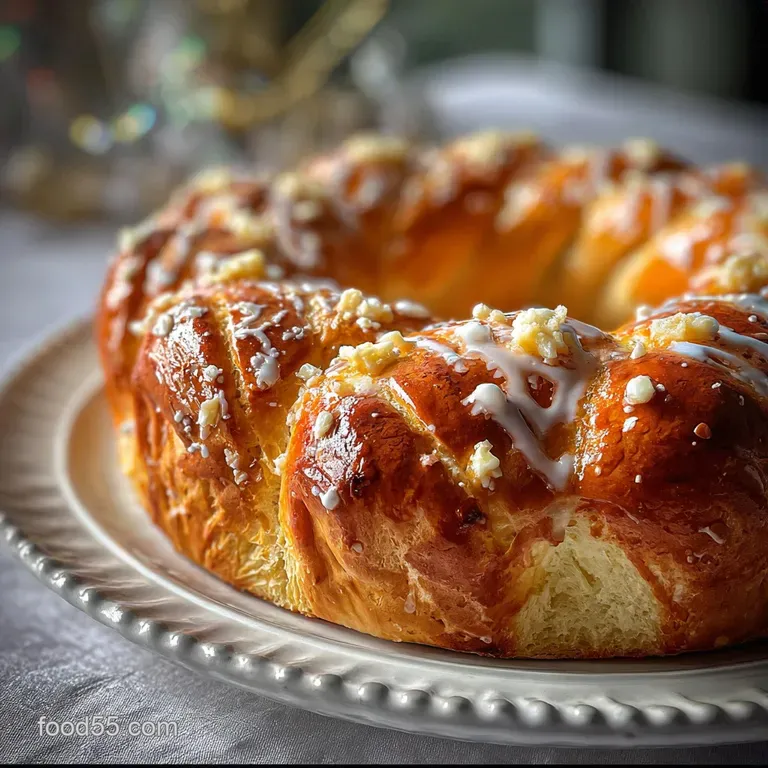
- Time: Active 45 minutes, Passive 16 hours 15 mins, Total 17 hours
- Flavor/Texture Hook: Buttery, citrus infused crumb with a sugary, shatter crisp topping
- Perfect for: Epiphany celebrations, festive family brunches, and tradition focused holiday baking
- Master the Rosca de Reyes Recipe with Sabor y Tradición para Toda
- Master the Science of Soft Bread
- Component Analysis of Mexican Pan
- Selecting Ingredients for Maximum Flavor Depth
- Tools for a Silky Brioche Crumb
- Folding Tradition Into Every Single Bite
- Fixing Common Sourdough and Yeast Errors
- Creative Twists on Tradition
- Scaling Tradition for Big Parties
- Shattering Kitchen Legends
- Preserving Freshness and Reducing Kitchen Waste
- Visual Magic for the Epiphany Feast
- Critical Timing and Texture Success Guide
- Recipe FAQs
- 📝 Recipe Card
Master the Rosca de Reyes Recipe with Sabor y Tradición para Toda
Have you ever walked past a Mexican bakery in early January and been hit by that specific, intoxicating scent? It's a mix of toasted sugar, orange blossom, and something warm and earthy. That is the smell of the Three Kings, and for years, I tried to catch that magic in my own oven.
My first few attempts were, frankly, closer to doorstops than bread. I used too much flour, didn't wait long enough for the rise, and ended up with a dry ring that even a gallon of hot chocolate couldn't save.
But after years of tweaking, I found the secret lies in patience and the right fats. This Rosca de Reyes recipe, brimming with flavor and tradition, is perfect for sharing with your whole family.
We aren't just making a cake, we're building layers of memory and "sabor y tradición para toda la familia." It's about that moment when someone finds the little figurine and realizes they're hosting the tamale party in February.
This isn't a rushed weeknight project. This is a "clear your Saturday" kind of bake that rewards you with a crumb so silky it practically melts. We are going to use a preferment to get that professional level tang and a cold rest to make the dough manageable.
Trust me, once you pull this mahogany colored crown out of your oven, you'll never go back to the plastic wrapped versions again.
Master the Science of Soft Bread
The Science of Why it Works: Lipids from the grass fed butter coat the gluten strands, which limits their length and results in a tender, cake like bread rather than a chewy sourdough.
Meanwhile, the long fermentation allows wild yeasts to produce organic acids that act as natural preservatives, keeping the crumb moist.
1. Hydration for Cloud Like Crumb
Getting the moisture balance right is the difference between a brioche and a biscuit. We use a specific ratio of whole milk and large eggs to ensure the protein structures can stretch without snapping.
This high hydration, combined with the fats in the yolk, creates those characteristic "feathery" layers when you pull a slice apart. It is all about the emulsification of fat into the flour's starch.
2. Cold Fermentation Enzyme Growth
When we let the dough sit in the fridge overnight, we aren't just being lazy. This cold environment slows down the yeast but allows the enzymes to keep working, breaking down complex starches into simple sugars. This not only improves the flavor but also ensures a better Maillard reaction.
You'll notice the crust gets that deep, rich color without the bread drying out in the middle.
3. Essential Oil Extraction Methods
Most people just toss zest into the bowl and hope for the best. To get real "sabor y tradición para toda la familia," you need to rub the citrus zest directly into the organic cane sugar. The abrasive crystals tear into the zest, releasing the essential oils that would otherwise stay trapped.
This perfumes the entire loaf from the inside out, making every bite a citrus explosion.
| Method | Rise Time | Crumb Texture | Flavor Profile |
|---|---|---|---|
| Fast Method | 2 hours | Dense, bread like | Mild, yeasty |
| Classic Method | 17 hours | Silky, feathery | Complex, aromatic |
| Our Recipe | 16 hours 25 mins | Velvety, rich | Deep citrus, anise |
By choosing the longer path, we allow the "Reyes Recipe with Sabor y Tradición para Toda" to develop its full potential. The wait is what creates that professional "bakery style" finish that is impossible to achieve in a two hour window.
Component Analysis of Mexican Pan
| Ingredient | Science Role | Pro Secret |
|---|---|---|
| Bread Flour | High protein (12-14%) for structure | Sift it twice to incorporate air for a lighter rise |
| Grass fed Butter | Provides lipids for tenderness | Use it at exactly 18°C for better emulsification |
| Active Dry Yeast | Biological leavening agent | Bloom it in 40°C milk to ensure it is alive |
| Orange Zest | Essential oil aromatic | Rub into sugar first to maximize the scent |
The interaction between the bread flour and the butter is crucial. Since we are adding so much fat, we need the extra protein in bread flour to hold the weight of the dough. If you used regular all purpose here, the crown might collapse into a flat pancake under its own richness.
Selecting Ingredients for Maximum Flavor Depth
- Warm whole milk (120ml): The base of our sponge. Why this? Fat in whole milk produces a much softer crumb than water.
- Active dry yeast (1 packet/7g): Our engine for growth. Why this? It provides a more reliable rise for heavy, enriched doughs.
- Bread flour (450g): For the main dough body. Why this? Stronger gluten helps the ring hold its shape during decoration.
- Grass fed butter (113g): Softened for the dough. Why this? Higher fat content and better flavor than standard grocery butter.
- Organic cane sugar (65g): For sweetness and browning.
- Fresh orange & lemon zest: The soul of the bread.
- Ground anise seed (0.5 tsp): Adds a subtle, traditional licorice note.
- Large eggs (3): At room temperature to prevent the butter from curdling.
- Decorative fruits: Sliced dried figs (50g), candied orange (50g), and hibiscus poached pears (50g).
- Sugar paste: 50g flour, 50g powdered erythritol, and 1/4 cup butter.
- Niño Dios figurines: 2-4 small plastic dolls to hide inside.
Chef's Tip: Freeze your butter for 10 minutes before you plan to mix the final dough. Grating it on a box grater makes it incorporate much faster without overworking the gluten or heating up the dough.
| Original Ingredient | Substitute | Why It Works |
|---|---|---|
| Bread Flour | All purpose flour | Use 5% less liquid. Note: Results in a softer but less stable crown. |
| Erythritol | Powdered Sugar | Same volume. Note: Increases total sugar content but mimics the classic crunch. |
| Anise Seed | Fennel Seed | Grind finely. Note: Similar aromatic profile but slightly sweeter. |
When you are looking for that authentic "y Tradición para Toda" feel, don't skimp on the citrus. If you can find Seville oranges, use those for an even deeper, more bitter sweet complexity. This reminds me of the technique used in my Southwestern Saucers recipe, where layering the dry aromatics into the base is the key to that punchy flavor.
Tools for a Silky Brioche Crumb
You don't need a professional kitchen, but a stand mixer (like a KitchenAid) is a lifesaver here. Enriched doughs are notoriously sticky, and trying to knead this by hand can lead to the temptation of adding too much flour. I also highly recommend a digital kitchen scale.
Measuring 450g of flour is much more accurate than using cups, which can vary by as much as 20% depending on how tightly you pack them.
You will also need a large baking sheet and some parchment paper. A silicone pastry brush is great for the egg wash, ensuring you get into all the nooks and crannies of the dough without deflating it. Finally,, make sure you have a wire cooling rack.
If you let the "de Reyes Recipe with Sabor y Tradición para Toda" cool on the baking sheet, the bottom will get soggy from the trapped steam.
Folding Tradition Into Every Single Bite
1. Awakening the Active Sponge
Mix your 120ml warm milk with the yeast, 1 tsp honey, and 65g all purpose flour. Stir it until it looks like a thick pancake batter and let it sit for 15 minutes. Wait until it is bubbly and double in size. This ensures your yeast is healthy and gives it a "head start" on the fermentation.
2. Developing the Enriched Dough
In your mixer bowl, combine the bread flour, sugar, zests, anise, and sea salt. Add the sponge and the eggs one-by-one. Mix on low speed until the dough pulls away from the sides. This usually takes about 8 minutes.
You want to see the dough looking smooth and slightly shiny before we even think about adding the butter.
3. The Overnight Sabor Rest
Slowly add the 113g of softened butter, one tablespoon at a time. Once incorporated, place the dough in a greased bowl, cover it, and put it in the fridge for 14 hours.
Until the dough is firm and cold. This is where the magic happens for the "Rosca de Reyes Recipe with Sabor y Tradición para Toda."
4. Shaping the Sacred Crown
Turn the cold dough out onto a lightly floured surface. Roll it into a long log, about 60cm long. Join the ends together to form a large ring. Until the seam is completely invisible. Place it on your lined baking sheet and let it rise in a warm spot for 1 hour 30 mins.
5. Final Proof and Decoration
While the dough rises, cream the 1/4 cup butter with the 50g erythritol and 50g flour to make the sugar paste. Brush the ring with egg wash. Apply strips of the sugar paste and press your dried figs, orange peels, and hibiscus pears into the dough. Until the ring looks like a jeweled crown.
6. The Mahogany Crust Bake
Preheat your oven to 180°C. Slide the tray in and bake for 35 minutes. Until the internal temperature hits 88°C and the crust is deep golden. If it starts browning too fast, tent it with foil.
Let it cool for at least 30 minutes before slicing so the structure can set.
Chef's Tip: Just before you shape the ring, hide your plastic figurines by pushing them into the bottom of the dough log. This ensures they are completely hidden and won't melt against the baking sheet.
It is a similar patience testing process to making a Baked Feta Pasta recipe, where you have to let the ingredients transform in the heat to get that silky texture. But here, the transformation happens mostly in the cold of the fridge.
Fixing Common Sourdough and Yeast Errors
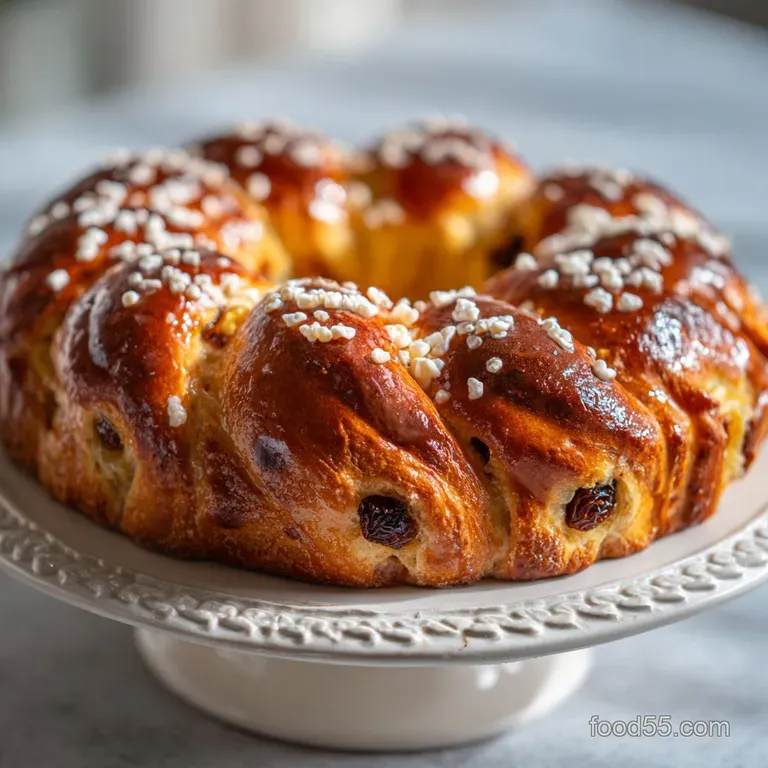
The most common issue people have with the "para Toda" bread is a dense, heavy texture. This usually happens because the butter was too cold when added, or the dough didn't get enough time to rise after being shaped.
Enriched doughs are heavy, and they need that extra time to push against the weight of the eggs and fat.
1. Fix the Brick Texture
If your bread feels like a heavy rock, you likely over floured the dough. It should be "tacky" (sticks to your finger but pulls away clean), not dry. If you find the dough is too stiff during the mixing stage, add a tablespoon of milk at a time until it softens.
Remember, the fridge will firm it up, so don't be afraid of a little stickiness early on.
2. Solve the Sunken Crown
Did your Rosca collapse as soon as you took it out? This is a classic case of over proofing. If the dough rises too much, the gluten bubbles get too big and thin, eventually popping like a balloon.
The "y Tradición para Toda" dough should be about 1.5 times its original size before it goes into the oven, not triple.
3. Prevent Burnt Fruit Toppings
Candied fruit has a high sugar content and can scorch easily. If you notice your hibiscus pears or figs turning black after 20 minutes, loosely cover the top with a sheet of aluminum foil.
This reflects the direct heat while allowing the internal crumb of the "Reyes Recipe with Sabor y Tradición para Toda" to finish cooking.
| Problem | Root Cause | Solution |
|---|---|---|
| Dough won't rise | Yeast was killed by hot milk | Ensure milk is below 43°C before adding yeast. |
| Topping falls off | No egg wash "glue" | Brush the dough generously with egg before adding fruit. |
| Gummy interior | Sliced while too hot | Let it cool for 30 mins to allow starches to set. |
If you want a lighter crumb, use room temperature eggs. If you want a more yellow, rich color, add an extra egg yolk. If you want a shinier crust, double brush the egg wash once before decorating and once just before the tray goes into the oven.
Creative Twists on Tradition
While the "de Reyes Recipe with Sabor y Tradición para Toda" is perfect in its classic form, I love experimenting with the toppings. In some regions, they even fill the Rosca with nata (thick cream) or chocolate mousse after it has cooled.
1. The Mediterranean Flavor Twist
Try replacing the anise with a teaspoon of orange blossom water (Agua de Azahar). This gives the bread a floral, ethereal quality that pairs beautifully with the hibiscus poached pears.
You can also swap the sugar paste for crushed toasted almonds for a nutty crunch that is a bit less sweet than the traditional version.
2. Dark Chocolate and Sea Salt
For a modern take on the "Reyes Recipe with Sabor y Tradición para Toda," fold in 100g of dark chocolate chunks after the butter is incorporated. Top the sugar paste with a sprinkle of flaky sea salt. The salt cuts through the richness of the brioche and makes the citrus flavors pop.
It is all about finding that balance, much like the acidity in The Balsamic Vinaigrette recipe, which helps brighten up heavy fats. Adding a little bit of dark chocolate creates a similar contrast against the sweet dough.
Scaling Tradition for Big Parties
If you need to feed a huge crowd, don't just double everything and put it in one pan. The center won't cook before the outside burns. Instead, make two separate rings. When doubling the recipe, only increase the yeast by 1.5 times too much yeast can lead to a "beery" aftertaste in large batches.
For a smaller family, you can easily halve the recipe, but keep the egg count at 2 (one whole egg and one yolk) to maintain the richness.
Scaling baking recipes is always a bit tricky. If you are doing a 2x batch, reduce the total liquid (milk) by about 10% initially. You can always add more, but you can't take it out. For the "para Toda" experience, it is better to have two perfect medium sized breads than one giant, underbaked mess.
Shattering Kitchen Legends
A big myth is that you must use lard for an "authentic" Rosca. While some old school bakeries still do, high-quality grass fed butter provides a much cleaner flavor and a better mouthfeel. Lard can sometimes leave a savory aftertaste that clashes with the delicate hibiscus and orange notes.
Another legend says you can't use cold eggs. While the dough will eventually come together, cold eggs will seize the softened butter into little clumps. This results in an uneven crumb with "greasy" pockets.
Always let your eggs sit on the counter for at least an hour before starting your "Rosca de Reyes Recipe with Sabor y Tradición para Toda."
Preserving Freshness and Reducing Kitchen Waste
- Storage: Keep the Rosca in an airtight container at room temperature for up to 3 days. If it starts to feel dry, a quick 10 second zap in the microwave will revive the fats and make it soft again.
- Freezing: You can freeze the baked Rosca (without the sugar paste if possible) for up to 2 months. Wrap it tightly in plastic wrap and then foil. Thaw it overnight in the fridge.
- Zero Waste: Don't throw away those citrus peels! You can candy them yourself for the topping. If you have leftovers that have gone truly stale, use them to make the most decadent French toast or bread pudding you've ever tasted. The anise and orange notes make for an incredible breakfast base.
Visual Magic for the Epiphany Feast
Presentation is half the fun with this "y Tradición para Toda" bread. I like to serve mine on a large wooden board surrounded by whole cinnamon sticks and fresh star anise for the aroma. If you really want to impress, serve it with a traditional Mexican hot chocolate frothed with a molinillo.
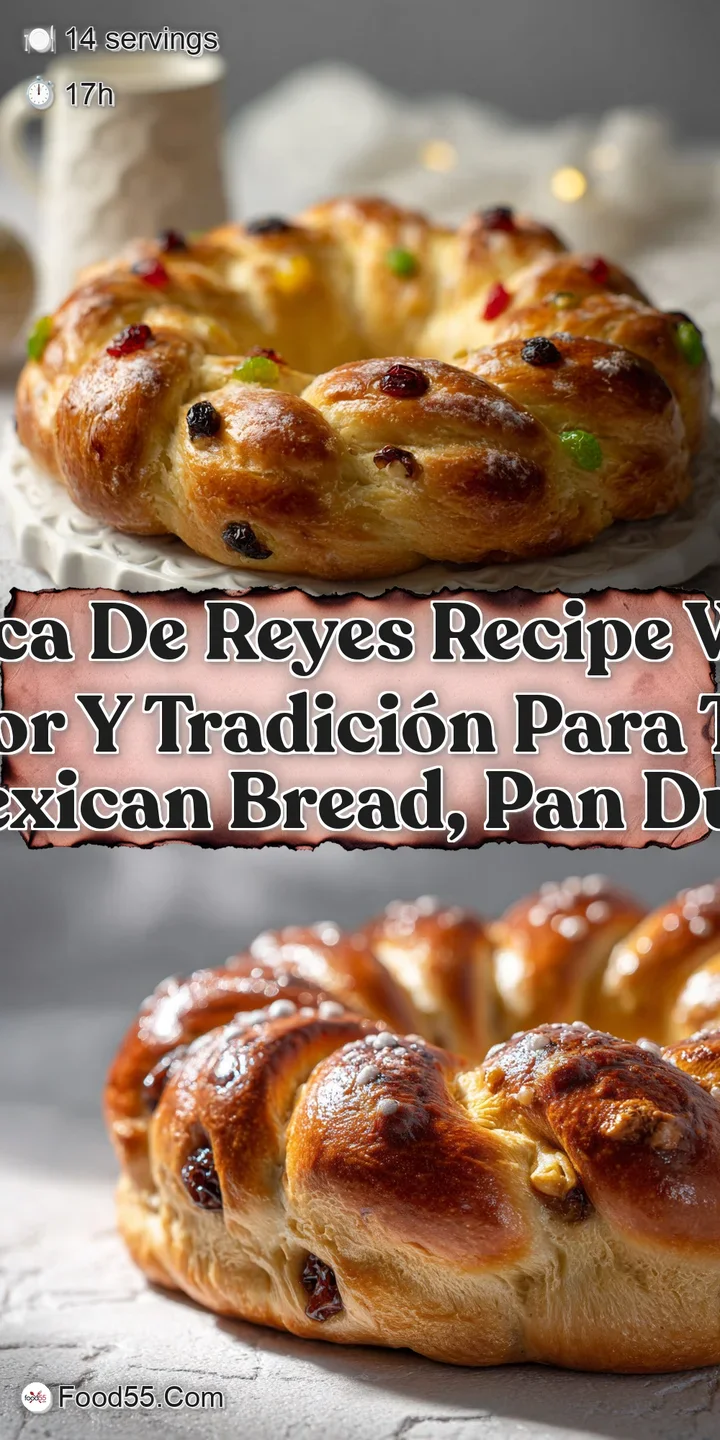
The contrast between the bright green candied cactus (if you can find it) and the deep red hibiscus pears makes the ring look like it is covered in real jewels. I once made the mistake of over decorating, and the weight of the fruit caused the dough to collapse.
Keep the fruit slices thin it looks more elegant and helps the bread rise evenly in the oven.
Critical Timing and Texture Success Guide
How do I know if the dough is kneaded enough? Use the "windowpane test." Take a small piece of dough and gently stretch it between your fingers. If it stretches thin enough to see light through it without tearing, the gluten is perfectly developed. If it snaps, keep mixing.
Why did my sugar paste melt into the bread? This usually happens if the oven wasn't hot enough or if your butter in the paste was too warm. The paste should be cold when it goes onto the bread. It needs to "set" quickly in the heat to create that signature crackle.
Can I skip the overnight rest? You can, but the flavor won't be as deep, and the dough will be much harder to shape. The cold rest is what gives the "Rosca de Reyes Recipe with Sabor y Tradición para Toda" its manageable, play dough like consistency. Without it, you'll be fighting a sticky mess.
For another festive option, you might look into the Cuban Food Recipes for a savory main to serve before the big reveal of the Rosca. Happy baking, and I hope you find the figurine!
Recipe FAQs
What is the best way to store Rosca de Reyes to maintain freshness?
Store in an airtight container at room temperature for up to 3 days. A quick 10-second microwave zap can revive it if it feels dry, restoring its soft texture.
Can I make Rosca de Reyes ahead of time?
Yes, you can prepare the dough up to 24 hours in advance. Let it undergo a slow rise in the refrigerator to develop flavor and make it more manageable for shaping later.
How do I prevent the candied fruit toppings from burning on the Rosca de Reyes?
Loosely tent the top with aluminum foil if the fruit starts to scorch. This reflects heat, allowing the bread's interior to finish cooking without over browning the sugary toppings.
What can I substitute for bread flour in this Rosca de Reyes recipe?
You can use all-purpose flour, but reduce the liquid by 5%. While it results in a softer crown, it might be less stable than using bread flour for structure.
How do I know if the Rosca de Reyes dough has been kneaded enough?
Perform the "windowpane test" by stretching a small piece of dough. If it thins to see light without tearing, the gluten is developed; if it snaps, continue mixing. Mastering dough hydration is key, similar to how we balance liquids in our Classic Silky Alfredo Sauce Recipe.
Is it true that I must use lard for an authentic Rosca de Reyes?
No, this is a common misconception. high-quality grass fed butter provides a cleaner flavor and superior mouthfeel compared to lard, which can sometimes leave a savory aftertaste.
How can I add more flavor depth to my Rosca de Reyes?
Rub the citrus zest directly into the sugar before adding it to the dough. This process releases essential oils more effectively, infusing the bread with a potent citrus aroma, much like how we layer aromatics in other recipes for maximum impact.
Rosca De Reyes Recipe With Sabor Y Tradicion
Ingredients:
Instructions:
Nutrition Facts:
| Calories | 307 kcal |
|---|---|
| Protein | 6.1 g |
| Fat | 10.8 g |
| Carbs | 46.7 g |
| Fiber | 2.2 g |
| Sugar | 12.3 g |
| Sodium | 171 mg |
