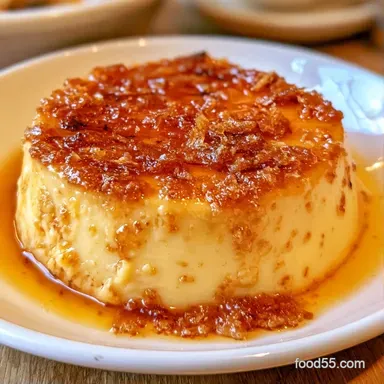
Savory Cheese Brûlée with Gruyère
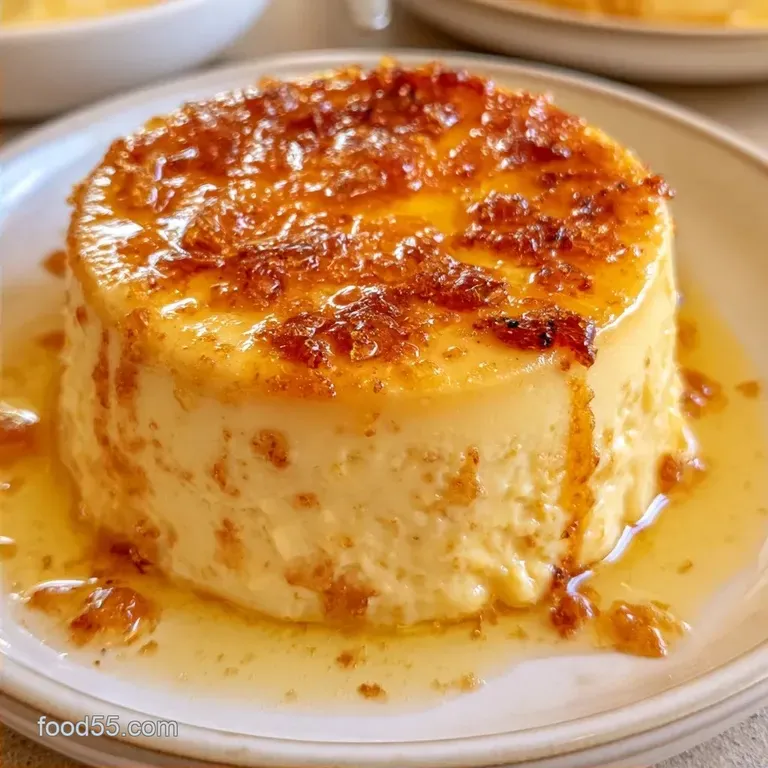
- Time: 20 min active + 40 min cooking + 4 h resting
- Flavor & Texture: Salty, creamy, and crisp
- Perfect for: Dinner party appetizers
Savory Cheese Brûlée
Have you ever made a savory custard that ended up with the rubbery texture of an omelet? This often happens because the heat is too high or the eggs overcook.
To prevent this, we use a low temperature and a water bath, ensuring a silky-smooth center beneath a brittle sugar topping.
This Savory Cheese Brûlée turns Gruyère into a decadent treat ideal for gathering guests. The magic lies in the contrast between the sharp cheese and the scorched sugar.
Recipe Specs
This dish is a study in contrasts. You have the cold, dense custard meeting the hot, brittle sugar.
Flavor Map:
- Salty: Aged Gruyère
- Sweet: Caramelized sugar
- Rich: Heavy cream and yolks
- Warm: Ground nutmeg
Gathering Your Essentials
The cheese is the star here. I like using a high-quality Gruyère for that distinct alpine nuttiness.
The Base:
- 2 cups heavy cream Why this? Provides the necessary fat for a dense set
- 4 oz Gruyère cheese, finely grated Why this? Melts smoothly and offers a sharp, salty punch
- 4 large egg yolks Why this? Acts as the binder for the custard
- 1/2 tsp kosher salt Why this? Enhances the natural cheese flavor
- 1/4 tsp white pepper Why this? Adds heat without black specks in the cream
- 1/8 tsp ground nutmeg Why this? Classic pairing for Gruyère
The Topping:
- 4 tbsp superfine sugar Why this? Melts faster and more evenly than granulated sugar
| Original Ingredient | Substitute | Why It Works |
|---|---|---|
| Gruyère (4 oz) | Emmental (4 oz) | Similar nuttiness. Note: Slightly milder flavor |
| Heavy Cream (2 cups) | Half and Half (2 cups) | Still creamy. Note: Custard will be softer and less rich |
| Superfine Sugar | Granulated Sugar | Still caramelizes. Note: May take longer to melt evenly |
Equipment Needed
You'll need a few specific tools to get the texture right.
- Small saucepan
- Medium mixing bowl
- Fine mesh strainer
- 4 ceramic ramekins
- Baking pan (deep enough for water)
- Kitchen torch (such as a butane torch)
Step-by-step Instructions
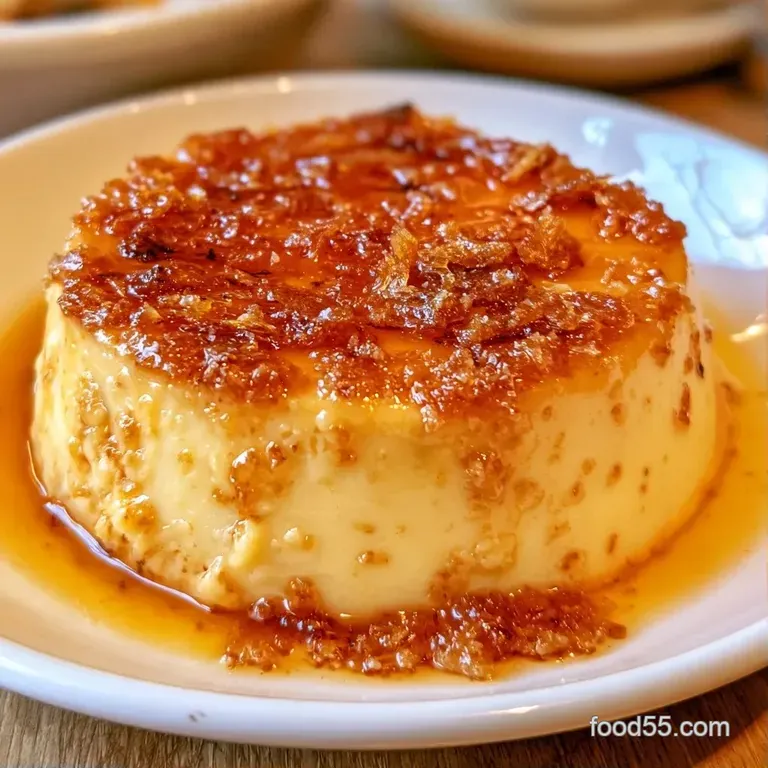
Infusing the Cream
Set your oven to 300°F (150°C). In a small saucepan over medium heat, stir together 2 cups heavy cream and 4 oz grated Gruyère cheese. Continue stirring until the cheese is fully melted and the mixture is smooth, then remove from the heat immediately.
Tempering the Yolks
In a medium bowl, whisk 4 egg yolks, 1/2 tsp kosher salt, 1/4 tsp white pepper, and 1/8 tsp ground nutmeg until well combined. Gradually pour the hot cream into the yolks, whisking rapidly to keep the eggs from scrambling.
Baking the Custard
Pass the liquid through a fine-mesh sieve and distribute it into 4 ceramic ramekins. Arrange these in a baking pan and pour in boiling water until it fills the pan halfway up the walls of the ramekins.
Bake for 35–40 minutes; the edges should be firm while the centers remain slightly jiggly and the center temperature should hit 160°F (71°C).
Caramelizing the Surface
Let the custards cool to room temperature, then chill in the refrigerator for at least 4 hours. Evenly sprinkle 1 tbsp superfine sugar over the top of each chilled custard. With a kitchen torch, caramelize the sugar using circular motions until it transforms into a deep amber, glass-like shell.
How to Fix Problems
Preventing Curdled Eggs
If the custard looks like scrambled eggs, the cream was too hot when added to the yolks. Pour the cream in a thin, steady stream while whisking constantly. If it happens, you can try straining it, but a heavily curdled batch won't set smoothly.
Fixing a Soft Sugar Crust
A soggy lid usually means the sugar was applied too early or the custard was too wet. Make sure the custards are chilled for at least 4 hours. Pat the top of the custard dry with a paper towel before adding the sugar.
Fixing a Grainy Texture
Graininess often comes from undissolved cheese or air bubbles. Always pass your mixture through a fine mesh strainer before pouring it into the ramekins. This ensures the Savory Cheese Brûlée stays smooth.
Creative Twists and Swaps
You can lean into different cheese profiles depending on who you're serving.
Cheese Swaps: For a bolder taste, try a Blue cheese crème brûlée by replacing half the Gruyère with a mild Gorgonzola. If you prefer something tangier, a goat cheese brulee recipe works well, though you may need a pinch more salt.
Herb Additions: I like adding a pinch of fresh thyme or chives to the cream for a more earthy profile. For a more complex version, you can try a Savory Crème Brûlée with Herbs.
| Method | Prep Time | Texture | Best For |
|---|---|---|---|
| Oven Bake | 20 mins | Set & Dense | Classic Presentation |
| Broiler | 20 mins | Slightly More Browned | No Torch available |
Storage and Freshness
Keep the untorched custards in sealed containers in the fridge for up to 3 days.
Wait until you are ready to serve before adding the sugar crust. If refrigerated after torching, the sugar will liquefy and lose its crispness. This ensures the Savory Cheese Brûlée is at its best when finished immediately before reaching the table.
What to Serve With
Since this meal is quite decadent, pairing it with something zesty or crisp helps offset the richness.
- Fresh Greens: Peppery arugula tossed in a zesty lemon dressing provides a sharp contrast to the creamy texture.
- Fruit: Fresh figs or sliced pears complement the flavors of the Gruyère perfectly.
- Bread: Be sure to serve toasted baguette slices to soak up every bit of the remaining custard.
What Makes the Texture Work
The Water Bath: The water surrounds the ramekins and limits the heat transfer. This prevents the edges from overcooking before the center is safe.
The Fat Ratio: High fat from the cream and yolks emulsifies with the melted cheese. This creates a dense, lush mouthfeel that stays stable after chilling.
Recipe FAQs
Is crème brûlée basically cheesecake?
No, they are fundamentally different. Brûlée is a baked custard with a torched sugar topping, whereas cheesecake is a pressed cheese cake typically featuring a crust.
What does brûlée mean in French?
It means "burnt." In a culinary context, this refers to the hard, caramelized sugar shell created on the surface of the custard.
How to prepare the cheese custard?
Melt grated Gruyère into heavy cream over medium heat. Whisk in egg yolks and seasonings, then bake the mixture in a water bath at 300°F.
Which ingredients are required for this dish?
You will need heavy cream, Gruyère, and egg yolks. The savory profile is completed with kosher salt, white pepper, nutmeg, and a superfine sugar topping.
Can other cheeses be used in this recipe?
Yes, other melting cheeses work. If you enjoy using Gruyère here, you can also use it as a topping for our tangy pizza dough.
Where should I store the custards?
Keep untorched custards chilled. Store them in sealed containers in the refrigerator for a maximum of 3 days.
Savory Cheese Brûlée with Gruyère