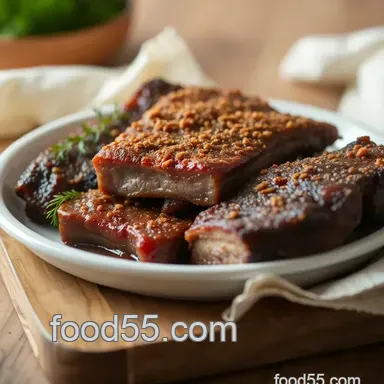
Smoked Beef Ribs with a Flavorful Crust
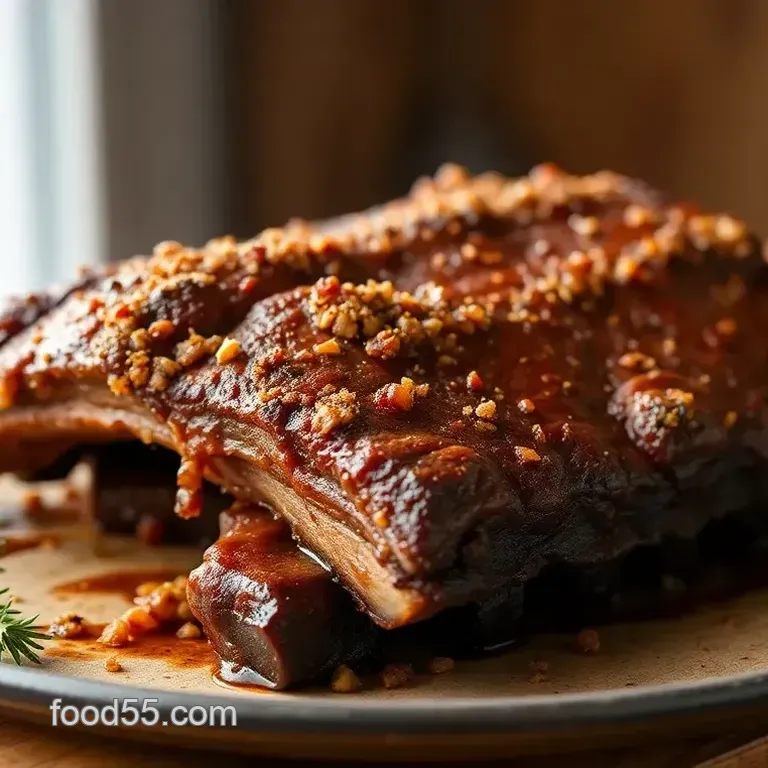
- Time: 15 min active + 6 hours smoking
- Flavor/Texture Hook: Mahogany colored crust with tender, pull apart meat
- Perfect for: Weekend gatherings, backyard BBQ, and meat lovers
The smell of hickory smoke hitting a hot grate is enough to make anyone hungry. But we've all been there, spending a fortune on a prime rack of ribs and eight hours of your life, only to end up with a gray, rubbery slab of meat.
It’s frustrating when the meat fights you with every bite instead of sliding off the bone.
I used to think the issue was my smoker, but the real problem was the temperature stall and a rushed wrap. If you wrap too early, you steam the meat and lose the crust. If you wrap too late, the exterior turns into a charcoal brick.
These Smoked Beef Ribs solve that. We're going for a specific mahogany finish and a texture that's buttery but still has a bit of a bite. It's a slow process, but the payoff is a meal that actually brings people together around the table.
How to Actually Nail Smoked Beef Ribs
Collagen Breakdown: Beef short ribs are packed with connective tissue. Maintaining a temperature between 225°F and 250°F gradually converts that tough collagen into gelatin, resulting in a rich, tender texture that melts in your mouth.
Bark Development: The exterior crust results from the interaction of salt, brown sugar, and smoke. Leaving the ribs alone during the initial hours allows the rub to bond with the meat, forming a dense, savory shell.
For serving, these ribs go perfectly with a homemade BBQ sauce featuring a tangy profile to balance the richness. Just remember to stay patient during the stall, that phase where the internal temperature levels off and seems stuck.
Recipe Specs
For this cook, we are working with a substantial piece of meat. A 7 lb rack is typical for plate ribs. The total time is 6 hours 15 minutes, though the active work is minimal.
The internal temperature is your only real guide here. While time is a baseline, the meat tells you when it's ready. We look for that specific transition at 165°F to wrap and 203°F to pull.
Ingredient Deep Dive
The rub is where the flavor lives. I use a heavy amount of coarse black pepper because beef can handle the heat, and it helps build that rugged texture on the outside.
| Component | Purpose | Substitute Notes |
|---|---|---|
| Beef Short Ribs | Main protein | Chuck ribs; slightly leaner, might cook faster |
| Yellow Mustard | Binder | Olive oil; less tang, but holds rub well |
| Brown Sugar | Caramelization | Maple sugar; adds a distinct woody sweetness |
| Apple Cider Vinegar | Tenderness/Acid | White vinegar; harsher, use 20% less |
| Coarse Black Pepper | Crust/Heat | Fine ground pepper; less texture in the bark |
Equipment Needed
You'll need a smoker capable of holding a steady 225°F to 250°F. Pellets like hickory or oak work best for beef because they provide a bold profile that doesn't get drowned out by the fat.
A digital meat probe is mandatory. Guessing the internal temp of a 7 lb rack of Smoked Beef Ribs is a recipe for disaster. You also need butcher paper, which breathes better than foil and keeps the bark from getting mushy.
Key Steps
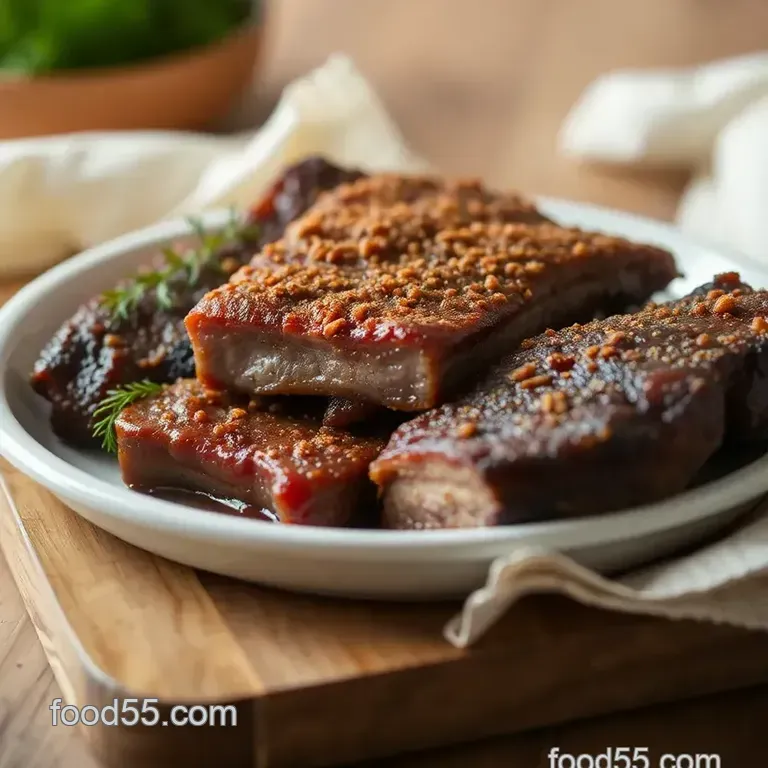
- Trim the top cap. Remove any tough fat thicker than 1/4 inch from the ribs. Note: Keep some fat for moisture.
- Apply the binder. Spread a thin layer of yellow mustard over the entire rack. Note: This helps the rub adhere and won't affect the final taste.
- Season the meat. Thoroughly coat all sides with the salt, pepper, brown sugar, paprika, garlic powder, and onion powder, pressing the spices in firmly.
- Heat the smoker. Preheat to 225°F to 250°F using oak or hickory pellets.
- Begin smoking. Place the ribs on the grate bone side down. Let them smoke undisturbed for 3 hours.
- Keep them moist. Once the meat reaches a deep reddish brown color, spritz every 45-60 minutes with the apple juice and apple cider vinegar mixture.
- Test the bark. Lightly touch the seasoning. Wait until the rub doesn't smudge or stick to your finger before proceeding.
- Wrap for tenderness. When the internal temperature hits 165°F, wrap the ribs tightly using butcher paper.
- Finish the cook. Return the wrapped ribs to the smoker until the internal temperature reaches 203°F.
Chef's Tip: Let the meat rest for at least 30 minutes before slicing. This ensures the juices stay locked in rather than spilling onto the cutting board.
What Can Go Wrong (and How to Fix It)
Fixing a Rub That's Too Salty
If you over salted the ribs, don't rinse them. That ruins the bark. Instead, increase the pepper and paprika in your spritz. Serving the meat with a sweet side or a sugar forward sauce helps balance the saltiness.
Overcoming a Stubborn Stall
The stall happens when moisture evaporates from the surface, cooling the meat. If the temperature hasn't moved in two hours, check your smoker temp. Wrapping in butcher paper is the most effective way to push through this phase.
Preventing a Mushy Bark
This happens when you wrap in foil or spritz too often. To keep your Ribs with Flavorful Crust, use butcher paper. If the bark feels soft, leave the ribs unwrapped for another 30 minutes before the final wrap.
Dealing with Tough Meat
If the meat is still chewy at 203°F, it likely didn't spend enough time in the "rendering zone." Put them back in for another 30 minutes. Remember, USDA guidance suggests a safe internal temperature of 165°F for most meats, but for ribs, we go higher to melt the collagen.
Serving Suggestions
Smoked Beef Ribs are incredibly rich, so you need sides that provide a sharp contrast. A vinegar based coleslaw or pickled red onions cut through the fat perfectly.
For a heartier meal, I often serve these alongside a prime beef burger for a full on meat platter. If you want something simpler, just some grilled asparagus or a crisp garden salad works.
Decision Shortcut:
- Extra tang? → Increase ACV in the spritz by 2 tbsp.
- Sweeter crust? → Add 1 tbsp more brown sugar to the rub.
- Deeper smoke? → Lower temp to 225°F and extend the initial smoke by 1 hour.
How to Store and Keep Fresh
Keep the ribs moist by storing them in a container with a bit of beef broth. They will remain fresh for 3 to 4 days when kept cold.
To freeze, wrap the meat tightly in foil and then a freezer bag; they'll last up to 3 months. When reheating, use a low oven temperature of 250°F to prevent the proteins from toughening.
Save the bones instead of throwing them away. Simmer them with carrots, celery, and onions to create a rich bone broth, ensuring zero waste from this expensive cut.
Mix It Up
Customizing the taste of your Beef Ribs with Flavorful Crust is a breeze, just modify the rub. Swapping the brown sugar for finely ground espresso powder adds a bitter, earthy dimension that balances the richness of the beef.
To keep the carbs low, simply leave out the brown sugar. You'll still achieve a fantastic bark using just salt and pepper, although it will appear darker and less glossy.
Method Comparison:
| Feature | Fast Wrap (Foil) | Classic Wrap (Paper) |
|---|---|---|
| Bark Texture | Softer, "steamed" | Firm, crunchy |
| Cook Time | 15% faster | Standard |
| Meat Texture | Very tender | Tender with structure |
If a pellet smoker isn't available, a charcoal grill with indirect heat is a great alternative. Just incorporate chunks of oak or hickory into the coals. It takes more effort to stabilize the temperature, but the flavor remains just as delicious.
Achieving the perfect Smoked Beef Ribs is all about hitting your targets. Rely on the 165°F wrap and the 203°F pull. Once the meat takes on a mahogany glow and the spices smell caramelized, you've nailed it.
It’s a full day of smoking, but seeing the meat slide right off the bone makes every single minute worth it.
Recipe FAQs
What seasoning works best for beef ribs?
Use a rub consisting of coarse black pepper, kosher salt, brown sugar, smoked paprika, garlic powder, and onion powder.
Tip: Coat the meat in yellow mustard first to act as a binder for the spices.
Is it true that beef ribs get more tender the longer they cook?
No, and here's why. Cooking past the 203°F internal target dries out the muscle fibers and makes the meat crumbly.
Tip: Use a digital meat probe to avoid overshooting the finish temperature.
How do I smoke beef ribs for maximum tenderness?
Smoke the meat at 225°F to 250°F, wrap in butcher paper at 165°F, and pull them at 203°F.
Tip: Spritz with a mixture of apple cider vinegar and apple juice every hour after the first 3 hours.
Why does the bark sometimes fail to set?
Wrapping the meat too early steams the exterior instead of allowing the rub to fuse into a crust.
Tip: Gently touch the rub to ensure it doesn't stick to your finger before wrapping.
Do I need a specialized smoker to get a mahogany crust?
That's a myth. Any smoker that maintains 225°F to 250°F using hickory or oak pellets will produce a professional bark.
Tip: Keep the ribs undisturbed for the first 3 hours to build a thick, flavorful shell.
Which sides complement the richness of smoked beef?
Tangy coleslaws or acidic vegetable sides balance the heavy fat of the ribs.
Tip: If you enjoyed the slow-cooking process here, see how the same low-and-slow principle works in this homemade meatloaf.
Smoked Beef Ribs for 4 Servings