Smoked Salmon Recipe with Lemon and Dill: Silky Texture
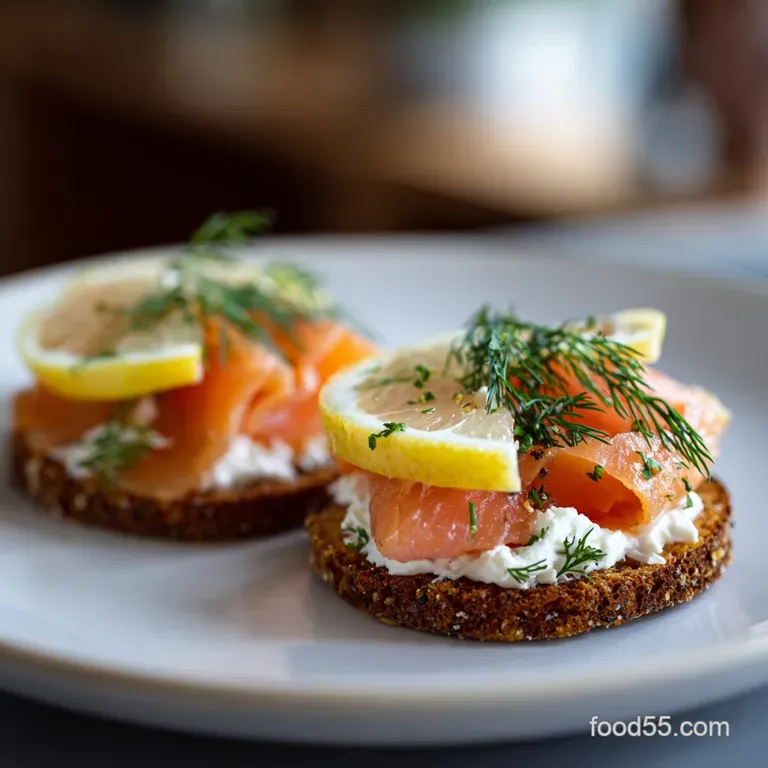
- Time:20 mins active + 14 hrs 30 mins curing/drying = Total 15 hours 50 mins
- Flavor/Texture Hook: Silky, buttery texture with a vibrant, citrusy aromatic finish
- Perfect for: High end brunch, holiday appetizers, or impressing guests with a homemade delicacy
- Smoked Salmon Recipe with Lemon and Dill
- Why the Salt Cure Works
- Timing and Texture Checkpoints
- The Essential Ingredient List
- Gear for the Smoker
- Steps to Perfect Smoke
- Solving Common Salmon Issues
- Flavor Twists and Swaps
- Storage and Zero Waste
- Plating Like a Pro
- High in Sodium
- Recipe FAQs
- 📝 Recipe Card
Smoked Salmon Recipe with Lemon and Dill
Ever wondered why store-bought smoked salmon often feels a bit one dimensional or, worse, slightly slimy? It's usually because the industrial process prioritizes shelf life over the delicate balance of salt, smoke, and fresh aromatics.
When you do this at home, you control the "zing" of the lemon and the punch of the fresh dill, turning a simple fillet into something that tastes like a coastal retreat.
I remember the first time I tried to skip the curing step because I was in a rush for a dinner party. I thought the smoke would do all the heavy lifting, but I ended up with a piece of fish that was practically steamed and tasted like a campfire in a rainstorm.
That disaster taught me that the secret isn't just the smoke, it's the wait. The time spent in the fridge is where the magic happens, transforming the flesh from raw and soft to firm and translucent.
This Smoked Salmon Recipe with Lemon and Dill is the only one you'll ever need. We're going to focus on creating that perfect, tacky surface that grabs the smoke, ensuring every slice is velvety and infused with a deep, woody aroma.
Trust me, once you see that gorgeous orange hue and smell the fresh dill hitting the heat, you'll never go back to the pre packaged stuff.
Why the Salt Cure Works
Making smoked salmon isn't about "cooking" the fish in the traditional sense; it's about managing moisture. If you just put raw salmon in a smoker, the proteins leak water, leaving you with a dry, chalky texture. The cure is what prevents this.
Moisture Extraction: The salt draws water out of the cells, which firms up the protein and concentrates the natural oils.
Flavor Infusion: The brown sugar balances the salt, while the lemon zest penetrates the flesh during the long chill.
Pellicle Formation: After rinsing, the air drying phase creates a sticky layer on the surface called a pellicle, which acts like a magnet for smoke particles.
Texture Stabilization: This process ensures the salmon remains silky and "translucent" rather than turning opaque and flaky like a grilled fillet.
| Method | Time | Texture | Best For |
|---|---|---|---|
| Fast (No Cure) | 2-3 hours | Flaky/Soft | Quick weeknight meal |
| Classic Cured | 15+ hours | Silky/Firm | Gourmet platters, long storage |
| Cold Smoked | 24+ hours | Butter like | Traditional lox style |
Timing and Texture Checkpoints
When you're dealing with a 1.13 kg (2.5 lb) fillet, precision is everything. You can't just wing the clock, or you'll risk over salting the fish or missing that crucial smoke bond.
First, the cure is your foundation. You're looking for a window of 8 to 12 hours. If you go shorter, the fish stays too soft. If you go longer, it can become overly salty. The visual cue is key: the salmon should look more translucent and feel significantly firmer to the touch.
Second, don't rush the air dry. Those 2 to 4 hours uncovered in the fridge are non negotiable. You are waiting for the surface to feel tacky, almost like the back of a postage stamp. If it's still wet, the smoke will slide right off.
Finally, the internal temperature is the finish line. We're aiming for 60°C to 63°C (140°F to 145°F). At this point, the fish is safe, juicy, and has that melt in-your mouth quality.
The Essential Ingredient List
For this recipe, I always look for center cut fillets. They provide a consistent thickness, which means the smoke penetrates evenly from edge to edge. I prefer using local, sustainably sourced salmon for a more vibrant color and cleaner taste.
For the Brining Cure
- 1.13 kg (2.5 lb) salmon fillet, center cut, skin on Why this? Consistent thickness ensures even smoking
- 150 g (1/2 cup) kosher salt Why this? Coarser grains cure more evenly than table salt
- 100 g (1/2 cup) brown sugar Why this? Adds a subtle sweetness to balance the salt
- 2 tbsp lemon zest Why this? Essential oils provide a fresh, floral note
- 1 tbsp cracked black pepper Why this? Adds a woody, sharp contrast
For the Lemon Dill Marinade for Salmon
- 1/4 cup fresh dill, finely chopped Why this? The classic pairing for smoked fish
- 3 tbsp lemon juice Why this? Brightens the rich fats of the salmon
- 3 cloves garlic, minced Why this? Adds a savory, pungent depth
- 30 g (2 tbsp) unsalted butter, melted Why this? Helps the marinade cling to the fish
- 1 tsp lemon pepper seasoning Why this? Extra punch of citrus and spice
| Original Ingredient | Substitute | Why It Works |
|---|---|---|
| Brown Sugar | Maple Sugar | Similar sweetness. Note: Adds a distinct maple hint |
| Fresh Dill | Dried Dill | Concentrated flavor. Note: Use 1 tbsp instead of 1/4 cup |
| Unsalted Butter | Olive Oil | Same fat content. Note: Lighter taste, less creamy finish |
Right then, let's talk about the salt. If you're using a fine grain salt, be careful, as it can be much more aggressive than kosher salt. I always suggest weighing your ingredients if you have a scale, but the cup measurements work if you're just eyeballing it.
Gear for the Smoker
You don't need a professional smokehouse, but a few specific tools make the process much smoother. A glass dish is a must for the curing phase because plastic can sometimes retain odors or react with the salt.
A wire rack is the real MVP here. It allows air to circulate around the entire fillet during the drying phase and ensures the smoke hits the bottom and sides, not just the top. If you don't have one, you can improvise with a cooling rack from your baking set.
For the smoker, I love using a Traeger or any pellet grill, but an offset smoker works beautifully too. The goal is a steady, low heat. If you're using a traditional grill with a smoke box, just make sure you have a reliable thermometer to keep that temperature from spiking.
Steps to Perfect Smoke
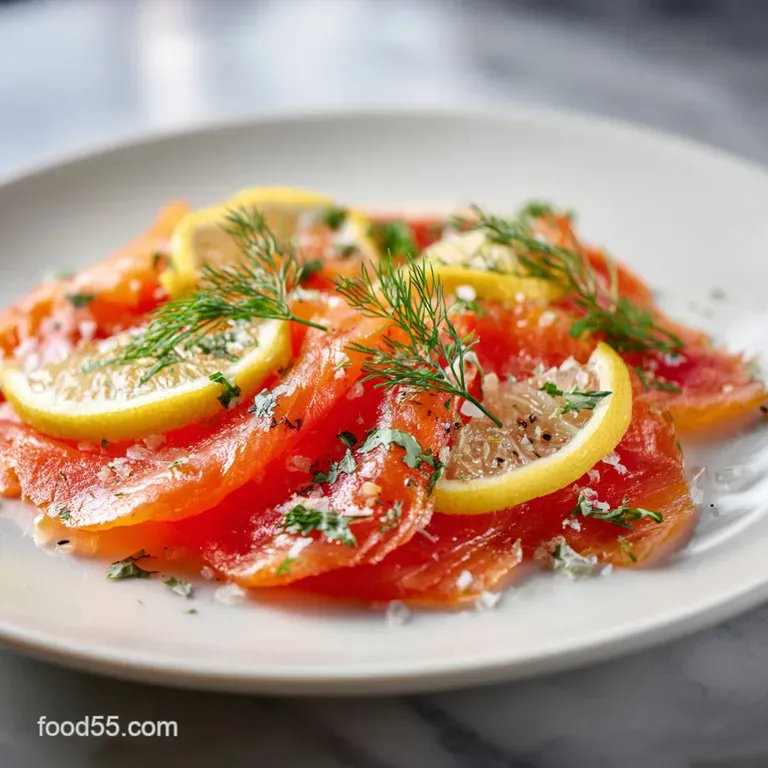
Let's crack on with the actual process. This is where we move from prepping to producing.
- Combine the salt, brown sugar, lemon zest, and pepper in a bowl. Rub this mixture generously over all sides of the salmon fillet. Note: Don't be afraid to pile it on; you'll rinse most of it off later.
- Place the salmon in a glass dish, cover it tightly, and refrigerate for 8 to 12 hours until the fish feels firmer and looks translucent.
- Rinse the cure off under cold running water. Keep rinsing until every single salt crystal is gone, then pat the fillet completely dry with paper towels. Note: Leaving salt on the surface can make the final product too salty.
- Set the fillet on a wire rack over a baking sheet and refrigerate uncovered for 2 to 4 hours until a tacky pellicle develops on the surface.
- Preheat your smoker or Traeger to 107°C (225°F).
- Whisk together the melted butter, lemon juice, minced garlic, and chopped dill. Brush this marinade over the flesh side of the salmon.
- Place the salmon skin side down on the grill. Smoke the fish until the internal temperature reaches 60°C to 63°C (140°F to 145°F).
Chef's Tip: To get a deeper smoke flavor, try a blend of alder and maple wood. Alder is the traditional choice for fish, while maple adds a subtle sweetness that complements the brown sugar cure.
Solving Common Salmon Issues
Even for the most experienced cooks, smoking can be finicky. The most common complaint I hear is that the salmon "leaks" white stuff. That's albumin, a protein that pushes out when the fish is heated too quickly.
Why Your Salmon Has White Spots
If you see white beads on the surface, your temperature likely spiked. To prevent this, keep your smoker steady at 107°C (225°F). If it happens, don't panic; it's perfectly safe to eat, though it doesn't look as pretty.
Why Your Salmon Feels Dry
Dryness usually comes from overcooking. Because salmon is so fatty, it can go from "velvety" to "chalky" in just 10 minutes. Always use a digital probe thermometer and pull the fish the second it hits 60°C (140°F), as carryover heat will bring it up slightly.
| Problem | Root Cause | Solution |
|---|---|---|
| Too salty taste | Incomplete rinsing | Rinse under cold water for at least 2 mins |
| Smoke didn't "stick" | Skipped pellicle phase | Air dry in fridge for 2-4 hours uncovered |
| Rubby/mushy texture | Under cured | Ensure at least 8 hours of refrigeration |
Before you start your next batch, run through this checklist to ensure a flawless result:
- ✓ Pat salmon completely dry after rinsing to avoid steaming
- ✓ Use a center cut fillet for consistent cook times
- ✓ Maintain a steady 107°C (225°F) to avoid albumin streaks
- ✓ Let the fish rest for 10 minutes before slicing
Flavor Twists and Swaps
While the lemon and dill combination is a timeless classic, you can really play around with this base. If you're feeling adventurous, try swapping the brown sugar for maple syrup during the cure for a more "Northwoods" vibe.
For those who want something with more heat, adding a pinch of cayenne or smoked paprika to the initial rub creates a wonderful contrast with the citrus. If you prefer a more savory profile, increase the garlic and add a teaspoon of ground coriander.
If you're craving something quicker for a weeknight, my creamy salmon piccata is a great alternative that hits those same bright, lemony notes without the 15 hour wait. But for a special occasion, nothing beats the depth of a slow smoked fillet.
| Serving Size | Ingredient Adjustments | Pan Size | Cook Time |
|---|---|---|---|
| 3 People (Small) | 1.25 lb salmon, 1/4 cup salt | Small glass dish | Reduce smoke time by 15% |
| 12 People (Large) | 5 lb salmon, 1 cup salt | Extra large tray | Work in batches or use larger grill |
Storage and Zero Waste
Smoked salmon is a delicacy, so treat it with care. Once cooled, wrap the fillet tightly in plastic wrap or vacuum seal it. It will stay fresh in the fridge for up to 5 days. If you can't finish it, it freezes surprisingly well for up to 2 months, though the texture can lose a bit of its silkiness.
To reheat, don't use a microwave! That will turn your beautiful smoked fish into rubber. Instead, let it come to room temperature naturally or flash sear it in a pan for 30 seconds per side.
Don't throw away the salmon skin if you've removed it! I love to crisp up leftover salmon skin in a hot pan with a bit of oil until it shatters like a cracker. It's a fantastic, salty garnish for salads or a quick snack.
Plating Like a Pro
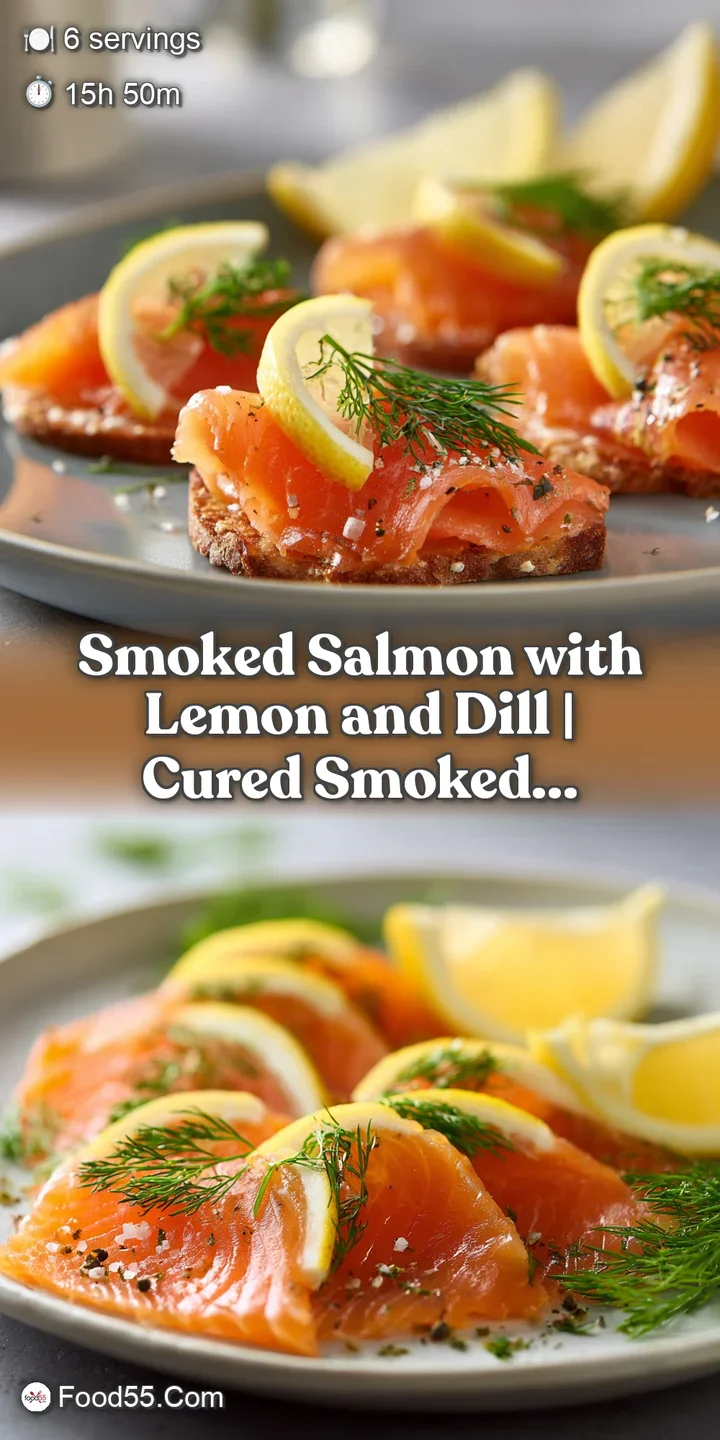
The way you present this dish can change the whole mood of the meal. Since the colors are so vibrant - deep orange and bright green - you don't need much to make it look stunning.
Simple Level
Slice the salmon into thin ribbons and drape them over toasted rye bread. Add a smear of cream cheese and a few capers. This is the classic brunch look - effortless and satisfying.
Polished Level
Arrange the slices in a "shingle" pattern on a white platter. Garnish with fresh dill sprigs, thin slices of red onion, and lemon wedges. For a more gourmet touch, try serving it alongside a salmon terrine for a variety of textures.
Restaurant Level
Place a small dollop of crème fraîche or horseradish cream on the plate. Carefully fold the salmon slices on top to create height. Finish with micro greens, a drizzle of extra virgin olive oil, and a sprinkle of flaky sea salt.
| Level | Key Element | Garnish | Vibe |
|---|---|---|---|
| Simple | Toasted Rye | Capers | Cozy Brunch |
| Polished | Shingled Slices | Red Onion | Dinner Party |
| Restaurant | Folded Height | Micro greens | Fine Dining |
If you're wondering about the wood choice for your next attempt, remember that the wood is essentially another ingredient. Hickory is bold, while applewood is mild. For this specific lemon dill profile, I'd stick with something light so you don't drown out the fresh herbs.
Right then, get that smoker preheated and enjoy!
High in Sodium
850 mg 850 mg of sodium per serving (37% 37% of daily value)
The American Heart Association recommends a daily limit of 2,300mg of sodium to maintain heart health and reduce blood pressure.
Tips to Reduce Sodium in Your Salmon
-
Reduce Kosher Salt-30%
The 1/2 cup of kosher salt is the primary sodium source; reduce this amount by half or use a potassium based salt substitute.
-
Rinse Thoroughly-20%
If using the salt as a cure, rinse the salmon fillet under cold running water for several minutes before cooking to remove surface sodium.
-
Increase Citrus-10%
Double the lemon zest and juice to provide a bright, acidic punch that mimics the flavor profile of salt.
-
Enhance Fresh Herbs
Increase the amount of fresh dill or add fresh parsley to add depth and aromatic flavor without adding sodium.
Recipe FAQs
Is smoked salmon ok for diabetics?
Yes, in moderation. The healthy fats and proteins are beneficial, though you should be mindful of the brown sugar used in the curing process.
Is smoked salmon good for high triglycerides?
Yes, generally. Salmon is rich in omega-3 fatty acids which help lower triglycerides, but the high sodium content from the salt cure may be a concern for some.
How to make lemon and dill salmon?
Rub salmon with a mixture of salt, brown sugar, lemon zest, and pepper. Cure for 8-12 hours, rinse, air-dry for 2-4 hours, and smoke at 225°F until the internal temperature reaches 140°F to 145°F.
What are common mistakes smoking salmon?
Skipping the pellicle stage. If you don't refrigerate the fish uncovered for 2-4 hours, the smoke will not adhere properly to the surface, resulting in a weaker flavor.
How long does smoked salmon last in the fridge?
Up to 5 days. Wrap the fillet tightly in plastic wrap or vacuum seal it to maintain freshness and prevent oxidation.
Should I microwave smoked salmon to reheat it?
No, this is a common misconception. Microwaving turns the fish rubbery; instead, let it reach room temperature naturally or flash sear it in a pan for 30 seconds per side.
Why does the fish feel tacky before smoking?
The pellicle forms during the air-drying phase. This sticky layer is essential for smoke absorption; if you enjoyed mastering this texture control here, see how the same principle works in our Southern Salmon Patties.
Smoked Salmon Lemon Dill
Ingredients:
Instructions:
Nutrition Facts:
| Calories | 422 kcal |
|---|---|
| Protein | 37.4g |
| Fat | 28.0g |
| Carbs | 4.0g |
| Sodium | 850mg |
