Sourdough Knots with Pesto and Garlic
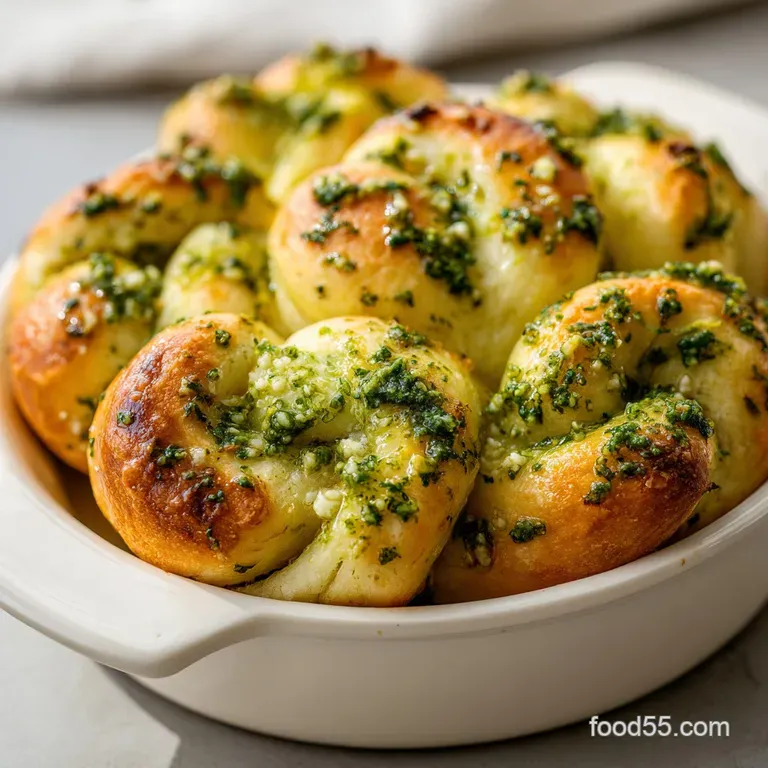
- Time: Active 50 minutes, Passive 3 hours 20 mins, Total 4 hours 10 mins
- Flavor/Texture Hook: Silky dough with a shatter crisp exterior and a velvety herb filled center.
- Perfect for: Weekend dinner parties, holiday side dishes, or leveling up your meal prep.
- Why You'll Love Sourdough Knots With Pesto and Garlic
- Decoding the Science of Fermentation and Flavor Layers
- Key Timeline and Nutrition Facts for Success
- Curating the Finest Ingredients for Your Herb Knots
- Essential Kitchen Gear for a Flawless Bread Bake
- Master the Art of Shaping and Baking Knots
- How to Solve Common Dough and Texture Issues
- Clever Flavor Variations and Ingredient Substitutions to Try
- Storing and Repurposing Your Leftover Savory Bread Knots
- The Best Main Dishes for These Garlicky Sides
- Recipe FAQs
- 📝 Recipe Card
Why You'll Love Sourdough Knots With Pesto and Garlic
The first time I pulled these out of the oven, the sizzle of the garlic butter hitting the hot crust was enough to bring everyone into the kitchen without a single word. There's something almost primal about the scent of fermented dough mingling with fresh basil and roasted garlic.
I remember my first attempt was a bit of a disaster I didn't let the dough strengthen enough, and the pesto just leaked out into a greasy puddle. But after a few tweaks, I found the sweet spot.
This recipe is all about that tactile experience. When you're twisting the dough, you'll feel how supple and responsive it is thanks to the honey and softened butter. It's not just a side dish; it's the kind of bread that people talk about long after the main course is gone.
We’re aiming for a crumb that is light but holds its shape, providing the perfect vessel for that punchy garlic glaze.
You don’t need to be a professional baker to get this right, but you do need a little patience. Sourdough doesn't like to be rushed, and that's okay. While the dough rests, you can catch up on a podcast or prep the rest of your meal.
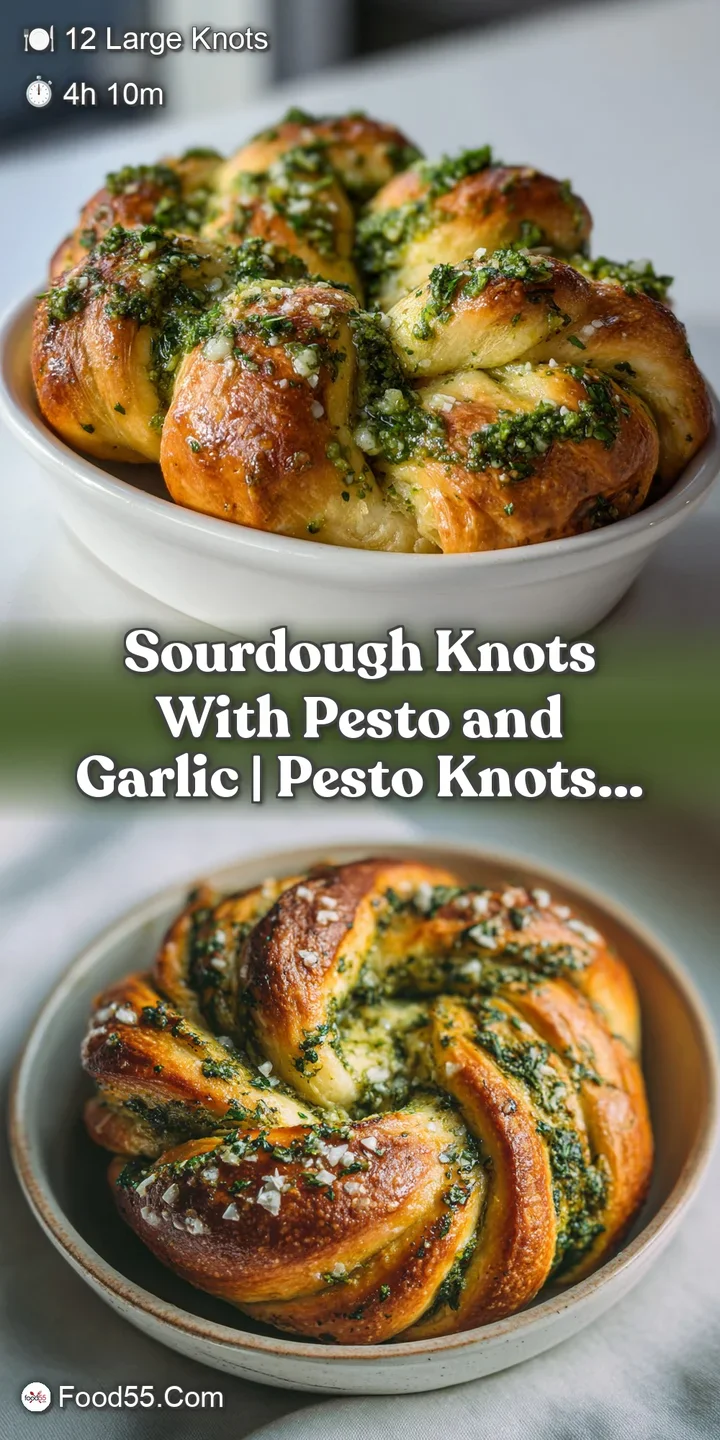
By the time the oven dings, the kitchen will smell like a high end Italian bakery, and you'll have 12 beautiful, golden knots ready to be torn apart and shared.
Decoding the Science of Fermentation and Flavor Layers
The Physics of the Pesto Lamination: Cold pesto acts as a barrier between dough layers, creating distinct steam pockets that result in a lighter, fluffier internal structure.
The acidity in the sourdough starter strengthens the gluten network, allowing the knots to expand significantly without losing their intricate braided shape.
| Method | Total Time | Texture | Best For |
|---|---|---|---|
| Traditional Sourdough | 4 hours 10 mins | Chewy, complex, tangy | Weekend projects / Foodies |
| Commercial Yeast (Shortcut) | 1 hours 45 mins | Soft, airy, mild | Quick weeknight dinners |
| Overnight Fridge Proof | 12 hours+ | Ultra crisp, deep sour notes | Maximum flavor / Dinner parties |
The difference between a "good" knot and a "transcendent" one lies in the temperature of your ingredients. If your water is too hot, you'll kill the wild yeast in your 150g of sourdough starter. If it's too cold, the 40g of softened butter won't emulsify properly into the flour.
We want that sweet spot of 90°F (about 32°C) to keep the microbes happy and the fats integrated.
Key Timeline and Nutrition Facts for Success
When we talk about bread, timing is everything. For this recipe, the active work is actually quite minimal. Most of your 4 hours 10 mins is spent letting biology do the heavy lifting.
You'll spend about 20 minutes mixing and kneading, and another 30 minutes shaping the 12 large knots once the dough has doubled in size. The rest is just waiting for that beautiful rise.
This recipe yields 12 large knots, making it ideal for a big family gathering. Each knot packs about 295 kcal, with a healthy 7.5g of protein. Because we use bread flour, the protein content is higher than your standard all purpose loaf, which gives us that satisfying "pull" we all crave in a dinner roll.
The 12.3g of fat mostly comes from the high-quality pesto and the finishing butter glaze, which provides that velvety mouthfeel.
If you are planning a big spread, these pair beautifully with a hearty main. I often serve them alongside my Hearty Ground Turkey recipe for a balanced meal that feels incredibly comforting. The acidity of the sourdough cuts through the richness of the meat, while the garlic ties everything together.
Curating the Finest Ingredients for Your Herb Knots
- 150g Sourdough Starter: Use active starter for the most lift, or discard if you want a denser, tangier snack. Why this? Provides the foundational leavening and signature tang.
- 500g Bread Flour: Look for a high protein brand (around 12.7%). Why this? Creates the strong gluten walls needed to hold the pesto swirl.
- 120g Prepared Basil Pesto: Use a high-quality jarred version or fresh homemade. Why this? Concentrated herb and nut flavors that permeate the dough layers.
- 20g Honey: Any mild floral honey will work perfectly. Why this? Softens the crumb and feeds the yeast for a better rise.
- 3 cloves Fresh Garlic: Do not use the pre minced stuff in a jar. Why this? Fresh garlic provides the sharp, aromatic bite required for the glaze.
| Original Ingredient | Substitute | Why It Works |
|---|---|---|
| Bread Flour (500g) | All Purpose Flour | Lower protein means a softer, less chewy knot. Note: Reduce water by 10g. |
| Honey (20g) | Maple Syrup | Similar sugar content. Note: Adds a subtle woody sweetness. |
| Basil Pesto (120g) | Sundried Tomato Pesto | Same oil base but swaps herbal notes for umami rich tomato. |
When selecting your parmesan for the filling, try to grate it fresh from a block. The pre shredded stuff is often coated in potato starch to prevent clumping, which can interfere with how the cheese melts into the pesto and dough. If you're looking for a different flavor profile, you can even use the base of my Lightened Up Basil recipe to make a lower fat version of the filling without sacrificing that vibrant green color.
Essential Kitchen Gear for a Flawless Bread Bake
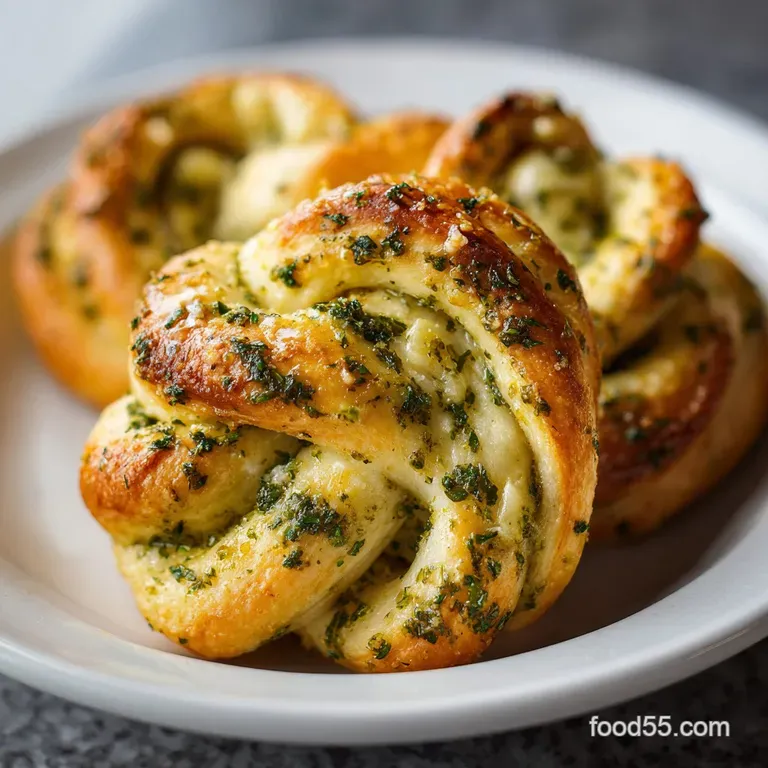
To get the best results for your Pesto and Garlic Recipe, a few specific tools make the process much smoother. While you can knead by hand, a stand mixer with a dough hook is a lifesaver when incorporating the 40g of softened butter.
It ensures the fat is perfectly distributed without overworking the dough with the heat of your hands.
You'll also want a heavy duty baking sheet and either parchment paper or a silicone mat. The 120g of pesto contains oil that can seep out slightly during the bake, and having a non stick surface ensures you don't lose that crispy bottom.
A bench scraper is also highly recommended for dividing the dough into 12 even portions; it's much more precise than trying to pull pieces off by hand.
Finally,, a pastry brush is non negotiable for the final stage. You want to be able to paint on that 50g of melted garlic butter so it gets into every nook and cranny of the knot. This is what creates that signature shine and ensures the 1 tsp of flaky sea salt sticks to the surface instead of bouncing off onto the tray.
Master the Art of Shaping and Baking Knots
Phase 1: Mixing the Supple Dough
Combine 150g sourdough starter, 250g warm water, 500g bread flour, 20g honey, and 10g fine sea salt in a bowl. Mix until a shaggy mass forms, then let it rest for 20 minutes. Note: This "autolyse" stage allows the flour to hydrate fully before adding the fat.
Phase 2: Incorporating the Fat
Add 40g of softened unsalted butter to the dough. Knead for 8-10 minutes until the dough is smooth, elastic, and passes the windowpane test. Place in a greased bowl, cover, and let rise for 2-3 hours until doubled.
Phase 3: The Lamination Fold
Turn the dough onto a lightly floured surface and roll it into a large rectangle. Spread 120g of prepared basil pesto and 30g of freshly grated parmesan evenly across the surface. Note: Leave a 1cm border to prevent the filling from squishing out too much.
Phase 4: Cutting and Braiding
Fold the dough in half to "sandwich" the pesto. Cut into 12 long strips using a pizza cutter. Twist each strip 3-4 times and then tie into a simple knot.
Phase 5: The Final Proof
Place the knots on a parchment lined tray. Cover and let proof for 45-60 minutes until they look puffy and feel like soft marshmallows.
Phase 6: The over High heat Bake
Preheat your oven to 400°F (200°C). Bake the knots for 18-20 minutes until the edges are golden brown and the pesto is bubbling.
Phase 7: The Garlic Infusion
While baking, melt 50g of unsalted butter in a small pan. Add 3 cloves of minced garlic and sauté for 1 minute until fragrant but not browned. Remove from heat and stir in 1 tbsp of fresh parsley.
Phase 8: The Finishing Touch
Brush the warm garlic butter generously over the hot knots immediately after they come out of the oven. Sprinkle with 1 tsp of flaky sea salt and serve warm.
Chef's Tip: To get a more intricate "shatter" on the crust, spray the oven with a little water right as you put the tray in. The steam delays the crust formation, allowing the knots to expand more before they set.
How to Solve Common Dough and Texture Issues
My Knots are Dense or Heavy
If your Knots With Pesto and Garlic Recipe turned out more like hockey pucks than pillows, the culprit is usually under proofing. Sourdough takes longer than commercial yeast. If your kitchen is cold, that 3 hour rise might need to be 5 hours.
Always look for the visual cue (doubled in size) rather than just watching the clock.
The Pesto Leaked and Burned on the Pan
Pesto is oil based, and oil liquefies in the heat. To prevent a mess, make sure you don't over fill the dough. If the pesto is particularly oily, you can blot it with a paper towel before spreading. Also, ensure you are folding the dough tightly to trap the filling inside the layers.
| Problem | Root Cause | Solution |
|---|---|---|
| Tough, dry crust | Overbaking or lack of fat | Reduce bake time by 2 mins; ensure the 40g butter is fully incorporated into the dough. |
| Knots unraveled | Loose shaping | Tuck the ends of the knot firmly underneath the roll before the final proof. |
| No sourdough tang | Young starter | Use starter that hasn't been fed for 12 hours (discard) to increase the lactic acid profile. |
- ✓ Check your water temp
- Anything over 105°F will damage your sourdough culture.
- ✓ Don't skip the rest
- Letting the dough sit for 20 minutes after mixing (autolyse) makes kneading 50% easier.
- ✓ Pat the garlic dry
- If your minced garlic is wet, it won't sauté properly in the butter glaze.
- ✓ Flour the surface sparingly
- Too much extra flour during shaping will make the knots dry and tough.
Clever Flavor Variations and Ingredient Substitutions to Try
If you want to switch things up, this Sourdough Knots With Pesto and Garlic Recipe is incredibly versatile. For a spicy kick, replace the basil pesto with a Calabrian chili paste or a sun dried tomato tapenade. The process remains the same, but the flavor profile shifts to something much more fiery and bold.
For a Mediterranean twist, try adding chopped kalamata olives and feta cheese to the filling along with the pesto. Just be careful with the salt feta and olives are both quite salty, so you might want to reduce the sea salt in the dough to 8g. If you're looking for a dipping sauce, these knots are heavenly when dunked into my Silky Smooth Creamy recipe.
Scaling for Large Crowds
- To Double (24 knots): Increase all ingredients by 2x, but keep the salt to 1.5x (15g). Work in two separate batches for kneading unless you have a professional sized mixer.
- To Half (6 knots): Simply divide everything by two. If using an egg wash (optional), beat one egg and use exactly half. Reduce bake time by about 3 minutes as the smaller thermal mass will cook faster.
| Premium Ingredient | Budget Alternative | Flavor Impact | Savings |
|---|---|---|---|
| Pine Nut Pesto | Sunflower Seed Pesto | Slightly earthier, less buttery | Save $4-6 |
| Parmigiano Reggiano | Pecorino Romano | Saltier and more "sheepy" tang | Save $3-5 |
| Grass fed Butter | Standard Store Brand | Less yellow color, milder flavor | Save $2-3 |
Storing and Repurposing Your Leftover Savory Bread Knots
These knots are at their absolute peak about 10 minutes after they leave the oven, but they store surprisingly well. Because of the natural acidity in the sourdough and the fat in the pesto, they stay soft longer than standard white bread.
You can keep them in an airtight container at room temperature for up to 3 days.
If you have leftovers that have gone a bit stale, don't toss them! They make the most incredible savory bread pudding or stuffing. You can also slice them in half, toast them, and use them as the base for a "Pesto Garlic Egg in a Hole." For long term storage, freeze the baked knots in a freezer bag for up to 2 months.
To reheat, just pop them in a 350°F (180°C) oven for 5-8 minutes until the outside is crisp again.
Zero Waste Tip: Don't throw away the parsley stems or garlic skins! Throw them into a freezer bag with other veggie scraps. Once the bag is full, boil them down to make a fragrant vegetable stock for soups or risottos.
The Best Main Dishes for These Garlicky Sides
The beauty of a With Pesto and Garlic Recipe is that it acts as both a bread and a condiment. It’s fantastic with pasta dishes, particularly those with a light, acidic sauce like a lemon butter linguine. The sourdough tang complements the citrus beautifully, while the pesto adds a herbaceous depth to the meal.
If you’re hosting a casual brunch, these knots are a great replacement for standard toast. Serve them alongside a big bowl of shakshuka or even a simple plate of soft scrambled eggs. The garlic butter glaze adds enough flavor that you don't even need extra jam or butter on the table. For a truly cohesive Italian themed dinner, pair them with my How to Craft recipe served on the side as a spreadable addition for those who can't get enough garlic.
Myths about Sourdough Knots:"You must use active starter": Not true. Using discard works perfectly fine for knots because the long proofing time allows the wild yeast to wake up, though you might get a slightly less dramatic rise.
"Kneading by hand is better": Sourdough is sticky. Unless you enjoy being covered in flour, a stand mixer actually provides a more consistent gluten structure by maintaining a steady speed and temperature.
"The pesto will make the dough soggy": As long as you bake at a high enough temperature (400°F), the moisture in the pesto evaporates quickly, leaving behind flavor and fat without compromising the crumb.
Honestly, don't even bother with the low-fat versions of pesto or butter here. This is a recipe meant for indulgence and connection. Whether you're making these for a quiet Sunday at home or a loud, messy dinner with friends, the result is always the same: a tray of empty crumbs and a lot of very happy people.
Trust me on this one make the full batch of 12. You'll want the extras.
Recipe FAQs
Can I use instant yeast instead of a sourdough starter for faster results?
Yes, you absolutely can substitute instant yeast. Use 2 teaspoons of instant yeast mixed with the flour, and reduce the total rise time significantly, likely finishing in under two hours.
What is the best way to prevent the pesto filling from leaking out during the bake?
Ensure the pesto is cold before spreading onto the dough. Cold pesto acts as a temporary barrier, setting the oils and solids just long enough for the dough structure to solidify in the oven.
How to achieve a crisp exterior crust similar to a professional bakery on these sourdough knots?
Introduce steam into the oven during the first 10 minutes of baking. Place a shallow pan of hot water on the bottom rack when preheating; this keeps the surface moist, allowing maximum oven spring before the crust sets.
Is it true that I must knead the dough for a full 10 minutes for these knots to rise properly?
No, this is a common misconception, especially with high hydration sourdough. Knead until the dough passes the windowpane test, which is usually around 8 minutes with a stand mixer, ensuring the fat is fully incorporated.
How far in advance can I shape these knots before baking them?
Shape the knots and proof them in the refrigerator for up to 12 hours. This cold proof deepens the sourdough tang and makes the dough easier to handle when removing from the fridge for the final 1-hour warm-up.
What should I do if my pesto is too oily and making the dough feel greasy?
Gently blot the excess oil from the pesto using a paper towel before spreading. If you are experimenting with homemade pesto, using a leaner nut base will help control the final oil content, similar to how you manage fat ratios in our Garlic Chili Sauce Recipe.
What is a good alternative main course to serve alongside these savory knots for a holiday meal?
Serve these knots with something robust that can soak up the residual garlic butter glaze. They pair exceptionally well with slow cooked meats, like a Juicy roasted turkey recipe, creating a fantastic flavor synergy.
Sourdough Pesto Knots Recipe
Ingredients:
Instructions:
Nutrition Facts:
| Calories | 295 kcal |
|---|---|
| Protein | 7.5g |
| Fat | 12.3g |
| Carbs | 38.1g |
| Fiber | 1.4g |
| Sugar | 1.5g |
| Sodium | 395mg |
