Steamed Crab Legs: Succulent & Briny
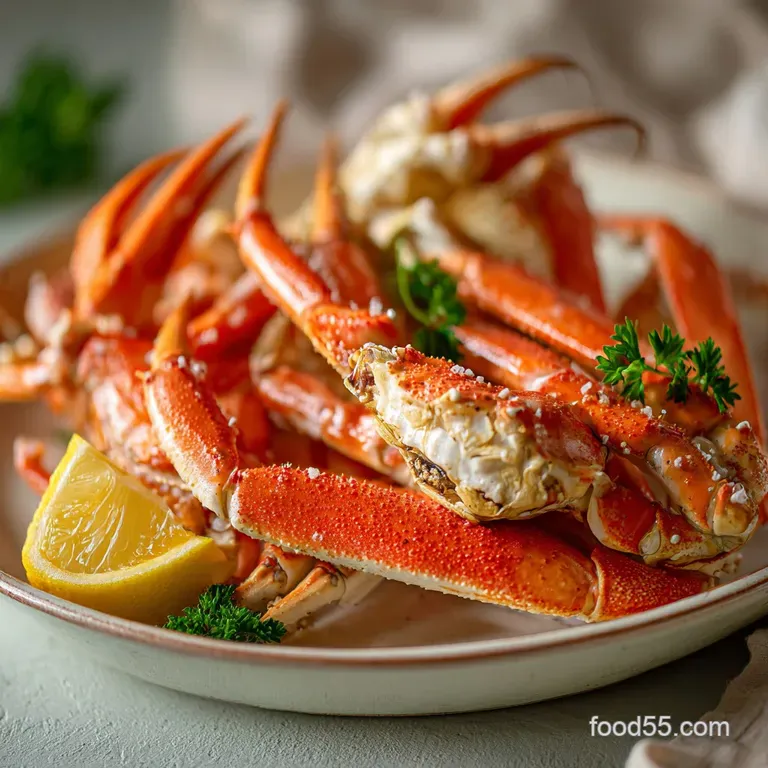
- Time: Active 5 minutes, Passive 10 minutes, Total 15 minutes
- Flavor/Texture Hook: Succulent, buttery, and slightly spicy meat
- Perfect for: Celebration dinners or a fast gourmet weeknight treat
- Steamed Crab Legs: Succulent Seafood at Home
- Vapor Infusion Enhances Natural Sweetness
- Essential Components for Rich Coastal Flavor
- Simple Tools for Seamless Preparation
- Mastering the Vapor Cooking Technique
- Avoiding Overcooked or Waterlogged Results
- Flavor Profiles and Custom Variations
- Practical Storage and Waste Reduction
- Pairings That Complement Salty Seafood
- Steamed Crab Legs FAQ
- 📝 Recipe Card
Steamed Crab Legs: Succulent Seafood at Home
The first time I tried making these, the kitchen smelled like a coastal pier in the best way possible. I remember the sharp hiss of the steam hitting the lid and that distinct, peppery aroma of Old Bay filling the room.
We sat around the table with our sleeves rolled up, bowls of melted butter everywhere, and just laughed while we cracked into those bright red shells. It wasn't just a meal, it was a tactile, messy experience that brought everyone closer.
Crab is often seen as this intimidating, high maintenance ingredient, but honestly, it is one of the easiest things to master. Once you hear that first satisfying snap of a shell revealing the tender, white meat inside, you'll wonder why you ever bothered with the rubbery versions at the buffet.
We are going for that specific texture where the meat slides out in one whole piece, glistening with just a hint of garlic and lemon.
You don't need a professional kitchen or fancy crackers to make this work. It is all about the vapor and the timing. We are going to treat these legs to a flavor sauna that respects the delicate nature of the protein. Trust me, once you've had them this way, there is no going back to any other method.
Vapor Infusion Enhances Natural Sweetness
The Physics of the Shell: Steam acts as a pressurized heat jacket that cooks the meat inside the shell without washing away the natural briny sugars. This ensures the meat remains plump and hydrated rather than shrinking or becoming tough from direct contact with boiling water.
| Method | Time | Texture | Best For |
|---|---|---|---|
| Stovetop Steam | 10 minutes | Succulent & juicy | Maximum flavor retention |
| Oven Roast | 15 minutes | Slightly charred | Large batches |
| Boiling | 6 minutes | Soft | Quick prep, less flavor |
Using the right technique is the difference between a meal and a memory. If you want a similar speed for a busy Tuesday, you might also like this Easiest How to recipe which focuses on efficiency without sacrificing that oceanic snap.
Essential Components for Rich Coastal Flavor
Component Analysis
| Ingredient | Science Role | Pro Secret |
|---|---|---|
| Snow Crab legs | Primary Protein | Thaw slowly in the fridge to keep the cellular structure intact. |
| Old Bay Seasoning | Flavor Catalyst | The celery salt and paprika bloom in the steam, scenting the meat through the shell. |
| Unsalted Butter | Fat Carrier | Fat carries the garlic and lemon flavors deep into the crevices of the meat. |
The Building Blocks
- 2 lbs Snow Crab legs, thawed: Why this? Snow crab offers a sweet flavor and shells that shatter easily for access.
- Substitute: King Crab legs (increase steam time by 5 minutes).
- 2 cups water: Why this? Creates the necessary steam volume without touching the crab.
- Substitute: Dry white wine for a more sophisticated aromatic profile.
- 1 large lemon, sliced: Why this? The citric acid brightens the heavy fat of the butter.
- Substitute: Limes for a zestier, tropical twist.
- 2 cloves garlic, smashed: Why this? Infuses the steam with a mellow, earthy base note.
- Substitute: 1 teaspoon garlic powder in the water.
- 1 tablespoon Old Bay seasoning: Why this? The classic Chesapeake flavor profile that defines American seafood.
- Substitute: Cajun seasoning for more heat.
- 0.5 cup unsalted butter: Why this? Allows you to control the saltiness of the dipping sauce.
- Substitute: Ghee for a higher smoke point and nuttier finish.
- 2 cloves garlic, minced: Why this? Provides a sharp, fresh punch in the dipping butter.
- Substitute: Roasted garlic for a sweeter, spreadable texture.
- 1 teaspoon lemon juice: Why this? Cuts through the richness of the butter sauce.
- Substitute: White wine vinegar.
- 0.5 teaspoon smoked paprika: Why this? Adds a velvety color and a hint of woodsmoke.
- Substitute: Cayenne pepper if you want a spicy kick.
- 1 tablespoon fresh parsley, chopped: Why this? Provides a fresh, green contrast to the rich seafood.
- Substitute: Fresh chives.
Simple Tools for Seamless Preparation
You really only need a few basics to get this right. A large pot with a tight fitting lid is non negotiable because we need to trap that steam to do its job. A steamer basket is the best way to keep the crab legs elevated, but if you don't have one, you can actually use a crumpled up nest of aluminum foil at the bottom of the pot to keep the legs above the water line.
Beyond the pot, grab a pair of kitchen shears. Forget the traditional nutcrackers; shears allow you to snip right down the side of the leg without crushing the meat. This keeps the presentation beautiful and saves your hands from those sharp little spikes on the shells.
Finally,, a small saucepan for the butter is better than the microwave because it allows the garlic to actually mellow and infuse into the fat.
Mastering the Vapor Cooking Technique
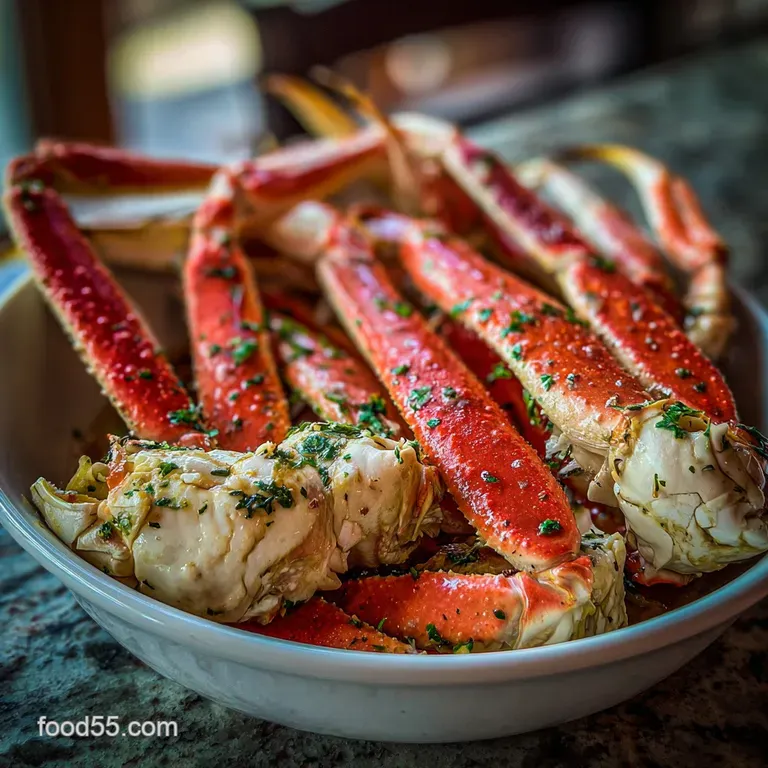
- Prepare the liquid. Pour 2 cups water into a large pot and add the sliced lemon, smashed garlic, and Old Bay seasoning. Note: This creates a seasoned "broth" that perfumes the steam.
- Set the stage. Place a steamer basket into the pot, ensuring the water level is just below the bottom of the basket. Bring to a boil until vigorous steam rises.
- Load the crab. Arrange the 2 lbs Snow Crab legs in the basket, overlapping them slightly if needed to fit. Note: Don't pack them too tightly or the steam won't circulate.
- Seal the heat. Cover the pot with a tight lid. Steam for 10 minutes until the shells turn bright orange and the aroma is intense.
- Melt the base. While the crab steams, melt 0.5 cup unsalted butter in a small saucepan over medium low heat. Watch for the butter to sizzle and foam slightly.
- Sauté the aromatics. Add 2 cloves minced garlic to the butter. Cook for 1 minute until fragrant but not browned.
- Finish the sauce. Stir in 1 teaspoon lemon juice, 0.5 teaspoon smoked paprika, and 1 tablespoon parsley. Note: This creates a velvety, emulsified dipping sauce.
- Check for doneness. Carefully lift the lid (watch the steam!) and check that the meat inside a joint is opaque and steaming hot.
- Serve immediately. Transfer the legs to a platter. The shells should feel hot and brittle to the touch.
- Plate and enjoy. Serve the warm garlic butter in individual ramekins for dipping.
Avoiding Overcooked or Waterlogged Results
Why Your Crab Meat Sticks
If the meat is sticking to the shell like glue, it is usually a sign that it was previously frozen and thawed poorly, or it's overcooked. When the protein is heated too long, it bonds to the chitin of the shell.
Keep a close eye on the clock; 10 minutes is usually the "goldilocks" zone for standard snow crab legs.
Troubleshooting Guide
| Problem | Root Cause | Solution |
|---|---|---|
| Waterlogged meat | Crab was touching the water | Ensure steamer basket or foil nest keeps legs elevated. |
| Rubbery texture | Overcooking | Reduce steam time by 2 minutes next time; check at 8 mins. |
| Lack of flavor | Steam was not seasoned | Add more Old Bay and lemon to the boiling water before steaming. |
Common Mistakes Checklist ✓ Ensure crab is fully thawed before steaming to prevent uneven cooking. ✓ Don't peek! Lifting the lid lets out the concentrated steam and drops the temp. ✓ Use a pot large enough to let steam circulate around every leg.
✓ Pat the legs dry before serving so the butter sticks to the meat instead of sliding off. ✓ Serve on pre heated plates to keep the crab from cooling down too fast.
Flavor Profiles and Custom Variations
If you want to move away from the classic Old Bay vibe, try a Chinese Style Steamed Crab Legs approach. Replace the Old Bay in the water with sliced ginger and scallions. For the dipping sauce, use a mix of soy sauce, black vinegar, and a touch of sesame oil.
This highlights the natural sweetness of the crab in a completely different way.
For those cooking for a crowd, the Steamed Crab Legs Oven Method is a lifesaver. Wrap the legs in heavy duty foil packets with the butter and seasonings inside, then bake at 200°C for 15 minutes. This creates a mini steam environment for each portion. If you're looking for more ways to use crab, especially in a fun appetizer format, check out these Imitation Crab Recipes for some crispy, budget friendly inspiration.
- Sweet
- The natural crab meat.
- Salty
- Old Bay and sea salt notes.
- Rich
- The garlic infused butter.
- Bright
- Fresh lemon juice and parsley.
Practical Storage and Waste Reduction
Storage: You can keep leftover steamed crab legs in the fridge for up to 2 days. Wrap them tightly in plastic wrap or seal them in an airtight container to prevent the fridge from smelling like the docks.
To reheat, I recommend a quick 2 minute steam rather than the microwave, which turns the meat into pencil erasers.
Zero Waste: Don't you dare throw those shells away! Crab shells are packed with flavor. Toss them into a pot with some celery, onions, and water to simmer for an hour. You'll end up with a rich seafood stock that is the perfect base for a risotto or a spicy cioppino.
It’s the ultimate way to honor the whole ingredient.
Pairings That Complement Salty Seafood
When it comes to sides, I love things that can soak up the extra garlic butter. A crusty sourdough loaf or some fluffy corn on the cob are absolute classics. The sweetness of the corn plays so well against the salty seasoning of the crab.
If you want something lighter, a crisp cucumber salad with a vinegar based dressing provides a refreshing "snap" that cleanses the palate between bites.
Another great option is roasted baby potatoes. Toss them in the same Old Bay seasoning you used for the crab. They become these little crispy vessels for whatever butter is left over in your ramekin.
It turns a simple seafood dish into a full blown feast that feels like a summer holiday, no matter what time of year it actually is. Give it a go, get messy, and enjoy the process!

Steamed Crab Legs FAQ
How long do you steam crab legs for?
Generally 5-10 minutes. For fresh or fully thawed crab legs, 5 minutes is often enough; for partially frozen, aim for 10 minutes. The key is for the shells to turn bright red and the meat to be opaque.
Is it better to steam or boil crab legs?
Steaming is generally preferred. Steaming cooks the crab legs gently, retaining more of their natural sweet juices and flavor, whereas boiling can sometimes dilute the taste and make the meat waterlogged. If you enjoyed mastering the gentle heat of steaming here, you'll find similar textural control is key in our How to Sear Scallops with Citrus Herb Foam Delight: An Amazing Recipe! where precise temperature is crucial.
What to add to water when steaming crab legs?
Seasonings like Old Bay, lemon slices, and garlic. Adding aromatics to the steaming water infuses the crab with flavor through the steam, enhancing the overall taste. A classic choice for this is the blend in Homemade Old Bay Seasoning The Best DIY Chesapeake Spice.
Why vinegar when steaming crabs?
Vinegar is not typically used when steaming crab legs. While acidic elements like lemon juice can brighten flavors, vinegar can sometimes impart an unwanted tang that overpowers the delicate sweetness of the crab. Lemon is preferred for its clean, refreshing acidity.
Can I steam frozen crab legs?
Yes, but allow extra time. Steam frozen crab legs for about 10-15 minutes, checking for doneness to ensure the meat is heated through and opaque. For best results, thaw them overnight in the refrigerator before steaming.
How do I know when crab legs are done steaming?
Look for a bright red shell and opaque meat. The shells will turn a vibrant red color, and when you pull a leg apart, the meat inside should be fully white and steaming hot, not translucent. Overcooking will make the meat tough.
What is the best seasoning for steamed crab legs?
Classic Old Bay seasoning is a popular choice. Its blend of celery salt, paprika, and other spices complements the sweet, briny flavor of crab perfectly. For an easy homemade version, check out our Homemade Old Bay Seasoning The Best DIY Chesapeake Spice.
Steamed Crab Legs

Ingredients:
Instructions:
Nutrition Facts:
| Calories | 318 kcal |
|---|---|
| Protein | 21.6 g |
| Fat | 24.2 g |
| Carbs | 1.8 g |
| Fiber | 0.3 g |
| Sugar | 0.4 g |
| Sodium | 745 mg |
