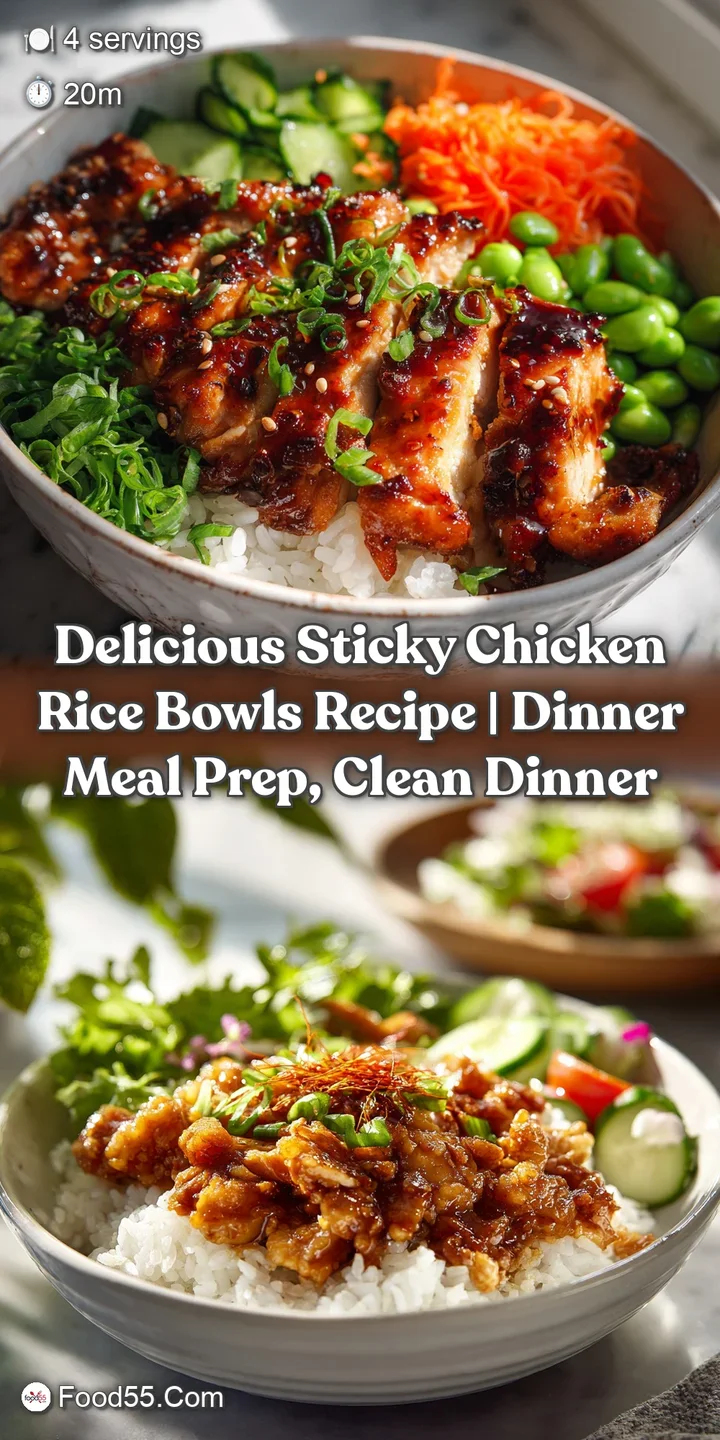
Delicious Sticky Chicken Rice Bowls Recipe
- Time: Active 10 minutes, Passive 10 minutes, Total 20 minutes
- Flavor/Texture Hook: Shatter crisp edges meeting a velvety, viscous honey soy reduction.
- Perfect for: A high speed contemporary dinner that demands artistic presentation without the wait.
- Innovative Science of Texture Management
- Core Performance and Nutritional Metrics
- Strategic Selection of High Contrast Components
- Modern Precision Cooking Equipment Essentials
- Executing the Culinary Composition Perfectly
- Technical Solutions for Visual Imperfections
- Artistic Global Flavor Palette Shifts
- Longevity and Texture Preservation Methods
- Symmetry in Plating and Pairing
- Strategic Timeline and Planning Efficiency
- Recipe FAQs
- 📝 Recipe Card
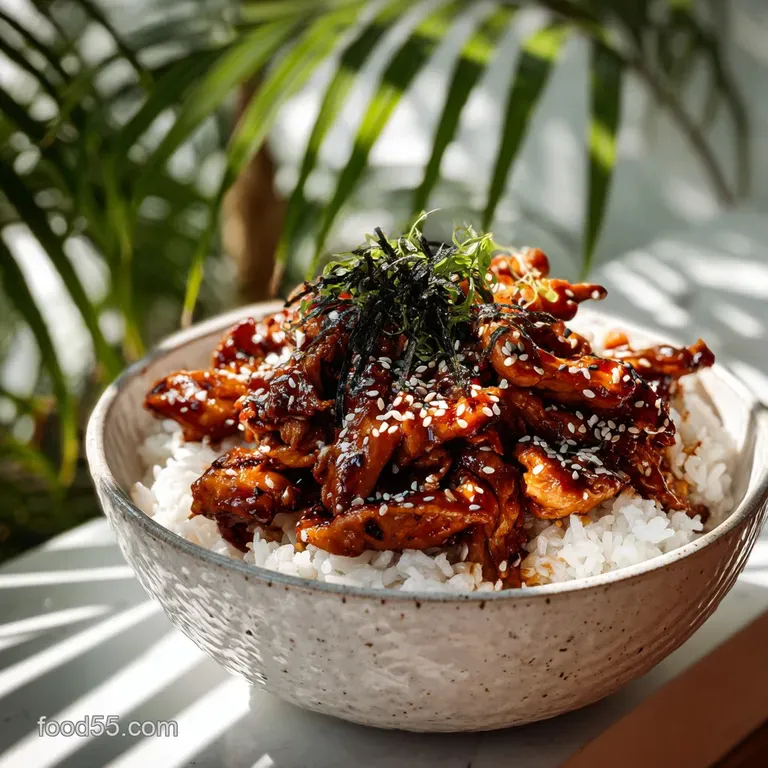
The sound of 680g of diced chicken hitting a 26cm Lodge Cast Iron Skillet is a specific, aggressive sizzle that signals immediate flavor. We aren't just making a meal here, we are practicing the art of the sear, where high heat transforms humble proteins into a glossy, lacquered centerpiece.
I remember the first time I tried a version of this and ended up with a grey, soggy mess because I overcrowded the pan, a mistake I will never let you repeat.
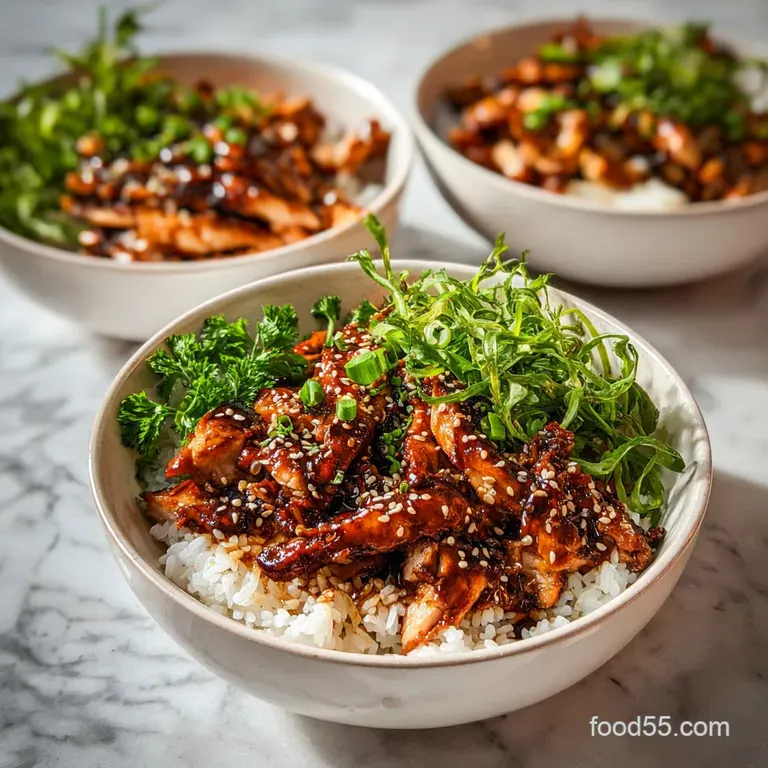
We are aiming for a visual and textural contrast that feels intentional and modern. Imagine the pearlescent sheen of Jasmine rice acting as a canvas for the dark, rich tones of the sauce.
It is about that moment the honey hits the soy sauce and begins to bubble into a thick, clingy glaze that coats every single fiber of the meat.
This Delicious Sticky Chicken Rice Bowls Recipe is designed for the home cook who values the intersection of speed and aesthetic precision. You aren't just tossing things in a pan, you're orchestrating a balance of umami, sweetness, and acidity.
Trust me on this, once you see that mahogany glaze tighten around the chicken, you’ll never look at a takeout menu the same way again.
Innovative Science of Texture Management
- Starch Gelatinization: The 2 tbsp of cornstarch creates a thin, porous barrier that absorbs the chicken's natural moisture, expanding upon contact with heat to create a micro crust.
- Maillard Reaction: over High heat searing reorganizes amino acids and sugars, producing the deep brown color and complex savory notes that a simple boil could never achieve.
- Emulsification Stability: The inclusion of toasted sesame oil and honey helps bridge the gap between the water based soy sauce and the chicken's fats, creating a glossy, unified coating.
- Protein Denaturation: Cutting the chicken into precise 1 inch pieces ensures the heat penetrates quickly and evenly, preventing the centers from becoming rubbery while the exterior caramelizes.
Core Performance and Nutritional Metrics
When we look at the architecture of this dish, it's a high performance meal. The protein density is significant, and the use of low sodium soy sauce allows us to control the salinity without sacrificing the dark pigment required for a stunning visual.
| Feature | Specification |
|---|---|
| Protein Content | 57.8g per serving |
| Caloric Load | 623 kcal |
| Texture Profile | Viscous glaze / Tender interior |
| Primary Prep | Knife work and starch dredging |
Strategic Selection of High Contrast Components
Selecting your elements is the first step in the creative process. Using Diamond Crystal Kosher Salt allows for a wider margin of error than fine table salt, as the hollow flakes dissolve more predictably.
I always suggest using a high-quality honey, perhaps a local wildflower variety, to add floral notes that cut through the saltiness of the 80ml of soy sauce.
- 680g Chicken Thighs: Cut into 1 inch pieces. Why this? Thighs contain more intramuscular fat, ensuring the meat stays succulent under over high heat searing.
- 2 tbsp Cornstarch: For dredging. Why this? It provides a crisper, more translucent finish than all purpose flour ever could.
- 80ml Low Sodium Soy Sauce: The liquid base. Why this? Provides the deep mahogany pigment without making the dish unpalatably salty.
- 60ml Honey: The glazing agent. Why this? High sugar content is vital for that signature "sticky" viscosity we are chasing.
- 1 tbsp Fresh Ginger: Grated finely. Why this? The heat of fresh ginger balances the sweetness of the honey base.
Ingredient Deep Dive
| Ingredient | Science Role | Pro Secret |
|---|---|---|
| Cornstarch | Moisture Barrier | Whisk it with the salt and pepper before adding chicken for total coverage. |
| Honey | Viscosity Builder | Warm the honey for 5 seconds to make it pour and mix more easily. |
| Rice Vinegar | Acid Balance | Use it at the very end to "brighten" the heavy umami notes. |
Component Substitutions
| Original Ingredient | Substitute | Why It Works |
|---|---|---|
| Honey (60ml) | Maple Syrup (Grade A) | Thinner consistency but adds a complex, woody sweetness to the glaze. |
| Soy Sauce (80ml) | Tamari | Keeps the dish gluten-free while maintaining the same dark, salty profile. |
| Chicken Thighs | Firm Tofu (Pressed) | Tofu's porous nature excels at absorbing the honey soy reduction. |
Modern Precision Cooking Equipment Essentials
For this Delicious Sticky Chicken Rice Bowls Recipe, the equipment is just as vital as the ingredients. You need a surface that can hold high heat without dropping in temperature when the 680g of chicken is added.
- Lodge Cast Iron Skillet: This is my go to for achieving that dark sear. Its heat retention is unrivaled for stir fry techniques.
- Microplane Grater: Essential for the ginger and garlic. You want a paste like consistency so the aromatics melt into the sauce rather than burning in chunks.
- Large Stainless Steel Mixing Bowl: You need space to toss the chicken in cornstarch without creating a clumped mess.
- Silicone Spatula: Useful for scraping every last drop of the viscous glaze out of the pan and onto the rice.
If you find yourself enjoying the process of building these complex flavors, you might find similar satisfaction in the technique used for our Homemade Chicken Kofte recipe, which also relies on over high heat surface contact for its character.
Executing the Culinary Composition Perfectly
Step 1: Prep the Aromatics and Slurry
Whisk the 80ml soy sauce, 60ml honey, 1 tbsp rice vinegar, grated ginger, minced garlic, sesame oil, and sriracha in a small bowl. Note: Mixing this ahead prevents the garlic from burning while you search for the honey later.
Step 2: Texture the Protein
Place the 680g of chicken pieces in a bowl and toss with 2 tbsp cornstarch, 0.5 tsp salt, and 0.5 tsp pepper. Cook until every piece is white and dusty. This coating is what creates the "shatter" effect later.
Step 3: High Heat Searing
Heat 2 tbsp neutral oil in your skillet over medium high heat. Add the chicken in a single layer. Sizzle for 5 minutes without stirring to develop a deep golden crust.
Step 4: Flip and Finish
Turn the chicken pieces over and cook for another 3 minutes. Look for the edges to turn opaque and firm.
Step 5: The Glaze Reduction
Pour the sauce mixture over the chicken. Watch for the liquid to bubble rapidly, which indicates the honey is caramelizing and the cornstarch on the chicken is thickening the sauce.
Step 6: Achieving the Coating
Toss the chicken continuously for 2 minutes. Wait until the sauce clings to the meat like a thick syrup and the pan bottom is nearly clean.
Step 7: Steaming the Contrast
While the chicken glazes, ensure your 1 cup of steamed broccoli is vibrant green. Overcooking the broccoli ruins the color balance of the final bowl.
Step 8: Final Assembly
Divide 3 cups of cooked Jasmine rice into four bowls. Top with the chicken and broccoli.
Step 9: Garnish for Aesthetics
Sprinkle thinly sliced green onions and 1 tsp toasted sesame seeds over the top. Add these last to preserve their crunch and color.
Step 10: Resting the Glaze
Let the bowls sit for 60 seconds before serving. Note: This allows the glaze to set slightly, increasing its shine.
Chef's Note: If the sauce seems to vanish into the chicken too quickly, splash in 1 tbsp of water. This thins the honey just enough to create a more pourable consistency without losing flavor.
Technical Solutions for Visual Imperfections
Nothing ruins the presentation like a "muddy" sauce or grey chicken. Usually, it's a temperature issue.
If the Sauce is Too Thick or Sticky
If the honey reduces too far, the sauce can become tacky like candy. This happens if the pan is too hot during the final two minutes. Fix: Immediately kill the heat and whisk in a teaspoon of warm water or additional rice vinegar.
To Fix Rubbery Chicken
Overcooking chicken breasts is easy. If you use breasts instead of thighs, they can turn tough. Fix: Cut the pieces smaller next time, or pull the pan off the heat the second the internal temp hits 74°C.
Troubleshooting Guide Table
| Problem | Cause | Fix | Pro Tip |
|---|---|---|---|
| Soggy Coating | Low Pan Heat | Ensure oil is shimmering before adding meat. | Use a cast iron for better heat retention. |
| Burnt Garlic | Added Too Early | Whisk garlic into the sauce liquid first. | Never sauté garlic alone in a dry pan. |
| Dull Glaze | Not Enough Sugar | Ensure you used the full 60ml of honey. | A final drizzle of sesame oil adds shine. |
Artistic Global Flavor Palette Shifts
We can take this Delicious Sticky Chicken Rice Bowls Recipe in several directions depending on your mood. The core technique remains the same, but the "soul" of the dish changes with the accents.
- For a Tropical Twist: Swap the rice vinegar for lime juice and garnish with fresh cilantro and toasted coconut flakes.
- For a Low Carb Option: Replace the Jasmine rice with cauliflower rice and double the steamed broccoli.
- The Spicy Fusion: Increase the Sriracha to 1 tbsp and add a pinch of red pepper flakes into the cornstarch dredging mix.
If you are looking for a dessert to follow this meal that uses similar stovetop techniques, our Rice Pudding recipe offers a creamy, comforting contrast to the spicy and salty chicken.
- If you want Maximum Crunch
- Double the cornstarch and fry the chicken in two separate batches.
- If you want More Sauce
- Increase the soy sauce to 120ml and the honey to 80ml, keeping the chicken volume the same.
- If you want Deepest Color
- Use 1 tbsp of dark soy sauce in place of 1 tbsp of the low sodium version.
Longevity and Texture Preservation Methods
Storage: This dish keeps remarkably well in the fridge for up to 4 days. The glaze will thicken and "set" once cold, looking almost like a jelly. This is normal due to the honey and gelatin from the chicken.
Reheating: Avoid the microwave if possible, as it can make the chicken rubbery. Instead, toss the leftovers into a hot pan with a splash of water. The water will steam the rice and loosen the honey soy glaze simultaneously.
Freezing: You can freeze the glazed chicken (without the rice) for up to 3 months. Thaw overnight in the fridge.
Zero Waste Tip: Don't throw away those ginger peels! Simmer them in water with a bit of honey to make a quick ginger tea while you eat your bowl. Also, the white parts of the green onions are incredible when charred in the pan right before you add the chicken.
Symmetry in Plating and Pairing
- 1. Deep Mahogany
- The chicken should be the darkest element.
- 2. Electric Green
- The broccoli and green onions provide the "pop" that makes the dish look fresh.
- 3. Pearlescent White
- The Jasmine rice provides a neutral, bright background.
For an even more intense flavor profile, you might try using the base from our Knock Your Socks recipe if you want a version with more acidity and less sweetness.
Comparison: Fast vs. Classic
| Method | Time | Result |
|---|---|---|
| Fast Stir Fry (This Recipe) | 20 minutes | Crispy edges, vibrant veggies, intense glaze. |
| Classic Braise | 1 hour 30 mins | Fall apart meat, mellow sauce, soft veggies. |
Strategic Timeline and Planning Efficiency
Managing a 20 minute recipe requires a "mise en place" mindset. If you are scaling this Delicious Sticky Chicken Rice Bowls Recipe up for a crowd, you must adjust your approach.
To Ensure Fluffy, Separate Rice Grains
Wash your Jasmine rice until the water runs clear. This removes excess starch that causes clumping, allowing the individual grains to be coated in the chicken glaze without turning into mush.
For Scaling Down (1-2 Servings)
- Use a smaller pan to prevent the sauce from evaporating too quickly.
- Reduce cooking time by 20% as the thermal mass in the pan is lower.
For Scaling Up (8 Servings)
- Work in Batches: Never crowd the pan. Fry the chicken in two or three rounds, then combine them all at the end when adding the sauce.
- Spice Ratio: Don't double the salt and sriracha linearly; use 1.5x the amount first and taste.
- Liquid Reduction: Reduce the total liquid volume by 10% as it takes longer to boil off in large quantities.
Discarding Culinary Myths
- Myth: "Searing seals in the juices." Truth: Searing is strictly for flavor and color (Maillard reaction). Moisture loss happens regardless of the sear; the key to juiciness is the internal temperature of the chicken thighs.
- Myth: "You need a wok for sticky chicken." Truth: A heavy cast iron skillet is often better for modern stovetops because it maintains a more consistent temperature across its flat surface, which is essential for caramelizing honey.
Whether you are prepping this for a Sunday meal prep or a quick Tuesday night artistic escape, the key is the heat. Keep that pan screaming, keep the chicken moving once the sauce hits, and enjoy the visual transition from separate ingredients to a unified, mahogany masterpiece.
Recipe FAQs
What does it mean when rice is sticky?
Yes, usually by design in Asian cuisine. Sticky rice means the grains adhere strongly to each other after cooking, which is due to a high amylopectin starch content.
What kind of rice is sticky?
Japonica or short grain white rice. This includes Arborio, sushi rice, and standard short grain rice, as they release more starch when agitated.
What rice goes sticky?
Jasmine or standard medium grain rice will achieve mild stickiness. For true glutinous texture, use actual glutinous (sweet) rice, though Jasmine works perfectly for these bowls.
Can I substitute chicken thighs with breasts?
Yes, but reduce the searing time slightly. Chicken breasts are leaner and dry out faster than thighs under high heat, so aim for an internal temperature of 74°C (165°F) quickly.
Why is my honey glaze hardening instead of clinging?
You cooked the glaze too long or the pan temperature was too high. Honey caramelizes rapidly; if it hardens like candy, try adding a teaspoon of hot water off the heat to loosen the viscosity.
What makes the coating on the chicken sticky?
The cornstarch dredging combined with the reduced honey and soy sauce. The cornstarch creates a porous surface that captures the thickening glaze; mastering this texture control principle is key.
What is a good contrasting side dish for this rich bowl?
Something acidic and fresh to cut through the richness. Steamed broccoli is mandatory, but if you like to bake, try our [Creamy Chicken Breast in Spinach Parmesan Sauce: The Easy Weeknight Florentine] for a different texture profile.
Sticky Chicken Rice Bowls
Ingredients:
Instructions:
Nutrition Facts:
| Calories | 623 kcal |
|---|---|
| Protein | 57.8 g |
| Fat | 16.2 g |
| Carbs | 58.5 g |
| Fiber | 2.8 g |
| Sugar | 19.4 g |
| Sodium | 1140 mg |
