Slow Cooker Recipe with Beef and Vegetables
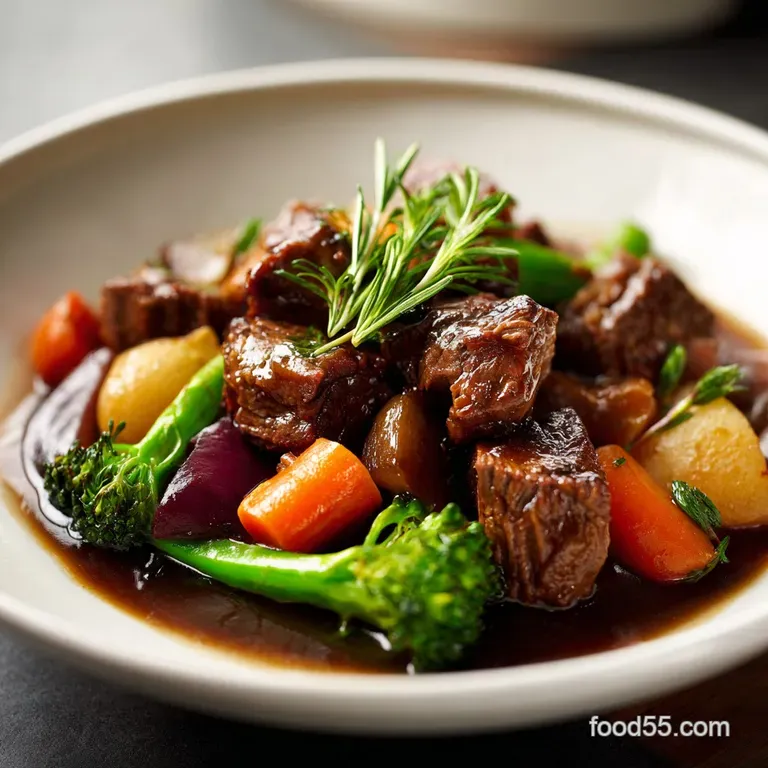
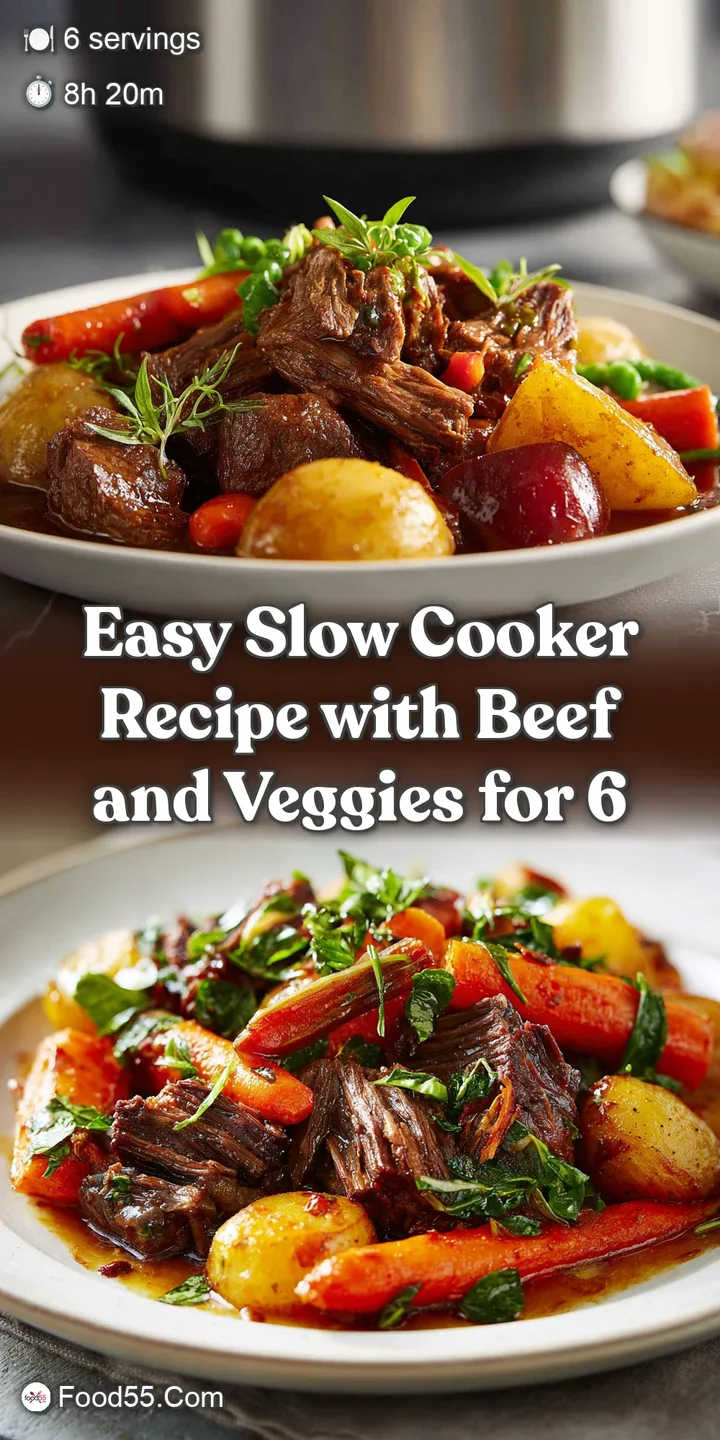
- Time: Active 20 minutes, Passive 8 hours, Total 8 hours 20 mins
- Flavor/Texture Hook: Velvety gravy with fork tender beef and silky vegetables
- Perfect for: Lazy Sundays, busy weeknight meal prep, and rainy day comfort
- The Ultimate Slow Cooker Recipe with Beef
- Reasons to Love This Dish
- Preparation and Timing Specs
- Selecting the Finest Elements
- Tools for Flawless Prep
- Mastering the Cooking Process
- Navigating Potential Mishaps
- Customizing Dietary Needs
- Scaling Guidelines
- Debunking Kitchen Myths
- Preservation and Leftover Tips
- Presentation and Serving Pairings
- High in Sodium
- Recipe FAQs
- 📝 Recipe Card
The Ultimate Slow Cooker Recipe with Beef
Picture this. You walk through the front door after a long, grey afternoon, and the air in your hallway is heavy with the scent of thyme, toasted garlic, and rich, braised meat. There is a specific kind of magic that happens inside a ceramic crock over eight hours.
It is the smell of a home that feels lived in and cared for, where the hard work of dinner was handled by a machine while you were out living your life. I remember the first time I got this right; I used to just throw raw meat in with some water and hope for the best, only to end up with grey, sad chunks of protein.
Now, I know better. That sizzle of the beef hitting a hot Dutch oven before it ever sees the slow cooker is the difference between a "fine" meal and one where everyone is scraping the bottom of the bowl.
We are talking about a deep, dark mahogany sauce that coats the back of a spoon and potatoes that have soaked up every drop of beef bone broth without turning into mush. This isn't just a dump and go situation; it's a layered build that respects the ingredients.
This slow cooker recipe with beef and vegetables creates a hearty, comforting, and flavorful meal that feels like a hug in a bowl. We are going to lean into the contrast of the bright, sweet carrots against the savory, wine infused gravy.
You'll get that hit of acidity from the red wine and the earthy hum of the fresh thyme sprigs. It is simple, yes, but the technique makes it feel like you spent all day hovering over a French copper pot.
Reasons to Love This Dish
This recipe is the gold standard for home cooking because it balances the ruggedness of a cheap cut of meat with the sophistication of a red wine reduction. You get those crispy, seared edges on the beef that eventually soften into buttery ribbons of protein.
It's the kind of meal that actually tastes better the next day after the flavors have had a chance to sit and get to know each other in the fridge.
We’ve all had those stews that feel thin or watery, but this one relies on a cornstarch slurry and the natural starches from Yukon Gold potatoes to create a velvety mouthfeel. It pairs beautifully with a crusty baguette or even over a pile of egg noodles if you're feeling extra. If you’re looking for something with a bit more of a Sunday roast vibe, my Slow Cooker Pot recipe is another fantastic way to treat a chuck roast with the respect it deserves.
The Collagen Conversion Catalyst
Collagen Breakdown: Long duration, low temperature heat transforms tough connective tissue (collagen) into gelatin. This process creates a silky, rich mouthfeel and ensures the meat fibers slide apart with just a fork.
| Meat Thickness | Internal Temp | Rest Time | Visual Cue |
|---|---|---|---|
| 1.5 inch cubes | 195°F - 205°F | 10 minutes | Beef shreds easily with a fork |
| 2 inch cubes | 195°F - 205°F | 15 minutes | Connective tissue looks translucent |
| Whole Roast | 200°F | 20 minutes | Meat pulls away from the grain |
The secret to why this works is all in the timing. If you pull beef out at 165°F, it's technically "cooked," but it will be tough as a boot. You have to push it past that 190°F mark where the magic happens and the tough bits literally turn into liquid gold.
This patience is what separates a mediocre stew from a masterpiece.
Preparation and Timing Specs
When we talk about slow cooking, timing is everything, but so is the preparation of your aromatics. I used to think the slow cooker did all the work, but I’ve learned that the 20 minutes you spend at the stove at the beginning is the most important part of the day.
You want to see that vegetable oil shimmering in the pan before the beef goes in. If the pan isn't hot, the meat will steam instead of sear, and you'll lose that gorgeous crust.
The vegetables need to be cut with intention. We aren't making a fine mince here. We want 1 inch chunks of potatoes and thick rounds of carrots so they can survive the eight hour gauntlet without disintegrating. It’s about structural integrity.
You want to be able to identify every vegetable on your spoon when you finally sit down to eat.
Component Analysis
| Ingredient | Science Role | Pro Secret |
|---|---|---|
| Beef Chuck | High Fat/Collagen | Pat dry with paper towels to get a better sear |
| Red Wine | Acid/Tannins | Use a dry variety like Cabernet to cut through the fat |
| Yukon Gold Potatoes | Starch Stabilizer | These hold their shape better than Russets in long simmers |
| Tomato Paste | Umami Booster | Fry the paste for 60 seconds to remove the metallic edge |
Each of these components plays a specific part in the final flavor profile. The red wine doesn't just add flavor; the acidity helps break down the meat fibers while providing a bright counterpoint to the heavy beef bone broth. The tomato paste acts as a bridge, tying the earthy vegetables to the savory meat.
Selecting the Finest Elements
For this recipe, we are using 2 lbs of Beef Chuck Roast. Don't go for the "stew meat" pre cut packs if you can help it; they are often a mix of different muscles that cook at different rates. Buy a whole roast and cut it yourself. You'll also need 2 tbsp of Vegetable oil for that initial sear.
For the base, grab 1 large Yellow Onion and 3 cloves of Garlic. I like to smash the garlic before mincing to release all those sulfur compounds. You’ll need 1 tbsp of Tomato paste and 1 lb of Yukon Gold potatoes. For the garden side, get 3 large Carrots and 2 stalks of Celery.
The liquids are 1 cup of Dry Red Wine and 2 cups of Beef Bone Broth, plus 1 tbsp of Worcestershire sauce for that extra punch. Finish it with 2 sprigs of Fresh Thyme, 1 Dried Bay Leaf, and a 1 cup of Frozen Peas at the very end.
- Beef Chuck Roast: Substitute with Short Ribs for a richer, fattier finish. Why this? High connective tissue is essential for tenderness in slow cooking.
- Dry Red Wine: Substitute with extra beef broth and a tablespoon of balsamic vinegar. Why this? Provides the necessary acidity to balance the rich fats.
- Yukon Gold Potatoes: Substitute with Red Bliss potatoes. Why this? Waxy potatoes resist turning into mush over 8 hours.
- Beef Bone Broth: Substitute with standard beef stock or mushroom broth. Why this? Adds depth and protein rich body to the gravy.
- Frozen Peas: Substitute with frozen green beans or omit. Why this? Adds a pop of color and freshness at the end.
Tools for Flawless Prep
You don't need a professional kitchen, but a few specific tools make this much easier. A 6 quart slow cooker is the standard size for this volume. You’ll also want a heavy bottomed skillet, preferably cast iron or stainless steel, for searing the meat.
A good chef's knife is non negotiable for those 1.5 inch beef cubes.
Don't forget a sturdy pair of tongs. Using a fork to turn meat in a pan is a recipe for splashed oil and frustration. Also, have a small whisk and bowl ready for the cornstarch slurry later on. A vegetable peeler that actually works will save you ten minutes of annoyance with the carrots.
Mastering the Cooking Process
This is where the transformation happens. We are going to build layers of flavor starting with the meat and ending with a bright finish. Trust the process, especially the searing part it’s the most important step in the entire slow cooker recipe with beef and vegetables.
- Prep the meat. Pat the 2 lbs of beef chuck roast dry and season generously with salt and pepper. Note: Moisture is the enemy of a good sear.
- Sear the beef. Heat 2 tbsp vegetable oil in a skillet over medium high heat. Brown the beef in batches until a dark, crusty brown forms on all sides.
- Sauté aromatics. Remove the beef. Add the diced yellow onion and celery to the pan, cooking 4 minutes until softened and translucent.
- Bloom the garlic. Add the minced garlic and 1 tbsp tomato paste. Stir constantly for 60 seconds until the paste turns brick red and fragrant.
- Deglaze the pan. Pour in 1 cup of red wine. Scrape the bottom of the pan with a wooden spoon until all the brown bits (fond) are dissolved.
- Load the slow cooker. Transfer the beef and onion mixture into the slow cooker. Add the 1 lb potatoes, sliced carrots, 2 cups beef bone broth, and 1 tbsp Worcestershire sauce.
- Add herbs. Nestled the thyme sprigs and bay leaf into the liquid.
- The long simmer. Cover and cook on LOW for 8 hours until the beef is tender and gives way easily.
- Thicken the gravy. Whisk 2 tbsp cornstarch with 2 tbsp cold water. Stir the slurry into the pot and cook on HIGH for 15 minutes until the sauce is glossy and thick.
- The fresh finish. Stir in 1 cup of frozen peas. Let them sit for 5 minutes until bright green and heated through.
Chef's Tip: If you want an even deeper flavor, add a teaspoon of instant espresso powder or a single anchovy fillet to the aromatics while they sauté. You won't taste "fish" or "coffee," but the umami will be incredibly intense.
Navigating Potential Mishaps
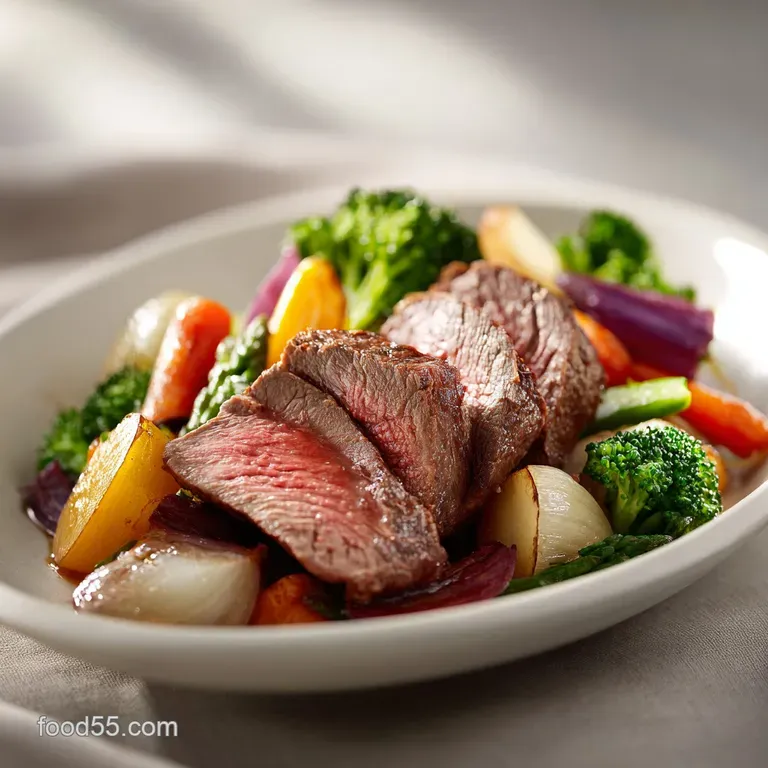
Even with a slow cooker, things can go sideways. The most common issue I hear about is "blandness." This usually happens because the salt was diluted by the moisture released from the vegetables. If it tastes flat at the end, add a tiny splash of red wine vinegar or more salt. It will wake everything up instantly.
Another issue is the "grease slick." Beef chuck is fatty. If you notice a thick layer of oil on top at the end, you can use a large spoon to skim it off, or my favorite trick: drag a folded paper towel lightly across the surface. It will soak up the fat while leaving the gravy behind.
Resolving Tough Meat Issues
If your beef is still tough after the allotted time, it simply hasn't cooked long enough. Many people panic and think they "overcooked" it because it's hard. In reality, the collagen hasn't finished melting. Give it another hour on low.
It’s almost impossible to overcook a chuck roast in a slow cooker unless you leave it for 12+ hours.
Fixing Thin Gravy Problems
If your stew looks more like a soup, the cornstarch slurry is your best friend. Make sure you use cold water for the slurry; if you use hot water, it will clump up. Also, ensure the slow cooker is set to HIGH when you add it, as cornstarch needs heat to activate its thickening properties.
| Problem | Root Cause | Solution |
|---|---|---|
| Tough Beef | Under cooked collagen | Cook for 1-2 more hours on LOW |
| Bland Flavor | Lack of salt or acid | Add salt and a teaspoon of vinegar |
| Mushy Potatoes | Wrong potato variety | Use Yukon Gold or Red Bliss next time |
Common Mistakes Checklist
- ✓ Skipping the sear (this loses about 40% of the potential flavor)
- ✓ Adding too much liquid (the veggies will release their own juice)
- ✓ Opening the lid constantly (each peek adds 15-20 mins to the cook time)
- ✓ Using "Lean" beef (you need the fat for the meat to stay moist)
- ✓ Adding the peas too early (they will turn grey and mushy)
Customizing Dietary Needs
If you need to change things up for friends or family, this recipe is quite flexible. For a keto version, you’ll want to swap out the potatoes for cauliflower florets or radishes. Believe it or not, radishes lose their sharp bite and become very potato like when slow cooked.
Just add them in the last 3 hours so they don't vanish.
If you are avoiding red meat but want that slow cooked comfort, you can try a Slow Cooker Chicken recipe which uses similar aromatic principles but with a lighter profile. For a gluten-free version of this beef dish, the cornstarch is already naturally GF, but just double check your Worcestershire sauce and beef broth labels.
- To make it Keto: Replace potatoes with radishes and omit the peas. Use a tiny bit of xanthan gum instead of cornstarch.
- To make it Alcohol Free: Use an extra cup of broth and a tablespoon of balsamic vinegar or pomegranate juice.
- To make it Paleo: Use arrowroot powder instead of cornstarch and omit the peas and white potatoes (use sweet potatoes instead).
Scaling Guidelines
If you're cooking for a crowd or just yourself, you can easily adjust this.
- To double the recipe (12 servings): You will need a larger 8 quart slow cooker. Do not double the liquids exactly; use 1.5 cups of wine and 3 cups of broth. If you use too much liquid, it won't reduce properly. Sear the meat in smaller batches so the pan stays hot.
- To halve the recipe (3 servings): Use a 3 quart slow cooker. Keep the cook time the same, as the internal temperature of the meat still needs those 8 hours to break down the collagen. You can use a single egg yolk to thicken the sauce at the end for extra richness if you scale down.
| Method | Time | Texture | Best For |
|---|---|---|---|
| Slow Cooker | 8 hours | Ultra tender, integrated flavor | Effortless prep, deep flavor |
| Instant Pot | 45 mins | Tender but less flavor depth | Last minute dinner needs |
| Dutch Oven | 3 hours | Best crust, thickest sauce | Weekend cooking with supervision |
Debunking Kitchen Myths
One big myth is that you should always cook on HIGH to save time. In my experience, "High" in a slow cooker often boils the meat, which can make it feel stringy rather than tender. The "Low" setting is much more gentle and allows for a more graceful transition from tough to melt in-your mouth.
Another myth is that you need to submerge the meat in liquid. Actually, the less liquid you use (within reason), the more concentrated the flavor of the gravy will be. The meat and vegetables will release a significant amount of moisture as they cook.
Two cups of broth plus the wine is more than enough for this slow cooker recipe with beef.
Preservation and Leftover Tips
This stew is a meal prepper's dream. You can keep it in an airtight container in the fridge for up to 4 days. In fact, the starch from the potatoes will continue to thicken the sauce, making it even more velvety on Tuesday than it was on Sunday.
If you find the leftovers are too thick, just add a splash of water when reheating.
For zero waste, don't toss the celery leaves chop them up and use them as a garnish. If you have leftover gravy but no meat, it makes an incredible base for a Slow Cooker Bolognese recipe or can be poured over poutine. You can also freeze the finished stew for up to 3 months. Just be aware that potatoes can sometimes get a slightly grainy texture after being frozen and thawed.
Presentation and Serving Pairings
When you're ready to eat, don't just dump it in a bowl. Use a shallow wide bowl to show off the different colors of the carrots and peas. A sprinkle of fresh parsley adds a necessary pop of brightness to the deep browns of the sauce.
I love serving this with a side of thick, buttered sourdough bread to catch every last drop of the wine infused gravy. If you want a double hit of comfort, serve it over a bed of creamy polenta or garlic mashed potatoes.
The contrast between the rich stew and a crisp, acidic green salad on the side is also a winning combination. It brings people together in that classic, convivial way that only a shared pot of stew can.
High in Sodium
915 mg mg of sodium per serving (40% % of daily value)
The American Heart Association recommends limiting sodium intake to 2,300mg per day.
Tips to Reduce Sodium in Beef Stew
-
Low-Sodium Broth-30%
Replace regular beef bone broth with low-sodium or no-salt added beef broth. This simple swap can drastically reduce the sodium content.
-
Reduce Added Salt-25%
Eliminate or significantly reduce the amount of salt added 'to taste'. Instead, rely on herbs and other flavors to enhance the stew. Start with half the amount you'd normally use, then taste and adjust.
-
No-Salt Tomato Paste-20%
Use no-salt added tomato paste. Regular tomato paste can be surprisingly high in sodium.
-
Low-Sodium Worcestershire-20%
Use low-sodium Worcestershire sauce or reduce the quantity used. Alternatively, consider omitting it altogether and adding a splash of balsamic vinegar for depth of flavor.
-
Fresh Beef-15%
Ensure that the beef chuck roast is fresh and not pre-seasoned or injected with a sodium containing solution. Ask your butcher or check the packaging to confirm.
-
Flavor Boost
Enhance the flavor with fresh herbs and spices instead of salt. Experiment with different combinations of thyme, rosemary, bay leaf, garlic powder, onion powder, and black pepper.
Recipe FAQs
Can you put raw meat and vegetables in a slow cooker?
Yes, but searing the meat first is highly recommended. Raw meat is safe if cooked to the correct internal temperature, but skipping the sear results in pale meat and a thin, underdeveloped gravy. For the best flavor, brown the beef first before transferring it to the crock.
What vegetables to put in a slow cooker with beef?
Use hardy root vegetables that require long cooking times. Carrots, Yukon Gold potatoes, celery, and onions are ideal as they become tender without disintegrating. If you enjoyed mastering the deep savory base in this recipe, see how the same principle of building flavor applies when making a Homemade Steak Sauce recipe.
What vegetables should not be added to a slow cooker?
Avoid soft vegetables and most leafy greens near the beginning. Dairy products, fresh herbs like basil, and delicate vegetables like zucchini or fresh peas will turn to mush or lose their flavor if cooked for eight hours.
What are common mistakes in slow cooking beef?
The most common mistake is skipping the initial stovetop sear. Searing builds crucial color and complex flavor compounds (Maillard reaction) that cannot be achieved by simmering alone. Another error is opening the lid constantly, which releases heat and extends the cooking time significantly.
How to ensure the beef stays moist and doesn't dry out?
Use fattier cuts of beef, like chuck roast, and cook low and slow. These cuts have enough internal fat and connective tissue (collagen) that renders down into moisture, keeping the meat succulent even after many hours. This gradual breakdown is what separates a tough roast from a fork tender one, a technique that also applies when roasting cuts like in our Classic Herb Crusted Bottom recipe.
Why is my finished gravy thin instead of thick and velvety?
The liquid hasn't been properly activated or thickened at the end. You must use a slurry (cornstarch mixed with cold water) and cook on high heat for 15 minutes after adding it to activate the starch. Do not add the slurry into cold liquid.
Do I need to use expensive broth or wine for the best flavor?
No, you can use budget friendly options, focusing on technique instead of price. The slow cooker extracts flavor intensely over time, so a dry, inexpensive Cabernet works fine, as does a standard beef broth.
The real flavor booster comes from frying the tomato paste until it darkens if you master this flavor deepening step here, you’ll see great results in many other sauces too.
Tender Slow Cooker Beef And Veggies
Ingredients:
Instructions:
Nutrition Facts:
| Calories | 587 calories |
|---|---|
| Protein | 34g |
| Fat | 32g |
| Carbs | 28g |
| Fiber | 4.5g |
| Sugar | 5.2g |
| Sodium | 915mg |
