Sausage Stuffing: the Ultimate Sage, Herb, and Crispy Classic Recipe
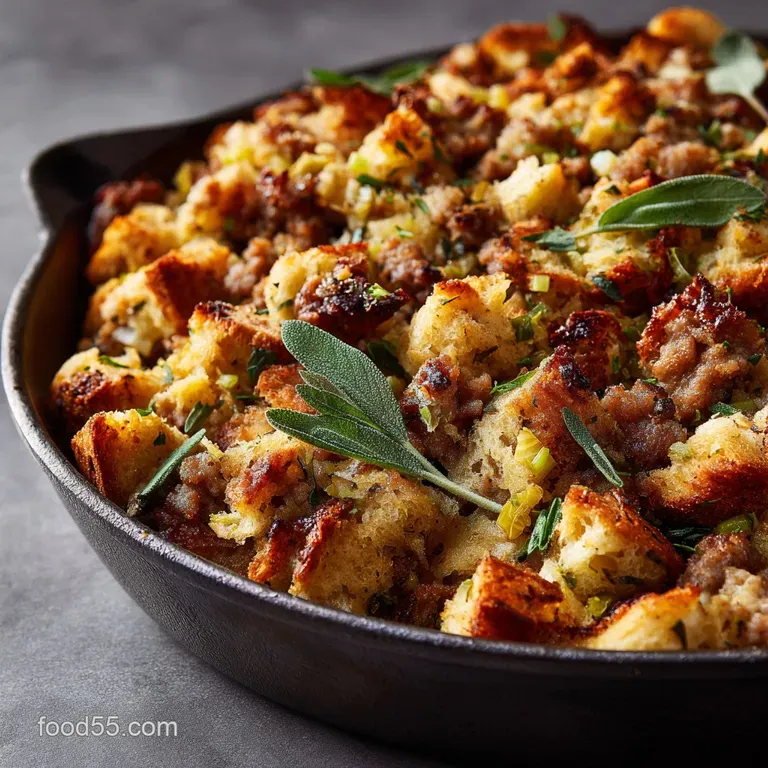
- The Ultimate Sage and Sausage Stuffing: Why Homemade Always Wins
- The Science of Perfect Stuffing Texture: Moist Interior, Crispy Top
- Ingredients for the Best Classic Sausage Stuffing
- How to Make Sage and Sausage Stuffing: A Step-by-Step Guide
- Troubleshooting and Pro Tips for Flawless Stuffing
- Make Ahead, Storage, and Reheating Guide
- What to Serve with Classic Sausage Stuffing
- Recipe FAQs
- 📝 Recipe Card
The Ultimate Sage and Sausage Stuffing: Why Homemade Always Wins
The smell of browning sausage mingled with fresh, herbaceous sage is truly the scent of the holidays. You know that deep, savoury aroma that instantly makes you feel warm and nostalgic? That’s what we are chasing here.
This stuffing isn’t just a side dish; it’s the cornerstone of any proper feast, offering that perfect textural contrast of buttery, crispy edges and a moist, deeply flavorful core.
Honestly, the store-bought stuff is a crime against deliciousness. This homemade version is surprisingly fast to pull together, incredibly budget friendly, and frankly, it tastes like a million bucks.
If you think stuffing is dry and boring, you’ve just been making it wrong, and I’m here to fix that right now.
Forget the fussy ingredients and complicated techniques. We are going back to basics with this classic recipe, focusing on pure flavour and the kind of texture that makes everyone ask for seconds (and thirds).
Let's crack on and make some truly epic Sage and Sausage Stuffing for Thanksgiving this year you won’t look back.
The Science of Perfect Stuffing Texture: Moist Interior, Crispy Top
We aren't just throwing ingredients into a pan and hoping for the best. There is serious culinary logic behind this specific method, and understanding it is the difference between dry cardboard and golden, buttery perfection.
The Difference Between Stuffing and Dressing
Okay, let’s clear this up immediately because people argue about it endlessly. Historically, stuffing is cooked inside the turkey cavity, which makes it incredibly moist because it absorbs the turkey's juices (but requires careful temperature management to be safe).
Dressing is cooked in a separate casserole dish. This recipe is technically a dressing since it’s cooked outside the bird, but everyone calls it stuffing anyway, so we roll with it.
Trust me, cooking it separately guarantees a crispy top crust, and that’s non-negotiable.
What Makes This Recipe "The Ultimate" Classic?
It's all about intentional layering. We use the rendered pork fat to sauté the aromatics, creating a flavor foundation that runs deep. Crucially, we use fresh sage, which releases its powerful oils perfectly when kissed by the heat of the butter.
The combination of chicken stock and eggs provides a binder that moistens the bread without making it soggy, giving us that ideal moist interior beneath the crisp golden crust.
Preparation Timeline and Difficulty Check
This dish is straightforward, but it requires patience in the preparation phase. Don’t rush the drying of the bread; that is your foundation. I promise, the 20 minutes of active prep time are totally worth the results. This recipe falls firmly into the Medium difficulty range, simply because you have to manage the moisture level carefully. If you want to see how this translates when using a different base, check out my Thanksgiving Stuffing: Ultimate Crispy Sourdough Sausage Recipe guide.
The Role of Stale Bread in Structure
This is the most important step! If you use fresh, soft bread, it will immediately disintegrate into a paste when you add the liquid, resulting in dense, heavy stuffing. We need the bread to be dried out so the liquid is absorbed into the pores, causing the cubes to swell while still holding their original shape.
This structure is what gives you that perfect, fluffy, yet sturdy bite.
Flavor Foundation: Blooming the Sage and Thyme
"Blooming" just means gently cooking your dried or fresh herbs in fat for a minute or two. This step is huge. Adding the sage and thyme directly into the rendered sausage fat and melted butter releases their volatile oils, massively intensifying their flavor before they ever hit the bread.
It makes the entire dish taste richer, deeper, and more complex.
Achieving Moisture with Stock and Eggs
The eggs are the glue. They are essential for binding the mixture together so it sets into a sliceable casserole structure instead of falling apart like loose bread crumbs. The warmed stock is the vehicle for moisture, soaking evenly into the dried bread.
Using warm stock helps it incorporate quickly and prevents the cold liquid from solidifying the butter in the aromatics.
Chef's Note: You must use enough liquid for the stuffing to look and feel like wet sand before baking. If it looks dry now, it will definitely be dry later!
Ingredients for the Best Classic Sausage Stuffing
This is a simple list, but quality matters here. Since there are only a few main components, make sure they are excellent.
Choosing the Right Pork Sausage (Unseasoned vs. Mild Italian)
I am obsessed with using high-quality bulk pork sausage for this. You want something flavorful, but not so overwhelmingly spicy that it fights with the sage. I usually grab a mild or sweet Italian sausage and remove the casing, as it provides great flavor without too many extraneous seasonings.
If you use already heavily seasoned breakfast sausage, you must adjust the salt and sage content downward.
| Ingredient | My Recommendation | Substitution Tip |
|---|---|---|
| Pork Sausage | Mild or Sweet Italian (bulk) | Ground turkey or chicken (add 2 Tbsp of olive oil for fat and moisture). |
| Bread | Sourdough or crusty white loaf | Any sturdy, crusty bread works. Avoid soft brioche as it’s too rich and fine crumbed. |
The Aromatics Base: Celery, Onion, and Garlic Prep
We stick to the classic trinity: celery, onion, and garlic. They need to be finely diced, often referred to as a small dice, so they melt seamlessly into the stuffing without leaving huge crunchy chunks. The goal is flavour integration, not texture contrast from hard vegetables.
Why Fresh Sage is Non-Negotiable
Seriously, skip the dried stuff this time. Fresh sage has a clean, slightly sweet, piney flavour that dried sage just can’t replicate. We are using two full tablespoons of fresh, roughly chopped sage here, making this specific version wonderfully herbaceous. If you want a more detailed look at maximising this herb, try my Sausage Stuffing: Authentic Sage Dressing Recipe for Thanksgiving .
Stock Choice: Chicken Broth vs. Bone Broth
I prefer low-sodium chicken stock because it offers a neutral base and allows me to control the salt. Bone broth is richer and fantastic, but it can make the final dish feel heavier. If you use regular (high sodium) stock, cut the added salt in the recipe by half and adjust later.
How to Make Sage and Sausage Stuffing: A step-by-step Guide
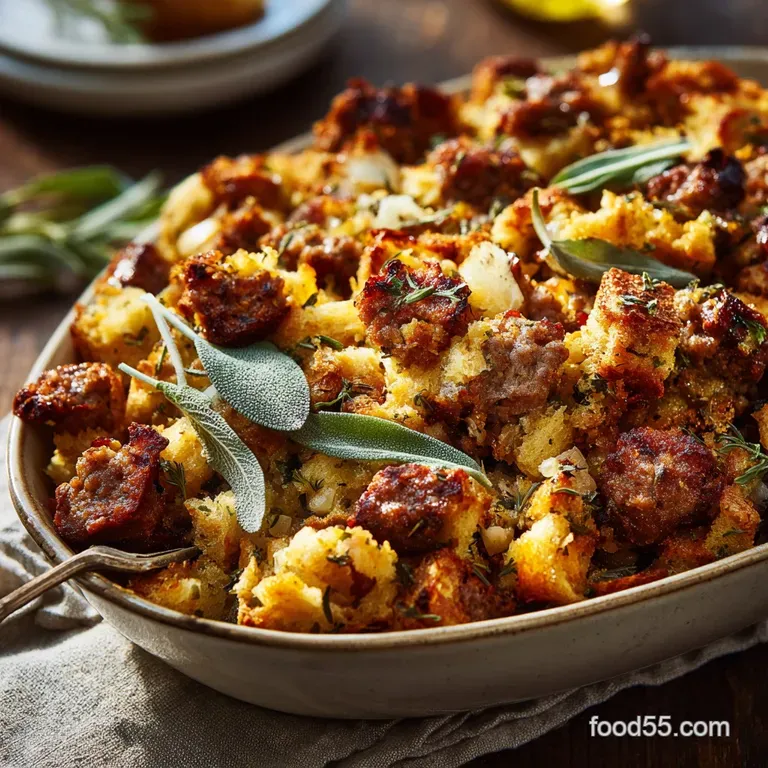
Preheat your oven to 375°F (190°C). Grab that enormous mixing bowl you’re going to need it!
Sautéing the Sausage and Aromatics
- Crisp the Sausage: Get your large skillet hot and cook the sausage, breaking it up into small crumbles. You want it nicely browned and crisp. This takes about 8 to 10 minutes.
- Drain the Fat (But Not All Of It!): Use a slotted spoon to transfer the sausage to the bread bowl. Leave about 2 tablespoons of rendered fat in the pan. That fat is flavour gold!
- Soften the Veggies: Reduce the heat to medium. Add your butter, onion, and celery to the pan, scraping up any browned bits left by the sausage. Cook until they are translucent and soft, around 6 to 8 minutes.
Creating the Herbaceous Binder Mix
- Bloom the Herbs: Stir in the fresh sage, thyme, salt, and pepper. Cook for exactly one minute until the herbs are incredibly fragrant. Don’t overcook them, or they’ll taste bitter.
- Combine the Dry: Pour the entire contents of the skillet the butter, the softened vegetables, and the glorious herb mix over the dried bread and sausage in the mixing bowl. Toss very gently to coat.
Combining and Checking for Optimal Moisture
- The Binder: Whisk the two eggs and the warmed chicken stock together in a separate bowl.
- Moisten: Pour this liquid slowly over the bread mixture. Now, use your hands or a rubber spatula to fold the mixture carefully. Stop mixing the second everything looks uniformly moist. It should feel spongy and wet, but still look like bread cubes. Add the parsley now for colour.
Baking for the Ideal Golden Crust
- Prepare to Bake: Transfer the stuffing to your greased 9x13 dish. Pat the top gently to level it out.
- Steam First: Cover the dish tightly with foil. This is our steaming phase, ensuring the interior gets hot and cooks through without drying out the surface. Bake for 30 minutes.
- Get the Crunch: Remove the foil and increase the oven temperature to 400°F (200°C) if needed for crisping power. Bake uncovered for another 20 to 25 minutes until the top is deeply golden brown and crunchy.
Troubleshooting and Pro Tips for Flawless Stuffing
The Importance of Pre-Drying Your Bread Cubes
Seriously, if you ignore this, you’re doomed to mushy stuffing. If you forgot to dry the bread overnight, spread your cubes on a sheet pan and bake them at 300°F (150°C) for about 15 minutes, stirring halfway through. They should feel like hard croutons.
Avoiding the Common Mistake: Undercooking the Sausage
Because stuffing is a dense mixture, food safety is paramount. You must ensure the sausage is fully cooked and browned before it goes into the stuffing mixture. If you mix raw or partially cooked sausage into the bread, the final casserole temperature might not be high enough for long enough to kill all the bacteria, especially if it's the center.
Cook the sausage until there is absolutely no pink left.
Adjusting Seasoning Before Baking
Taste the mixture before it hits the oven! Since all the cooked elements are now combined, pull out a small spoonful and give it a try. Is it bland? Add more salt and pepper now. Is it a little too salty?
You can sometimes fix this by adding a tiny splash of stock and an extra pat of unsalted butter to redistribute the flavour.
make-ahead, Storage, and Reheating Guide
Preparing Sausage Stuffing Ahead of Time
This recipe is an absolute dream for holiday meal prep. You can fully assemble the stuffing, right up to the point of baking, cover it tightly with plastic wrap, and store it in the refrigerator for up to 24 hours. Do not add the liquid binder more than a day in advance.
If you need more time, cook the sausage and aromatics separately and store them. Then, mix the dry bread, wet ingredients, and everything else together on the morning you plan to bake.
Safe Storage of Leftovers (Refrigeration)
Leftover sausage stuffing will keep beautifully in an airtight container in the refrigerator for 3 to 4 days. If the stuffing was cooked inside the turkey, you must remove it from the cavity immediately and store it separately.
Best Practices for Freezing Cooked Stuffing
Yes, it freezes! Once fully cooled, transfer the stuffing to a freezer safe dish or heavy duty Ziploc bag. It keeps well for up to 3 months. When ready to eat, thaw it overnight in the fridge.
Reheat in a 350°F (175°C) oven, covered with foil, until piping hot throughout (around 20- 30 minutes). I sometimes like to reheat it in smaller portions in my air fryer to get the top extra crispy again!
What to Serve with Classic Sausage Stuffing
This stuffing is robust and flavourful, demanding equally bold company.
It is, naturally, the perfect side for any turkey or chicken roast. But don't limit it to birds! It's fantastic with pork tenderloin or a simple Sunday pot roast. If you're looking for something that offers a sweet and tangy counterpoint to the sage and pork, you absolutely have to try my Sausage Apple and Cranberry Stuffing: The Ultimate Holiday Cracker .
A simple, tart cranberry sauce is essential to cut through the richness of the pork and butter. Just make sure you include something green and crunchy on the plate, like some garlicky sautéed green beans, to complete the perfect bite.
Recipe FAQs
Why did my Sausage Stuffing turn out dry and crumbly?
Dryness usually indicates insufficient binding liquid (stock and egg) was used relative to the amount of bread. Ensure the bread cubes are thoroughly saturated before baking, and cover the stuffing loosely with foil for the first two-thirds of the cooking time to trap steam and maintain moisture.
If it appears dry while baking, you can gently drizzle 1/4 cup of warm stock over the top.
Can I prepare this sausage stuffing ahead of time?
Absolutely, you can prepare the mixture fully combined, but not yet baked up to 24 hours in advance. Store it tightly covered in the refrigerator, but allow it to sit on the counter for 30 minutes before baking to remove the chill.
You may need to add an extra splash of stock (about 1/4 cup) before baking, as the stale bread continues to absorb moisture overnight.
What is the best type of bread to use for the ultimate texture?
The best bread is a sturdy, crusty loaf like sourdough, French baguette, or rustic white bread that has been cubed and left to dry out for 1-2 days. Avoid using soft, factory produced sandwich bread, as it tends to collapse quickly during mixing and results in a dense, paste like stuffing rather than a light, crisp one.
Stale bread is critical for optimal liquid absorption and structure.
Should I bake the stuffing inside or outside the turkey?
For safety and superior texture, culinary experts generally recommend baking the stuffing in a separate dish outside the main poultry. Stuffing baked inside the turkey must reach an internal temperature of 165°F (74°C) to be safe, which often means the bird itself becomes overcooked by the time the stuffing is done.
Baking separately also ensures all sides get golden and crispy.
How do I prevent the bottom layer of the stuffing from becoming soggy or greasy?
Sogginess often occurs if excess fat or liquid pools at the bottom of the pan. Ensure you drain any rendered fat from the cooked sausage and sautéed vegetables thoroughly before mixing them with the bread.
Additionally, using slightly elevated or heavily buttered parchment paper in the pan can help minimize direct contact with moisture that releases during baking.
Can I substitute the pork sausage for other meats or a vegetarian option?
Yes, mild or hot Italian sausage provides an excellent flavour variation while maintaining the classic texture. For a vegetarian alternative, substitute the sausage with sautéed mushrooms (cremini or shiitake) or use a quality plant based sausage crumble, ensuring you cook them fully before adding them to the mixture.
If omitting meat, consider using vegetable stock instead of chicken stock.
What is the proper way to store and reheat leftover sausage stuffing?
Leftover stuffing should be cooled quickly and stored in an airtight container in the refrigerator for up to four days. To freeze, wrap the cooled stuffing tightly in aluminum foil and place it in a freezer safe bag for up to three months.
Reheat baked stuffing covered at 350°F (175°C) until piping hot, removing the foil for the last 10 minutes to restore the crispy top layer.
Ultimate Sage And Sausage Stuffing
Ingredients:
Instructions:
Nutrition Facts:
| Calories | 400 kcal |
|---|---|
| Fat | 22 g |
| Fiber | 2 g |
