Vegan Fish Sauce: the Ultimate Umami Powerhouse
- Defining the Flavor: Why We Need a Plant-Based Umami Booster
- The Alchemy of Flavor: Achieving Authentic Depth Without Anchovies
- Essential Components for Your Vegan Brine
- Step-by-Step: Crafting Your Ultimate Vegan Fish Sauce
- Troubleshooting and Mastering the Brine: Expert Tips
- Longevity and Application: Using Your Plant-Powered Condiment
- Recipe FAQs
- 📝 Recipe Card
Defining the Flavor: Why We Need a Plant Based Umami Booster
I’m going to level with you. If you cook Southeast Asian food regularly, or even if you just dabble in savory sauces, you know the pain of needing that deep, funky, salty flavor base. It’s the backbone. That incredibly intense savory pop is what we’re chasing.
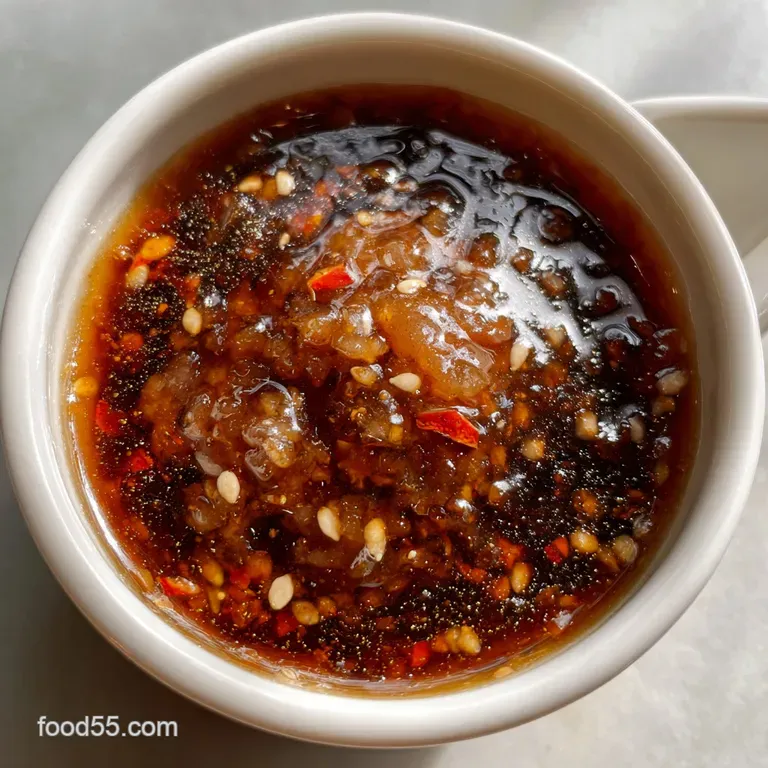
This brilliant little bottle of homemade Vegan Fish Sauce is going to change everything for you.
When this broth is simmering, your kitchen is going to smell like the best, most complex Asian restaurant on the block. Seriously. It’s deep, salty, and utterly irresistible. But the best part? It takes zero specialty skills.
Forget spending twenty bucks on a tiny bottle of commercial Vegan Fish Sauce substitute that tastes vaguely of soy sauce and desperation. We are crafting true, authentic umami here, and we are going to nail that perfect balance of salt, sweetness, and fermented funk.
Let's crack on and figure out exactly how to make Vegan Fish Sauce that truly delivers.
The Alchemy of Flavor: Achieving Authentic Depth Without Anchovies
We need to understand what we are replacing before we try to recreate it. Traditional fish sauce is simply fermented fish and salt, resulting in high salinity and intense glutamates (umami). Our mission is to mimic those two things perfectly.
What is Traditional Fish Sauce (and Why Go Vegan)?
It’s fermented brine, pure and simple. It provides a savory depth that soy sauce, on its own, just can't touch. For those of us avoiding fish whether for ethical reasons, allergies, or just because we want a plant based option we need a reliable Vegan Fish Sauce Substitute .
We aren't just making a salty liquid; we're crafting complexity.
The Essential Role of Salinity and Funk in Southeast Asian Cooking
Think about Pad Thai or a complex curry. You add sweetness, chili, acidity, but without that deep, funky salt, the dish falls flat. That high level of sodium is also a preservative, which is why your homemade Vegan Fish Sauce keeps so well. It’s critical for structure and balance.
Can I Buy Commercial Vegan Alternatives?
Sure, you can find Vegan Fish Sauce Brands on the market now, but honestly, they are often overpriced and rarely achieve the same depth as a homemade version. They rely heavily on soy or sugar to mask a lack of fermentation depth.
I once tried a store-bought brand that tasted vaguely like pineapple definitely not the vibe we’re going for here!
The Miso Difference: Mimicking Fermented Brine
This is the secret weapon! Miso paste especially white (shiro) miso brings in the necessary, naturally fermented funk. It's already salty and packed with glutamates, giving our homemade sauce the rich, savory depth that anchovies usually provide.
Trust me on this: the proper miso is essential for the best Vegan Fish Sauce.
Building the Briny Back Note: Utilizing Seaweed Components
While miso provides fermentation, we need that distinct ocean salinity that makes traditional fish sauce so unique. This is where kombu and dried shiitake mushrooms step in. Kombu, a thick dried seaweed, is a natural glutamate powerhouse, lending deep, clean brine without tasting overly "seaweedy." This forms the heart of our Vegan Fish Sauce Recipe .
Balancing the Profile: Sweetness, Acidity, and Potency
If we only used salt and umami, the sauce would be flat and overwhelming. We add a little brown sugar to balance the extreme salinity and a splash of apple cider vinegar (ACV) for a sharp, clean finish. This mimics the slight acidity often found in high-quality traditional versions.
Essential Components for Your Vegan Brine
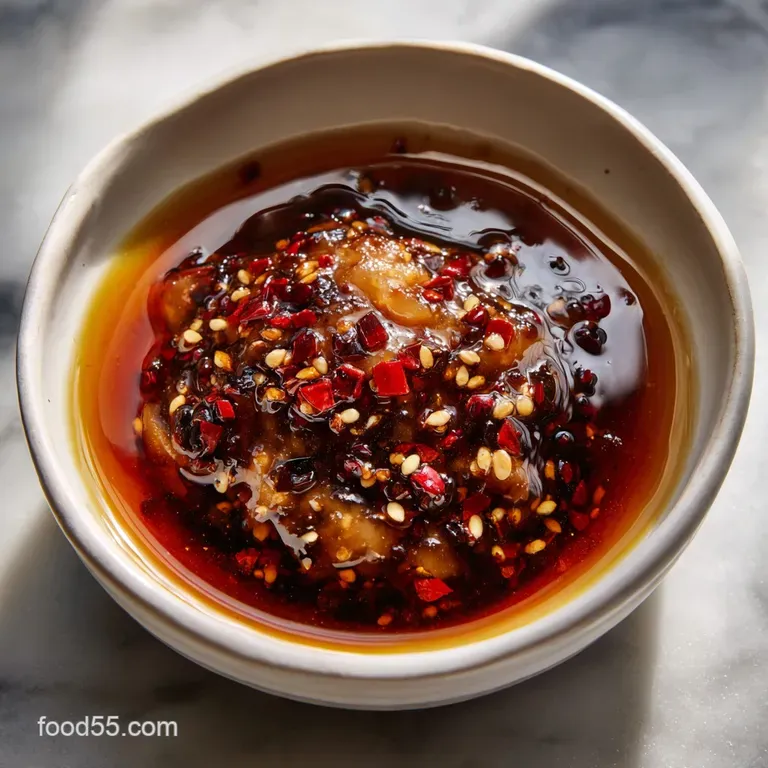
We’re keeping the ingredient list tight and focused on flavor maximums. Every single item here is pulling its weight. This is the list of Vegan Fish Sauce Ingredients you need in your pantry.
Selecting the Right Type of Miso for Maximum Fermentation
I always reach for white or yellow miso (Shiro Miso) for this application. It has a milder, sweeter flavor than dark red miso, which can be overpowering or too earthy for the clean Asian profiles we are chasing.
| Ingredient | Role | Substitution |
|---|---|---|
| Shiro Miso | Funk & Umami | Yellow Miso (adjust salt down) |
| Kombu Seaweed | Ocean Salinity | Powdered Nori or Kelp Granules |
| Tamari | Color & Salinity | Dark Soy Sauce (if not gluten-free) |
| Brown Sugar | Balance & Color | Maple Syrup or Coconut Sugar |
| ACV | Acidity | Rice Vinegar (use 1/2 tsp more) |
Sourcing Umami: Dried Seaweed and Aromatic Enhancers
Don’t wash your kombu! It often has a white, dusty residue on it. That is natural glutamic acid, and we want that flavor dissolved into our broth. Just wipe it lightly with a dry towel before adding it to the pot. Using dried shiitake mushrooms, instead of fresh, concentrates their intense savory flavor.
Ingredient Swaps: Adjusting Salinity and Colour
If you are particularly sensitive to salt, you can start with a low-sodium Tamari. But remember, this sauce is supposed to be intensely salty it’s a seasoning concentrate.
If you need a richer, darker color for your Vegan Fish Sauce , use dark soy sauce instead of Tamari, provided gluten isn't an issue.
Prepping Dried Components for Optimal Flavor Release
The shiitake mushrooms and kombu must start in cold water. Why? As the water heats up gradually, it slowly coaxes all those wonderful umami compounds out of the dried goods. Plunging them into hot water shocks them and results in a weaker broth.
Chef’s Note: You can save the spent shiitake mushrooms after straining! They are now soft and saturated with flavor. Chop them finely and stir fry them with garlic and chili for a quick, intense topping for rice or stir fries.
step-by-step: Crafting Your Ultimate Vegan Fish Sauce
This process is straightforward, but attention to temperature is key. We want to steep our flavors, not boil them to death.
Initial Infusion: Maximizing Umami Extraction
First, combine the water, dried kombu, and shiitake mushrooms in your saucepan. Bring it up to a gentle simmer you should see tiny bubbles breaking the surface, nothing more dramatic than that. Immediately reduce the heat to the absolute lowest setting. This is the sweet spot for maximizing umami extraction.
Simmering and Reduction: Achieving Optimal Viscosity
Simmering for 30 minutes, uncovered, is essential. Not only are we extracting flavor, but we are reducing the liquid volume. This makes the sauce thicker and the flavor exponentially more potent, moving us toward that sticky viscosity we expect from the best Vegan Fish Sauce .
The whole house will smell wonderful while this reduces.
Straining and Clarification: Ensuring a Smooth Condiment
This is where beginners stumble! After removing the kombu and mushrooms, you must double strain the liquid. Use a fine mesh sieve lined with cheesecloth. Pour slowly. Do not, under any circumstances, press or squeeze the solids.
Squeezing releases fine starches and particles that will make your beautiful brine murky. We want crystal clarity.
Troubleshooting and Mastering the Brine: Expert Tips
You’re basically making a highly concentrated consommé before you season it. Let’s make sure you get it right the first time.
Fixing Overly Salty Batches (Too much Miso or Soy?)
If you taste the final, finished Vegan Fish Sauce and it’s just too punchy, don't panic. Gently simmer it for 5 minutes with one extra tablespoon of brown sugar and one cup of water. You will lose a little viscosity, but the salt will dilute.
You can always reduce it back down later.
How to Increase Funk Factor (Post Production Techniques)
If the funk level is too low, you might have used too little miso or simmered the broth too vigorously. The fix? Add half a teaspoon more of softened miso paste (always dissolve it in a little hot liquid first!) and 1/4 teaspoon more ACV. The acid brightens the fermented notes, making the funk more noticeable.
The Importance of Resting Time for Flavor Integration
I know you want to taste it immediately. Don't. Bottle it up and stick it in the fridge for at least 24 hours. Just like aging wine or a good barbecue rub, the flavors need time to integrate and deepen.
The longer it rests, the more complex and cohesive your Umami Vegan Sauce becomes.
Longevity and Application: Using Your Plant Powered Condiment
Due to its high salt content, this brine is extremely stable. You’ll be adding this to everything from our Creamy Tomato Pasta: Chefs Secret Sauce in 35 Minutes (for depth, not funk!) to your weekend stir fry.
Shelf Life: How Long Does Homemade Plant Based Brine Last?
Stored in an airtight, sterilized bottle in the refrigerator, this homemade Vegan Fish Sauce lasts for three to four months easily. The salt acts as an excellent preservative, just like it does in the traditional version.
Freezing for Future Use: Cubes vs. Bulk Storage
But does it freeze well? You bet! If you made a huge batch or just want small flavor boosters, freeze the sauce in ice cube trays. Once frozen, transfer the cubes to a freezer bag. This way, you can drop a cube right into a simmering curry base or stew for an instant boost of umami.
Essential Pairings: Enhancing Curries and Dipping Sauces
This is a fantastic Vegan Fish Sauce Substitute for any recipe calling for the traditional variety. Use it 1:1 in your favorite Thai green curry or Vietnamese dipping sauce. It's especially potent when paired with fresh lime and spicy peppers.
Remember, this powerful seasoning is meant to be a base note, adding complexity without announcing itself too loudly. Now go forth and conquer your kitchen!
Recipe FAQs
How long will this Vegan Fish Sauce last, and how should I store it?
When stored in an airtight, sterilized container in the refrigerator, this sauce is excellent for up to 3 to 4 weeks. Due to its high salinity and natural acidity (if vinegar is used), it keeps well, but always ensure the container is spotless before bottling.
Shaking it before use is highly recommended, as the miso sediments and flavoring agents may settle at the bottom over time.
My sauce lacks the deep 'funky' quality of traditional fish sauce. How can I deepen the umami flavor?
To maximize the umami depth, ensure you allow the ingredients (especially the kombu and shiitake) to steep and simmer for the full recommended time, extracting all possible flavor compounds.
You can also slightly increase the amount of white miso, or try incorporating a tablespoon of fermented black bean paste during the simmering process for an extra layer of savory funk and color.
I am sensitive to iodine. Can I substitute the kombu or dried seaweed in the recipe?
Yes, while kombu is crucial for the characteristic briny, ocean like flavor, you can omit it if necessary, though the resulting sauce will lack some marine notes. To compensate for the lost depth and to maintain salinity, consider adding a few dashes of tamari (if not already used) and an extra half teaspoon of fine sea salt.
This will ensure the flavor punch remains strong despite the absence of seaweed.
Why is my finished sauce cloudy, and does it need to be strained?
Cloudiness is typically caused by the miso paste, which does not fully dissolve into a clear liquid, and small particles from the simmered shiitake mushrooms. While not strictly necessary, if you desire a crystal clear sauce similar to store-bought varieties, strain the finished brine twice through a fine mesh sieve lined with cheesecloth.
If properly strained, it will retain all the flavor while achieving excellent clarity and consistency.
Can I use fresh shiitake mushrooms instead of dried ones for this recipe?
It is strongly recommended to use dried shiitake mushrooms, as the drying process concentrates their naturally occurring glutamates (the primary source of umami flavor). Fresh shiitake have a much higher water content and significantly less flavor intensity per gram, resulting in a much weaker, less potent finished sauce.
If you must use fresh, you would need to drastically increase the quantity used and extend the overall simmering time for maximum extraction.
How can I adjust this sauce to be spicier or sweeter?
To add sweetness, stir in 1 to 2 teaspoons of maple syrup or agave nectar after the sauce has finished simmering and straining, adjusting to taste before bottling. If you prefer heat, incorporate a few slices of fresh Thai chili pepper or a teaspoon of chili flakes during the initial simmering stage to infuse the brine with capsaicin.
Always taste the sauce once cooled to ensure your desired balance of salt, sweet, and heat is achieved.
What are the best uses for this Vegan Fish Sauce?
This sauce is highly versatile and can be used anywhere traditional fish sauce is called for, acting as a crucial salinity and umami booster. It excels in Thai curries, Vietnamese noodle bowls, and as the base for dipping sauces like Nuoc Cham.
You can also whisk a few dashes into salad dressings, marinades, or vegetable stir fries for immediate savory depth.
Ultimate Vegan Fish Sauce Recipe
Ingredients:
Instructions:
Nutrition Facts:
| Calories | 69 kcal |
|---|---|
| Protein | 1.1 g |
| Fat | 0.7 g |
| Carbs | 15.0 g |
