Thanksgiving Side Dishes: Ultimate Umami Sourdough Dressing with Wild Mushrooms
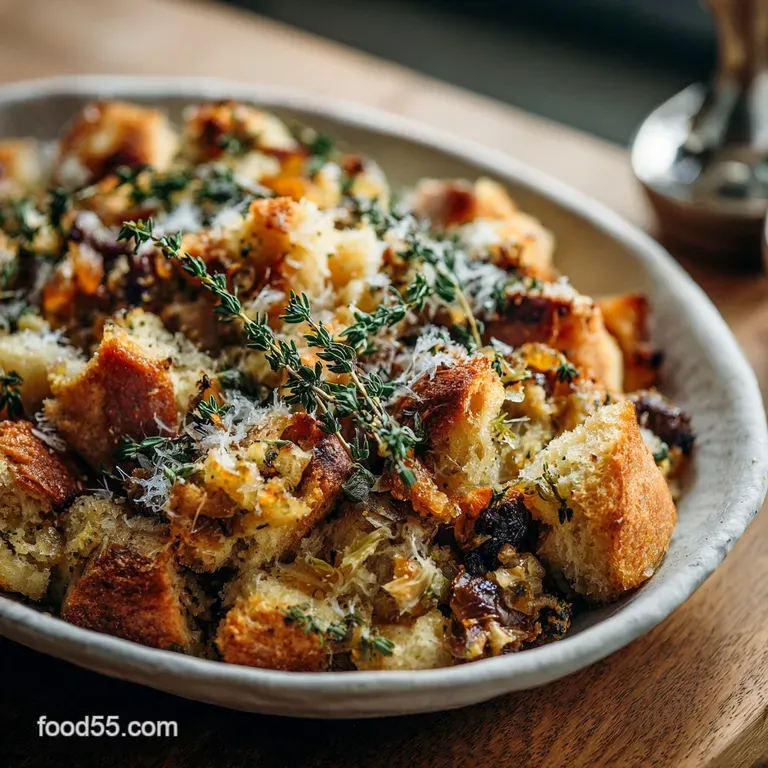
- Elevating the Thanksgiving Side Dishes Lineup: Umami Sourdough Dressing
- The Science of Showstopping Sides: Crispy Edges and Deep Savory Flavor
- Essential Ingredients for the Ultimate Umami Dressing: Shopping List and Substitutions
- Mastering the Umami Sourdough Dressing: Step-by-Step Guide
- Troubleshooting and Expert Tips for Perfect Thanksgiving Dressing
- Making Ahead: Storage and Reheating Instructions
- Complete Your Thanksgiving Side Dishes Table: Flavor Pairings
- Recipe FAQs
- 📝 Recipe Card
Elevating the Thanksgiving Side Dishes Lineup: Umami Sourdough Dressing
Can you imagine that smell? It’s nutty, woodsy, and totally savory, instantly taking you back to the best holiday meals. The textural contrast here is everything: we’re chasing the crunch of a golden, buttery crust yielding to a steamy, soft, flavor packed interior.
That perfect bite is the true, glorious joy of the holiday table.
Thanksgiving prep is genuinely insane, let’s be honest. This specific Thanksgiving Side Dishes recipe is your secret weapon because it gets 90% of its deep, rich flavor from simple, patient cooking not complicated techniques.
It uses affordable ingredients (like day-old bread) and focuses on building massive savory depth, meaning it tastes dramatically expensive for very little effort.
Forget the sad, soggy stuffing that came straight out of a box you deserve better than that. We are upgrading the classic dressing concept, focusing entirely on deep, earthy umami flavor using caramelized onions and robust, dried sourdough bread.
Let’s crack on and make the absolute best Thanksgiving Side Dishes you’ve ever tasted.
The Science of Showstopping Sides: Crispy Edges and Deep Savory Flavor
Why Traditional Stuffing Fails (And How We Fix It)
The main issue with traditional stuffing is density and dryness. If you use fresh, soft bread, it immediately turns into a gluey sponge when you add the liquid. That’s why we use stale, dried sourdough.
This pre-drying step prevents the cubes from collapsing, ensuring they soak up the broth and butter while still holding their shape.
The Magic of Umami in Holiday Cuisine
Umami is that fifth taste, often described as savoriness or depth, and it’s critical for holiday flavor. We build it here in two ways. First, through the slow caramelization of onions, which transforms their sharpness into a deep, sweet, concentrated flavor.
Second, through the earthy, meaty notes of wild mushrooms.
What Makes Sourdough the Perfect Base?
Sourdough has a higher gluten content and a more robust crumb structure than standard white bread. Because it’s tangy, it provides a slight acid counterpoint to the richness of the butter and stock. When dried, those sturdy cubes become flavor vessels that won’t turn to sludge.
The Drying Process: Key to Non-Soggy Dressing
If you skip the drying step, I can guarantee you a wet, mushy bottom layer. Seriously, don’t skip this part. The bread needs to lose moisture so that when it hits the liquid mixture, it absorbs the seasoning beautifully without becoming waterlogged.
You’re looking for slightly crisp, not rock hard, toast.
The Synergistic Power of Wild Mushrooms and Sage
Sage and thyme are the iconic holiday herb pairing, bringing warmth and earthiness. But pairing them with sautéed wild mushrooms? That is next level flavor synergy. Mushrooms provide that essential, meaty texture and amplify the deep savory notes we are building.
Building the Umami Foundation (Broth Depth and Seasoning)
We start by browning the vegetables in butter, which coats them perfectly. Then, we use warm stock combined with beaten eggs as our binder. The warming step is crucial because it ensures instant, even absorption across all the bread cubes.
Essential Ingredients for the Ultimate Umami Dressing: Shopping List and Substitutions
This ingredient list looks straightforward, but remember: the quality of your stock and the freshness of your herbs truly matter here.
| Ingredient | Role | Viable Substitute |
|---|---|---|
| Sourdough Bread | Structure, Tang | Crusty baguette, robust artisanal gluten-free bread. |
| Unsalted Butter | Fat, Richness | high-quality olive oil or vegan butter sticks. |
| Yellow Onions | Umami Base | Shallots (use more, caramelize less intensely). |
| Wild Mushrooms | Earthiness, Texture | All cremini or standard button mushrooms, plus 1 Tbsp dried porcini powder for depth. |
| Fresh Sage/Thyme | Aromatic, Festive | 1 tsp dried sage + 1/2 tsp dried thyme (use half the fresh amount). |
| Chicken/Turkey Stock | Moisture, Binder | Quality vegetable broth (ensure it's low sodium). |
| Eggs | Binder, Lift | Two flax eggs (as detailed in the pre-recipe notes). |
| Dry Sherry/Wine | Deglazing, Complexity | Balsamic vinegar (just a splash!) or skip it entirely. |
Choosing Your Wild Mushrooms (A Guide to Flavor Profiles)
I prefer a blend of cremini and shiitake because shiitakes offer that chewy texture and intense depth. If your local store has oyster or maitake mushrooms, grab them! They are softer but offer an incredible woodsy perfume.
Don't rinse the mushrooms , just wipe them clean, because rinsing makes them soggy when you cook them.
Sourdough Selection: Crumb Structure Matters
Look for a loaf with a tough, thick crust and a dense interior crumb. Floppy, airy sourdough will not hold up. Day-old bread is mandatory; if you buy it fresh, slice it and let it sit uncovered overnight, or use the quick oven trick.
Dairy & Broth: Achieving the Perfect Moisture Ratio
We use a decent amount of butter, split between toasting the bread and sautéing the aromatics. This fat carries all those marvelous mushroom and onion flavors. Remember, the stock should be added slowly, stopping the moment the bread cubes look evenly hydrated, not drowning.
Flavor Boosters: Aromatics, Herbs, and Seasoning Notes
Garlic and celery are non-negotiable. They provide the aromatic backbone. I used to rely entirely on dried herbs when I was starting out, but trust me, fresh sage and thyme make all the difference here. The aroma alone is worth the extra trip to the produce aisle.
Mastering the Umami Sourdough Dressing: step-by-step Guide
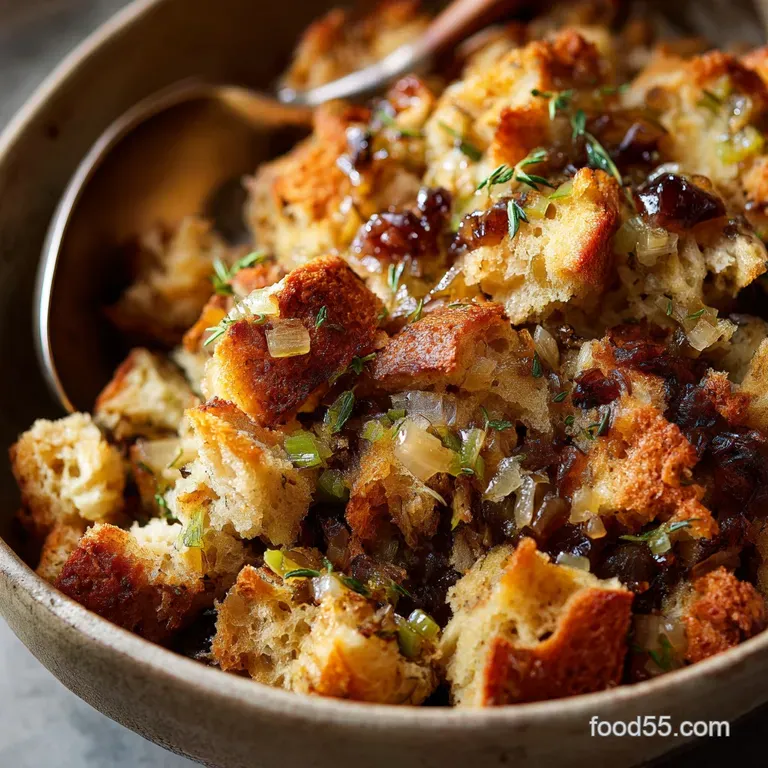
Prep Stage: Toasting the Sourdough Cubes for Structure
- Dry the Bread: Preheat your oven to 300°F (150°C). Cut your day-old sourdough into rough 1 inch cubes (don't fret about perfection). Spread them out on a baking sheet. Toss with the first 4 Tbsp of melted butter and a pinch of salt.
- Toast: Bake for about 15 minutes, or until the cubes are dried out and slightly crunchy but not fully brown. Set them aside in your largest mixing bowl.
Chef’s Note: I once rushed this stage and ended up with a mushy mess at the center of the table. Trust me, the difference between dried and toasted bread is structural integrity.
Sautéing the Aromatics and Umami Boosters
- Caramelize the Onions: Melt 4 Tbsp of the remaining butter in a large, heavy skillet over medium low heat. Add the sliced onions and a pinch of salt. Cook, stirring occasionally, for 25– 30 minutes until they are a deep golden brown and sticky. Patience is a virtue here! Transfer the caramelized onions to the bowl with the bread.
- Sauté the Veggies: Add the final 4 Tbsp of butter to the same skillet and raise the heat to medium. Add the diced celery and cook for 5 minutes until tender crisp.
- Mushrooms and Herbs: Toss in the sliced wild mushrooms. Cook, stirring frequently, until the mushrooms have released all their moisture and started to brown (about 8– 10 minutes). Add the minced garlic, fresh sage, and thyme; cook for just 1 minute until fragrant.
- Deglaze (Optional): Pour in the sherry or wine, scraping up any delicious browned bits stuck to the bottom of the pan. Cook until the liquid has almost entirely evaporated. Transfer the mushroom mixture to the bowl with the bread and onions.
The Assembly: Mixing and Hydrating the Base
- Mix Liquids: In a separate medium bowl, gently whisk together the two large, lightly beaten eggs and the two cups of warmed stock.
- Moisten: Pour the liquid mixture slowly over the bread and vegetable mixture. Add the chopped fresh parsley now, too. Use a spatula to gently fold the mixture until everything looks evenly coated and moist. Do not overmix.
- Rest: Let the dressing rest in the bowl for 10 minutes. This gives the bread time to fully absorb the liquid without collapsing. Transfer the mixture gently to your buttered 9x13 inch baking dish.
Baking for Texture: Achieving the Golden Crust
- Bake (Covered): Preheat your oven to 375°F (190°C). Cover the baking dish tightly with foil. Bake for 20 minutes. Covering it ensures the inside cooks evenly and doesn't dry out.
- Bake (Uncovered): Remove the foil and continue baking for another 10– 15 minutes. You are looking for a beautiful, golden brown crust and an internal temperature of 165°F (74°C).
- Rest: Let it rest for 10 minutes before serving. This allows the dressing to set slightly, making it much easier to scoop out.
Troubleshooting and Expert Tips for Perfect Thanksgiving Dressing
Preventing Mushiness: The Moisture Test
People fail when they treat the stock amount as absolute gospel. You might need slightly less or slightly more, depending on how dry your bread was initially. The rule: the mixture should look moist, but if you squeeze a handful, liquid shouldn't run out.
If it’s too wet, toss in a handful of more toasted bread cubes.
Crust Control: Why Covering Matters
If you skip the initial covered bake, the top will brown and dry out quickly, leaving the center cold and undercooked. Always start covered. Removing the foil at the end creates that perfect, desirable contrast between crispy edge and soft middle.
Altitude Adjustments for Baking Sides
Baking sides high in altitude can be tricky because liquid evaporates faster. If you live above 5,000 feet, you might need to increase your stock by about 1/4 cup. Keep the baking temperature the same, but monitor closely, as the dressing might dry out a little quicker in the uncovered phase.
Making Ahead: Storage and Reheating Instructions
The beauty of this recipe is how much you can do ahead of time, which is essential when planning other complicated Thanksgiving Side Dishes .
Refrigerating Unbaked vs. Baked Dressing
You can assemble the entire dressing (up to Step 9) one full day ahead. Transfer it to the baking dish, cover tightly with plastic wrap, and refrigerate. If baking straight from the fridge , add 10– 15 minutes to the initial covered baking time to account for the chill.
Alternatively, let it sit on the counter for an hour while your oven preheats.
Freezing the Dressing Safely
Yes, you can absolutely freeze this! Bake the dressing completely, cool it, then wrap it tightly in foil and place it inside a freezer bag. It holds beautifully for up to three months. Thaw it overnight in the fridge when you are ready to use it.
Bringing the Dressing Back to Life (Reheating Methods)
The best way to reheat is low and slow. Place the thawed dressing back in the 325°F (160°C) oven, tightly covered with foil, for 20 minutes until heated through. If you want that crunch back, remove the foil for the last 5 minutes.
If you are serving a big crowd, this makes for perfect Simple Thanksgiving Sides Dishes .
Complete Your Thanksgiving Side Dishes Table: Flavor Pairings
This dressing is robust and savory, so it pairs best with bright, clean, or tangy counterpoints.
- The Creamy Counterpart: You need something velvety soft to balance the crunch. Pair this dressing with something like my rich Thanksgiving Side Dishes: Ultimate Creamy Potato Gratin with Gruyère .
- The Green Crunch: Since this dressing is rich, make sure you have a bright green vegetable dish to cut through the butter. I highly recommend serving it alongside my zesty Thanksgiving Side Dishes: Crispy Maple Glazed Sprouts with Pancetta .
- The Sweet Balance: If you are trying to assemble a truly spectacular lineup of Different Thanksgiving Side Dishes , consider serving a sweet and creamy contrast, like my grandmother's classic Paula Deens Corn Casserole Recipe Creamy Jiffy Mix Side Dish . That combination hits all the right notes!
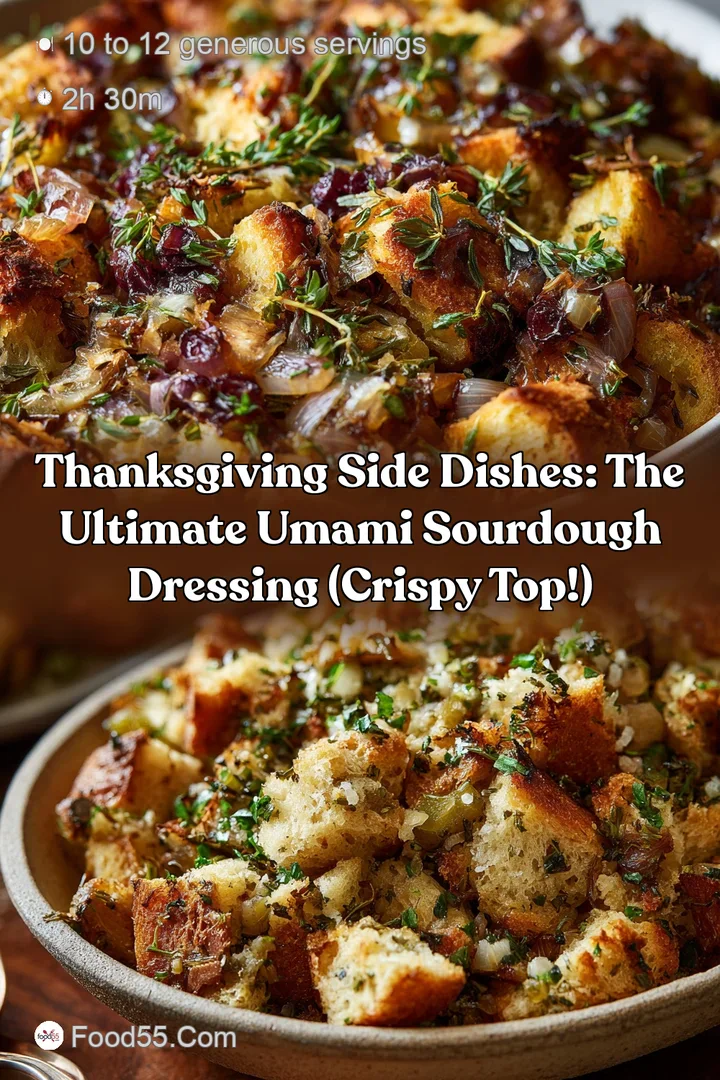
Recipe FAQs
Why is my dressing coming out too soggy or gluey?
Sogginess is usually caused by insufficient drying of the sourdough bread before assembly, or adding too much broth. Ensure your bread cubes are completely dried out ideally stale or baked low and slow before mixing them with the wet ingredients.
If it looks too wet before baking, allow it to sit for 15 minutes so the bread can absorb the liquid, then assess if any excess liquid needs draining.
Can I prepare the Umami Sourdough Dressing ahead of time?
Yes, advance preparation is highly recommended for Thanksgiving efficiency. You can sauté the mushrooms and aromatic vegetables, dry the bread, and mix all the dry ingredients up to two days prior.
Combine the wet (broth) and dry ingredients only a few hours before baking to prevent the bread from breaking down and becoming overly mushy.
How do I ensure I get that desired crispy top crust?
The secret is moisture management during the bake. Cover the dressing dish with foil for the first 30-40 minutes to cook it through without drying out. For the last 20 minutes, remove the foil and increase the temperature slightly to allow the exposed sourdough cubes to crisp up and form a golden crust.
I can't find wild mushrooms. What is the best substitution?
If wild mushrooms (like Chanterelles or Porcini) are unavailable, a mix of Cremini (Baby Bella) and Shiitake mushrooms works very well. To compensate for the lost depth of flavour, consider adding a teaspoon of dried mushroom powder or a splash of quality soy sauce (tamari) to the sauté mixture for a powerful umami boost.
Can I make this recipe completely vegan or dairy-free?
Absolutely; the substitutions are straightforward and maintain the core flavour profile. Swap the butter for a high-quality vegan butter substitute or use olive oil for sautéing the vegetables. Ensure you use a rich, savory vegetable broth instead of chicken broth for the liquid component.
Is this dressing suitable for freezing?
While you can freeze cooked dressing, the texture of the bread cubes may become slightly grainy or crumbly upon thawing. If you must freeze, ensure it is completely cooled, wrapped tightly in foil, and stored in an airtight container for up to one month. Thaw overnight and reheat covered in the oven until piping hot.
What is the recommended internal temperature for a safe, finished dressing?
For safety and texture, the dressing should reach an internal temperature of 165°F (74°C), especially if it was mixed with raw eggs or poultry broth. Use an instant read thermometer inserted into the center of the dish to check for doneness.
If the internal temperature is right but the top is not brown enough, give it a few more minutes uncovered.
Umami Sourdough Thanksgiving Dressing
Ingredients:
Instructions:
Nutrition Facts:
| Calories | 340 kcal |
|---|---|
| Fat | 18 g |
| Fiber | 3 g |
