Authentic Cornish Miners Pasties: Golden and Flaky

- Time: 30 min active + 30 min chilling + 50 min baking = Total 1 hours 50 mins
- Flavor/Texture Hook: Flaky, golden brown crust with a steaming, savory beef and root veg center
- Perfect for: Hearty weekend lunches, meal prep, or a rainy day comfort meal
- Making the Real Cornish Pasty
- Why You'll Love This
- The Component List
- Ingredients
- Essential Kitchen Gear
- From Prep to Plate
- Fixing Common Issues
- Troubleshooting Common Issues
- Creative Flavor Twists
- Freshness and Storage
- The Best Pairings
- Plating Your Creation
- Truths and Myths
- Recipe FAQs
- 📝 Recipe Card
The smell of butter and toasted flour hitting the oven air is something you just can't beat. I remember the first time I tried a real one in a tiny shop near the coast. The pastry was so crisp it almost sounded like glass breaking, and the inside was this rich, steaming mix of beef and root vegetables that tasted like a hug from a grandmother you've never met.
These weren't just meals; they were tools for survival. The miners of Cornwall needed something they could carry into the dark, damp shafts, and the thick, crimped edge served as a sturdy handle. They could hold the pastry by the crust, eat the filling, and then toss the dirty handle aside.
It's a piece of history you can actually taste.
When you make a Cornish Pasty, you're not just baking a pie. You're creating a self contained oven where the ingredients cook in their own juices. It's simple, honest food that relies on local ingredients and a bit of patience with the dough. Let's get into it.
Making the Real Cornish Pasty
To get this right, you have to trust the process of raw assembly. Most people are tempted to sauté the beef first, but that's a mistake. If you pre cook the meat, you lose the liquid that creates that signature gravy inside the crust.
By putting everything in raw, the beef releases its juices, the potatoes soften, and the rutabaga adds a slight peppery sweetness, all while being sealed in a golden vault of pastry.
The beauty of the Cornish Pasty is in the contrast. You have the shatter of the cold butter crust and then the velvety warmth of the beef. It's a dish that celebrates seasonal produce, especially those hardy winter root vegetables that hold up so well during a long bake.
But let's be real, the first time you try to "crimp" the edge, it might look more like a lumpy potato than a braided seam. Don't sweat it. The crimp is about the seal, not a beauty pageant. As long as it's tight, the juices stay in, and that's all that matters.
Why You'll Love This
Right then, let's look at what's actually happening inside the oven. It's not just magic; it's a bit of clever kitchen physics.
- Steam Cooking: Because the filling is raw, the moisture from the onions and beef turns into steam. This cooks the meat gently and prevents it from becoming tough or dry.
- Fat Pockets: Using cold, cubed butter creates tiny layers of fat. When the heat hits, the water in the butter evaporates, pushing the dough apart and creating those flaky layers.
- The Seal: The thick crimped edge acts as a structural wall. It prevents the heavy filling from leaking and ensures the steam stays trapped to cook the center.
- Root Veg Buffer: The diced potatoes and rutabaga absorb the beef fat, meaning you don't end up with a puddle of grease at the bottom.
If you're wondering how the heat distributes, it's similar to how a slow cooker works, but faster. You can read more about the [thermal properties of baking](https://www.seriouseats.com) to see how crusts protect internal moisture.
| Method | Time | Texture | Best For |
|---|---|---|---|
| Oven Bake | 50 mins | Shattering crust, juicy center | Traditional batches |
| Stovetop (Pan fry) | 20 mins | Soft, browned bottom | Small appetizers |
| Air Fryer | 25 mins | Extra crisp, drier crust | Single servings |
The Component List
Before we dive in, let's look at the role each ingredient plays. This isn't just a list; it's a blueprint for flavor.
| Ingredient | Science Role | Pro Secret |
|---|---|---|
| All Purpose Flour | Structure | Keep it chilled to prevent gluten toughness |
| Cold Butter | Flakiness | Cube it small so it distributes evenly |
| Beef Skirt Steak | Flavor/Juice | Dice into 1/4 inch cubes for even cooking |
| Rutabaga | Sweetness | Peel deeply to remove the bitter outer skin |
Ingredients
For the dough, you'll need: - 3 cups (375g) all purpose flour Why this? Balanced protein for a sturdy but flaky crust - 1 cup (225g) cold unsalted butter, cubed Why this? Essential for those shattering layers - 1 tsp (6g) salt Why
This? Tightens the gluten and adds basic flavor - ½ cup (120ml) ice cold water Why this? Keeps butter from melting before it hits the oven
For the filling: - 1.5 lbs (680g) beef skirt steak or chuck, finely diced into ¼ inch cubes Why this? High fat content keeps the filling velvety - 1 lb (450g) russet potatoes, peeled and finely diced Why this? Starchy enough to thicken the internal
Juices - 8 oz (225g) swede or rutabaga, peeled and finely diced Why this? Adds a traditional, earthy sweetness - 1 large (150g) yellow onion, finely diced Why this? Melts down into a savory base - 1 tsp (6g) coarse salt - 1 tsp (3g) freshly cracked
Black pepper - 1 tbsp (15ml) vegetable oil
For the glaze: - 1 large egg, beaten - 1 tbsp (15ml) water
If you can't find rutabaga, you can use a turnip, though it's a bit more watery. If you're looking for something different, my [Chicken leek and ham pasties](https://food55.com/recipes/proper chicken-leek and-ham-pasties/) are a fantastic, lighter alternative for a spring lunch.
| Original Ingredient | Substitute | Why It Works |
|---|---|---|
| Skirt Steak | Chuck Roast | Similar fat content. Note: Might need 5 mins extra bake time |
| Rutabaga | Turnip | Similar texture. Note: Less sweet, slightly more watery |
| All Purpose Flour | Pastry Flour | Lower protein. Note: More tender but less structural integrity |
Essential Kitchen Gear
You don't need a professional lab, but a few things make this much easier. I use a large mixing bowl for the dough and a separate one for the filling. A rolling pin is a must, and parchment paper will save you from a scrubbing nightmare.
If you have a bench scraper, use it to clean your workspace. It keeps the flour from clumping and makes the rolling process smoother. Also, a sharp chef's knife is critical here - those 1/4 inch beef cubes need to be consistent so they all cook at the same rate.
From Prep to Plate
Let's get your hands dirty. Trust me on the cold butter - if it starts to soften, pop the whole bowl in the fridge for 10 minutes.
- Combine flour and salt in a bowl. Rub the cold butter into the flour using your fingertips until it resembles coarse crumbs. Note: Don't overwork it or the butter will melt
- Gradually add ice water, stirring until the dough just comes together. Shape into a disk, wrap in plastic, and chill for 30 minutes.
- In a large bowl, toss the diced beef, potatoes, rutabaga, and onion. Season with salt and pepper and mix by hand to coat the meat.
- Roll the chilled dough into 8 inch circles. Place a generous mound of filling on one half of the circle. Note: Don't overfill or the seal will burst
- Fold the dough over the meat to create a semi circle. Press the edges firmly and pleat the edge to create a tight, braided seal along the side.
- Place pasties on a parchment lined sheet. Cut a small 1 inch vent hole in the top of each.
- Brush the surface with the beaten egg and water mixture.
- Bake at 400°F (200°C) for 45–50 minutes until the crust is deep golden brown and filling is bubbling.
Chef's Tip: For an even more golden finish, add a pinch of turmeric or a teaspoon of honey to your egg wash. Also, try freezing your butter for 15 minutes before cubing it - it ensures those fat pockets stay intact.
Fixing Common Issues
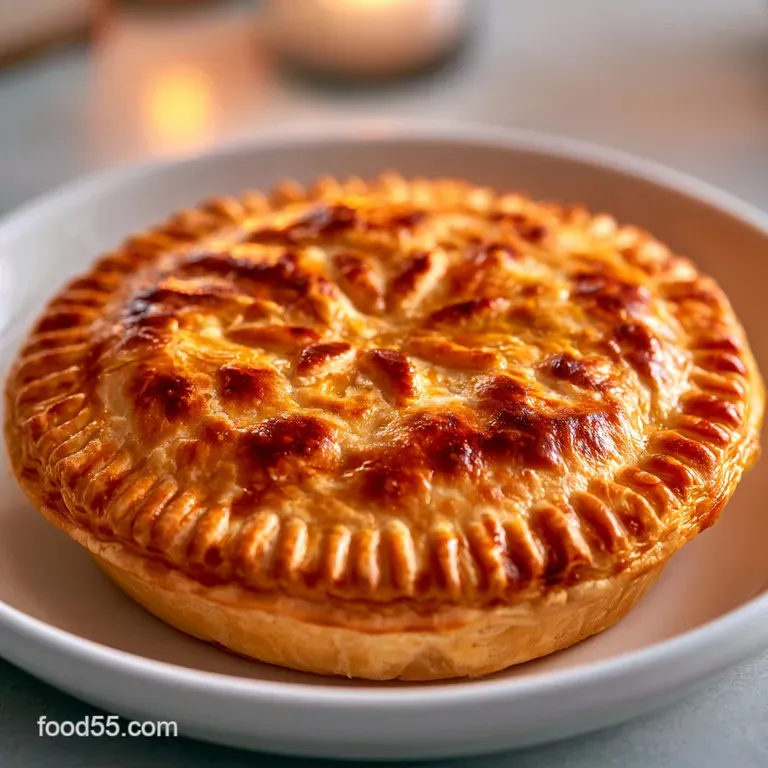
The Cornish Pasty is a forgiving dish, but a few things can go sideways if you're not careful.
Troubleshooting Common Issues
| Issue | Solution |
|---|---|
| Why Your Bottom Crust Is Soggy | This usually happens when the filling is too wet or the oven temperature is too low. If the beef releases too much liquid and it can't evaporate through the vent, it pools at the bottom. |
| Why Did My Pastry Shrink | Overworking the dough develops too much gluten. When that gluten hits the heat, it contracts, pulling the edges of your Cornish Pasty inward. |
| Why the Filling Is Underdone | If your beef cubes are too large, the pastry will brown before the meat reaches a safe temperature. Keep those dice small and consistent. |
Mistakes to avoid:
- ✓ Don't use warm water in the dough.
- ✓ Don't pre cook the meat.
- ✓ Don't skip the 30 minute dough chill.
- ✓ Don't forget the vent holes in the top.
Creative Flavor Twists
While the traditional version is a masterpiece, you can definitely play with the filling. I love adding a pinch of nutmeg or a dash of Worcestershire sauce to the beef for a deeper, more savory note.
If you want something more modern, try adding some sharp cheddar cheese to the mix. Just be warned: the cheese adds more moisture, so you might need to bake them for an extra 5 minutes.
For those who prefer a quicker vibe, you can check out my Air Fryer Empanadas if you're in a rush and want that same handheld satisfaction without the long bake.
Freshness and Storage
Since a Cornish Pasty is so hearty, it actually keeps quite well. In the fridge, they'll stay fresh for about 3 to 4 days. Just make sure they're completely cool before you wrap them in foil or put them in a container, otherwise, the steam will make the crust soft.
For the freezer, these are absolute gold. Freeze them raw on a baking sheet first, then transfer them to a bag. You can bake them straight from frozen - just add about 10-15 minutes to the total cook time.
As for zero waste, don't throw away those rutabaga and potato peels. Toss them in a pot with some onion skins and a bay leaf to make a quick root vegetable stock for a soup.
The Best Pairings
Because the Cornish Pasty is so rich and savory, you need something bright and acidic to cut through the fat. A crisp apple and cabbage slaw with a cider vinegar dressing is the classic choice.
If you're serving this as part of a bigger dinner party, I'd suggest a side of steamed seasonal greens or a light arugula salad with lemon vinaigrette. If you're looking for a centerpiece meat dish for the same meal, my Rotisserie Chicken with Garlic and Herbs is a great companion.
Plating Your Creation
How you present your Cornish Pasty depends on the vibe of the meal. Since this is such a rustic dish, you have a lot of options.
The Simple Approach This is for the "I'm starving" moments. Place the pasty on a piece of brown parchment paper or a wooden cutting board. Serve it with a side of thick cut tomato chutney and a cold glass of local cider. It's unpretentious and honest.
The Polished Look For a casual dinner with friends, place the pasty on a matte white ceramic plate. Offset it with a small mound of bright, lemony pea puree and a few sprigs of fresh parsley. This highlights the golden color of the crust against the vibrant green.
The Restaurant Style Go for a slate board. Place the pasty slightly off center and drizzle a rich red wine reduction around the base. Garnish with a few micro greens and a single pickled radish slice on the side for a pop of color and acidity.
| Plating Level | Base | Garnish | Side |
|---|---|---|---|
| Simple | Brown Paper | None | Tomato Chutney |
| Polished | White Plate | Parsley | Pea Puree |
| Restaurant | Slate Board | Micro greens | Red Wine Reduction |
Truths and Myths
Let's clear up a few things I've seen floating around the internet.
Myth: Searing the beef first makes it tastier. Actually, searing the beef removes the moisture that you need to steam the vegetables inside the pastry. The raw beef creates a natural gravy that you just can't get if you brown the meat in a pan first.
Myth: You must use a specific "pasty flour." There's no such thing as special pasty flour. Standard all purpose flour is exactly what you need. The secret is the temperature of the flour and butter, not the brand or the specific mill.
Myth: The crimp is only for decoration. As we mentioned, the crimp was historically a handle for miners. In modern cooking, it's still vital because it provides a structural seal that keeps the steam in, which is the only way the raw filling cooks through.
Recipe FAQs
Why did miners eat Cornish pasties?
They served as a portable, self contained meal. The thick crimped crust allowed miners to hold the pasty with dirty hands and discard the crust after eating the filling.
What is the traditional filling for a Cornish pasty?
Beef, potato, swede (rutabaga), and onion. These ingredients are diced and seasoned with salt and pepper before being sealed in the dough.
What exactly is a miner's pasty?
It is the same as a traditional Cornish pasty. The term refers to the historical use of the dish as a hearty lunch for tin and copper miners in Cornwall.
Is it true that any meat pastry can be called a Cornish pasty?
No, this is a common misconception. A true Cornish pasty must follow a specific recipe of beef, potato, rutabaga, and onion in a semi circle crust. If you appreciate these traditional flavors, you might also like our roasted Cornish hens.
Why is my pasty bottom soggy?
The filling is too wet or the oven temperature is too low. Ensure you bake at 400°F and include a 1 inch vent hole to allow steam to escape.
Why did my pastry shrink?
The dough was likely overworked. Overworking develops excess gluten, which contracts when heated and pulls the edges of the pastry inward.
How to prevent the filling from being underdone?
Dice the beef into small ¼ inch cubes. This ensures the meat cooks through completely before the crust browns during the 45 50 minute bake.
Authentic Cornish Pasty Recipe