Wok Roll Better Than Takeout Cauliflower Fried Rice
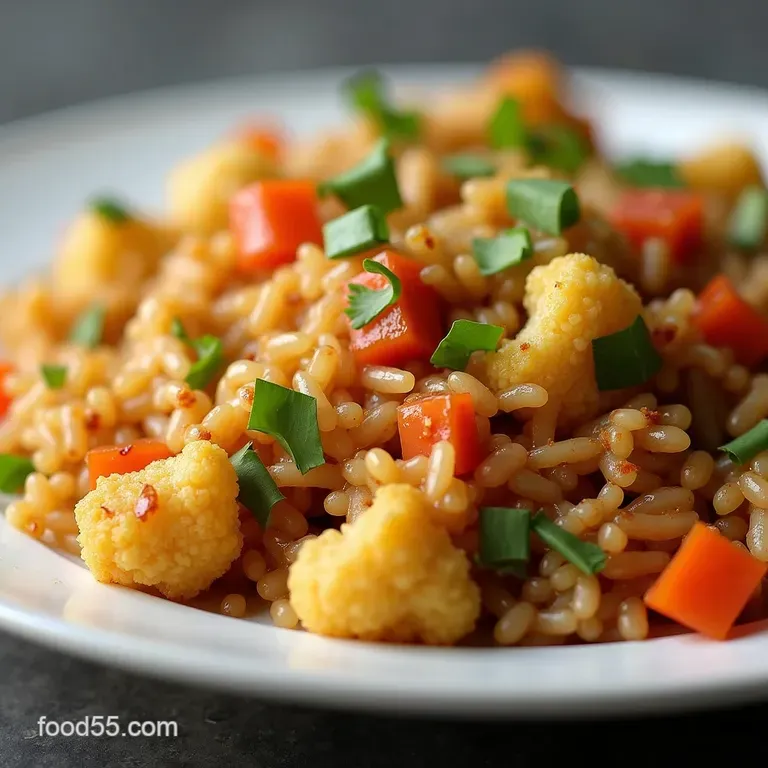
- Shattering Expectations: Why This Cauliflower Fried Rice Reigns Supreme
- The Secret to Achieving Authentic 'Wok Hei' Flavour at Home
- Assembling Your Arsenal: Essential Components for Perfect Cauliflower Fried Rice
- The Technique Unveiled: Step-by-Step Cooking Sequence
- Maximizing Your Meal: Storage, Leftovers, and Next-Day Potential
- Recipe FAQs
- 📝 Recipe Card
Shattering Expectations: Why This Cauliflower Fried Rice Reigns Supreme
Let's be frank: when we talk about comfort food classics, fried rice sits near the very top of the list. It’s fast, flavourful, and the perfect vehicle for using up leftovers. However, the traditional version, packed with white rice, often leaves us feeling heavy and slightly regretful the next morning.
Enter the superstar substitute: cauliflower. If you’ve been hesitant to try Cauliflower Fried Rice , perhaps due to memories of limp, watery imitations, prepare for a serious pivot.
This recipe is engineered from the ground up to deliver the satisfying chew, the deep savoury notes, and the unmistakable aroma of your favourite takeout spot, all while being significantly lighter on the scale.
The Secret to Achieving Authentic 'Wok Hei' Flavour at Home
The magic ingredient in truly exceptional fried rice isn't always found in a specific spice blend; it’s the elusive wok hei —the "breath of the wok." This smoky, slightly charred essence comes from cooking ingredients rapidly over extremely high heat, vaporizing oils and sauces against scorching metal.
Achieving this isn’t just about turning up the burner; it's about technique. We achieve that intense flavour profile in our Best Cauliflower Fried Rice by ensuring the pan is searing hot and crucially, by not overcrowding it, allowing the cauliflower to sauté and lightly caramelize rather than steam.
Why Ditching the Grain Never Tasted So Good
The shift from starchy rice to finely processed cauliflower florets is where the magic begins. Cauliflower, when prepared correctly, absorbs the surrounding oils and seasonings beautifully without becoming gummy.
On top of that,, by substituting grain for vegetable, we dramatically lighten the overall texture of the dish. This allows the other core flavour elements the ginger, garlic, and soy to truly shine through, unimpeded by starchy bulk.
Introducing Our Low-Carb, High Flavour Promise
This dish isn't just a compromise; it’s an upgrade for specific dietary goals. If you are seeking a Keto Cauliflower Fried Rice or simply a generally Low Carb Cauliflower Fried Rice option, this recipe delivers robust satisfaction.
We rely on high-quality fats (like avocado oil) and intense seasoning to maintain the indulgent mouthfeel that makes fried rice so addictive, proving that restriction doesn't necessitate flavour sacrifice.
For the Skeptics: Earning the Seal of Approval from Rice Purists
I know what you’re thinking: “It’s still not rice.” And you’d be right, technically it isn't. But the preparation outlined here pulsing the cauliflower to a grain like consistency and then drying it aggressively before cooking mimics the textural experience remarkably well.
When paired with proteins like our suggested Cauliflower Fried Rice with Chicken or Cauliflower Fried Rice with Shrimp , the resulting dish is so texturally interesting and flavourful, even dedicated rice eaters often ask for seconds, completely forgetting the substitution.
Related Recipes Worth Trying
- Easy Cauliflower Fritters Recipe with Zesty Herb Dip — Tired of soggy vegetables These easy Cauliflower Fritters are panfried until golden and packed with Parmesan Perfect for a quick lunch or side dish
- Foolproof Asian Edamame Fried Rice Recipe Ready in 30 Mins — Forget the soggy takeaway This easy Edamame Fried Rice recipe uses cold rice for a perfect texture delivering vibrant flavour quicker than delivery
- Sunshine in a Skillet Mums Proper Spanish Chicken and Rice — Forget watery dinners This authentic Arroz con Pollo recipe delivers falloffthebone chicken and flavourful rice in one comforting skillet Your new favourite...
Assembling Your Arsenal: Essential Components for Perfect Cauliflower Fried Rice
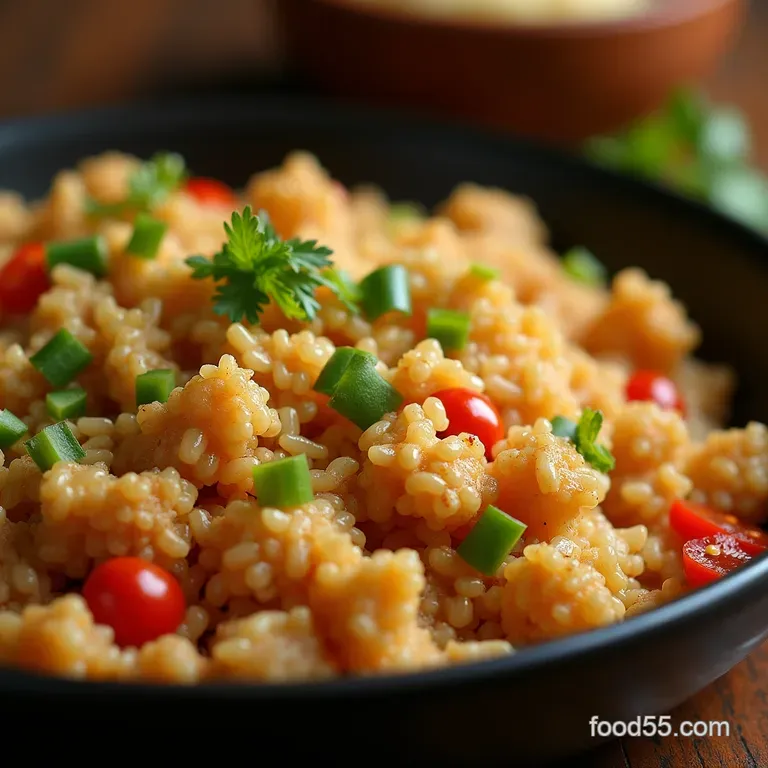
Crafting a successful Cauliflower Fried Rice Recipe is akin to staging a well rehearsed play; every component must be prepped and ready for its rapid entrance. Our recipe calls for precision in preparation, setting us up for a swift 15-minute cooking period.
We start with one medium head of cauliflower, pulsed until it resembles coarse grains. Immediately after processing, a critical, non-negotiable step is to spread this "rice" onto a clean kitchen towel and pat it aggressively dry.
Any residual moisture here is the enemy of wok hei and the guaranteed path to a soggy bowl.
The Savoury Lineup: Beyond Just Vegetables
While the cauliflower forms the bulk, flavour comes from supporting actors. We need the pungent punch of three minced cloves of garlic and one teaspoon of freshly minced ginger these aromatics bloom beautifully in hot oil, providing the foundational warmth.
For texture and colour, we incorporate one small, finely diced carrot (diced small so it cooks quickly alongside the rice) and half a cup of frozen peas, which require no pre-thawing. The final structural elements are two large eggs, lightly whisked, ready to become fluffy ribbons.
Crucial Tools: Do You Need A Wok For This Recipe?
While the ideal vessel for achieving that sought after Wok Hei Cauliflower Rice is a carbon steel wok due to its ability to concentrate intense, even heat, a very large, heavy bottomed skillet or cast iron pan will perform admirably. The key requirement is size.
You need ample surface area to spread the ingredients thinly so they fry, not steam. If your pan is too small, you must cook this dish in two batches.
Substitution Matrix: Adapting Ingredients for Dietary Needs
Flexibility is key in modern cooking. If you are aiming for a vegan iteration, the two eggs can be entirely omitted, or substituted with half a block of well pressed, crumbled firm tofu sautéed until it achieves a golden crust.
For protein additions like shrimp or chicken, ensure any raw meat is cooked separately or pre-cooked (like rotisserie chicken) and added only in the final minutes to avoid overcooking.
A Note on Soy Sauce Alternatives for gluten-free Success
For our gluten-free friends, substituting traditional soy sauce is straightforward. Tamari, which is often naturally brewed without wheat, works perfectly. If you require a full soy-free option, coconut aminos are an excellent swap, though be aware they introduce a touch more sweetness, which can be balanced with a tiny extra splash of rice vinegar at the end.
The Technique Unveiled: step-by-step Cooking Sequence
Once your cauliflower is dry and your vegetables are chopped, the cooking process moves at breakneck speed, taking just about 12 to 15 minutes from start to finish. The sequencing of adding ingredients is designed to maximize moisture loss and build flavour layers sequentially.
Step 1: High Heat Sauté for Maximum Moisture Evaporation
Begin by heating your wok or skillet over medium high heat. Add just one teaspoon of neutral oil. Pour in the whisked eggs and allow them to set up quickly into a fluffy scramble. Once just cooked through, immediately remove the eggs from the pan and set them aside in a clean bowl.
This prevents them from overcooking while the vegetables do their work. Return the pan to the heat and add the remaining oil. Once shimmering, toss in the diced carrots, cooking for about two minutes until they just begin to soften.
Now introduce the minced garlic and ginger, stirring constantly for about 30 seconds until their fragrance hits you be vigilant that they don’t scorch.
The Egg Scramble: Setting the Protein Foundation
Next, it's time for the main event: the cauliflower. Increase the heat to medium high. Add the dried cauliflower rice to the hot pan, ensuring you spread it out. Allow it to sit in contact with the hot surface for a full two minutes without stirring much; this searing action is vital for evaporating moisture and developing subtle caramelization.
Continue stirring and tossing for another three to four minutes until the cauliflower is slightly tender crisp. Add the frozen peas and half of your sliced scallions to the mix.
The Final Toss: Integrating Sauces Without Getting Soggy
Now we introduce the seasoning. Pour the three tablespoons of low-sodium soy sauce, the full tablespoon of toasted sesame oil, and the teaspoon of rice vinegar directly over the entire mixture. Toss everything vigorously and constantly for precisely one minute.
The high heat will quickly cook off the sauce, coating every "grain" without leaving standing liquid. Return the scrambled eggs to the pan, sprinkle with a quarter teaspoon of white pepper, and toss everything together one last time for about 30 seconds, ensuring even distribution.
Garnishing Tactics: The Last Touch for Ultimate Presentation
Immediately remove the Cauliflower Fried Rice from the heat source. Serving it straight from the pan ensures the highest possible temperature. Garnish generously with the reserved fresh scallion slices.
This final addition of fresh green onion provides a sharp, raw contrast to the savoury depth of the stir fry, elevating both the presentation and the final flavour profile.
Maximizing Your Meal: Storage, Leftovers, and Next Day Potential
One of the many joys of a great stir fry is its behaviour as leftovers. Unlike traditional fried rice, which can sometimes become overly dense when cold, this version maintains a better texture due to the lack of starchy grain. Store cooled leftovers in an airtight container in the refrigerator for up to three days.
When preparing a batch, consider making enough for two nights; this recipe is fantastic for quick workday lunches.
Pro Tips for Reheating Your Cauliflower Fried Rice Perfectly
To truly honour the effort put into achieving that initial crisp texture, reheat your leftovers carefully. Avoid the microwave if possible, as it tends to bring moisture back to the surface. Instead, spread the cooled rice thinly back into a hot, dry skillet over medium high heat.
Stir frequently for about 4– 5 minutes until the vegetable pieces begin to slightly crisp again. A tiny spritz of extra sesame oil before serving can revive the aroma instantly.
Creative Twists: Boosting Your Recipe with Unexpected Add-ins
To keep this Healthy Cauliflower Fried Rice exciting, don't be afraid to experiment with additions. For a richer, deeper flavour reminiscent of classic Chinese cooking, stir in a quarter cup of finely chopped shiitake mushrooms during the vegetable sauté stage.
For an optional spicy kick, consider adding a tablespoon of chili garlic sauce or Sriracha along with the soy sauce. If you are aiming for a heartier main course, diced ham or pre-cooked, cubed tofu integrates seamlessly.
Understanding the Carb Count Comparison to Traditional Fried Rice
The primary appeal for many is the significant reduction in carbohydrates. While precise figures depend heavily on the specific type and quantity of rice used in a traditional recipe, you can generally expect a serving of standard white rice fried rice to contain 40-50 grams of net carbohydrates.
Our Cauliflower Fried Rice Calories estimate keeps the net carbs well under 20 grams per serving, making it an excellent choice for those monitoring sugar intake or following low-glycemic diets.
Troubleshooting Common Cauliflower Fried Rice Pitfalls
If your final product seems watery, the cause is almost always one of two things: either the cauliflower wasn't dried sufficiently before cooking, or the pan wasn't hot enough during the frying stage.
If the seasoning feels flat, it’s usually a balance issue add a tiny splash more soy sauce for salinity or a drop more rice vinegar for brightness, but always do this near the very end of cooking to prevent excess liquid.
Enjoy the process; perfecting your Cauliflower Fried Rice technique is a satisfying culinary journey!
Recipe FAQs
How do I stop my Cauliflower Fried Rice from turning out soggy? That’s always my main downfall!
Ah, the dreaded soggy base! The key is twofold: firstly, ensure your cauliflower rice is incredibly dry after pulsing use a clean tea towel to blot out as much moisture as you can.
Secondly, cook it quickly over high heat in batches if necessary; you want it to sauté and colour slightly, not steam itself into submission.
Can I use frozen cauliflower rice instead of fresh for this recipe?
Yes, you absolutely can use frozen, but you must thaw it completely first. Lay the frozen rice out on a few layers of kitchen paper towels and press down firmly to wick away all the surface water before it even touches the pan. It might take a little longer to brown than fresh, so keep the heat high.
What’s the best way to add protein to this Cauliflower Fried Rice? I want it for a main meal.
For a proper main course, you have a few cracking options! You can easily swap out the two eggs for scrambled tofu, or stir in about a cup of pre-cooked diced chicken breast or shrimp during Step 5. If you add raw meat, make sure you cook it thoroughly in the pan before adding the cauliflower.
I don't have a wok; will a regular frying pan work just as well?
Don't you worry your head about not having a dedicated wok! A large, heavy bottomed skillet, especially cast iron, works a treat. The most important thing is getting the pan screaming hot before you add your ingredients so you achieve that lovely, slightly charred flavour we're after.
How long will leftovers of the Cauliflower Fried Rice keep in the fridge?
Like most stir fries, this is best eaten fresh, but leftovers will happily keep in an airtight container in the fridge for up to three days. When reheating, a quick blast in a dry, hot frying pan is miles better than the microwave, as it helps crisp up the texture again.
Can I make this Cauliflower Fried Rice recipe gluten-free or vegan?
It’s dead easy to adapt! For gluten-free, simply swap the regular soy sauce for Tamari or a certified GF soy sauce alternative. To make it vegan, omit the eggs and perhaps add a handful of edamame beans or some crumbled, seasoned firm tofu during the last few minutes of cooking.
Best Cauliflower Fried Rice
Ingredients:
Instructions:
Nutrition Facts:
| Calories | 2058 kcal |
|---|---|
| Protein | 14.0 g |
| Fat | 57.1 g |
| Carbs | 69.3 g |
| Fiber | 23.6 g |
| Sodium | 1610 mg |
