Black Pepper Beef with Mahogany Glaze
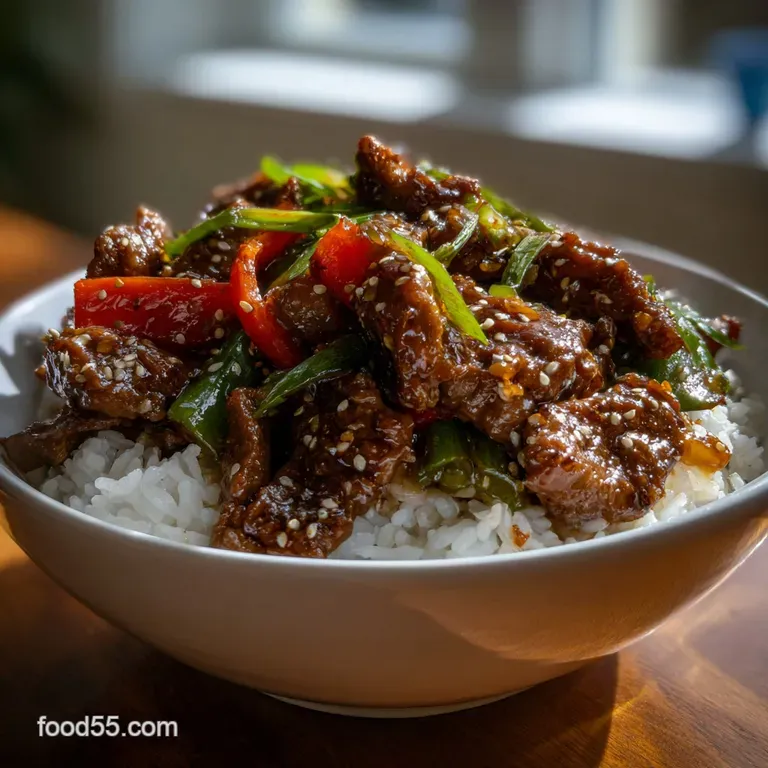
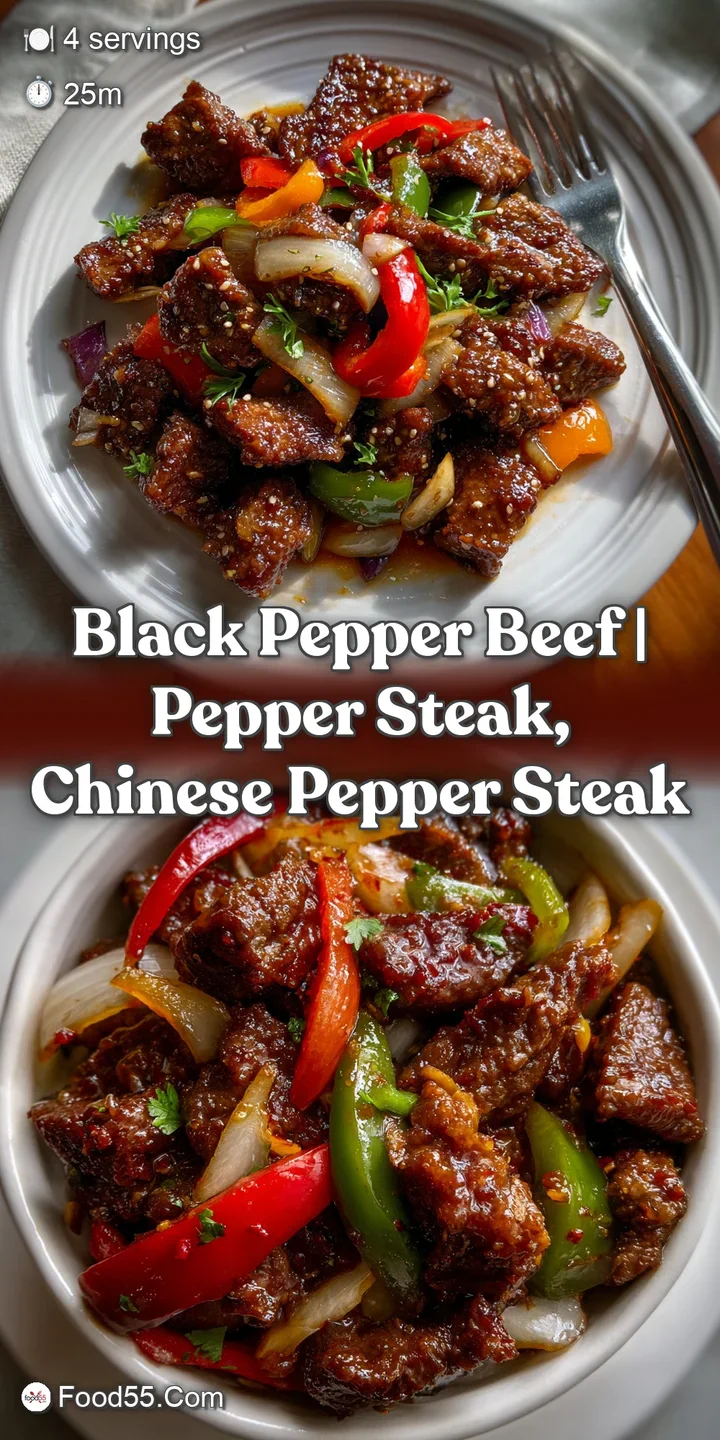
- Time: Active 15 minutes, Passive 10 minutes, Total 25 minutes
- Flavor/Texture: Silky beef, biting spice, and crunchy aromatics
- Perfect for: An impressive modern date night or high-impact dinner featuring Black Pepper Beef
- Engineering the Ultimate Black Pepper Beef
- The Scientific Blueprint for Success
- Performance Metrics and Comparison
- The Material Palette: Curating Components
- Essential Gear for Precision Thermal Execution
- The Choreography of Heat: A Guided Implementation
- Correcting Kinetic Failures and Visual Deviations
- Evolution of Form: Modern Adaptations
- The Art of the Plate: Three Levels of Presentation
- Conservation Protocols and Flavor Rejuvenation
- Orchestrating the Full Gastronomic Experience
- Proportional Adjustments for Batching
- Busting Stir-Fry Superstitions
- Direct Solutions for Technical Culinary Inquiries
- Recipe FAQs
- 📝 Recipe Card
Engineering the Ultimate Black Pepper Beef
The sound of 680 grams (1.5 lbs) of sliced beef tenderloin hitting a carbon steel surface is the starting gun for a complex chemical race. This isn't just a stir fry; it is a meticulous exercise in thermal management.
We are looking for that specific moment where the natural sugars in the Black Pepper Beef sauce undergo a Maillard reaction, transforming into a deep, obsidian colored glaze. Master this step, and you master the Black Pepper Beef.
As a culinary artist, I view the wok as a canvas. The vibrant green of the bell peppers must remain structural and crisp, providing a geometric contrast to the tender, irregularly shaped beef.
This dish captures the beauty of modern fusion, blending the punch of traditional aromatics with the refined textures demanded by contemporary palates. Learning how to make Black Pepper Beef elevates any weeknight meal.
We avoid the "homey" or "simple" labels here. We are aiming for a restaurant grade result where the heat is aggressive but controlled. By mastering the sequence of ingredient introduction, we ensure that the Black Pepper Beef retains its integrity from the first sizzle to the final plating, avoiding the moisture heavy pitfalls of amateur preparation.
The structure of this Black Pepper Beef recipe is crucial.
The Scientific Blueprint for Success
- Alkaline Modification: The 1 tsp of baking soda acts as a tenderizing agent by raising the pH level on the beef's surface. This process, known as velveting, interferes with protein bonding, preventing the fibers from tightening into a "chewy" texture during over high heat exposure.
- Starch Barrier Physics: Using 1 tbsp of cornstarch creates a thin, protective film. This shield traps internal moisture while providing a rough surface area for the sauce to emulsify and adhere to, ensuring every bite of your finished Black Pepper Beef is fully coated.
- Peperine Volatility: Whole peppercorns contain oils that are most potent when freshly cracked. Toasting them briefly before adding liquid activates these volatile compounds, shifting the flavor profile from a one-dimensional "burn" to a complex, woody heat, central to any great Black Pepper Beef.
- Thermal Momentum: Unlike traditional braising, this method relies on short, high energy bursts. This prevents the vegetables from reaching the stage of hemicellulose breakdown, which would otherwise result in a limp, unappealing texture.
Performance Metrics and Comparison
| Feature | Easy Stir Fry (Fast) | Black Pepper Beef (Classic) |
|---|---|---|
| Protein Prep | No marinade | 15 minute alkaline velveting |
| Pepper Prep | Pre-ground powder | Toasted and coarsely cracked |
| Sauce Texture | Thin/Watery | Emulsified glossy glaze |
| Heat Level | Flat/Static | Layered and aromatic |
The Material Palette: Curating Components
| Ingredient | Chemical/Physical Role (Science) | The Pro Secret (Why This Matters) |
|---|---|---|
| Beef Tenderloin | Low connective tissue content | Slices into velvety ribbons that cook in under 120 seconds |
| Baking Soda | pH level manipulation | Essential for that "melt-in-your mouth" restaurant texture |
| Oyster Sauce | Glutamate rich emulsifier | Provides the base umami and "body" for the clinging glaze |
| Black Peppercorns | Aromatic pungency (Peperine) | Fresh cracking ensures the oils haven't oxidized |
The Building Blocks
- 1.5 lbs Beef Tenderloin:Why this? Lean muscle with minimal collagen ensures immediate tenderness without long form braising.
- 1 tsp Baking Soda:Why this? Initiates the alkaline velveting process essential for protein structural softening.
- 2 tbsp Whole Black Peppercorns:Why this? Coarse textures provide intermittent bursts of heat rather than a muted, dusty spice, defining this Black Pepper Beef.
- 1 tbsp Dark Soy Sauce:Why this? Higher molasses content provides the deep, mahogany color required for visual impact.
- 1 tbsp Cornstarch:Why this? Acts as the primary thickening agent for liquid-to-glaze transformation.
Essential Gear for Precision Thermal Execution
To achieve the "breath of the wok" (wok hei), your equipment must be capable of intense heat retention. A Lodge Cast Iron Skillet or a carbon steel wok is non-negotiable.
Traditional non-stick pans often fail at these temperatures, as the coating can degrade, and they lack the thermal mass needed to sear 680g of meat without dropping the temperature.
For the aromatics, a Microplane Zester is the ideal tool for the ginger, turning it into a fine paste that distributes evenly through the sauce. To process the peppercorns, avoid a standard mill; instead, use a heavy Chef’s Knife or a mortar and pestle to achieve a "cracked" rather than "ground" texture.
This textural variation is the hallmark of a professional Black Pepper Beef.
The Choreography of Heat: A Guided Implementation
Preparation and Velveting
- Slice 1.5 lbs of beef into 1/8 inch ribbons against the grain. Note: Cutting against the grain shortens protein fibers for maximum tenderness.
- Combine beef with 1 tsp baking soda, 1 tbsp soy sauce, 1 tbsp Shaoxing wine, and 1 tbsp cornstarch. Note: This creates the alkaline environment necessary for velveting.
- Marinate at room temperature for 15 minutes. Note: Allows the pH shift to penetrate the outer layers of the meat.
Sauce Synthesis and Searing
- Whisk together 3 tbsp oyster sauce, 1 tbsp dark soy sauce, 1 tbsp Worcestershire sauce, 1 tbsp honey, 3 tbsp soy sauce, and 0.5 cup beef broth. Note: Dark soy provides the obsidian hue while honey balances the sharp pepper.
- Toast 2 tbsp whole peppercorns in a dry pan for 2 minutes until a nutty, pungent aroma fills the room.
- Crush toasted peppercorns coarsely using a heavy object. Note: Large fragments provide a superior sensory experience compared to fine powder.
- Heat 2 tbsp neutral oil in a wok over high flame until wisps of blue smoke appear on the surface.
- Sear the beef in batches for 90 seconds until the edges are charred and mahogany brown but the center remains slightly pink.
- Remove beef and set aside. Note: Prevents overcooking during the vegetable phase.
Final Assembly
- Sauté 1 onion and 1 green pepper in 2 tbsp oil for 3 minutes until edges are slightly singed but the structure remains firm and vibrant.
- Add 4 cloves minced garlic and 1 inch grated ginger, stirring for 30 seconds until the aroma becomes sharp and fragrant.
- Return beef to the pan and pour in the sauce mixture.
- Toss continuously for 2 minutes until the sauce reduces into a glossy, thick glaze that coats every piece of beef.
- Garnish with the cracked black pepper and serve immediately. This is the moment your Black Pepper Beef shines.
Correcting Kinetic Failures and Visual Deviations
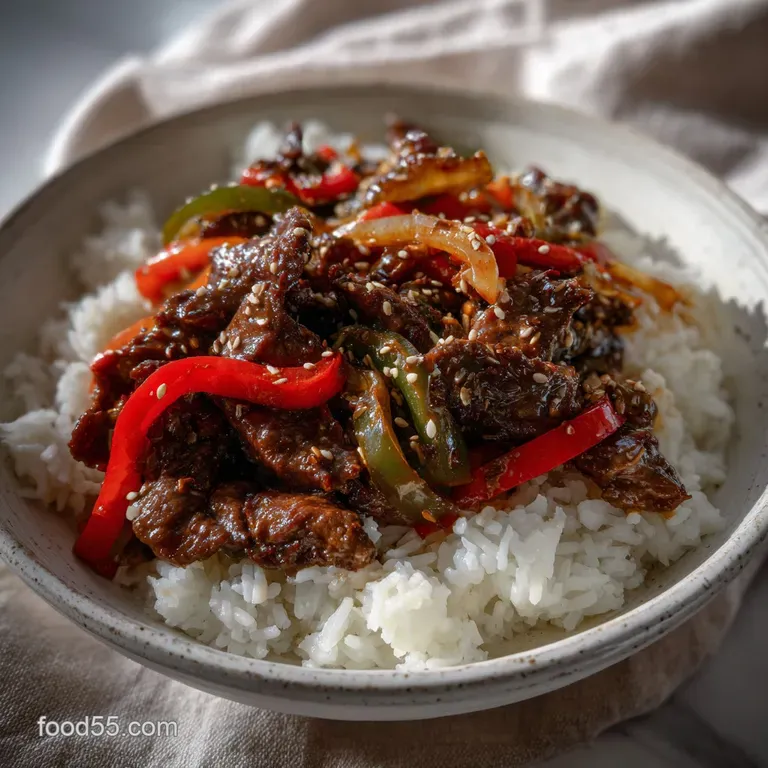
Creating a flawless Black Pepper Beef requires an eye for detail. If your sauce looks dull or your beef feels tough, the chemistry is likely off-balance. Achieving the perfect texture is the primary goal when cooking this dish.
Troubleshooting the Glaze and Texture
The most common failure in a Black Pepper Beef recipe is "sauce breakage," where the oil separates from the liquids. This usually happens when the heat is too low, preventing the cornstarch from reaching its full gelatinization potential.
Conversely, if the beef is "steaming" rather than searing, you have likely crowded the pan, dropping the temperature and forcing moisture out of the cells before the surface could seal.
| Problem | Root Cause | The Fix | Pro Protocol |
|---|---|---|---|
| Watery Sauce | Incomplete starch gelatinization | Increase heat and reduce for 30 more seconds | Slurry 1 tsp cornstarch with water if it won't thicken |
| Tough Beef | Fibers tightened (overcooked) | Reduce sear time by 30 seconds next time | Pull beef when it is 90% done; carryover heat finishes it |
| Bitter Flavor | Burnt garlic or old pepper | Add aromatics only at the very end | Use freshly cracked peppercorns; never use pre-ground black pepper |
Strategic Decisions
- If you want a silkier mouthfeel, increase the neutral oil by 1 tbsp during the final toss to stabilize the sauce on your Black Pepper Beef.
- If you want a sharper heat, add the cracked peppercorns in two stages: half in the sauce, half as a fresh garnish.
- If you want a deeper color, swap the dark soy sauce for a mushroom infused soy sauce.
Evolution of Form: Modern Adaptations
While the classic version is iconic, the architectural components of this dish allow for artistic variations.
Black Pepper Beef Udon
Incorporate 400g of thick udon noodles during the final toss. The chewy texture of the wheat noodles acts as a perfect vessel for the heavy black pepper sauce. You may need to increase the beef broth by 0.25 cups to ensure there is enough liquid to hydrate the noodles.
Black Pepper Beef Cabbage Stir Fry
For a lower carb, high texture variation, replace the bell peppers with 3 cups of shredded savoy cabbage. The cabbage wilts slightly but maintains a "crunch" that mimics the structural integrity of the beef. Much like the technique in my Classic OvenBaked Stuffed recipe, balancing the protein with a high volume vegetable base creates a more balanced nutritional profile.
Substitution Architecture
| Original Ingredient | Substitute | Why It Works |
|---|---|---|
| Shaoxing Wine | Dry Sherry | Similar acidity and fermented depth |
| Honey | Maple Syrup | Provides sweetness but adds a faint smoky note |
| Beef Tenderloin | Flank Steak | More fibrous but highly flavorful; requires thinner slicing |
| Oyster Sauce | Vegetarian Stir Fry Sauce | Uses mushrooms to replicate the savory umami profile |
The Art of the Plate: Three Levels of Presentation
As an artistic cook, the visual delivery of Black Pepper Beef is as vital as the flavor. Presentation confirms that this is premium Black Pepper Beef.
Plating Tweak Table
| Level | Style | Key Visual Element |
|---|---|---|
| Simple | Family Style | Large white platter, focus on the steam and vibrant green peppers |
| Polished | Modern Bistro | Circular molding, clean rim, 45 degree vegetable placement |
| Restaurant | Avant Garde | Vertical stacking, negative space, micro cilantro, and chili oil droplets |
To achieve the "Restaurant" level, use a ring mold to center a small portion of jasmine rice. Lean the beef strips vertically against the rice mound, alternating with segments of the green bell pepper.
Drizzle the remaining glossy sauce around the base in a perfect circle, ensuring no "splatter" marks remain on the plate.
Conservation Protocols and Flavor Rejuvenation
Storage: This dish is exceptionally stable. Store in an airtight glass container in the fridge for up to 3 days. The flavors of the peppercorns will actually deepen over the first 24 hours, enhancing the Black Pepper Beef experience the next day.
Freezing: I do not recommend freezing the completed dish, as the bell peppers will lose their structural integrity (turgor pressure) and become mushy upon thawing. However, you can freeze the marinated raw beef for up to 3 months.
Zero Waste: Do not discard the ginger skins or onion scraps. Simmer them with the remaining beef broth to create a fortified aromatic base for future soups. The stems of cilantro, if used for garnish, can be finely minced and added to the marinade for an extra floral note.
Reheating: To maintain the "velvety" texture, avoid the microwave. Reheat in a small skillet over medium heat with a splash of water to loosen the glaze. This prevents the proteins from becoming rubbery via electromagnetic agitation.
Orchestrating the Full Gastronomic Experience
This dish is a high intensity flavor bomb. To balance the aggressive heat, pair it with neutral, fluffy jasmine rice or a cold smashed cucumber salad with rice vinegar. The acidity of the vinegar acts as a palate cleanser against the rich, salty soy base.
If you are looking for a complete menu, this beef pairs exceptionally well with a side of Spicy Jerk Shrimp recipe for a "Land and Sea" fusion night. The contrasting spice profiles peperine from the beef and capsaicin from the shrimp create a complex sensory journey for your guests enjoying this spectacular Black Pepper Beef.
Proportional Adjustments for Batching
Scaling Considerations
- Scaling Down (1/2): When making a half batch, do not halve the aromatics (garlic/ginger). Maintain the full amount to ensure the flavor isn't lost in a smaller pan.
- Scaling Up (2x):CRITICAL: Do not double the salt or soy sauce immediately. Scale them to 1.5x and taste. Also, you must cook the beef in four batches instead of two to avoid "boiling" the meat in its own juices.
Busting Stir Fry Superstitions
Myth: You must use a wok to get "Wok Hei." Truth: While a wok helps, the "breath of the wok" is actually about the combustion of oil droplets and the rapid evaporation of moisture.
You can achieve a similar effect in a heavy Lodge Cast Iron Skillet by allowing the pan to reach a smoking point before adding the protein.
Myth: Marinating for hours makes the beef more tender. Truth: With alkaline velveting, 15 20 minutes is the scientific limit. Leaving it longer can actually begin to break down the protein fibers too much, resulting in a "mushy" or unnatural texture that lacks the satisfying "snap" of a professional stir fry.
Direct Solutions for Technical Culinary Inquiries
Which cut of beef is best for Black Pepper Beef?
Tenderloin is the premium choice for its buttery texture, but sirloin or flank steak are excellent alternatives. If using flank steak, ensure you slice it very thin and strictly against the grain to mitigate the toughness of the long muscle fibers.
Can I make this Black Pepper Beef gluten-free?
Yes. Substitute the soy sauces with Tamari and ensure your oyster sauce is labeled gluten-free. The cornstarch is naturally gluten-free and remains the best thickening agent for the glaze.
Why is my black pepper sauce bitter?
Bitterness usually occurs if the peppercorns are scorched at too high a heat for too long, or if you use pre-ground pepper that has gone rancid. Always toast whole peppercorns over medium heat and crack them fresh for the most vibrant, non-bitter flavor in your final result.
Is there a substitute for Shaoxing wine?
Dry Sherry is the closest match in terms of acidity and flavor profile. If you require an alcohol free version, use an equal amount of beef broth mixed with a teaspoon of white vinegar.
Recipe FAQs
how to make black pepper beef?
Sear the beef in high heat, then toss with a rich, glossy sauce. Proper velveting prevents toughness, ensuring the beef remains silky against the biting spice of the peppercorns. If you enjoyed mastering the high heat sear technique here, see how the same principle applies to achieving a good crust on your Slow Cooked Corned Beef Recipe: An Irish American Classic!.
how to make black pepper beef jerky?
Bake or dehydrate thin slices at low heat for several hours. Jerky requires moisture removal over an extended period, unlike the rapid stir fry method which locks in internal moisture.
how to make black pepper beef chinese?
Use Shaoxing wine, dark soy sauce, and cornstarch for authentic texture. These ingredients provide the necessary volatile aromatics, deep mahogany color, and starch based glaze characteristic of high-quality Chinese style preparation.
how to make black pepper beef stir fry?
Sear beef in batches on high heat, then quickly combine with lightly sautéed vegetables and sauce. Do not crowd the pan, as this drops the thermal energy, causing the beef to steam instead of sear, resulting in poor texture.
how to make black pepper beef sauce?
Combine oyster sauce, soy sauces, broth, and cornstarch for thickening. The sauce must emulsify properly under kinetic energy to cling to the beef fibers rather than pooling as a thin liquid.
What is the secret to tender beef in this recipe?
Alkaline velveting with baking soda tenderizes the exterior proteins. Baking soda raises the pH, interfering with the collagen and actinomyosin, which minimizes fiber tightening when exposed to intense heat.
- Marinate for exactly 15 minutes
- Rinse the beef surface lightly before searing
- Use tenderloin or flank steak cut against the grain
Should I use pre-ground black pepper or whole peppercorns?
Whole peppercorns, freshly cracked, provide superior aromatic volatile oils. Pre-ground pepper has lost most of its essential oils to oxidation, resulting in a duller, dustier heat profile instead of the sharp, complex flavor this dish demands.
Black Pepper Beef Fusion
Ingredients:
Instructions:
Nutrition Facts:
| Calories | 582 kcal |
|---|---|
| Protein | 46.8 g |
| Fat | 25.4 g |
| Carbs | 14.2 g |
| Fiber | 1.8 g |
| Sugar | 7.1 g |
| Sodium | 1240 mg |
