Sauteed Mushrooms with Buttery Garlic Sauce: the Silky, Umami Side Dish
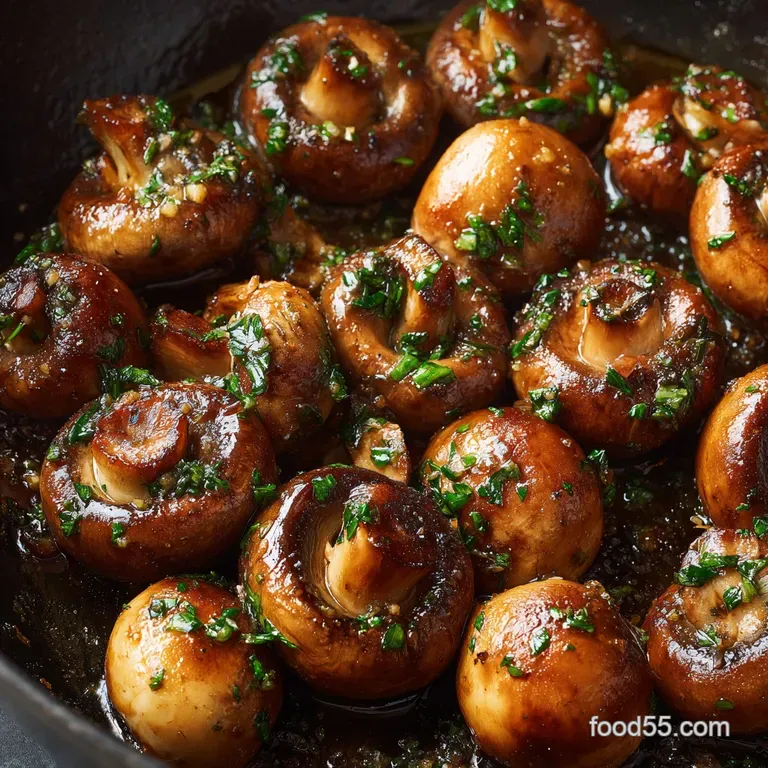
- Silky Garlic Butter Mushrooms: The Ultimate Umami Side Dish
- The Science of Sear: Achieving Maximum Flavor and Texture
- Sourcing and Preparing Your Fungi and Flavor Builders
- Mastering the Sauteed Mushrooms with Buttery Garlic Sauce: Step-by-Step
- Troubleshooting and Expert Tips for Perfect Results
- How to Store and Reheat Your Sauteed Mushrooms with Buttery Garlic Sauce
- Perfect Pairings: What to Serve Alongside This Dish
- Recipe FAQs
- 📝 Recipe Card
Silky Garlic Butter Mushrooms: The Ultimate Umami Side Dish
You know that moment when you walk into a kitchen and everything just smells rich ? That deep, earthy aroma of garlic sizzling in fat, mingling with the savory notes of caramelized fungi? That's what this dish delivers, every single time.
The texture payoff here is massive: perfectly browned edges giving way to a wonderfully tender interior, all coated in a gorgeous, glossy sauce.
This garlic butter mushroom recipe is truly a lifesaver for frantic weeknights, requiring minimal prep and even less time over the hob. It’s an incredibly simple Sauteed Mushroom with Buttery Garlic Sauce that somehow feels intensely luxurious.
Forget those watery, limp vegetable side dishes; this is quick, cheap, and packs an enormous flavor punch.
If you’ve ever had trouble getting a deep, golden sear on your fungi, or if your buttery sauce breaks and turns greasy, I've got you covered. We are going straight to the core techniques that guarantee a spectacular, restaurant quality side. Let’s get these Umami Side Dishes cooking, shall we?
The Science of Sear: Achieving Maximum Flavor and Texture
The Magic of Maillard Reaction in Fungi
The most important step in making stellar Sauteed Mushrooms with Buttery Garlic Sauce isn't the butter, believe it or not it's the intense heat. When you slice up the fungi and throw them into a ripping hot pan, you're initiating the Maillard reaction.
This is the same chemical reaction that makes toast brown and steak crusty. It develops hundreds of new flavor compounds, transforming mild, watery food into intensely savory, earthy goodness.
What Makes This Recipe Different?
We are employing a two-stage process that absolutely guarantees success: over high heat searing followed by a over low heat emulsification. Most recipes tell you to add butter immediately, but that lowers the pan temperature and encourages steaming.
We skip that early fat addition and prioritize getting that deep brown color first.
Quick Glance at Difficulty and Prep Time
Honestly, this is one of the easiest vegetable dishes for dinner you can master. Prep takes less than ten minutes, and active cooking time barely touches twelve. If you can handle a frying pan, you can master this silky, rich Buttery Garlic Sauce Recipe.
Why High Heat is Essential for Sautéed Fungi
Fungi are mostly water; they are sponges, pure and simple. If your pan isn't hot enough, that water pours out faster than it can evaporate, and your ingredients essentially boil themselves.
Use screaming high heat for the initial sear; this forces the moisture out quickly and allows the surfaces to brown instantly, creating a crispy exterior before the interior softens too much.
Building the Luxurious Emulsified Garlic Butter Sauce
Here is the true secret: we use cold butter and add it off the heat. I know, it sounds counterintuitive. Adding cold butter slowly to the hot residual pan juices (which contain the fond and wine reduction) creates a beautiful emulsion.
The butterfat combines with the liquid into a thick, glossy sauce that clings perfectly to the browned fungi, instead of separating into an oily mess.
The Role of Acid in Balancing Richness
Butter and garlic are fantastic, but they can quickly taste heavy. Adding a small amount of dry wine or a splash of lemon juice at the end cuts through the richness, brightening the whole dish. This touch of acidity makes the final Sauteed Mushrooms with Buttery Garlic Sauce taste incredibly complex and balanced.
Sourcing and Preparing Your Fungi and Flavor Builders
Selecting the Best Mushroom Varieties for Sautéing
I usually default to simple cremini (baby bellas) because they are widely available and hold up well to high heat. White button varieties are fine, but they tend to release more water. Try substituting those if you like, but I often reach for a mix of sliced oyster, shiitake, and cremini for maximum flavor depth.
Essential Pantry Items for the Buttery Garlic Sauce
You only need four basic components for this sauce, and they should all be high-quality. Fresh garlic is non-negotiable don't even think about using the pre-minced stuff in a jar. Use unsalted butter, as it gives you control over the final seasoning.
A good dry white wine (like Pinot Grigio) or dry sherry is also essential for a sophisticated finish.
Swaps and Substitutions for Dietary Needs
This dish is already vegetarian, but here are some easy switches for anyone who needs them.
| Ingredient | Viable Substitute | Notes |
|---|---|---|
| Unsalted Butter | high-quality European salted butter | Skip the added salt until the very final taste test. |
| Dry White Wine | Vegetable Stock + 1 tsp Lemon Juice | Use the stock for deglazing, add the lemon juice at the end. |
| Olive Oil | Avocado Oil or Grapeseed Oil | Choose an oil with a high smoke point for searing. |
| Parsley | Fresh Thyme or Chives | Use half the amount of thyme as it’s much stronger. |
Preparing the Fungi: To Wash or Not to Wash?
This is a hill I will die on: Do NOT wash your fungi under running water. They are sponges, remember? Rinsing them guarantees they’ll steam, not sear. Instead, grab a damp paper towel or clean kitchen cloth and gently wipe off any visible dirt before trimming the stems.
It’s a little extra work, but it pays off with a superior texture.
Mastering the Sauteed Mushrooms with Buttery Garlic Sauce: step-by-step
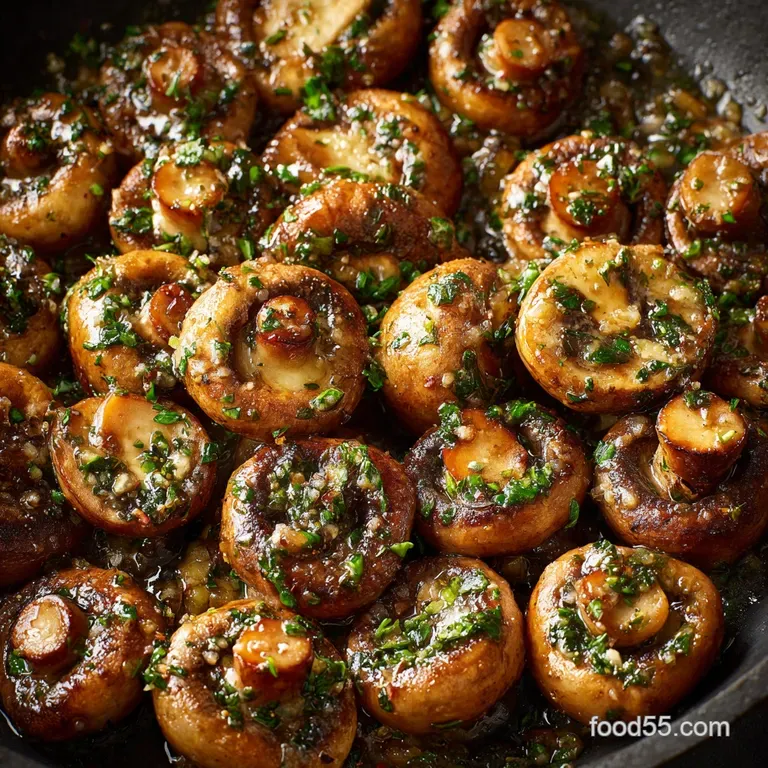
Mise en place (having everything ready) is critical here, as the searing happens fast. Have your sliced fungi, minced garlic, cold butter cubes, and wine/stock ready to go.
Step 1: Prepping the Pan for Intense Heat
Set your largest, heaviest frying pan (cast iron or stainless steel works best) over genuinely high heat . Add the over high heat oil. Wait until the oil is shimmering and you see a slight wisp of smoke this indicates it's hot enough to sear, not steam.
Step 2: The Crucial Searing Phase
Add half of your sliced fungi to the pan in a single layer. Seriously, only half! If they touch too much, they’ll steam. Leave them completely untouched for 2 to 3 minutes; this develops the crucial dark brown crust (the 'fond').
Once browned, toss the Sauteed Mushrooms once and cook for another minute until they look shrunken and beautifully browned. Remove this batch to a bowl. Repeat with the remaining fungi, adding a tiny splash more oil if the pan looks dry.
Chef's Note: Don't be tempted to add salt yet! Seasoning too early will draw out moisture, hindering the sear.
Step 3: Infusing the Garlic and Herbs
Return all the seared fungi to the pan. Add the dry white wine (or stock) and scrape the bottom of the pan vigorously to lift all those beautiful brown bits (the 'fond'). This is pure flavor. Let the liquid reduce almost entirely, which should take less than a minute.
Reduce the heat immediately to medium low, then add your minced garlic. Stir continuously for about 30 seconds until you smell the fragrance, but do not let it burn or turn brown . Burnt garlic is bitter and ruins the whole dish.
Step 4: Finishing the Sauce and Deglazing
Remove the pan completely from the heat. Add one cold cube of unsalted butter. Swirl the pan rapidly in circles until the cube melts and the liquid looks glossy and slightly thickened. Add the remaining cold butter cubes one-by-one, swirling constantly after each addition.
This technique ensures that silky, perfect Buttery Garlic Sauce. Stir in your fresh parsley, taste, and season aggressively with salt and freshly cracked black pepper. Serve immediately while the sauce is still warm and clinging to the fungi.
Troubleshooting and Expert Tips for Perfect Results
Avoid Overcrowding the Pan at All Costs
This is the number one reason people fail at this dish. If your pan is too full, the heat drops instantly, and the fungi release too much water. You'll end up stewing them, resulting in a floppy, gray mess. Searing in batches is non-negotiable for maximum Umami Side Dishes flavor.
Dealing with Water Release During Sautéing
If you absolutely must cook a huge batch and some water starts releasing despite your best efforts, don't panic. Just keep the heat high and continue cooking until all the water has evaporated. Only then will the fungi start to brown again.
Achieving the Perfect Sauce Consistency
If your sauce looks oily or separated meaning the butter didn't emulsify it usually means the pan was too hot when you added the fat. To fix it, remove the pan from the heat, add a teaspoon of ice-cold water, and swirl vigorously.
The sudden temperature change sometimes forces the fat and liquid back together.
Adding Fresh Herbs for Maximum Aroma
I always toss in the fresh herbs right at the very end, usually after I've removed the pan from the heat. This prevents the delicate flavors from cooking out. If you are using heartier herbs like rosemary or thyme, add them during the garlic step (Step 3) so they have time to release their oils.
How to Store and Reheat Your Sauteed Mushrooms with Buttery Garlic Sauce
Proper Cooling and Refrigeration Methods
This Easy Vegetable Side Dish is best served hot, right off the hob. If you have leftovers, cool them quickly and transfer them to an airtight container. They keep beautifully in the fridge for up to 3 days. The sauce might solidify, but that’s fine.
Can You Freeze Sauteed Fungi?
Yes, technically, but I strongly advise against it for this specific Garlic Butter Mushroom Recipe. Freezing changes the fungi's cell structure, making them spongier and mushier upon thawing. If you must freeze them, transfer them to a freezer safe bag, press out all the air, and lay it flat.
They'll last about 2 months. When reheating, reheat slowly in a pan to try and evaporate excess liquid, but don't expect the same firm texture.
Perfect Pairings: What to Serve Alongside This Dish
This rich, savory side goes with almost anything, making it one of my favorite Simple Sauteed Vegetables recipes.
- For Meat Lovers: It’s spectacular spooned over the top of pan-seared steak or even incorporated into the creamy sauce for a dish like Caprese Chicken: Pan-Seared Skillet Recipe with Balsamic Glaze .
- A Lighter Meal: Serve this alongside a vibrant, fresh accompaniment like my Cucumber Salad with Creamy Dill Sauce: Crisp, Tangy Ready in 30 Mins . The cool, tangy crunch perfectly cuts the buttery richness.
- Comfort Food: Ladle these over soft polenta, mashed potatoes, or even alongside some fluffy rice. For a cozy soup pairing, they are divine as a garnish for something velvety like Chili Butternut Squash Soup with White Beans Ultra Creamy Vegan Supper .
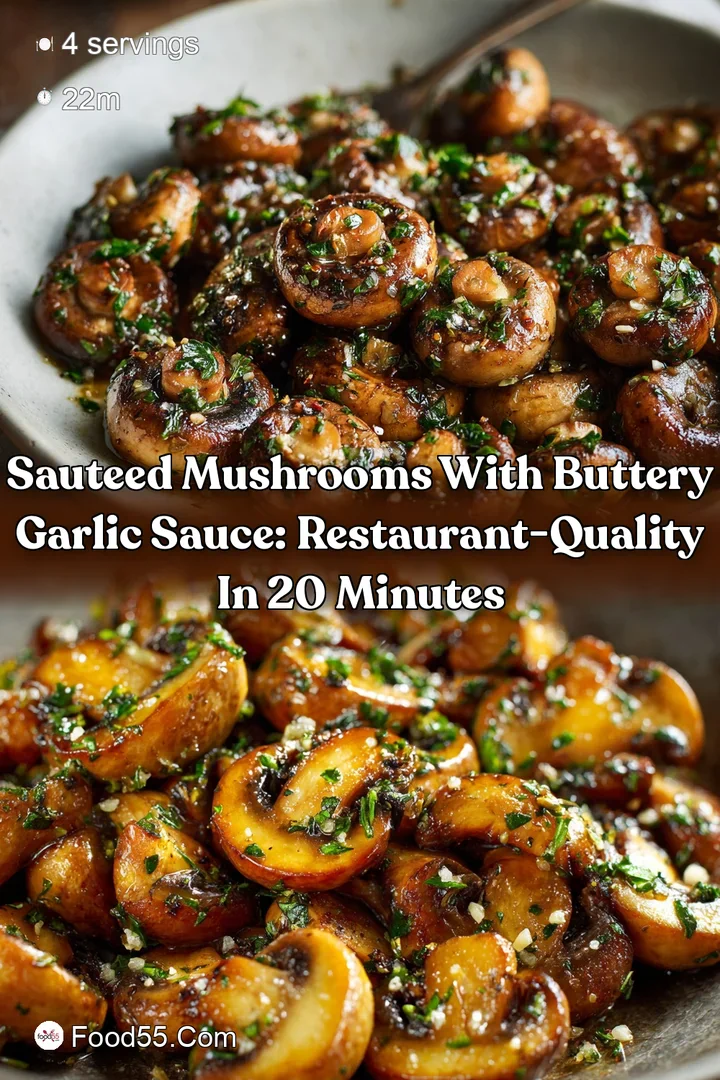
Recipe FAQs
Why are my mushrooms soggy and watery instead of beautifully seared?
Your pan is likely overcrowded, which causes the temperature to drop dramatically, making the mushrooms steam in their own moisture rather than sear. Ensure you use a wide, hot skillet and cook the mushrooms in separate batches if necessary, allowing the moisture to evaporate quickly.
High heat and space are key to achieving that desired golden brown crust.
Can I make this recipe vegan or dairy-free?
Absolutely. Substitute the regular dairy butter with a high-quality vegan butter stick or margarine for both the initial sear and the finishing sauce. You can also use olive oil for the initial high heat sear, then finish with a little neutral oil mixed with nutritional yeast for a buttery flavor mimic.
How do I prevent the garlic from burning while the mushrooms finish cooking?
Garlic must only be added in the final 60 to 90 seconds of cooking, after the mushrooms have released their moisture and developed a nice sear. Adding it too early ensures it will quickly burn and turn bitter by the time the mushrooms are adequately browned. Timing is crucial for aromatic flavor without bitterness.
What is the best type of mushroom to use for this buttery dish?
Cremini (baby bella) mushrooms are often ideal due to their robust texture and earthy flavor, which holds up well to the rich sauce. However, feel free to mix in varieties like shiitake, oyster, or finely sliced portobello caps for a more complex and varied texture profile.
Just ensure all pieces are cut to a relatively similar size for even cooking.
Should I wash or rinse my mushrooms before I cook them?
No, you should avoid rinsing mushrooms directly under running water as they are highly porous and will absorb the moisture like sponges. This excess water will make it impossible to get a good sear.
Instead, gently wipe the mushroom caps with a slightly damp paper towel or a clean cloth to remove any visible dirt or grit.
What is the purpose of adding acid, like lemon juice or wine, at the very end?
The addition of acid serves a vital culinary function by brightening the overall flavor profile of the dish. It cuts through and balances the richness of the butter and the deep umami flavor of the seared mushrooms. A splash of lemon juice or dry white wine prevents the dish from tasting too heavy or one-dimensional.
How should I store leftover Silky Garlic Butter Mushrooms?
Leftovers should be cooled quickly and stored in an airtight container in the refrigerator for up to 3 to 4 days. To reheat, gently warm them in a skillet over low-medium heat rather than microwaving, as quick reheating can sometimes render the mushroom texture rubbery.
Please note that cooked mushrooms do not freeze well.
Buttery Garlic Sauce Sauteed Mushrooms
Ingredients:
Instructions:
Nutrition Facts:
| Calories | 107 kcal |
|---|---|
| Protein | 2.0 g |
| Fat | 7.1 g |
| Carbs | 9.1 g |
