Champagne Sorbet Recipe: Effervescent Dessert
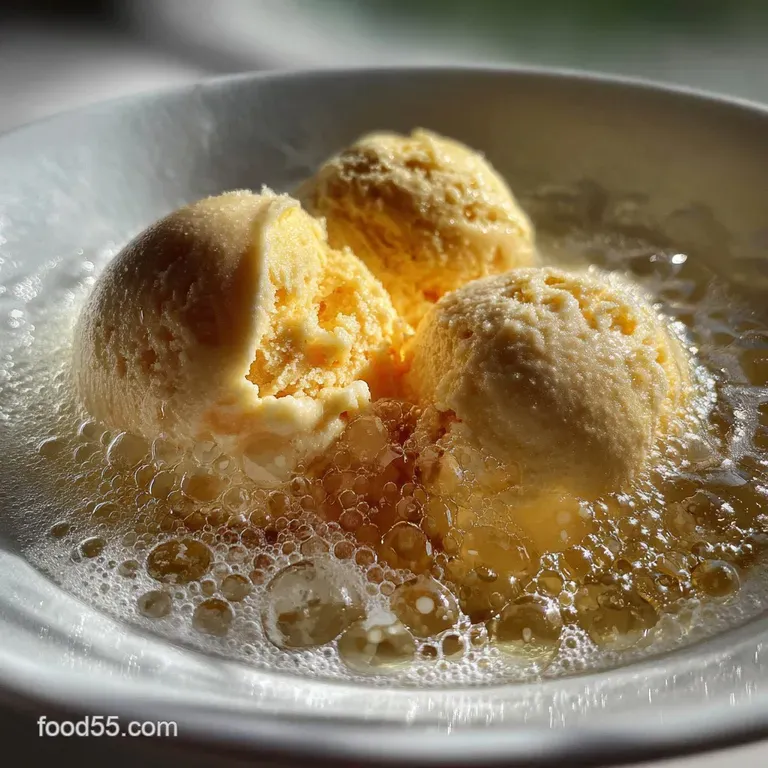
- Time: Active 15 minutes, Passive 6 hours, Total 6 hours 15 mins
- Flavor/Texture Hook: Effervescent, zesty, and snowy
- Perfect for: New Year’s Eve, wedding celebrations, or a refined summer palate cleanser
- Mastering Your Own Champagne Sorbet
- Quick Specs and Preparation
- The Science of Why it Works
- Deep Dive Into Components
- Choosing Premium Ingredients
- Tools For Cold Success
- Steps For Flawless Churning
- Avoiding Common Kitchen Disasters
- Customizing The Basic Mix
- Storage and Prep Ahead
- Service and Pairing Ideas
- Scaling the Recipe
- Sorting Myths From Facts
- Recipe FAQs
- 📝 Recipe Card
Mastering Your Own Champagne Sorbet
There’s something about that first sharp hiss of a bottle being opened that signals a shift in the room's energy. It’s the sound of a celebration starting, a shared moment of joy that brings people together. I remember the first time I tried to turn that effervescence into a dessert.
I was worried the bubbles would vanish or the alcohol would keep it from freezing at all. But when that first velvety scoop hit the spoon, I realized I’d found something special.
This isn't just a bowl of ice; it’s a study in contrasts. You get the biting chill and the tiny, crystalline structure of the sorbet followed immediately by the warm, fruity notes of the wine. It feels fancy, yet the process is incredibly grounding.
You are taking three or four simple elements and using cold to transform them into something that feels like it belongs in a high end French bistro.
Whether you are hosting a sprawling holiday dinner or a quiet anniversary meal, this treat fits every mood. It’s light enough to follow a heavy steak dinner but complex enough to stand alone.
We’re going to look at the chemistry that makes it work, the tools you need, and how to ensure you never end up with a puddle of sweet wine. Let's get into the details and make something memorable.
Quick Specs and Preparation
| Method | Prep Time | Texture Result | Best For |
|---|---|---|---|
| Fast Method | 10 minutes | Icy/Granular | Last minute cravings |
| Classic Churn | 6 hours | Silky/Velvety | Special occasions |
| No Churn | 12 hours | Dense/Firm | No equipment kitchens |
Creating a masterpiece requires understanding the timeline. While the active work is minimal, the "passive" time the cooling and freezing is where the magic happens. If you rush the cooling of your simple syrup, you’ll end up with a soupy mess that never quite sets in the ice cream maker.
I’ve made that mistake before, trying to churn a lukewarm base, and I ended up with a very expensive slushie. Trust the process and give the mixture the time it needs in the fridge.
The contrast between the fast and classic methods usually comes down to crystal size. When you use a Cuisinart ICE-21 or a similar churner, the constant motion breaks up ice crystals as they form. This creates that professional, snowy texture.
If you go the "fast" route by just freezing a shallow tray and stirring with a fork, it will be more like a granita crunchy and refreshing, but not quite the artisan experience we are aiming for today.
The Science of Why it Works
- Freezing Point Depression: Ethanol (alcohol) has a much lower freezing point than water. When mixed with sugar, it prevents the water molecules from bonding into a solid block of ice, keeping the sorbet soft.
- Sugar Saturation: The 1 cup (200g) of Domino Granulated Sugar creates a syrup that coats the ice crystals. This interference prevents the crystals from growing large and "sandy" on the tongue.
- Citric Acid Balance: The 1 tbsp (15ml) of lemon juice provides a chemical "brightener." It cuts through the cloying sweetness of the sugar and enhances the fruity esters found in the Brut Champagne.
- Air Incorporation: During the churn, small pockets of air are whipped into the liquid. This "overrun" provides the light, airy lift that makes the sorbet feel cloud like rather than heavy.
Deep Dive Into Components
| Ingredient | Science Role | Pro Secret |
|---|---|---|
| Brut Champagne | Ethanol Source | Use a "dry" wine to balance the added 200g of sugar. |
| Granulated Sugar | Texture Stabilizer | Boil into a 1:1 syrup to ensure no grainy residue remains. |
| Fresh Lemon Juice | pH Balancer | Freshly squeezed adds essential oils the bottled stuff lacks. |
Choosing Premium Ingredients
You don't need to spend a fortune on a vintage bottle of Veuve Clicquot for this, but don't use something you wouldn't enjoy drinking. A mid range Brut or a dry Cava works wonders. If you’re hosting a big bash, you might also like this New Year Party recipe to satisfy the chocolate lovers after they’ve had their palate cleanser.
- 750 ml Brut Champagne: Use a dry sparkling wine. Why this? It prevents the final dish from being overly sweet after adding syrup.
- Substitute: Dry Prosecco. Note: Adds a slightly more floral, sweet profile than traditional Brut.
- 1 cup (200g) Domino Granulated Sugar: This is our structural backbone. Why this? Sugar is essential for a scoopable texture; don't reduce it.
- Substitute: Caster sugar. Note: Dissolves faster but behaves identically in the final freeze.
- 1 cup (240ml) Water: Used to create the base syrup. Why this? It dilutes the alcohol enough to allow for a firm freeze.
- Substitute: White grape juice. Note: Adds fruitiness but will make the sorbet much sweeter.
- 1 tbsp (15ml) Freshly Squeezed Lemon Juice: The zing factor. Why this? It bridges the gap between the wine's acidity and the syrup's sweetness.
- Substitute: Lime juice. Note: Gives a tropical, slightly more bitter edge to the finish.
Tools For Cold Success
You’ll want a heavy bottomed saucepan, like a Le Creuset, to simmer your syrup evenly without scorching. For the churning, a Cuisinart ICE-21 is my personal workhorse; it’s reliable and stays cold long enough to finish the job.
If you don’t have an ice cream maker, a shallow stainless steel pan and a sturdy fork will work for a granita style texture.
Finally,, grab a high-quality citrus press, such as a Chef'n FreshForce. It gets every last drop of that 15ml of lemon juice without letting seeds slip into your pristine white base. For another fruitier twist on this frozen technique, my Honey Lemon Sorbet recipe offers a similar zing without the booze, perfect for family friendly gatherings.
Steps For Flawless Churning
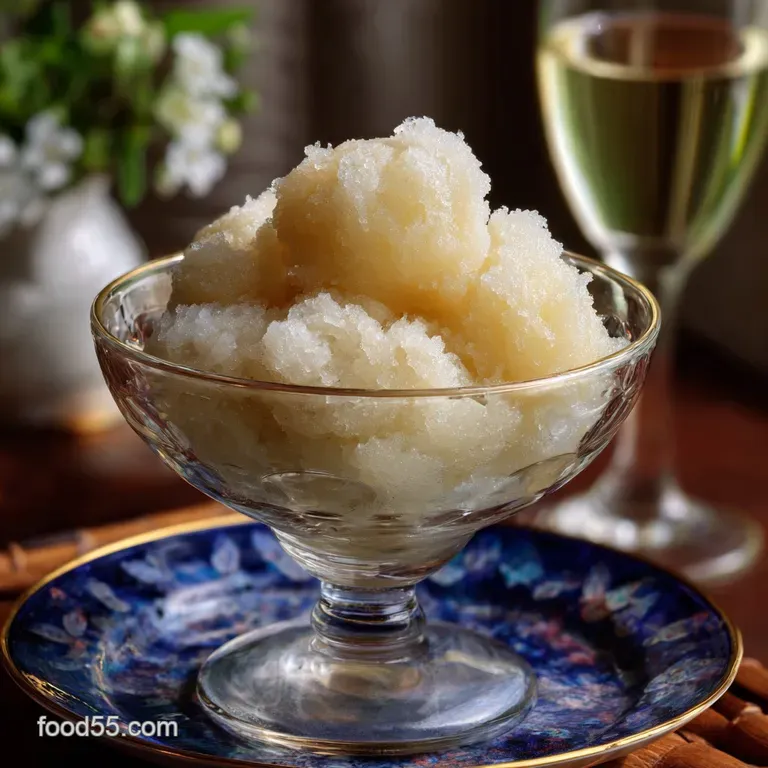
- Simmer the syrup. Combine 1 cup (200g) sugar and 1 cup (240ml) water in a saucepan over medium heat. Note: This ensures the sugar is fully dissolved so the texture isn't gritty.
- Boil briefly. Let the mixture reach a boil for 2 minutes until the liquid is crystal clear.
- Cool completely. Transfer the syrup to a glass bowl and refrigerate for 2 hours until it feels cold to the touch.
- Incorporate the wine. Gently pour the 750 ml of Champagne into the cold syrup. Note: Pouring slowly preserves some of the wine's natural carbonation.
- Add the zest. Stir in the 1 tbsp (15ml) of lemon juice.
- Chill the base. Place the combined mixture in the fridge for another 1 hour until the entire base is below 40°F.
- Churn the sorbet. Pour into your ice cream maker and process for 20 minutes until it looks like thick, wet snow.
- Final freeze. Transfer to an airtight container and freeze for 4 hours until firm enough to scoop.
Chef's Tip: Put your storage container in the freezer 20 minutes before the churn finishes. If you put cold sorbet into a room temperature plastic tub, the edges will melt instantly, creating icy "sheets" later on.
Avoiding Common Kitchen Disasters
The most frequent heartbreak with this recipe is a sorbet that refuses to freeze. Usually, this is because the alcohol ratio is too high or the syrup was too warm. If your freezer isn't set to its coldest setting, the ethanol will win the battle against the ice.
Solving Grainy Sugar Issues
If you feel sand like particles on your tongue, the sugar didn't dissolve. This happens if you just stir sugar into cold wine. Always make the syrup first.
Fixing Soupy Mixtures Fast
If it’s been churning for 30 minutes and is still liquid, your freezer bowl wasn't cold enough. Stop, put the base back in the fridge, and freeze your bowl for a full 24 hours before trying again.
| Problem | Cause | Fix | Pro Tip |
|---|---|---|---|
| Too Soft | Too much alcohol | Add 1/4 cup water | Use "Brut" only |
| Rock Hard | Too much water | Add 1 tbsp vodka | Don't over boil syrup |
| Separation | Poor mixing | Whisk before churning | Churn immediately after mixing |
Customizing The Basic Mix
If you want to vary the flavor map, consider adding herbs or berries. A handful of raspberries muddled into the syrup before straining creates a vibrant pink hue and a tart contrast. For a more sophisticated twist, steep three sprigs of fresh thyme in the hot syrup, then discard them before cooling.
This adds an earthy note that pairs beautifully with the dry wine.
For those looking for more 6 New Years Cocktails recipe inspiration, you can actually use this sorbet as a base for a "floated" drink. Drop a scoop into a flute and top with more Champagne for a slushie style cocktail that stays cold until the last sip.
- Rosé Variation: Swap the Brut for a Sparkling Rosé. It adds notes of strawberry and hibiscus.
- The Spice Route: Add a pinched open cardamom pod to the simmering syrup for a warm, aromatic finish.
Storage and Prep Ahead
Store your sorbet in the back of the freezer, which is the coldest spot. It will stay fresh and vibrant for up to 2 weeks. Beyond that, it may start to absorb "freezer smells" or develop larger ice crystals.
To keep it velvety, press a piece of parchment paper directly onto the surface of the sorbet before sealing the lid.
Don't toss the leftover lemon rinds! You can candy the peels in a bit of leftover sugar syrup to use as a garnish. If you have a few tablespoons of sorbet left that are too melted to scoop, stir them into your morning fruit salad for a bright, sophisticated dressing.
Service and Pairing Ideas
This dish is all about the presentation. I love serving it in chilled coupe glasses or even hollowed out lemon halves for a rustic, Mediterranean feel. If you want to go the "Special Occasion" route, garnish with a single gold leaf flake or a sprig of mint.
- The Signature Float: Place a small scoop in a glass and pour 2 oz of extra Brut over it.
- The Mid Meal Refresher: Serve a golf ball sized portion between the appetizer and the main course to reset the taste buds.
- Fruit Pairing: Serve alongside fresh pitted cherries or sliced peaches. The stone fruit sweetness shatters against the crisp acidity of the wine.
Scaling the Recipe
Scaling Down (1/2 Batch)
Since a bottle of Champagne is 750ml, scaling down means you’ll have half a bottle left over. Reduce the water to 1/2 cup and sugar to 1/2 cup. Use a smaller 1 quart freezer bowl. Reduce churning time by about 5 minutes as smaller volumes freeze faster.
Scaling Up (2x Batch)
Do not simply double the booze and syrup in one go unless you have a commercial grade churner. Most home machines can't handle 1.5 liters of liquid at once. Work in batches. You can make the entire base (syrup + wine) in one large bowl, but churn it in two separate sessions to ensure enough air is incorporated.
Sorting Myths From Facts
Myth: You lose all the bubbles when you churn Champagne. Fact: While the intense "fizz" of a freshly poured glass is reduced, the sorbet retains a distinct, effervescent "tingle" on the tongue.
The churning process introduces air, but the carbonation from the wine contributes to the light texture.
Myth: Searing or boiling the Champagne "seals in" the flavor. Fact: Boiling the wine actually evaporates the delicate floral aromas and the alcohol. We only boil the water and sugar syrup, then add the wine cold to keep the profile "bright" and "crisp."
Myth: You can't get drunk on sorbet. Fact: While one serving won't likely affect an adult, this recipe contains a full bottle of wine across 8 servings. It is definitely an "adults only" dessert!
Decision Shortcut: If you want a softer scoop, add a teaspoon of vodka to the mix. If you want a sharper flavor, double the lemon juice to 2 tablespoons. If you want a firm, sliceable dessert, reduce the water by 1/4 cup.
This process is a beautiful way to bring people together. The act of sharing a bottle of wine, transformed into a cold, shimmering dessert, is a cultural exchange of sorts taking a classic drink and giving it a new life.
Trust me on this: once you see the look on your guests' faces when you bring out these elegant scoops, you'll never go back to store-bought pints. Let's crack on and get that syrup simmering!
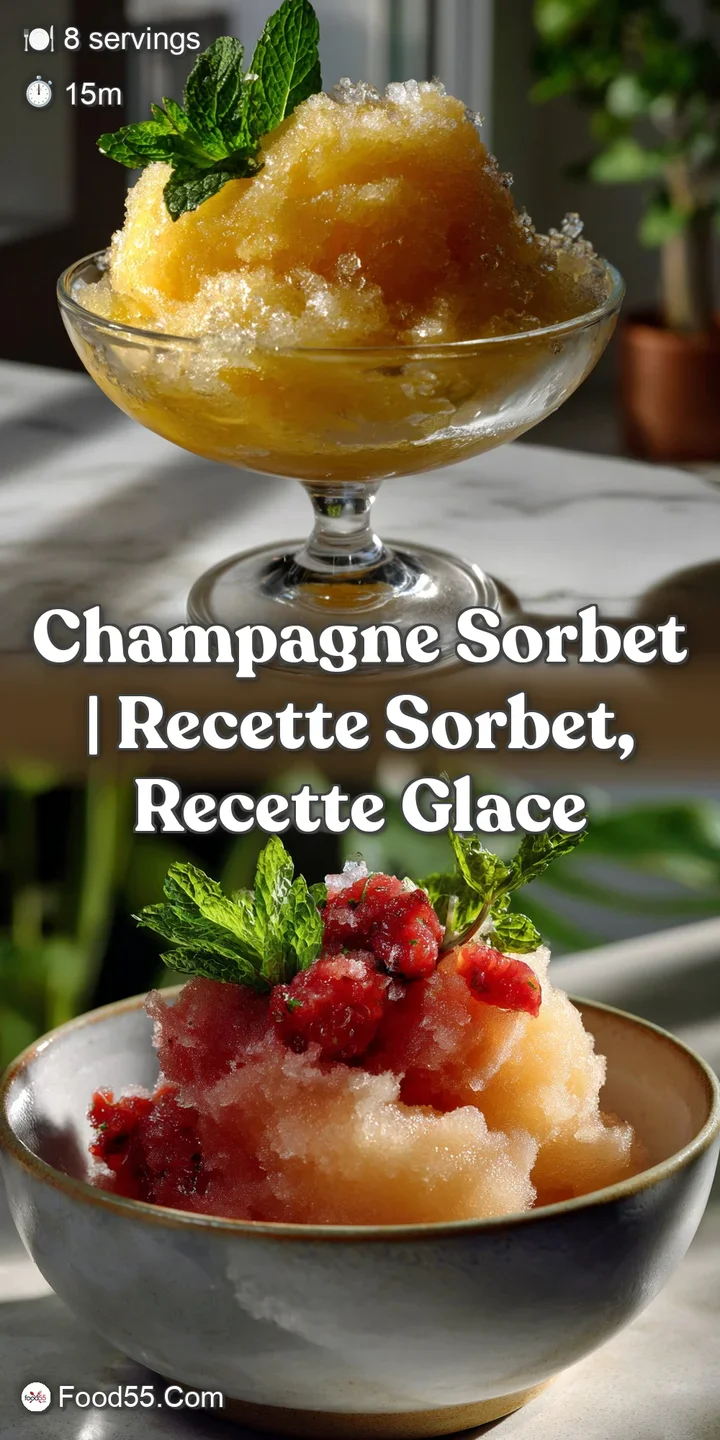
Recipe FAQs
how to make champagne sorbet?
Yes, using an ice cream maker is best. You must first create a simple syrup by boiling sugar and water, cooling it entirely, then gently folding in the cold Champagne and lemon juice before churning for about 20 minutes.
how to make my own sorbet?
Yes, the core process is universal for homemade sorbet. You need to create a saturated sugar syrup, cool it down completely, mix in your acidic and flavoring liquid (like Champagne or fruit purée), and then churn rapidly to break up ice crystals.
what is champagne sorbet?
It is an elegant, alcohol based frozen dessert. It combines dry sparkling wine, water, and sugar to create a light, intensely cold texture stabilized by the ethanol to prevent it from freezing into a solid block.
what is champagne sherbet?
No, sorbet and sherbet are distinct in composition. Sherbet is essentially a sorbet that includes a small amount of dairy, usually milk or cream, whereas traditional champagne sorbet contains only fruit juice/wine, water, and sugar for a dairy-free experience.
what does champagne sorbet taste like?
It tastes crisp, acidic, and exceptionally light. The primary flavor is tart effervescence balanced by sweetness, often carrying subtle notes of citrus and the yeast character of the sparkling wine used, making it a perfect palate cleanser.
can I substitute the Champagne with something else?
Yes, but the texture will change slightly. If you are looking to practice the same sugar-to-liquid ratio management technique without alcohol, try a non-alcoholic base like grape juice; for a similar boozy effect, you can explore how the base works in our Sugared Prosecco Grapes: The Sparkling Grown-Up Garnish Recipe.
why does my sorbet freeze too hard?
This usually means the sugar content is too low or the water content is too high. Sugar depresses the freezing point; if you reduced the required sugar, the mixture will freeze rock solid because the water molecules bond too easily.
If you struggled with texture control here, see how we manage fat ratios for a different texture in the Strawberry Sorbet Recipe Simply Strawberries Simply Delicious.
Champagne Sorbet Recipe
Ingredients:
Instructions:
Nutrition Facts:
| Calories | 168 calories |
|---|---|
| Protein | 0.1 g |
| Fat | 0 g |
| Carbs | 26.4 g |
| Fiber | 0.1 g |
| Sugar | 26.1 g |
| Sodium | 3 mg |
