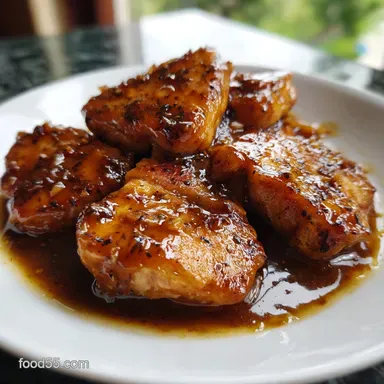
Chicken Thigh Osso Bucco: Rich and Silky
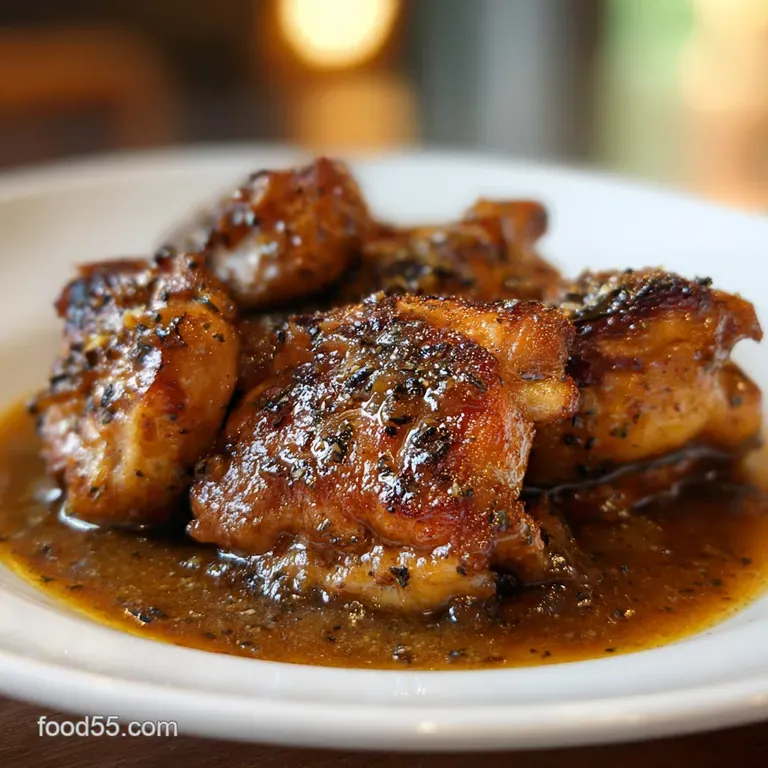
- Time:15 minutes active + 75 minutes simmering = Total 90 minutes
- Flavor/Texture Hook: Mahogany seared skin with a silky, wine infused sauce
- Perfect for: An impressive Sunday dinner or a cozy date night
- Chicken Thigh Osso Bucco
- The Hidden Secrets
- Recipe Specs
- Shopping List Essentials
- Essential Cooking Gear
- From Prep to Plate
- Avoiding Common Mistakes
- Troubleshooting Common Issues
- Customizing Your Dish
- Misconceptions About Braising
- Storage and Reheating Guide
- Serving and Enjoying
- Recipe FAQs
- 📝 Recipe Card
Chicken Thigh Osso Bucco
The first thing you'll notice is that heavy, intoxicating sizzle as the skin hits the hot oil. I remember the first time I tried a traditional veal osso buco at a tiny, family run trattoria during a rainy autumn trip.
The aroma of slow cooked marrow and bright citrus was haunting, but when I tried to recreate it at home, the cost of the shanks and the six hour wait felt like too much for a regular weeknight. I wanted that same deep, bone in richness without the luxury price tag or the all day commitment.
This Amazing Ultimate Chicken Thigh Osso Bucco Recipe is the only one you'll ever need. By swapping the veal for chicken thighs, we get that same "fall off-the bone" feel in a fraction of the time.
It's the kind of meal that makes your whole house smell like a professional kitchen, but it doesn't require a culinary degree to pull off.
You can expect a dish that feels incredibly fancy but behaves like a simple one pot meal. The secret is in the layering of flavors, from the deep mahogany sear of the skin to the bright, zingy gremolata that cuts through the richness at the very end. It's vibrant, hearty, and honestly, just a bit addictive.
The Hidden Secrets
To get this right, you have to understand a few things about how the heat and ingredients interact. It isn't just about throwing things in a pot, it's about building a foundation.
- The Collagen Conversion: Using bone in thighs is non negotiable. The connective tissue and cartilage around the joint break down during the simmer, releasing gelatin that makes the sauce feel velvety rather than watery.
- The Power of the Fond: Those brown, stuck on bits at the bottom of the pot after searing are pure gold. When we deglaze with white wine, we lift those caramelized proteins back into the sauce, which is where that deep, savory complexity comes from.
- The Acid Balance: Rich braises can sometimes feel "heavy" or one note. The gremolata (lemon, parsley, garlic) provides a sharp, fresh contrast that wakes up the palate and balances the fat from the chicken skin.
- Starch Gelatinization: Coating the chicken in a light dusting of flour before searing does two things. It helps create a shatter crisp crust and naturally thickens the braising liquid as it simmers, so you don't need to add a cornstarch slurry at the end.
| Method | Prep Time | Texture | Best For |
|---|---|---|---|
| Thigh Braise | 15 mins | Velvety & Tender | Weeknight luxury |
| Classic Veal | 30 mins | Rich & Gelatinous | All day events |
| Slow Cooker | 20 mins | Shreddy & Soft | Set and forget |
Recipe Specs
When you're planning your evening, it's helpful to have the hard numbers. This isn't a dish you can rush, but it's far more forgiving than a soufflé or a steak.
The prep is a breeze, mostly just chopping your mirepoix (the onion, carrot, and celery). The actual cooking is where the magic happens. You'll spend about 10 minutes searing and 65 minutes letting the pot do the heavy lifting on the stove.
According to Serious Eats, braising is all about the slow breakdown of proteins in a moist environment, and this recipe hits that sweet spot perfectly. You aren't boiling the meat, you're gently poaching it in a flavorful liquor.
Shopping List Essentials
I always suggest buying your produce from a local farmers market if you can. Seasonal carrots and celery have a sweetness that store-bought versions often lack, which adds a subtle layer of vibrancy to the base.
- 4 bone in, skin on chicken thighs (approx. 2 lbs / 900g) Why this? Bone in adds flavor and keeps the meat juicy
- 1/2 cup (65g) all purpose flour Why this? Creates the sear and thickens the sauce
- 1 tsp (6g) kosher salt
- 1/2 tsp (2g) cracked black pepper
- 2 tbsp (30ml) olive oil Why this? High smoke point for searing
- 1 medium (120g) yellow onion, finely diced
- 2 medium (120g) carrots, diced Why this? Adds natural sweetness
- 2 stalks (60g) celery, diced
- 3 cloves (9g) garlic, minced
- 2 tbsp (32g) tomato paste Why this? Adds umami and deep color
- 1 cup (240ml) dry white wine Why this? Acidity to balance the richness
- 2 cups (480ml) low sodium chicken broth Why this? Base for the braising liquid
- 2 sprigs (4g) fresh thyme
- 1 bay leaf
- 1/4 cup (15g) fresh parsley, finely chopped
- 1 tbsp (6g) lemon zest Why this? Essential for the gremolata finish
- 1 clove (3g) garlic, grated
| Original Ingredient | Substitute | Why It Works |
|---|---|---|
| White Wine (1 cup) | Chicken Stock + Lemon Juice | Similar acidity. Note: Lacks the fermented depth of wine |
| All purpose Flour | Cornstarch or Rice Flour | Thickens liquid. Note: Rice flour is gluten-free but sears differently |
| Fresh Thyme | Dried Thyme (1/3 tsp) | Similar earthy notes. Note: Less aromatic than fresh |
| Parsley | Fresh Cilantro | Fresh herbal hit. Note: Changes the flavor profile to be more citrusy/bright |
If you find yourself without a dry white wine, a Pinot Grigio or Sauvignon Blanc works best. Avoid sweet wines, as they can make the sauce taste like a glaze rather than a savory braise.
Essential Cooking Gear
You don't need a kitchen full of gadgets for this, but one specific piece of gear makes a world of difference. A heavy bottomed Dutch oven is your best friend here. Because it holds heat so evenly, you won't get those annoying hot spots that burn your garlic or tomato paste.
If you don't have one, a deep stainless steel skillet with a tight fitting lid will work, but you'll need to keep a closer eye on the liquid levels. Avoid non stick pans for the searing phase, as they can't handle the high heat needed for that mahogany crust, and they don't develop the fond that we need for the sauce.
I also recommend a microplane for the lemon zest and grated garlic. Getting those tiny, fine shreds ensures the gremolata blends seamlessly into the dish rather than having chunky bits of raw garlic.
From Prep to Plate
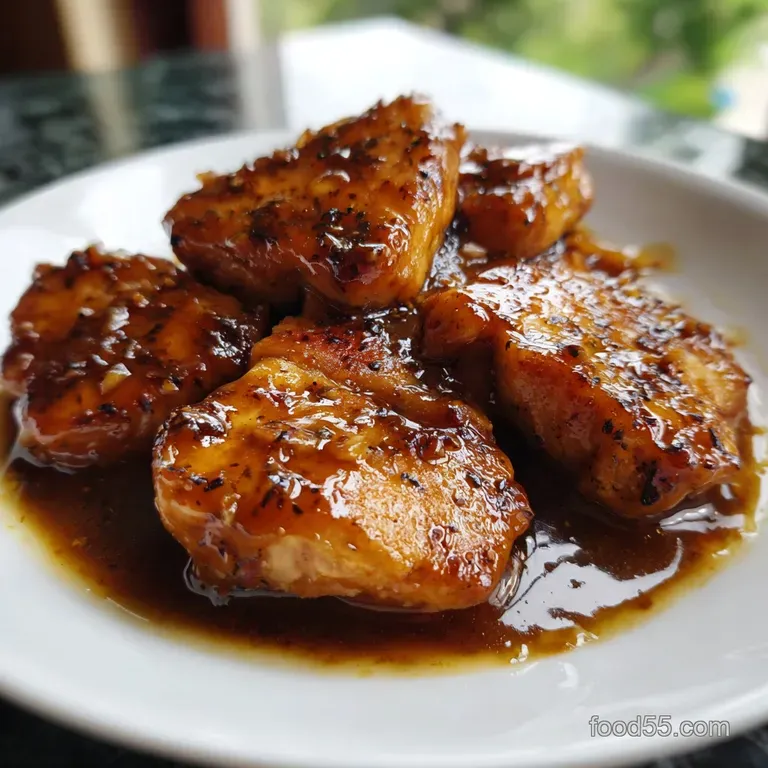
Let's get into the actual flow. Trust the process, and don't be tempted to turn the heat up too high just to speed things along.
Phase 1: The Golden Sear
- Mix flour, salt, and pepper on a shallow plate. Coat the chicken thighs, shaking off any excess to avoid a gummy crust. Note: Too much flour will make the sauce pasty
- Heat olive oil over medium high heat in a Dutch oven. Place chicken skin side down and sear for 5-7 minutes until the skin is mahogany colored.
- Flip and sear for another 3 minutes, then remove chicken and set aside on a plate. Note: Don't worry if they aren't cooked through yet
Phase 2: Building the Flavor Base
- In the same pot, add the onion, carrots, and celery. Cook until the onions are translucent (about 5 minutes).
- Stir in the garlic and tomato paste. Cook for 2 minutes until the paste turns a deep rust color. Note: This removes the raw metallic taste of the paste
- Pour in the white wine and scrape the bottom of the pot to deglaze, lifting the caramelized proteins (fond). until the liquid has reduced by half.
Phase 3: The Slow Braise
- Stir in the low sodium chicken broth, fresh thyme, and bay leaf.
- Return the seared chicken thighs to the pot. Lower the heat and simmer gently for 65 minutes until the meat is tender and slides off the bone.
- Prepare the gremolata by mixing the finely chopped parsley, lemon zest, and grated garlic in a small bowl.
- Divide the chicken and sauce into bowls and garnish with the fresh gremolata before serving.
Chef's Note: If you want a thicker sauce, leave the lid slightly ajar during the last 15 minutes of simmering. This allows some moisture to escape, concentrating the flavors.
Avoiding Common Mistakes
Even the best of us mess up. I once let my tomato paste burn because I got distracted by a phone call, and the whole pot tasted like charcoal. Now, I stay glued to the stove during the "rust color" phase.
Troubleshooting Common Issues
| Issue | Solution |
|---|---|
| Why Your Sauce Is Too Thin | If your sauce looks more like soup than a braise, it's usually because the flour coating was too thin or you didn't reduce the wine enough. You can easily fix this by removing the chicken and simmerin |
| Why Your Meat Is Tough | If the chicken isn't sliding off the bone, it hasn't reached the temperature where the collagen breaks down. Give it another 15 minutes. Every piece of meat is different, so rely on the feel of the me |
| Why Your Skin Is Soggy | It's a braise, so the skin will never be as crispy as crispy oven chicken thighs, but you can minimize the sogginess by |
Common Mistakes Checklist:
- ✓ Did you shake off the excess flour?
- ✓ Is the tomato paste a deep rust color?
- ✓ Did you scrape the bottom of the pot during deglazing?
- ✓ Is the heat low enough for a gentle simmer (not a boil)?
- ✓ Did you add the gremolata at the very end?
Customizing Your Dish
This Thigh Osso Bucco Recipe is a great canvas for seasonal changes. In the winter, I love adding a diced parsnip to the mirepoix for a deeper, earthier sweetness. In the spring, stir in some frozen peas during the last five minutes of cooking for a pop of color and freshness.
If you're looking for a different vibe, you can try a lemon chicken thighs approach by increasing the lemon zest and swapping the white wine for a splash of apple cider vinegar.
Diet Swaps
For those avoiding gluten, swap the all purpose flour for a mix of cornstarch and arrowroot powder. It won't brown as deeply, but it provides the same thickening power. If you're keeping it dairy-free, you're already set, as this recipe relies on olive oil and wine for its richness.
The Slow Cooker Twist
You can absolutely adapt this for a slow cooker. Sear the chicken and sauté the vegetables in a pan first, then transfer everything to the crockpot. Cook on Low for 6-7 hours or High for 3-4 hours.
Just remember to add the gremolata fresh at the end, as the slow cooker will kill the brightness of the lemon.
| Goal | Modification | Impact |
|---|---|---|
| Extra Rich | Add 1 tbsp butter at end | Glossier, velvetier sauce |
| Lighter | Use skinless thighs | Reduces fat, less crust |
| More Umami | Add 1 tsp Worcestershire | Deeper, saltier undertone |
Misconceptions About Braising
There are a few things people get wrong about this method. Let's clear them up so you can cook with confidence.
First, many believe that searing the meat "seals in the juices." This is a myth. Searing doesn't create a waterproof barrier; the moisture loss happens regardless of the sear. However, the sear is vital for flavor, creating that complex, savory crust that defines the dish.
Second, some think that more liquid equals more flavor. Actually, too much liquid dilutes the sauce. You only want enough broth and wine to come about halfway up the sides of the chicken. If you drown the meat, you're boiling it, not braising it.
Storage and Reheating Guide
This dish actually tastes better the next day. The flavors have time to marry, and the sauce thickens slightly in the fridge.
Fridge Storage: Keep it in an airtight container for up to 4 days. The sauce will likely gel, which is normal.
Freezer Storage: You can freeze the braised chicken and sauce for up to 3 months. I don't recommend freezing the gremolata, though. Make a fresh batch when you're ready to eat.
Reheating: Gently warm it in a saucepan over medium low heat. Add a splash of water or homemade chicken stock if the sauce has become too thick.
Zero Waste: Don't toss the leftover carrots and celery scraps from your prep! Throw them in a freezer bag with onion skins and garlic ends. Once the bag is full, simmer them with water to make a quick vegetable stock for your next soup.
Serving and Enjoying
The final touch is all about the pairing. Because the Chicken Thigh Osso Bucco is so rich, you need something to soak up the sauce and something to cut through the fat.
The Classic Pairing: Creamy Polenta A soft, buttery polenta is the traditional choice. The cornmeal's neutrality allows the wine and thyme flavors to shine, and the creamy texture mirrors the velvetiness of the sauce.
The Elegant Pairing: Saffron Risotto For a special occasion, a saffron risotto adds a vibrant yellow color and a floral note that complements the lemon in the gremolata. It turns a simple dinner into a restaurant grade experience.
The Simple Pairing: Mashed Potatoes If you're in a rush, a pile of garlic mashed potatoes is the ultimate comfort move. Just make sure they're whipped smooth so they don't compete with the texture of the chicken.
When you plate the dish, place a generous scoop of your starch in the center, nestle the chicken thigh on top, and spoon plenty of that rust colored sauce over everything. Finish with a bright sprinkle of gremolata.
Serve it with a chilled glass of the same white wine you used for the sauce, and you've got a complete, balanced meal. Trust me, your friends are going to think you spent all day in the kitchen, but we'll keep the 90 minute secret between us.
Recipe FAQs
Can I use boneless chicken thighs instead of bone-in?
No, stick with bone-in. The bones provide essential depth of flavor and protect the meat from drying out during the simmering process.
Why is my sauce too thin?
Reduce the liquid further. Remove the chicken and simmer the sauce on high until it thickens, which usually happens if the flour coating was too thin or the wine didn't reduce enough.
How to prepare the gremolata?
Mix finely chopped parsley, lemon zest, and grated garlic. Stir these ingredients together just before serving to add a bright, acidic contrast to the rich sauce.
Is it true that I can freeze the gremolata along with the chicken?
No, this is a common misconception. Freezing destroys the fresh aromatics of the lemon and parsley, so always prepare a fresh batch when reheating the dish.
Why is the meat not sliding off the bone?
Simmer for another 15 minutes. The meat is only done once the collagen fully breaks down, and timing varies depending on the size of the thighs.
How to avoid a gummy crust on the chicken?
Shake off any excess flour before placing the chicken skin-side down in the olive oil. This ensures a clean, mahogany-colored sear.
What is the best side dish for this meal?
Pair it with crusty bread. The rich sauce is perfect for dipping with garlic sourdough knots.
Chicken Thigh Osso Bucco for 4 Servings