Coconut Pie: the Ultimate Classic Baked Custard Pie with Buttermilk Crust
- Capturing the Nostalgia: Why We Love This Baked Coconut Pie
- Mastering the Science: Why This Coconut Custard Pie Sets Perfectly
- Building Blocks: Essential Ingredients for the Perfect Coconut Pie
- The Method: How to Make the Ultimate Baked Coconut Pie
- Expert Troubleshooting: Common Coconut Pie Baking Issues Solved
- Practical Guide: Storing and Preparing Coconut Pie Ahead of Time
- Finishing Touches: What to Serve Alongside Your Coconut Pie
- Recipe FAQs
- 📝 Recipe Card
Capturing the Nostalgia: Why We Love This Baked Coconut Pie
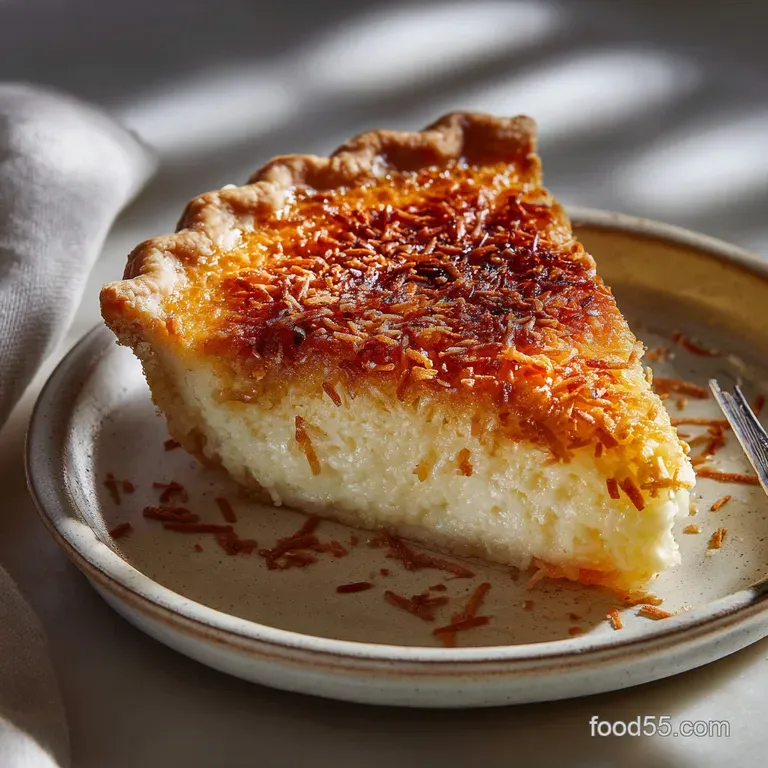
The moment this pie slides out of the oven, your whole kitchen smells like a tropical vacation combined with Sunday dinner at Grandma’s house. That incredible aroma of toasted coconut mingling with warm vanilla is truly unbeatable.
You cut into it, and the buttery crust gives a satisfying, light crunch before you hit that impossibly creamy, rich, yet light coconut custard. This is the good stuff, trust me.
I know what you're thinking: isn't pie complicated? While a perfect custard can be tricky, this specific coconut pie recipe is surprisingly fast to throw together once you have the crust ready.
It relies on super basic ingredients eggs, sugar, milk, and coconut making it an affordable showstopper for any gathering. It’s my go-to when I want a dessert that feels luxurious without spending four hours stirring a stovetop pudding.
Forget the wobbly, often gelatin heavy versions you find at the grocery store. We are diving into a classic baked coconut custard pie today, the kind that sets up beautifully and melts in your mouth.
This foolproof method guarantees a perfect texture every single time, provided you follow my critical tips on temperature and timing. Let’s crack on and get baking!
Mastering the Science: Why This Coconut Custard Pie Sets Perfectly
Getting a baked custard pie right means understanding how eggs and heat interact. This isn't just baking; it's a bit of kitchen magic. The key difference in my recipe is the precise ratio of eggs to liquid, ensuring the custard sets firmly but remains tender, never rubbery.
We also use melted butter inside the filling, which adds incredible richness and a slight protective barrier, resulting in that delightfully dense, almost fudgy texture unique to traditional Southern pies.
If you've been searching for an easy coconut pie recipe that actually works without turning grainy, this is it. It truly makes a huge difference.
The Difference Between Custard Pie and Cream Pie
This is important because they behave totally differently! A Cream Pie (like a chocolate pudding pie or a lemon meringue pie) usually involves a cooked stovetop filling stabilized with cornstarch or flour, which is then poured into an already baked crust and chilled.
A Custard Pie , which is what this baked coconut pie is, mixes raw eggs with liquid and sugar, pours it into the shell, and bakes the whole thing together. The eggs set the structure, giving it a much deeper, caramelized flavour profile.
A True Classic: The History of Southern Coconut Chess Pie
This recipe is essentially a variation of the classic Southern Chess Pie, where the name either came from the regional pronunciation of "cheese" (it has no cheese, don't worry!) or simply because it’s "chest" pie, as in "it’s just pie." Historically, these pies were a brilliant way to use up staple ingredients eggs, sugar, and milk when fruit wasn't available.
Adding the coconut transforms the pie into a tropical delight while keeping the easy, buttery chess foundation. It's a true piece of American culinary history.
Equipment Check: Essential Tools for Pie Perfection
You don't need a lot of fancy gear to make this pie, but a few things are critical. A 9 inch metal pie plate is always better than glass for even heat distribution. You absolutely must have pie weights or dried beans for blind baking the crust; skipping this step guarantees a soggy bottom.
Finally, a good whisk makes quick work of incorporating the eggs without over aerating the filling.
The Magic of the Buttermilk Crust: Preventing a Soggy Bottom
While the recipe calls for a standard flaky crust (made easy with ice water), adding a tablespoon of buttermilk to the dough instead of just water provides a subtle tang that complements the coconut beautifully. Buttermilk also tenderizes the dough slightly.
The real secret to avoiding the dreaded soggy bottom, however, is blind baking. We bake the crust halfway before the filling even touches it, creating a waterproof barrier.
Balancing Sweetness and Tropical Flavour Intensity
Coconut pie is often ruined by too much sugar. We want richness, not tooth aching sweetness. This specific coconut pie recipe is calibrated to let the natural flavour of the toasted coconut shine through. Using sweetened coconut already introduces sugar, so we keep the custard sugar amount manageable.
If you opt for unsweetened coconut, you will need to tweak the sugar ratio upwards slightly to balance the flavour.
Achieving the Ideal Custard Texture (Avoiding Scramble)
This is where people get scared, but it’s actually easy. The key is gentle, consistent heat. We bake this pie at a moderate temperature (350°F / 175°C), allowing the eggs to set slowly. If the temperature is too high, the egg proteins seize up fast, resulting in a grainy, watery mess nobody wants scrambled eggs in their dessert. We are looking for a gentle jiggle, not a set concrete disk. If you love a silky smooth dessert, you might also adore the deep, smooth texture of my Chocolate Pie Recipe: The Ultimate Silky Dark Custard Dessert which uses a similar careful baking method.
Building Blocks: Essential Ingredients for the Perfect Coconut Pie
Simple recipes demand great ingredients. There's nowhere to hide if you use stale flour or cheap vanilla extract. Spend a little extra on the butter and vanilla here; it’s worth every penny.
The Right Coconut: Shredded, Sweetened, or Fresh?
Most classic coconut pie recipes, including this one, call for sweetened, flaked coconut. Why? Because it stays moist and provides that signature chewy texture.
If you are using unsweetened coconut, make sure you increase the milk by about 1 2 tablespoons and add 3 tablespoons more sugar to the filling to replace that lost moisture and sweetness.
Dairy Decisions: Best Milk/Cream Ratio for the Filling
I prefer using whole milk because it provides enough fat for richness without making the pie feel heavy. A great pro-tip: If you have evaporated milk in the pantry, swap the whole milk for it.
The evaporated milk is concentrated and offers superior richness and creaminess, ensuring the custard sets like a dream. You could also substitute canned full fat coconut milk for an even more intense tropical flavour hit.
Crust Component Deep Dive: Using Cold Butter for Flake
You’ve heard it a million times, but it bears repeating: cold butter is non-negotiable for a flaky crust. Those tiny, cold pieces of fat melt in the oven, creating steam pockets that lift the layers of dough.
I even cube my butter and toss it in the freezer for 10 minutes before blending it into the flour. If you get tempted to use liquid fat, stop yourself! You’ll end up with a mealy crust.
Chef’s Note: If you want an even easier pie base but still crave that buttery crust, try swapping the butter for a blend of cold shortening and butter. Shortening ensures maximum flake but lacks flavour, which the butter quickly fixes.
Vegan or dairy-free Adjustments for the Custard Base
Making a vegan baked custard pie is tricky because eggs are the core structure. You can achieve a creamy result using full fat coconut cream and a stabilizer like agar agar or cornstarch, but the texture will be closer to a thick pudding than a true baked custard. For the crust, simply use a plant based butter stick that contains high fat content. If you're looking for an amazing, naturally light, and dairy-free pie option, sometimes it's best to pivot to a recipe like my NoBake Peanut Butter Pie: Easy, Fluffy Cream Cheese Dessert .
| Ingredient | Viable Substitute | Notes |
|---|---|---|
| Whole Milk | Evaporated Milk or Full Fat Canned Coconut Milk | Excellent creaminess boost. |
| All-Purpose Flour | gluten-free Blend (with Xanthan Gum) | May affect crust texture slightly. |
| Butter (Crust) | Cold Shortening (Crisco) | Best substitute for maximum flakiness. |
| Granulated Sugar | Stevia or Monk Fruit Blend | Adjust liquid slightly; texture might change. |
The Method: How to Make the Ultimate Baked Coconut Pie
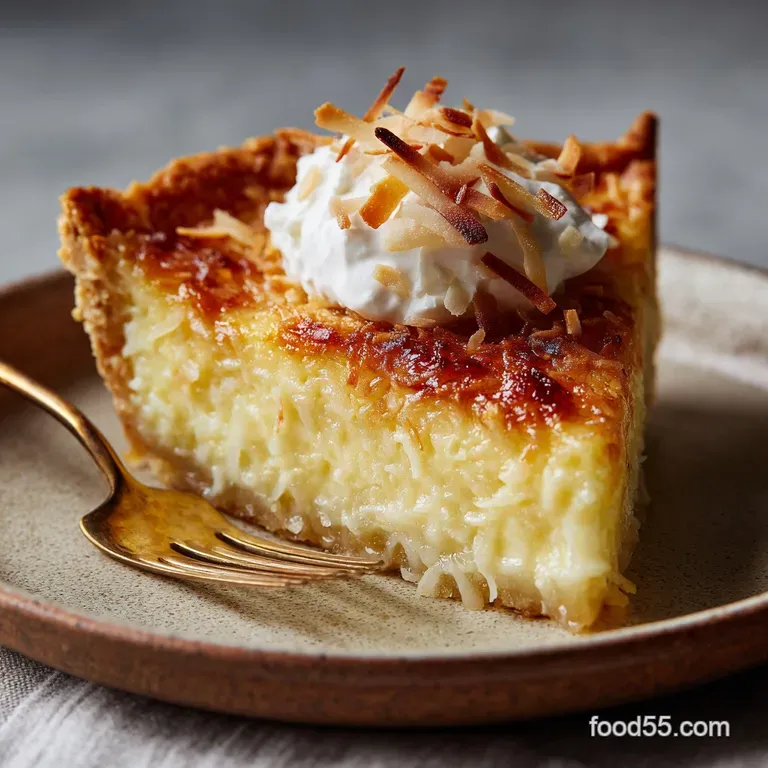
Let’s focus on the stages. Baking is just chemistry, and following the steps in the right order ensures success. I once skipped the chilling step on the dough and ended up with a crust that completely shrank up the sides of the pan don't be me!
Prep Phase: Blind Baking the Buttermilk Pastry Shell
First, make and chill that dough. Once rolled out and fitted into the pie plate, make sure you trim the edges nicely and give them a good crimp. Now, for the critical step: docking. Prick the bottom all over with a fork!
Line it with parchment, fill it heavy with weights, and bake it until the base looks dry and slightly matte. This pre-baking step is absolutely essential for avoiding a mushy bottom.
Assembling the Rich Coconut Custard Filling
While the crust is partially cooling, whisk your eggs and sugar together thoroughly in a large bowl. You want it smooth, but don’t beat it aggressively like meringue; we don't want excess air. Whisk in the melted butter, milk, and vanilla.
Make sure the melted butter is slightly cooled so it doesn’t accidentally start cooking the eggs. Finally, stir in the coconut, making sure it’s distributed evenly throughout the liquid.
The Critical Baking Stage: Heat and Timing Calibration
Pour the filling into the partially baked crust. Place the pie gently into the 350°F oven. After about 30 minutes, you should start checking it. If the crust edges are getting dark, cover them loosely with foil (I call this a "foil ring").
The pie is done when the edges look completely set and slightly puffed, but the very center still has a slight, soft tremble. This usually takes between 40 and 45 minutes for me.
Expert Troubleshooting: Common Coconut Pie Baking Issues Solved
Checking for Doneness: The Jiggle Test Explained
This is the most important test! The centre of the pie, about the size of a quarter or a small golf ball, should still wobble when you gently shake the pie dish. Why? Because the residual heat (carryover cooking) will finish setting that last bit of custard as it cools on the rack.
If you wait until the centre is completely firm in the oven, it will be overbaked and grainy by the time it reaches your plate.
Preventing Surface Browning (The Foil Ring Technique)
If your crust edges start looking too dark about halfway through the bake, simply tear a piece of aluminium foil into a long strip and loosely shape it into a ring. Gently place this ring over the crimped crust edges, shielding them from the direct heat.
This allows the custard to finish baking without burning the pastry.
Why Your Custard Split (And How to Fix It Next Time)
A split or watery custard is usually caused by two things: too high a heat or overbaking. High heat causes the egg proteins to contract too quickly, squeezing out the liquid. If the centre is cracked, it was baked too long.
Next time, drop the oven temperature by 25 degrees or pull the pie 5 minutes earlier. Remember the jiggle test!
Practical Guide: Storing and Preparing Coconut Pie Ahead of Time
Shelf Life: Refrigerating Leftover Coconut Pie
Because this is an egg-based custard pie, it must be stored in the refrigerator. Once completely cooled (which should take about 3 hours), cover the pie loosely with plastic wrap or aluminum foil. It keeps beautifully in the fridge for 3 to 4 days.
I often find the flavors deepen nicely the day after baking.
Freezing Unbaked vs. Baked Pie Safely
Baked Pie: You can freeze a completely cooled baked coconut pie, though the custard texture might become slightly mealy upon thawing. Wrap it very tightly in cling film, then foil. It keeps for up to 3 months. Thaw overnight in the refrigerator.
Unbaked Pie: Do not freeze the pie once the filling is added. The custard components (especially the eggs and milk) separate and crystallize when frozen raw, resulting in a watery, gritty mess when baked.
Reheating and Serving Chilled
Coconut pie is traditionally served chilled or at room temperature. If you prefer it slightly warm, place a slice on a microwave safe plate and heat for about 15 20 seconds. Do not try to reheat the whole pie in the oven, or you risk drying out the custard.
Finishing Touches: What to Serve Alongside Your Coconut Pie
This baked coconut pie is so rich and flavourful it honestly doesn't need much. But who am I to stop you from going overboard?
If you are serving this for a holiday gathering, think about options that contrast the texture. While you might pair it with something decadent, like my Thanksgiving Desserts NonPie: Bourbon Sticky Toffee Pumpkin Pudding for a huge feast, for the coconut pie itself, simple is best.
- Whipped Cream: Always the winner. Use freshly whipped heavy cream, sweetened with just a touch of vanilla and powdered sugar.
- Fresh Berries: Strawberries or raspberries cut through the richness with a beautiful tartness.
- Coffee: A strong espresso or dark roast coffee is the perfect bitter counterpoint to the sweet, creamy filling.

Recipe FAQs
Why did my coconut pie filling not set fully after cooling?
Custard pies must reach an internal temperature of about 175°F (80°C) to fully set and achieve the proper structure. If the pie is too jiggly after cooling, it was likely underbaked; return it to the oven for 5-10 minutes, checking until only the very center has a slight, noticeable wobble.
Ensure you let the pie cool completely at room temperature for at least 3 hours before chilling and serving.
How do I prevent a soggy bottom crust when making a baked custard pie?
A soggy bottom is often caused by the wet filling soaking into the raw dough before the crust can cook. The best defense is to par-bake (blind bake) your pie crust for 15 minutes before adding the filling.
Alternatively, brush the partially baked crust with a thin layer of egg white wash before adding the custard; this creates a moisture barrier.
My coconut topping is browning too quickly. What should I do?
If the surface is browning before the center is set, cover the edges and the top lightly with aluminum foil. You can create a foil ring just for the crust, or loosely place a large sheet of foil over the entire pie for the last 15-20 minutes of baking time.
This slows surface heat absorption while allowing the custard to continue baking.
Can I use fresh or frozen coconut instead of dried, shredded coconut?
Yes, you can use fresh coconut, but you must reduce the amount of liquid in the recipe slightly since fresh coconut contains more natural moisture than the dried variety. If using frozen coconut, thaw it fully and gently pat it dry before mixing it into the custard base.
Note that fresh coconut may slightly alter the final texture and density of the baked pie.
Is it possible to make this Coconut Pie vegan or dairy-free?
While traditional custard relies on eggs for structure, a decent vegan version can be achieved using full fat coconut milk and a cornstarch or agar agar thickening slurry instead of eggs. For the dairy milk, substitute a rich, full fat plant milk like oat or cashew milk.
Be prepared to adjust the thickening agent and sugar slightly to achieve the right texture.
Why is my pie filling dense and rubbery instead of light and creamy?
A rubbery texture usually means the proteins in the eggs have tightened up and curdled due to overbaking or excessive heat. Ensure your oven temperature is accurate and that you remove the pie when the center still has a slight, noticeable wobble.
Overmixing the filling can also incorporate too much air, which can lead to a denser texture once baked.
How long can I store leftover Coconut Pie, and should I freeze it?
Because this pie contains dairy and eggs, it must be stored tightly covered in the refrigerator after it has cooled completely. Leftovers will keep well for 3 to 4 days, but the crust may begin to soften after day two.
Freezing is generally not recommended as the custard base tends to separate and weep when thawed, resulting in a grainy texture.
Classic Baked Coconut Custard Pie
Ingredients:
Instructions:
Nutrition Facts:
| Calories | 779 kcal |
|---|---|
| Protein | 12.1 g |
| Fat | 43.7 g |
| Carbs | 87.9 g |
