Cream Cheese Pound Cake Recipe
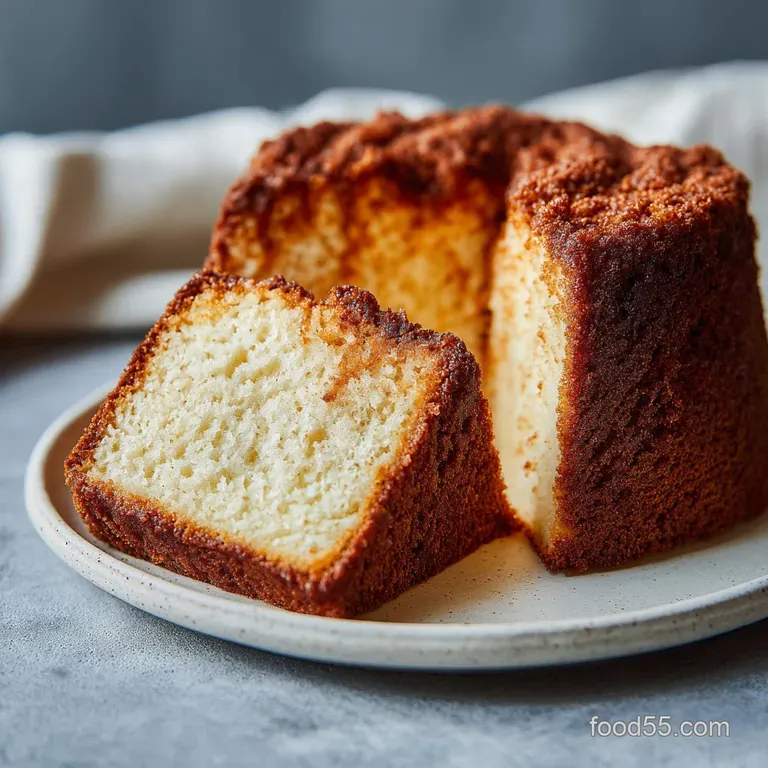
- Time: Active 20 minutes, Passive 1 hours 15 mins, Total 1 hours 35 mins
- Flavor/Texture Hook: Velvety, butter forward crumb with a delicate, sugary shatter crust
- Perfect for: Family gatherings, holiday gifting, or a weekend brunch centerpiece
- The Physics of Achieving a Velvet Crumb Texture
- Planning Your Perfect Bake with Precision Checkpoints
- Understanding the Elements of a Superior Pound Cake Recipe
- Sourcing Premium Elements for a Sophisticated Homemade Pound Cake
- Equipping Your Kitchen for Professional Results Every Single Time
- Masterful Techniques for Achieving a Dense and Velvety Crumb
- Navigating Potential Baking Obstacles with Expert Solutions
- Scaling Your Signature Sweet Treat for Any Crowd
- Creative Variations to Personalize Your Signature Sweet Treat
- Maintaining the Perfect Texture Through Proper Storage Methods
- Debunking Traditional Baking Misconceptions
- Elegant Accompaniments to Complete Your Shared Dessert Table
- Recipe FAQs
- 📝 Recipe Card
The Physics of Achieving a Velvet Crumb Texture
Creating a legendary cake isn't just about following steps; it's about managing the invisible forces in your mixing bowl. Understanding these simple principles ensures you never end up with a "doorstop" again.
- Mechanical Aeration: When we cream the butter and sugar for a full five minutes, the sugar crystals act like tiny knives, carving millions of microscopic air pockets into the fat. These pockets expand in the oven heat, providing the only lift this cake needs without chemical leaveners.
- The Emulsion Bridge: Eggs contain lecithin, a natural emulsifier that forces the watery whites and fatty butter to play nice. If your eggs are cold, the fat seizes, the emulsion breaks, and you get a greasy, heavy crumb instead of a silky one.
- Starch Gelatinization Control: By using cake flour, we limit gluten development. The low protein content ensures that as the starches absorb moisture and "set" in the heat, the structure remains tender and easy to bite through rather than rubbery.
Planning Your Perfect Bake with Precision Checkpoints
Before you even crack an egg, you need a roadmap. This table helps you decide which vessel will deliver the specific texture you’re craving today. Whether you want a tall, proud Bundt or a classic loaf for slicing, the timing is the key to success.
| Pan Selection | Cook Time | Visual Cue | Internal Doneness |
|---|---|---|---|
| Standard 10 Cup Bundt | 70-75 minutes | Deep mahogany, edges pulling away | 210°F (99°C) |
| Two 9x5 Loaf Pans | 55-60 minutes | Golden split down the center | 210°F (99°C) |
| 12 Mini Bundt Cakes | 25-30 minutes | Springs back when lightly pressed | 205°F (96°C) |
Right then, let's talk about the difference between doing it right and taking the easy way out. While a box mix might save you ten minutes, it will never capture the soulful, rich depth of a scratch made cake.
The "shortcut" versions often rely on artificial flavorings and oil, which leaves the cake feeling thin on the tongue.
| Feature | Fresh From Scratch | Box Mix Shortcut |
|---|---|---|
| Crumb Texture | Tight, velvety, and substantial | Airy, crumbly, and often dry |
| Flavor Profile | Deep cultured butter and vanilla | Sweetness forward, artificial notes |
| Shelf Life | Improves over 24 hours | Stales quickly after 12 hours |
Understanding the Elements of a Superior Pound Cake Recipe
Every ingredient in this pound cake recipe has a job to do. We aren't just adding things for bulk; we are building a structural masterpiece. The cream cheese, for instance, provides a slight tang that cuts through the sugar while adding a creamy weight that butter alone can't achieve.
| Component | Science Role | Pro Secret |
|---|---|---|
| Unsalted Butter | Flavor and aeration base | Use "European style" for higher fat content |
| Cream Cheese | Moisture retention and acidity | Must be the brick variety, never the tub |
| Cake Flour | Structural framework | Sift three times to incorporate air |
Sourcing Premium Elements for a Sophisticated Homemade Pound Cake
Don't even bother with low-fat substitutes here. This recipe is an indulgence, and the quality of your ingredients will be echoed in the final flavor. I once tried using margarine because I ran out of butter honestly, it was a disaster I wouldn't wish on anyone.
- 340g Unsalted Butter: Softened to 18°C (65°F). Why this? At this temperature, butter is plastic enough to hold air bubbles.
- 226g Full Fat Cream Cheese: Room temperature. Why this? Adds a rich, tangy moisture that keeps the cake fresh for days.
- 600g Granulated White Sugar: Extra fine if you can find it.
- 6 Large Eggs: Room temperature is non negotiable.
- 375g Cake Flour: Sifted before measuring. Why this? If you're out, you can use this Homemade Cake Flour recipe to get that same light texture.
- 0.5 tsp Fine Sea Salt: To balance the intense sweetness.
- 1 tbsp Vanilla Bean Paste: Or high-quality extract.
Equipping Your Kitchen for Professional Results Every Single Time
You don't need a professional bakery, but a few specific tools make the difference between a "good" cake and a "how did you make this?" cake. A heavy duty stand mixer, such as a KitchenAid, is your best friend here because creaming by hand for five minutes is a workout none of us actually want.
Chef's Tip: Use a light colored metal pan. Dark pans absorb too much heat and will turn your crust bitter and burnt before the middle is even close to being done.
Make sure you have a fine mesh sifter ready. Sifting the flour isn't just about removing lumps; it's about separating the tiny particles so they hydrate instantly when they hit the wet ingredients. This prevents over mixing later on.
Masterful Techniques for Achieving a Dense and Velvety Crumb
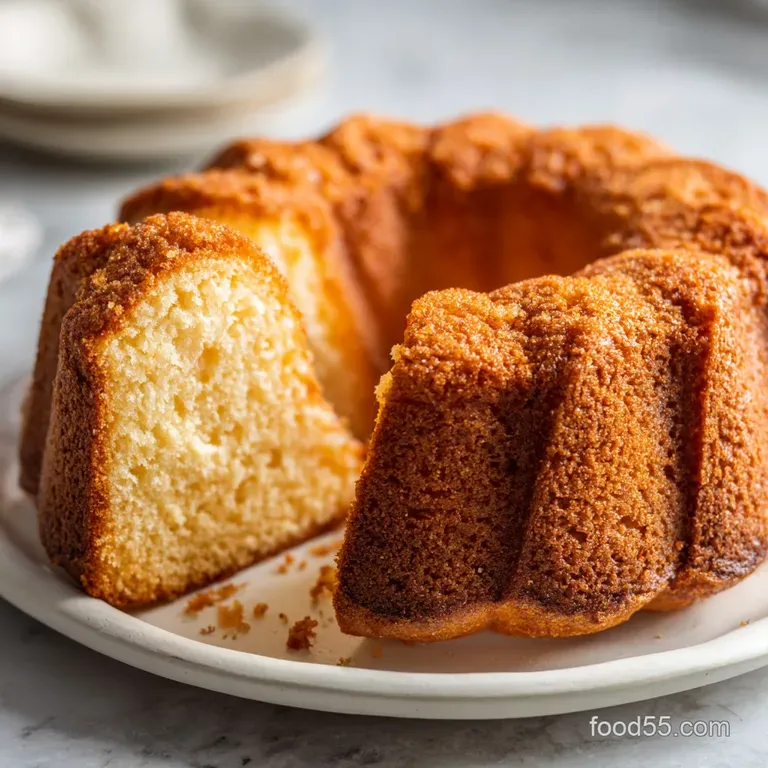
- Prep the pan. Grease your Bundt pan with softened butter, reaching every nook and cranny, then dust with flour. Note: This creates a physical barrier so the sugar doesn't glue the cake to the metal.
- Cream the fats. Beat the 340g butter and 226g cream cheese for 2 minutes until smooth.
- Incorporate the sugar. Gradually add 600g sugar and beat on medium high for 5 full minutes until the mixture looks like pale, fluffy whipped cream.
- Emulsify the eggs. Add eggs one at a time, beating for 30 seconds after each. Note: This ensures the fat doesn't saturate too quickly and "break" the batter.
- Flavor infusion. Mix in the vanilla bean paste and salt until fragrant.
- Fold the flour. Turn the mixer to the lowest setting and add 375g cake flour in three parts. Stop as soon as the last white streak disappears.
- Final scrape. Use a silicone spatula to fold the batter by hand a few times to catch any unmixed bits at the bottom.
- The slow bake. Pour into the pan and bake at 180°C (350°F) for 75 minutes until a skewer comes out with just a few moist crumbs.
- The cooling rest. Let the cake sit in the pan for exactly 10 minutes. Wait for the edges to slightly contract from the sides.
- The flip. Invert onto a wire rack and let cool completely before slicing.
Navigating Potential Baking Obstacles with Expert Solutions
Even the most seasoned home cooks run into trouble sometimes. Most pound cake issues stem from temperature either of the ingredients or the oven itself. If your cake looks like a volcano, your oven is likely too hot, forcing the outside to set while the inside is still trying to expand.
To Avoid the Gummy Streak
That dense, wet line at the bottom of your cake is usually caused by under creaming the butter or using cold eggs. If the air pockets aren't strong enough, they collapse under the weight of the flour during the bake.
Ensure your butter is 18°C (65°F) and your eggs are room temp to keep that structure lofty.
To Prevent a Stuck Cake
There is nothing more heartbreaking than a cake that leaves half its soul in the pan. Avoid using "cooking sprays" with flour added; they often create a sticky buildup. Stick to the old school method: a thick layer of softened butter followed by a generous dusting of flour, tapping out the excess.
| Problem | Root Cause | Solution |
|---|---|---|
| Dense, heavy cake | Under creaming sugar/butter | Beat for the full 5 minutes until pale and fluffy |
| Sunken middle | Opening oven door too early | Don't peek until at least 60 minutes have passed |
| Dark, bitter crust | Oven temperature too high | Calibrate oven or lower temp by 10°C (15°F) |
Common Mistakes Checklist:
- ✓ Sift the cake flour at least twice to ensure a delicate crumb.
- ✓ Never over beat once the flour is added; this develops tough gluten.
- ✓ Use a thermometer to check your oven's actual temperature.
- ✓ Let the cake cool completely slicing warm pound cake ruins the texture.
- ✓ Avoid "light" cream cheese; the fat content is essential for moisture.
Scaling Your Signature Sweet Treat for Any Crowd
Adjusting a pound cake recipe is a bit of a balancing act because the ratios are so specific. If you want to scale down, use two 8x4 loaf pans and start checking for doneness at 45 minutes.
For a single loaf, halve all ingredients and use a 9x5 pan, but be careful with the eggs if the math calls for 2.5 eggs, whisk three together and measure out half by weight.
If you're looking for a different flavor profile entirely, you might enjoy my Classic German Chocolate recipe, which uses a different fat to sugar ratio to accommodate the cocoa. When scaling up for a massive party, it is always better to bake two separate cakes rather than one giant one; the heat struggle to reach the center of a double sized batter often leads to burnt edges and a raw core.
If you want a specific outcome, try these tweaks: If you want a crunchier crust, sprinkle a tablespoon of coarse sanding sugar into the greased pan before adding batter.
If you want a lighter texture, substitute 50g of the flour with cornstarch to further lower the protein content. If you want a richer flavor, use half vanilla bean paste and half almond extract.
Creative Variations to Personalize Your Signature Sweet Treat
For a Bright Citrus Twist
Add the zest of three large lemons and two tablespoons of fresh juice to the sugar during the creaming stage. The friction of the sugar crystals will release the essential oils from the zest, perfuming the entire cake with a bright, sunny aroma that contrasts beautifully with the rich butter.
For a Decadent Marble Effect
Take one third of the finished batter and gently fold in 30g of high-quality cocoa powder and a tablespoon of warm milk. Drop spoonfuls of the chocolate batter into the plain batter and swirl with a knife. It creates a stunning visual that makes this simple cake look like something from a high end patisserie.
Maintaining the Perfect Texture Through Proper Storage Methods
Pound cake is one of those rare beauties that actually tastes better the second day. As it sits, the moisture redistributes and the flavors deepen. Store it in an airtight container at room temperature for up to 4 days. Whatever you do, don't put it in the fridge!
The cold air will crystallize the starches and turn your velvety cake into a dry, crumbly mess.
For long term storage, this cake freezes like a dream. Wrap individual slices tightly in plastic wrap, then place them in a freezer bag. They will stay fresh for up to 3 months. When the craving hits, just let a slice thaw on the counter for 20 minutes.
It will taste just as fresh as the day it was baked.
Zero Waste Tip: If you happen to have any leftover scraps or a cake that got a bit too dry, don't toss them! Cut them into cubes, toast them lightly in the oven, and use them as "cake croutons" for a fruit parfait or a base for a decadent bread pudding.
Debunking Traditional Baking Misconceptions
One major myth is that you must use "room temperature" butter, which many people interpret as "mushy." If your butter is too soft (oily), it cannot hold air. True room temp for baking is actually 18°C (65°F) it should be cool to the touch but dent slightly when pressed.
Another common belief is that more leavening equals a better cake. In a traditional pound cake, we rely entirely on the air we beat into the butter. Adding baking powder can actually cause the cake to rise too fast and then collapse, creating that dreaded gummy layer.
Trust the creaming process; it’s worked for centuries for a reason.
Elegant Accompaniments to Complete Your Shared Dessert Table
This cake is the ultimate canvas for seasonal flavors. In the summer, I love serving it with a mountain of macerated strawberries and a dollop of unsweetened whipped cream. The tartness of the berries slices right through the richness of the pound cake recipe.
The High Tea Pairing
If you're hosting a small gathering, slice the cake thin and serve it alongside a pot of Earl Grey tea. The bergamot notes in the tea highlight the vanilla bean in the cake, creating a sophisticated flavor bridge. It’s a simple way to bring people together for a moment of calm in a busy day.
The Better Than Dining Out Breakfast
Hear me out: take a thick slice of day old pound cake, lightly butter both sides, and sear it in a hot skillet for 60 seconds per side. It caramelizes the sugar on the surface, creating a "French toast" style crust.
Serve it with a side of crispy bacon for that ultimate sweet and savory contrast that makes a weekend breakfast feel like a celebration.
Baking this cake is about more than just the end result; it’s about the process of creating something with your own hands to share with the people you love. Whether you’re making it for a big celebration or just a quiet Tuesday, I hope this recipe brings as much joy to your kitchen as it has to mine.
Happy baking!
Recipe FAQs
What is the secret to a good pound cake?
Temperature precision. The secret lies in ensuring your butter and eggs are perfectly room temperature (around 18°C/65°F) to allow for maximum air incorporation during creaming.
What are some common mistakes to avoid when making pound cake?
Overmixing after adding flour is the biggest pitfall. Once the flour is incorporated, mix only until just combined to prevent overdeveloping gluten, which causes a tough, rubbery texture.
What is the 1234 cake rule?
No, this rule applies to specific old-fashioned sponge cakes, not classic pound cake. The 1-2-3-4 rule typically refers to equal weights of flour, sugar, butter, and eggs, but modern pound cakes (like this recipe) use cream cheese and vary the ratios.
What's the difference between a pound cake and a Bundt cake?
They are separate concepts; one is a recipe type, the other is a pan shape. Pound cake refers to the rich, dense batter composition (historically using a pound of each main ingredient), while a Bundt cake is simply any cake batter baked in the distinctive fluted Bundt pan.
Must I use cream cheese in this recipe, or can I substitute it with sour cream?
No, you should not substitute the cream cheese directly with sour cream. Cream cheese provides structural fat and emulsification that sour cream lacks, resulting in a denser, velvety crumb structure; see how flavor complexity is achieved using acid in our Oreo Cheesecake recipe for a comparison.
How to achieve that perfect sugary shatter crust on top of the cake?
Sprinkle coarse sugar over the batter just before baking. This works best when the batter is level in the pan, as the coarse sugar crystals will slightly adhere and caramelize without dissolving completely into the batter.
Is it true that I can use cold butter if I use a food processor instead of creaming?
No, this is a common misconception. While a food processor can combine ingredients quickly, it cannot create the necessary microscopic air pockets in the fat that cold butter prevents; cold ingredients lead to a broken emulsion and a heavy final product.
Cream Cheese Pound Cake Recipe
Ingredients:
Instructions:
Nutrition Facts:
| Calories | 523 kcal |
|---|---|
| Protein | 6.0 g |
| Fat | 27.5 g |
| Carbs | 64.3 g |
| Fiber | 0.5 g |
| Sugar | 42.9 g |
| Sodium | 132 mg |
