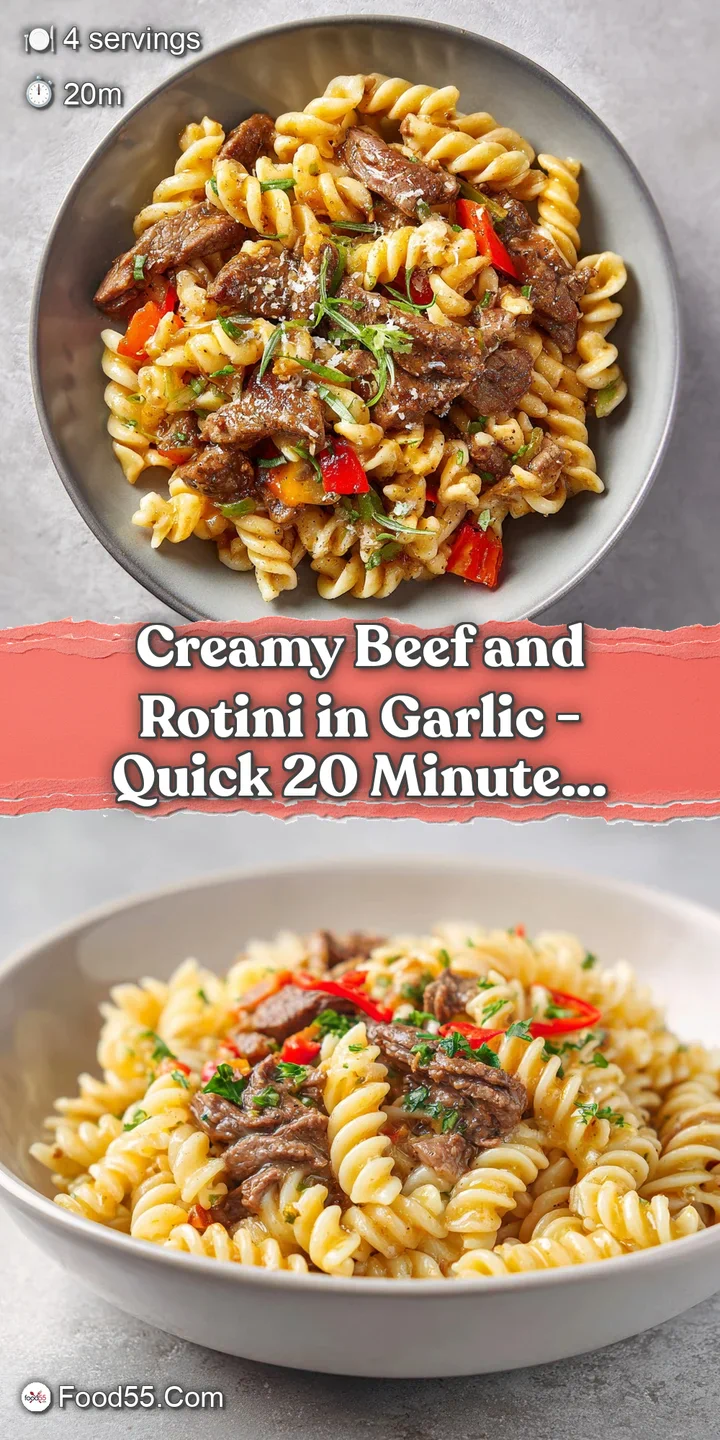
Creamy Beef and Rotini in Garlic
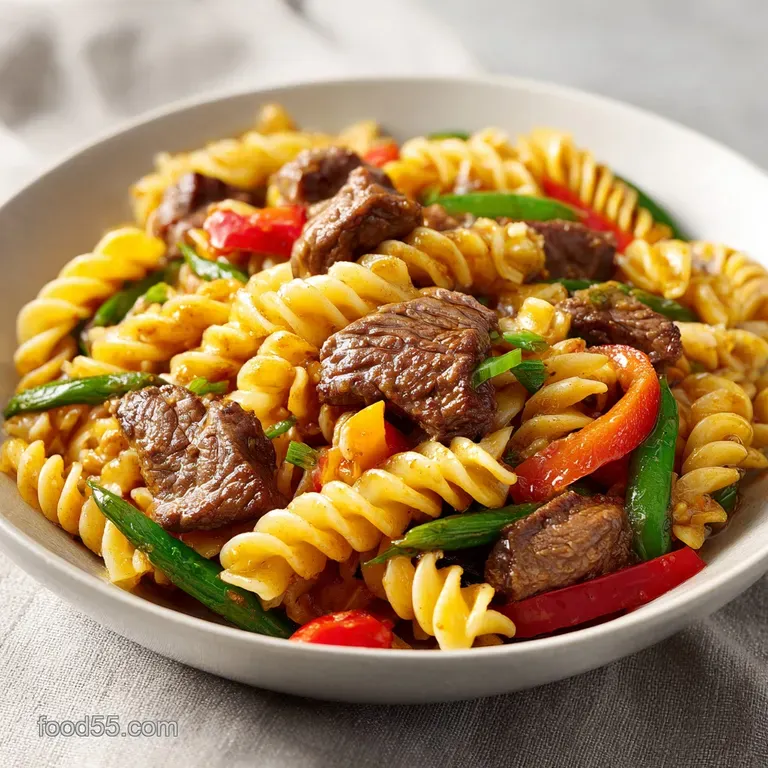
- Time: Active 5 mins, Passive 15 mins, Total 20 mins
- Flavor/Texture Hook: Velvety garlic infused cream with savory seared beef
- Perfect for: Busy weeknight dinners, beginner cooks, or cozy family gatherings
- Master the Creamy Beef and Rotini in Garlic
- The Science Behind a Velvety Emulsified Sauce
- The Component Analysis for Maximum Flavor
- Necessary Kitchen Tools for Success
- Step-By-Step Guide to Achieving the Perfect Texture
- Why This Bistro Quality Meal Beats Any Restaurant
- Identifying and Fixing Common Culinary Setbacks
- Creative Variations to Suit Your Personal Taste
- Scaling Guidelines for Different Crowds
- Debunking Common Kitchen Myths
- Storage Guidelines to Maintain Freshness and Quality
- Presentation Ideas for a Memorable Shared Meal
- Recipe FAQs
- 📝 Recipe Card
Master the Creamy Beef and Rotini in Garlic
You know that specific kitchen sound the high pitched sizzle when cold ground beef hits a screaming hot stainless steel pan? That is the sound of dinner getting interesting. I remember the first time I tried to make a version of this.
I was so impatient that I dumped the cream in before the beef had even browned properly. It was a gray, bland disaster that I ended up hiding under a mountain of hot sauce. I learned my lesson the hard way: color equals flavor, and patience is your best friend when you are building a sauce from scratch.
This Creamy Beef and Rotini in Garlic Parmesan Sauce recipe promises a satisfying and flavorful family meal. We are talking about pasta spirals that actually hold onto the sauce, beef that is deeply browned and seasoned, and a garlic punch that makes the whole house smell like a high end bistro.
It is the kind of meal that makes everyone at the table go quiet for a few minutes because they are too busy enjoying the contrast between the tender pasta and the rich, silky coating.
There is something deeply communal about a big pot of pasta. It brings people together, fostering genuine connections over shared plates. Whether you are cooking for a crowd or just trying to survive a Tuesday, this dish feels like a win.
We are leaning into those contrasts today the earthy depth of dried oregano against the bright pop of fresh parsley, and the heavy cream softened by the starchy bite of reserved pasta water. It's simple, honest cooking that works every single time.
The Science Behind a Velvety Emulsified Sauce
The Starch Bridge: Reserved pasta water contains dissolved starch that acts as a natural emulsifier, binding the fat from the heavy cream and butter to the water based liquids. This prevents the sauce from breaking or looking greasy on the plate.
Maillard Reaction Control: Searing the lean ground beef at a high temperature creates new flavor compounds through the Maillard reaction. By using 90/10 beef, we ensure there is just enough fat to carry the garlic flavor without overwhelming the delicate cream.
Casein Stability: Adding freshly grated parmesan at the very end, off the heat, allows the cheese's proteins (casein) to melt slowly. If the heat is too high, the cheese proteins clump together, resulting in a grainy texture rather than a silky finish.
| Cooking Method | Total Time | Resulting Texture | Best For |
|---|---|---|---|
| Stovetop Simmer | 20 mins | Silky, velvety, and sauce heavy | Quick weeknight meals and immediate serving |
| Oven Finished (Baked) | 35 mins | Crispy edges with a thicker, set sauce | Potlucks or when you want a melted mozzarella crust |
| Slow Cooker | 4 hours | Extremely tender beef but softer pasta | Hands off prep (add cream and pasta at the end) |
Mixing these methods depends on how much time you have. If you want that classic "bistro" feel, the stovetop method is the way to go because it keeps the cream sauce at its peak silkiness.
However, if you are feeding a crowd and want to prep ahead, transferring the mixture to a dish and topping it with extra cheese for a quick broil works wonders.
The Component Analysis for Maximum Flavor
Understanding what each ingredient brings to the pot helps you cook with intuition rather than just following a list. This dish relies on a balance of fats and aromatics to create its signature profile.
| Ingredient | Science Role | Pro Secret |
|---|---|---|
| Dried Oregano | Earthy Aromatic | Bloom it in the beef fat to release fat soluble oils for a deeper scent. |
| Freshly Grated Parmesan | Umami & Thickener | Avoid the green shaker can; the cellulose in pre shredded cheese prevents a smooth melt. |
| Heavy Cream | Fat Base & Mouthfeel | Use room temperature cream to prevent the sauce from "shocking" and curdling when hitting the hot pan. |
For the Pasta Base
- 340g dried rotini pasta: The spirals are essential for catching the beef crumbles and garlic bits.
- 2 tsp kosher salt: Used for the pasta water; this is your only chance to season the pasta from the inside out.
For the Beef and Aromatics
- 450g lean ground beef 90/10: Provides the savory foundation without excessive grease.
- 6 cloves garlic, minced: The star of the show; provides the pungent, sweet baseline.
- 1 tsp onion powder: Adds a savory "back of-the tongue" depth that fresh onions can't always provide in a quick sear.
- 0.5 tsp dried oregano: Lends an earthy, Mediterranean vibe.
- 0.25 tsp black pepper: Just enough bite to cut through the richness of the dairy.
For the Velvet Garlic Parmesan Sauce
- 240ml heavy cream: The source of the dish's luxurious, silky mouthfeel.
- 120ml reserved pasta water: The "liquid gold" that binds the whole sauce together.
- 100g freshly grated parmesan cheese: Provides salt, sharpness, and thickening power.
- 30g unsalted butter: Adds a final gloss and a rich, nutty finish to the emulsion.
- 1 tbsp fresh parsley, chopped: The essential "bright" note to contrast the heavy flavors.
If you are looking for more traditional inspirations, my Cuban Food Recipes offer a different way to handle beef that focuses on slow braised textures, which can be a fun cultural exchange for your palate.
Necessary Kitchen Tools for Success
You don't need a professional kitchen, but a few specific items make this much easier. A large, deep skillet or a Dutch oven is non negotiable here. You need enough surface area to brown the beef properly without steaming it.
I prefer a 30cm stainless steel skillet because it creates those beautiful brown bits (fond) on the bottom that dissolve into the sauce.
A microplane or a fine box grater is also your best friend for the parmesan. The finer the shred, the faster it melts. If you use thick shreds from the grocery store bags, they are coated in potato starch, which will turn your beautiful sauce into a clumpy mess.
Also, keep a glass measuring cup near the stove you'll need it to scoop out that starchy pasta water before you drain the rotini.
Chef's Tip: Freeze your block of parmesan for 10 minutes before grating. It makes the cheese firmer and prevents it from clumping or melting in your warm hands as you work.
step-by-step Guide to Achieving the Perfect Texture
1. The Al Dente Foundation
Boil the 340g of rotini in salted water. Cook for 1 minute less than the package instructions until the center still has a firm bite. Note: The pasta will finish cooking in the cream sauce later.
2. Searing for Maximum Flavor
In a large skillet over medium high heat, add the 450g of ground beef. Break it up with a wooden spoon and cook for 6 minutes until deeply browned and no pink remains.
3. Blooming the Aromatics
Lower the heat to medium. Add the 6 minced garlic cloves, onion powder, dried oregano, and black pepper. Sauté for 1 minute until the garlic is fragrant and translucent. Note: Do not let the garlic turn brown or it will taste bitter.
4. Building the Garlic Parmesan Marriage
Pour in the 240ml of heavy cream and 120ml of reserved pasta water. Simmer for 3 minutes until the liquid begins to bubble and slightly thicken.
5. The Final Toss
Turn the heat to low. Stir in the 30g of butter and 100g of grated parmesan. Stir constantly until the cheese is fully melted and the sauce is velvety.
6. Combining the Elements
Add the cooked rotini to the skillet. Toss for 2 minutes until every spiral is coated in the glossy sauce.
7. The Finishing Touch
Turn off the heat entirely. Sprinkle the fresh parsley over the top. Let it sit for 60 seconds to allow the sauce to tighten up slightly before serving.
Why This Bistro Quality Meal Beats Any Restaurant
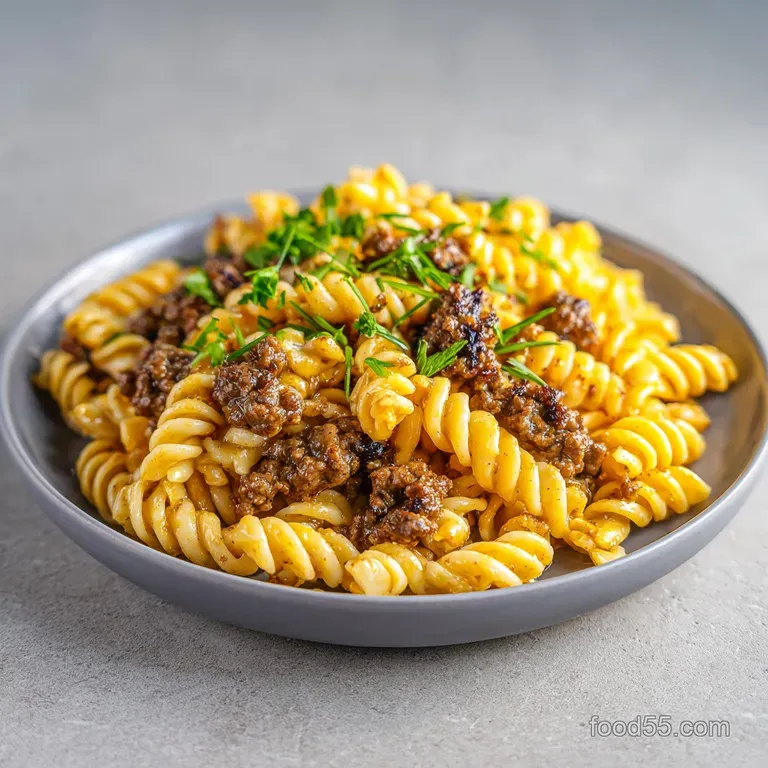
Have you ever noticed that restaurant pasta often tastes better because it feels "tighter"? It is because they don't just pour sauce over noodles; they finish the pasta in the sauce. This allows the rotini to absorb the garlic and cream, making the dish cohesive.
At home, we often make the mistake of keeping them separate, but the marriage of starch and fat in the pan is where the magic happens.
When you make this yourself, you control the garlic levels. Most restaurants use jarred garlic, which has a metallic aftertaste. By using six fresh cloves, you are getting that sweet, mellow heat that only fresh aromatics can provide. It's a luxury that costs you pennies but changes the entire experience.
| Original Ingredient | Substitute | Why It Works |
|---|---|---|
| Heavy Cream | Full fat Coconut Milk | Similar fat content. Note: Adds a slight nutty flavor. |
| Ground Beef | Ground Turkey | Leaner option. Note: Needs an extra teaspoon of oil for searing. |
| Rotini | Penne or Fusilli | Similar ridges. Works well for catching thick sauces. |
| Parmesan | Pecorino Romano | Hard sheep's cheese. Note: Much saltier, so reduce added salt. |
If you want to try a different spin on ground meat and carbs, my Hearty Ground Turkey recipe uses potatoes for a similar "one pot" comfort feel that is just as satisfying on a cold evening.
Identifying and Fixing Common Culinary Setbacks
Why Your Sauce Is Broken or Greasy
If you see beads of oil separating from the cream, your heat was likely too high when you added the cheese. High heat causes the proteins to tighten and squeeze out the fat. To fix this, add a splash of warm pasta water and whisk vigorously off the heat. The starch will help pull the emulsion back together.
Why Your Pasta Is Mushy
Overcooking the rotini in the initial boiling stage is the main culprit. Because the pasta continues to cook while being tossed in the hot cream sauce, it needs to be slightly underdone when it leaves the water.
If it’s already too soft, skip the "final toss" step and just fold the pasta in at the very last second.
| Problem | Root Cause | Solution |
|---|---|---|
| Sauce is too thin | Not enough reduction time | Simmer for 2 extra minutes before adding pasta. |
| Bland flavor | Lack of salt in pasta water | Add a pinch of salt and an extra squeeze of lemon juice. |
| Clumpy cheese | Pre shredded cheese used | Whisk in a tablespoon of hot water to break up clumps. |
Common Mistakes Checklist: ✓ Pat the beef dry with a paper towel before browning to ensure a hard sear rather than steaming. ✓ Never rinse your pasta after draining; you need that surface starch for the sauce to stick.
✓ Use a heavy bottomed pan to prevent the cream from scorching on the edges. ✓ Add the parmesan in small handfuls rather than all at once to ensure even melting. ✓ Always reserve your pasta water before you head to the sink to drain the pot.
Creative Variations to Suit Your Personal Taste
If you want a spicy kick, adding a teaspoon of crushed red pepper flakes during the garlic sauté will change the whole mood. It cuts through the heavy cream and provides a nice warmth that lingers.
For those who want to sneak in some greens, folding in two handfuls of baby spinach at the very end works perfectly; the residual heat from the beef and pasta will wilt it in seconds.
For a veggie packed version, I love roasting some broccoli or bell peppers on the side and tossing them in. The charred edges of the vegetables contrast beautifully with the velvety sauce.
If you’re feeling extra fancy, a drizzle of truffle oil or a squeeze of fresh lemon juice right before serving can brighten the entire dish, making those heavy dairy notes feel a bit more sophisticated.
Decision Shortcut for Customizing
- If you want a crispy texture, top the finished skillet with panko breadcrumbs toasted in butter and broil for 2 minutes.
- If you want a deeper umami, add a teaspoon of Worcestershire sauce or balsamic glaze to the beef while browning.
- If you want a lighter feel, swap half the heavy cream for whole milk and add an extra tablespoon of butter.
Scaling Guidelines for Different Crowds
Downsizing (Serves 2): Cut all ingredients exactly in half. Use a smaller skillet (20-25cm) to ensure the cream doesn't evaporate too quickly. You may only need to simmer the sauce for 2 minutes instead of 3.
Upsizing (Serves 8): Double the beef, pasta, and liquids. Do not double the salt or spices immediately; start with 1.5x the amount and taste as you go. Work in two batches to brown the beef, as crowding the pan will cause the meat to boil in its own juices rather than searing.
You will likely need a large Dutch oven to hold this much volume.
Baking (Double Batch): If you are making this for a party, undercook the pasta by 3 minutes. Mix everything together, place in a 9x13 inch baking dish, top with extra cheese, and bake at 180°C for 15 minutes until bubbly.
Debunking Common Kitchen Myths
One common myth is that adding oil to your pasta water prevents the noodles from sticking. In reality, it just makes the pasta greasy, which prevents this beautiful garlic parmesan sauce from adhering to the rotini.
The only thing you need in your water is plenty of salt and an occasional stir during the first two minutes of boiling.
Another misconception is that "lean" beef doesn't need to be drained. Even 90/10 beef will release some liquid and fat. If you see more than a tablespoon of liquid in the pan after browning, spoon it out. You want the beef to fry in a tiny bit of fat, not boil in a pool of gray moisture.
This ensures the aromatics can actually "bloom" in the remaining fat.
Storage Guidelines to Maintain Freshness and Quality
Fridge Storage: This dish keeps exceptionally well in an airtight container for up to 3 days. However, the pasta will continue to absorb the sauce as it sits. When reheating, add a splash of milk or water to loosen the sauce back to its original velvety state.
Freezing: I don't generally recommend freezing cream based pasta dishes. The dairy tends to separate and become grainy when thawed and reheated. If you must freeze it, do so without the parmesan cheese and add the cheese fresh during the reheating process. It will last about 2 months in the freezer.
Zero Waste Tip: Don't toss those parsley stems! Chop them very finely and sauté them with the garlic. They hold a ton of flavor and a nice crunch that complements the beef.
Also, if you have a leftover rind of parmesan cheese, toss it into the cream while it simmers (and remove before serving) to extract every bit of savory goodness.
Presentation Ideas for a Memorable Shared Meal
When it comes to serving, presentation is all about contrast. Because the dish is mostly shades of brown and white, those flecks of green parsley are vital. Serve it in wide, shallow bowls rather than deep ones; it allows the sauce to pool slightly at the bottom, inviting everyone to grab a piece of crusty bread to swipe up the remains.
I love putting the skillet right in the center of the table. It feels more convivial and emphasizes the "shared meal" aspect of home cooking. It brings people together as they scoop out their own portions, the steam carrying that heavy garlic aroma across the room. A few extra grates of fresh parmesan and a crack of black pepper right at the table adds a touch of theater that makes a simple weeknight meal feel like a special occasion. For more cozy meal ideas, you might enjoy my Slow Cooked Corned recipe which also focuses on that hearty, communal feeling.
Recipe FAQs
Can I substitute ground turkey for the ground beef?
Yes, but adjust the fat content. Ground turkey is leaner, so add one tablespoon of olive oil to the pan before searing to prevent sticking and ensure the garlic has enough fat to bloom in.
Why is my sauce grainy instead of smooth and velvety?
The heat was too high when the cheese was added. Adding grated parmesan when the sauce is boiling causes the proteins to seize and separate from the fat, leading to graininess.
How can I make this recipe spicier without changing the core flavor profile?
Sauté one teaspoon of crushed red pepper flakes with the garlic. This allows the spice to bloom in the fat, releasing its oils and infusing the whole sauce with gentle heat.
How much starchy pasta water should I reserve?
Reserve at least 1 cup (240ml) of the pasta cooking water. This starchy liquid is crucial as it contains emulsifiers that bind the cream and fat, creating a cohesive, silky sauce.
How do I ensure the rotini pasta absorbs the sauce instead of just being coated by it?
Finish cooking the pasta directly in the sauce. After boiling the rotini for 1 minute less than recommended, transfer it immediately to the simmering sauce and toss for two minutes to allow maximum liquid absorption.
Is it true that I must use freshly grated parmesan cheese for this dish?
Yes, freshly grated cheese provides the best texture. Pre-shredded cheeses are coated in cellulose to prevent clumping, which inhibits a smooth melt required for a truly stable emulsion.
Can I skip browning the beef to save time?
No, skipping the deep brown sear results in a bland sauce. The rich flavor compounds are created by the Maillard reaction during high heat searing, a step you should never skip for maximum savory depth.
Creamy Beef Rotini Garlic
Ingredients:
Instructions:
Nutrition Facts:
| Calories | 861 kcal |
|---|---|
| Protein | 41.4 g |
| Fat | 42.8 g |
| Carbs | 67.2 g |
| Fiber | 2.8 g |
| Sugar | 3.1 g |
| Sodium | 642 mg |
