Sticky Crispy and Golden Ultimate Honey Mustard Roast Potatoes
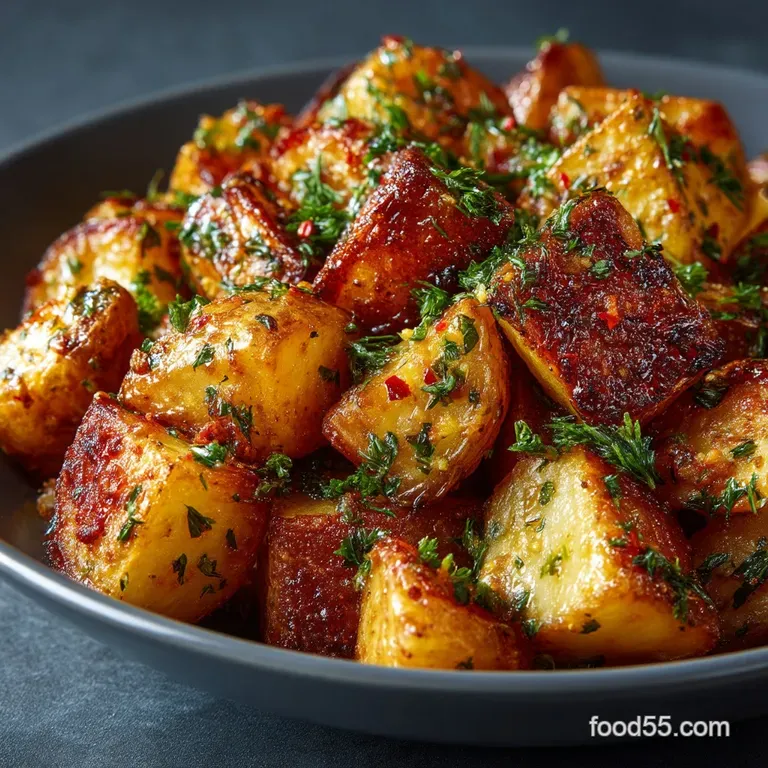
- Elevating the Humble Spud: Why These Honey Mustard Potatoes Steal the Show
- The Essential Pantry Lineup for Sticky Potatoes
- Phase One: Preparing Potatoes for Maximum Surface Area
- Creating the Glorious Honey Mustard Glaze
- Troubleshooting and Customizing Your Batch
- Chef’s Pro Tips for Crispier Results
- Recipe FAQs
- 📝 Recipe Card
Elevating the Humble Spud: Why These Honey Mustard Potatoes Steal the Show
Welcome back to the kitchen, where we transform the ordinary into the extraordinary! Today, we are tackling a supremely satisfying side dish that transcends the typical roast potato: the ultimate sticky, crispy, and intensely flavorful Honey Mustard Potatoes .
This is more than just a simple roast; it’s a masterclass in texture, delivering a crunch that rivals any chip, while the homemade glaze offers a sophisticated balance of sweet and tangy notes.
They stand proudly as fantastic Weekday Side Dishes but are truly elegant enough to be considered genuine Elegant Potatoes for a holiday table.
Mastering the Crunch: The Secret to Fluffy Edges
The difference between a good roast potato and a truly great one lies entirely in surface area. We achieve this maximum crunch through a highly specific preparation technique. By parboiling the 2.0 kg (4.4 lbs) of chopped starchy potatoes for exactly 8 to 10 minutes, we soften the core while forcing starch out onto the surface.
The subsequent, crucial step a vigorous shake in the empty pot turns that surface starch into a magnificent, fluffy, abrasive layer. This starchy sludge is precisely what crisps up spectacularly when exposed to high, searing heat, forming a shatteringly beautiful golden crust that makes this honey mustard potatoes recipe legendary.
The Perfect Balance: Sweet, Tangy, and Savory Glaze
While the crunch is the texture story, the glaze is the flavor narrative. This is not simply a squirt of store-bought sauce; it is a meticulously balanced coating. We combine 120 ml (½ cup) of clear honey for sweetness with the sharp, complex acidity of 60 ml (¼ cup) smooth Dijon mustard and 2 tbsp of Whole Grain Mustard for texture.
Crucially, a tablespoon of apple cider vinegar and finely minced garlic cuts through the richness, preventing the glaze from becoming sickly sweet. When this mixture caramelizes in the oven, it creates a sticky, savory sweet finish that pairs wonderfully, particularly if you're serving honey mustard potatoes and chicken .
The Essential Pantry Lineup for Sticky Potatoes
Achieving the perfect side dish starts with selecting the highest quality ingredients. While this is a simple recipe, precision in selection yields monumental flavor.
Choosing Your Spud: Best Varieties for Roasting
For maximum crisping potential, you must opt for high starch varieties. Maris Piper, Russet, or King Edward potatoes are ideal candidates because their mealy texture readily breaks down during the parboiling process. These starchy types are better equipped to develop that essential "roughed up" surface area.
Ensure you peel and chop all 2.0 kg (4.4 lbs) into consistently sized 4 cm (1.5 inch) chunks; consistency is paramount for even cooking.
Ingredient Deep Dive: Which Mustard Works Best?
Our glaze calls for a dual mustard approach. The 60 ml of smooth Dijon provides the foundational tang and creamy texture, acting as the perfect emulsifier for the honey and oil. The addition of 2 tablespoons of whole grain mustard is not just for flavor; those plump seeds introduce textural contrast and a deeper, more rustic mustard flavor profile.
For the initial roast, make sure you have 80 ml (5 tablespoons) of a high smoke point oil, like rapeseed or canola, seasoned simply with coarse sea salt, pepper, and optional smoked paprika for an earthy depth.
Required Kitchen Gear and Prep Tools
You will need a very large, sturdy roasting pan the single most important piece of equipment, as it must accommodate the potatoes in a single layer without overcrowding. A large saucepan for the parboiling stage, a colander for draining, and a small whisk and bowl for preparing the vibrant glaze complete the essential lineup.
Phase One: Preparing Potatoes for Maximum Surface Area
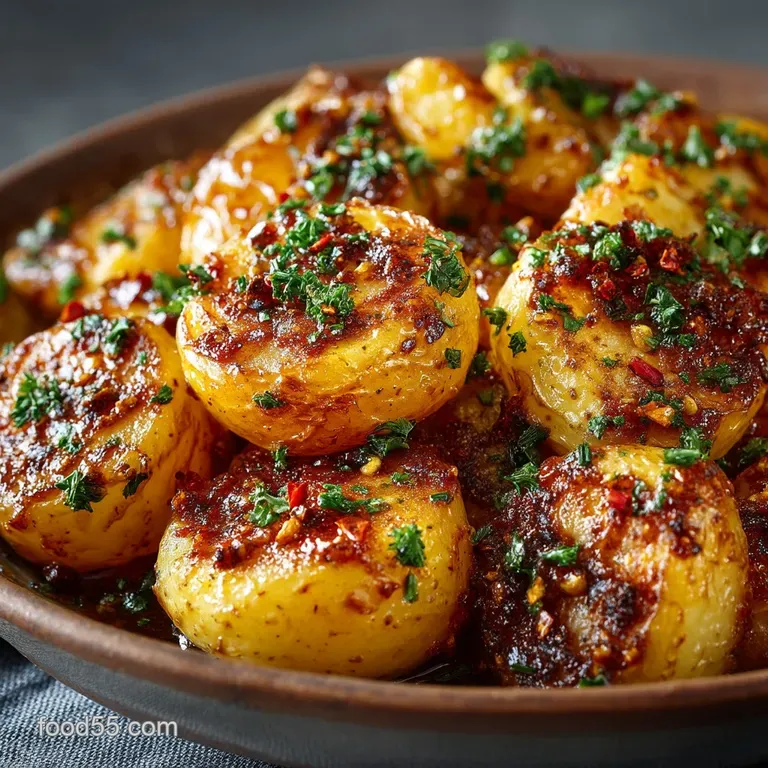
Before the potatoes even meet the glaze, we must ensure they are poised for optimal crunch. Start by preheating your oven to a searing 220° C ( 425° F).
While the oven heats, add your chosen fat whether it's the neutral oil or rich duck/goose fat directly into the roasting pan and place the pan inside the oven. This ensures the fat is scalding hot when the potatoes are added, guaranteeing an immediate sizzle and crisp start.
Related Recipes Worth Trying
- Easy Chewy NoBake Granola Bars with Peanut Butter Honey — Stop buying dry shopbought bricks These truly Easy Homemade Granola Bars are chewy sweet salty and require just 15 minutes prep The perfect NoBake Granola...
- Zesty Lime Honey Grilled Chicken with Mango Salsa — Make this foolproof Grilled Chicken with Black Bean Mango Salsaa flavourful chicken dinner perfect for summer grilling season Easy prep
- Summer Vegetables with Sausage and Potatoes Easy Traybake Recipe — Ditch the washing up This Summer Vegetables with Sausage and Potatoes traybake is a rustic flavourpacked dinner ready in an hour Perfect easy summer dinner...
Creating the Glorious Honey Mustard Glaze
The glaze is straightforward but needs to be prepared while the potatoes are roasting, ready for the final coating. In a small bowl, whisk together the measured honey, both mustards (Dijon and Whole Grain), the apple cider vinegar, finely minced garlic, and the tablespoon of extra virgin olive oil until smooth and emulsified.
Set this vibrant mixture aside; we will only introduce it once the potatoes have achieved their maximum crunch.
Pre-Boil Technique: The 10-Minute Fluff
This is the non-negotiable step for the perfect crust. Place the chopped potatoes into the saucepan with 1 tablespoon of salt and cover with 1.5 litres (6 cups) of cold water. Bring to a rapid boil and cook for exactly 8 to 10 minutes.
Once drained, return the potatoes to the empty pan, cover tightly, and gently shake the pan with authority for 30 45 seconds. This creates the critical "fluffing" action necessary for the starch crust, maximizing the potential crispness for the honey mustard potatoes oven finish.
Now, carefully add the roughed-up potatoes to the hot fat in the roasting pan, ensuring they are thoroughly coated and seasoned with the remaining salt, pepper, and paprika.
High Heat Roasting Timeline and Oven Setup
Spread the seasoned potatoes in a single, non-touching layer across the hot pan. Overcrowding will cause steam, which instantly ruins the crisping process. Return the pan to the 220° C ( 425° F) oven for the first roast phase.
After 25 minutes, flip the potatoes, and continue roasting for another 10 minutes. By the end of this 35-minute stage, the potatoes should be deeply golden and gloriously crunchy.
Timing is Everything: When to Coat the Crispy Spuds
To achieve that signature sticky, caramelized finish without burning the sugars in the honey, timing is crucial. Once the potatoes are crunchy, reduce the oven temperature to 190° C ( 375° F).
Immediately pour half of your prepared honey mustard glaze over the piping hot potatoes. Toss quickly and thoroughly to coat every piece evenly. Return the tray to the reduced temperature oven for the final 5 to 7 minutes .
This short blast allows the glaze to bubble, thicken, and form a beautiful sticky shell.
Troubleshooting and Customizing Your Batch
If you find that your potatoes are not reaching optimal crispness, the primary culprit is usually insufficient heat or overcrowding. Always use the specified high smoke point oil and ensure the oven is fully preheated to 220° C ( 425° F) before the potatoes go in.
If you are looking for excellent Vegetable Side Dishes Vegan , simply substitute the honey in the glaze with an equal measure of pure maple syrup; this maintains the sweetness and viscosity perfectly.
Chef’s Pro Tips for Crispier Results
For professional level crispness, always remember these three key steps: ensure your fat is sizzling hot when the potatoes are added; never, ever crowd the pan; and don't skip the parboil and-shake technique it is the single greatest determinant of successful crunch.
For an extra sticky result, once the potatoes are out of the oven, toss them immediately with the remaining half of the reserved glaze and garnish immediately with chopped fresh parsley or chives.
Spice Rack Swaps: Flavor Variations Beyond Dijon
While the classic Dijon and whole grain blend is superb, feel free to personalize your batch. For those who crave heat, stir 1 tsp of Sriracha or ½ tsp of cayenne pepper directly into the glaze mixture to create spicy mustard potatoes the heat works beautifully against the honey’s sweetness.
Alternatively, for a deeper, more earthy flavor profile often desired in Autumn Potato Recipes , add three sprigs of fresh rosemary and two crushed cloves of garlic to the pan during the initial high heat roast.
Handling Leftovers: Storage and Reheating Honey Mustard Potatoes
Any leftover sticky potatoes should be cooled completely and stored in an airtight container in the refrigerator, where they will keep well for 3 to 4 days. While the microwave will warm them, it will ruin the texture.
The best method for reheating and regaining that satisfying crunch is using the oven or a compact appliance. To revitalize them, spread the leftover potatoes on a baking sheet and bake at 180° C ( 350° F) for 10– 15 minutes, or use the honey mustard potatoes air fryer setting at 190° C ( 375° F) for 5– 8 minutes until piping hot and crispy again.
The Nutritional Breakdown (Per Serving Estimate)
Based on the yield of six generous side dish servings, these flavorful potatoes offer substantial energy. Each serving is estimated to contain approximately 340-360 kcal. The carbohydrates clock in around 48 g, including about 18 g of sugar, primarily derived from the natural honey content.
They also contribute roughly 15 g of total fat and 5 g of dietary fiber per serving.
Dealing with Sticking: Avoiding a Glaze Meltdown
If your potatoes stick horribly to the pan after glazing, you likely glazed them too early or roasted them too high once the glaze was applied. Honey is essentially pure sugar and burns rapidly.
By reducing the oven temperature to 190° C ( 375° F) for the final stage, and only coating them once they are fully crunchy, you ensure the glaze caramelizes into a sticky coating rather than scorching and gluing the potatoes permanently to the metal.
Using a well seasoned or non-stick friendly roasting pan also helps immensely.
make-ahead Strategy: Preparing Potatoes in Advance
If you are prepping for a large gathering or want to save time on a busy weeknight, you can complete the labor intensive first phase well in advance. Parboil and perform the crucial shaking/roughing-up stage. Allow the potatoes to cool completely on a wire rack this is vital to prevent steaming.
Once cool, store the "roughed-up" spuds in an airtight container in the refrigerator for up to 24 hours. When ready to cook, proceed directly to the high heat roasting stage (Phase One, Step 4), adding them to the preheated oil and roasting as usual.

Recipe FAQs
I always end up with soggy potatoes! What’s the secret to getting truly crispy roasties?
Ah, the age-old dilemma of the perfect roastie! The secret lies in the "roughing up" step after parboiling, drain the spuds and give them a good vigorous shake (like shaking a copper kettle!) to create a fluffy, starchy exterior.
Crucially, ensure your roasting fat is piping hot before adding the potatoes, and never, ever crowd the pan; they need their personal space to crisp up properly.
When is the best time to add the glaze to the Honey Mustard Potatoes so the honey doesn't burn?
Timing is everything, old chap! Because honey is pure sugar, applying it too early is a recipe for a scorched disaster. You must wait until the potatoes are already shatteringly crisp and deeply golden, about 5-7 minutes before the total cooking time is up.
Reduce the oven temperature slightly to prevent burning, allowing the glaze just enough time to bubble, stick, and caramelize beautifully without turning bitter.
Can I prep these roasties in advance for a big Sunday dinner?
Absolutely, you can get the tedious work done earlier, which is a lifesaver when hosting. Parboil, drain, and perform the crucial "roughing up" shake up to 12 hours ahead of time. Once they are shaken, let them cool completely and store them in the fridge uncovered.
When ready to cook, proceed with Stage 2, adding them straight to the piping hot fat for the initial crisping roast.
I need a plant based version. How can I adapt these to be vegan?
That’s easily managed! The key swap is the honey; simply use an equal measure of pure maple syrup or agave nectar for that essential sticky sweetness and viscosity. Also, ensure you are using a plant based, high smoke point oil (such as rapeseed or neutral vegetable oil) instead of traditional animal fats like goose or duck fat for roasting.
I’ve made a huge batch. How long will the leftovers last and how do I reheat them without them going dull?
While glazed potatoes are always best eaten straight from the oven, leftovers can be stored in an airtight container in the fridge for up to 3 days. Skip the microwave, as that will turn them soggy!
To revive them, spread them out on a baking tray and reheat in a hot oven (around 180°C/350°F) for 10 15 minutes until they crisp up nicely and the glaze loosens slightly.
Crispy Honey Mustard Potatoes
Ingredients:
Instructions:
Nutrition Facts:
| Calories | 1141 kcal |
|---|---|
| Protein | 9.1 g |
| Fat | 27.2 g |
| Carbs | 56.2 g |
| Fiber | 17.5 g |
| Sodium | 6880 mg |
