Frittata and Quiche: Deep-Dish Gruyère Success
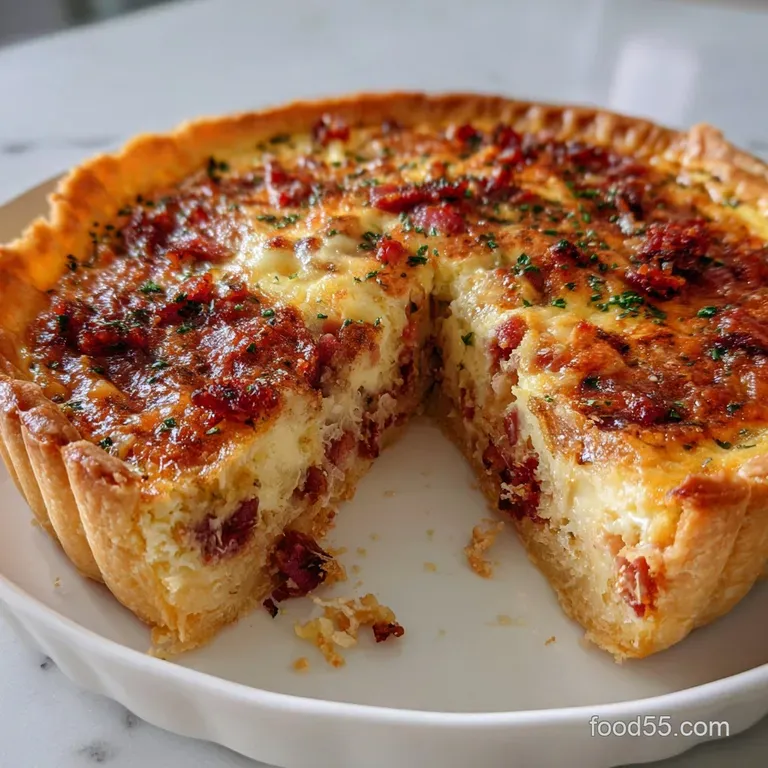
- Beyond Brunch: Introducing the Deep-Dish Gruyère & Lardon Quiche
- Mastering Texture: The Science Behind a Perfect Quiche Custard
- The Essential Toolkit: Ingredients and Strategic Substitutions
- From Dough to Deep-Dish: Comprehensive Baking Instructions
- Troubleshooting Your Tart: Chef’s Tips and Common Mistakes
- Practical Guide: Storage, Freezing, and Reheating Savoury Tarts
- Pairing Your Quiche: Serving Suggestions for Elegant Presentation
- Recipe FAQs
- 📝 Recipe Card
Beyond Brunch: Introducing the Deep Dish Gruyère & Lardon Quiche
Can we talk about that smell? The moment the oven door opens and that rich, savory cloud of caramelized lardon, molten Gruyère, and toasted pastry hits you, it’s instant comfort food.
We’re not aiming for a sad, flat slice of egg here; we’re aiming for a majestic, deep dish savory tart that holds its shape, sings with flavor, and makes you feel incredibly fancy, even if you’re still wearing pajamas.
This spectacular Frittata and Quiche guide is your definitive answer to brunch perfection.
This isn't just a recipe; it's a lifeline for anyone obsessed with making the most of their eggs and cheese. It’s affordable, wildly versatile, and it travels beautifully. Seriously, mastering this deep dish Gruyère Quiche means you’ve always got a quick, impressive meal ready to go.
The challenge of deciding between a classic crust or a quick crustless egg bake is solved right here, as we focus on the flaky pastry first. Learning the techniques for both the glorious quiche and the simpler Frittata and Quiche methods will revolutionize your home cooking.
Today, we are diving deep into the secrets of creating a silky, creamy, non-weeping custard anchored by the best flaky pastry shell you will ever make. Forget the soggy bottoms and rubbery fillings of the past; we are baking a legend.
Let’s get you the confidence to bake a truly unforgettable Frittata and Quiche meal.
Decoding the King of Savoury Tarts
The quiche is inherently superior to most brunch egg dishes because of its structure and texture contrast. You get that salty, smoky filling locked in a blanket of heavy cream, all encased in a tender, buttery cradle.
This particular Deep Dish Gruyère Quiche Recipe utilizes cold ingredients and strategic chilling times to ensure the pastry remains short, flaky, and structurally sound under the weight of the rich filling.
The Defining Difference: Quiche vs. Frittata
If you’re wondering about the Difference Between Quiche And Frittata , the core difference is the crust, the cream, and the cooking method. A Quiche is French, baked in a pastry shell, and uses a high ratio of cream to eggs for that silken texture.
The Frittata and Quiche family diverges significantly here. A Frittata is Italian, cooked primarily on the stovetop before a quick finish in the oven (or sometimes entirely on the stovetop), and it usually contains little to no added cream or crust.
Quiche is elegant and custardy; Frittata is rustic and firm.
What Makes This Recipe a 'Deep Dish' Specialty?
We’re using a deep 9 inch tin, which means more filling and less crust-to-filling ratio drama. This also allows us to pack in those amazing savory fillings specifically the smoky lardons (fancy bacon) and the nutty, melt-in-your mouth Gruyère.
When you make this recipe, you are signing up for maximum custard luxury. It truly separates this recipe from the shallower, dryer tarts you might encounter. This focus on depth ensures a superior eating experience, defining what great Frittata and Quiche should be.
Mastering Texture: The Science Behind a Perfect Quiche Custard
The key to a silky, wobble perfect filling is all about heat control and fat content. Over baking eggs turns them sulfurous and rubbery. This is the biggest error people make when comparing the baking process of Quiche vs Frittata ; the latter handles higher, faster heat better.
For the Quiche, the heavy cream acts as a thermal buffer, insulating the proteins and preventing them from seizing up too quickly. Using six large eggs with a full cup of heavy cream might seem excessive, but trust me, it’s what gives you that luxurious mouthfeel.
The Essential Toolkit: Ingredients and Strategic Substitutions
Remember, the quality of your ingredients directly impacts the final texture and flavor of your Frittata and Quiche . Don’t skimp on the dairy, and always grate your own cheese pre-shredded stuff has anti caking agents that interfere with smooth melting!
Why Double Cream is Non-Negotiable for Smoothness
I know, I know. It’s tempting to use half and half or light milk. Don’t do it! The heavy cream (or double cream) provides the necessary fat content to emulsify the custard properly.
That fat prevents the eggs from setting into a bouncy, aggressive texture and keeps the filling tender and wobbly even when cool. If you are forced to substitute, use evaporated milk instead of low-fat milk, as it offers a concentrated richness that helps approximate the texture of proper cream, making for successful Frittata and Quiche Recipes .
| Ingredient | Recommended Substitute | Why the Change Works |
|---|---|---|
| Unsalted Butter (Pastry) | Half Lard/Shortening | Adds tenderness and extreme flakiness. |
| Gruyère Cheese | Aged Emmental or Mature White Cheddar | Nutty, sharp flavor profile remains. |
| Heavy Cream (Custard) | Evaporated Milk (Full Fat) | Provides needed richness and stability. |
| Lardon | Thick Cut Pancetta | Similar smoky, salty flavor profile. |
The Critical Role of Blind Baking (Pastry Integrity)
Blind baking, or par-baking, is non-negotiable for a perfect quiche. It achieves two things: first, it sets the gluten structure so the sides don't shrink drastically; second, it dries out the bottom crust so it cannot absorb the liquid custard. If you skip this step, you will face the dreaded Soggy Bottom.
It’s truly the key difference between an amazing tart and a culinary failure. This attention to detail is essential for any high-quality Frittata and Quiche .
Lardon & Gruyère: Quality and Preparation Notes
Lardon are simply cubes of cured, smoked pork belly, and they bring an intense smoky saltiness that elevates this savory tart. If you can’t find lardon, thick cut bacon diced small works perfectly. Crucially, you must cook them until crisp and then drain them thoroughly on paper towels.
If you leave any grease or liquid on the bacon, it will seep into the crust and ruin all the effort you put into the blind baking, impacting your overall Frittata and Quiche outcome.
Achieving the Ultimate Flaky Quiche Pastry (Pâte Brisée)
This is a classic shortcrust pastry, and the secret is cold butter and minimal handling. I usually make mine in the food processor; quick pulses cut the butter efficiently without melting it. If you’re doing it by hand, work fast and use the very tips of your fingers. The moment the dough comes together, stop!
Overworking develops gluten, which makes the crust tough and chewy, the opposite of what we want for this delicate Frittata and Quiche .
From Dough to Deep Dish: Comprehensive Baking Instructions
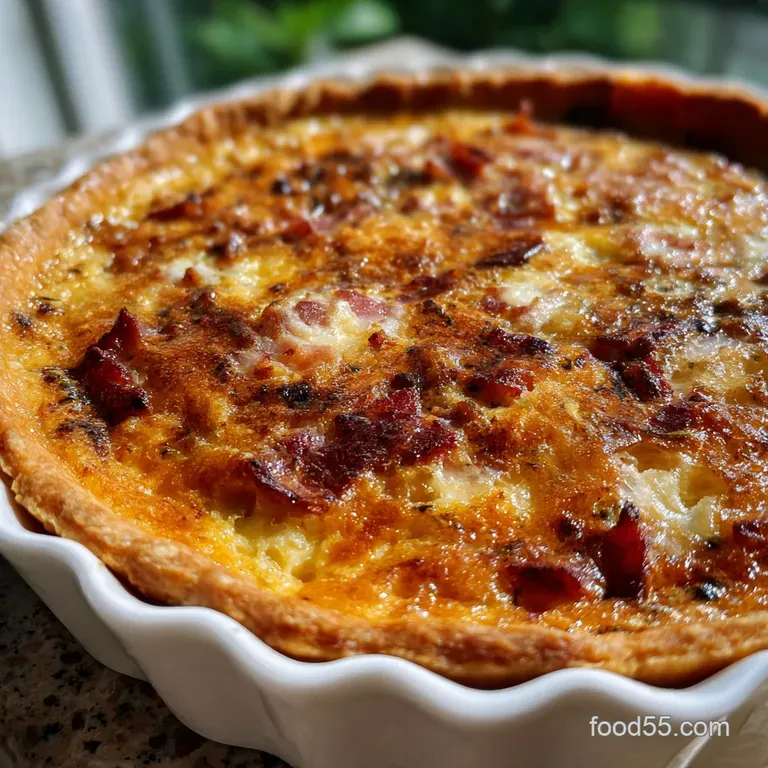
Follow these steps precisely, and you will have a deep dish beauty that holds its shape and delivers on flavor every time.
Phase 1: Preparing and Resting the Pâte Brisée
Mix the dry ingredients, then cut in the cold butter until it looks like pea-sized crumbs. Now, drizzle the ice water, literally one tablespoon at a time, until the dough just gathers. Wrap it and chill it.
This chill time is mandatory; it lets the gluten relax and solidifies the fat, which gives you those amazing flaky layers later.
Phase 2: Blind Baking the Shell for Structural Integrity
Roll that cold dough out quickly and line your deep dish tin. Don’t just trim the edges yet; press the dough into the sides and let a little hang over. Chill it again for 15 minutes. This second chill prevents shrinkage when it hits the hot oven.
Blind bake with weights for 15 minutes, then remove the weights and bake until the entire base looks dry and pale gold. This crucial step defends against a weak foundation, ensuring that your Frittata and Quiche stands tall.
Phase 3: Assembling the Filling and Custard Pour
Layer the crispy, drained lardons and the freshly grated Gruyère evenly across the bottom of the warm crust. You need those warm elements to start softening the cheese slightly. Then, gently whisk the eggs, cream, milk, and seasoning. Remember: we are whisking to combine, not to introduce air.
Too much air causes large bubbles and cracking. This gentle preparation ensures your custard remains smooth, a hallmark of excellent Frittata and Quiche .
Phase 4: Achieving Golden Perfection: Baking and Cooling
Reduce the oven temperature to 350°F (175°C) and carefully pour the custard into the lined tin (ideally, already on the rack). Bake for 35– 45 minutes. The edges should be set, puffy, and slightly golden. The center? It should still jiggle slightly.
If it doesn’t jiggle, you’ve overbaked it, which leads to a dry, rubbery texture. This is a common failure point for many making Easy Quiche Recipe variants.
Troubleshooting Your Tart: Chef’s Tips and Common Mistakes
I have made every mistake in the quiche book from shrinking crusts to soupy centers. Here are the fixes!
Preventing the Dreaded 'Frittata' Texture in Quiche
The enemy of a great quiche is high heat and excessive baking time. If you bake it too hot or too long, the egg proteins coagulate too tightly, squeezing out moisture and fat. The result? A bouncy, dry texture that tastes more like a tough baked egg than a creamy custard.
Ensure your oven is accurately set to 350°F (175°C), use the specified amount of heavy cream, and rely solely on the Jiggle Test for doneness. This ensures the best result for your Frittata and Quiche endeavor.
Chef’s Note: If the crust edges are browning too quickly, gently cover them with a ring of foil during the last 15 minutes of baking. This ensures a beautifully golden top without burnt edges.
Practical Guide: Storage, Freezing, and Reheating Savoury Tarts
The best thing about making a spectacular Frittata and Quiche ? It’s phenomenal meal prep, rivaling even the efficiency of the Sheet Pan Eggs: Ultimate Meal Prep Baked Frittata method for weeknight dinners.
Freezing Unbaked vs. Fully Baked Quiche
You can freeze quiche successfully either way! If freezing unbaked, prepare the crust and fillings, pour the custard, and place the whole tin in the freezer until solid. Wrap tightly in foil and plastic wrap. Bake from frozen, adding about 20– 30 minutes to the total baking time.
If freezing fully baked, cool completely, slice, and freeze individual slices wrapped in foil.
The Best Way to Reheat a Slice
Forget the microwave; it makes the crust soggy and the custard rubbery. To reheat, preheat your oven to 300°F (150°C). Place the slice on a small baking sheet and heat for 10– 15 minutes until the pastry is crisp and the center is piping hot.
This gentle, indirect heat is key to preserving the flaky texture and creamy center of your exceptional Frittata and Quiche .
Pairing Your Quiche: Serving Suggestions for Elegant Presentation
This Gruyère and Lardon Quiche is incredibly rich, so you need acidity and freshness to balance it out.
Essential Side Salads and Vinaigrettes
A sharp, simple side salad is mandatory. I love a mix of rocket (arugula) and thinly sliced red onion. Dress it with a simple mustard vinaigrette the Dijon adds a necessary bite that cuts through the fat of the lardon and cream.
This contrast elevates the entire meal and works for nearly all Frittata and Quiche recipes.
If you’re hosting a sophisticated brunch, serve small slivers of the Frittata and Quiche alongside a bright fruit salad or maybe even a classic brunch cocktail, like the beautiful Blood and Sand Cocktail: Smoky, Equal Parts Classic . When thinking about What To Serve With Quiche , remember that freshness is paramount.
How to Avoid a Soggy Bottom (The Blind Baking Fix)
I mentioned this before, but it bears repeating. Blind baking is your warrior against the Soggy Bottom. Bake until dry, and for extra insurance, brush that thin layer of egg white over the base after you remove the weights. It’s a literal sealant!
This one technique is the most important takeaway for baking perfect Frittata and Quiche .
The Jiggle Test: Knowing When Your Custard is Set
The quiche is done when the edges are firm, the top is set and slightly golden, but the center has a slight, soft shimmer like a barely set gelatin. If you move the pan, the center should wobble gently, but the motion should subside quickly. This is the difference between perfection and rubber.
Master this, and you’ve mastered the art of the perfect Frittata and Quiche .
Preventing Cracks and Over Browning During the Bake
Cracks happen when the temperature is too high, or the quiche sets too quickly around the edges while the center is still completely raw and expanding. To fix this, always reduce the heat after blind baking, and never use a high powered mixer for the custard.
Slow and steady wins the race when baking Frittata and Quiche .
We’ve covered the deep dive into the creamy French quiche, and we’ve touched on the quick, healthier baked Frittata and Quiche sibling. Both are fantastic ways to enjoy savory egg dishes.
Whether you choose the complex flakiness of the pastry or the ease of the crustless bake, you now have the tools, the tips, and the tricks for guaranteed success. Go forth and bake the best Frittata and Quiche of your life!
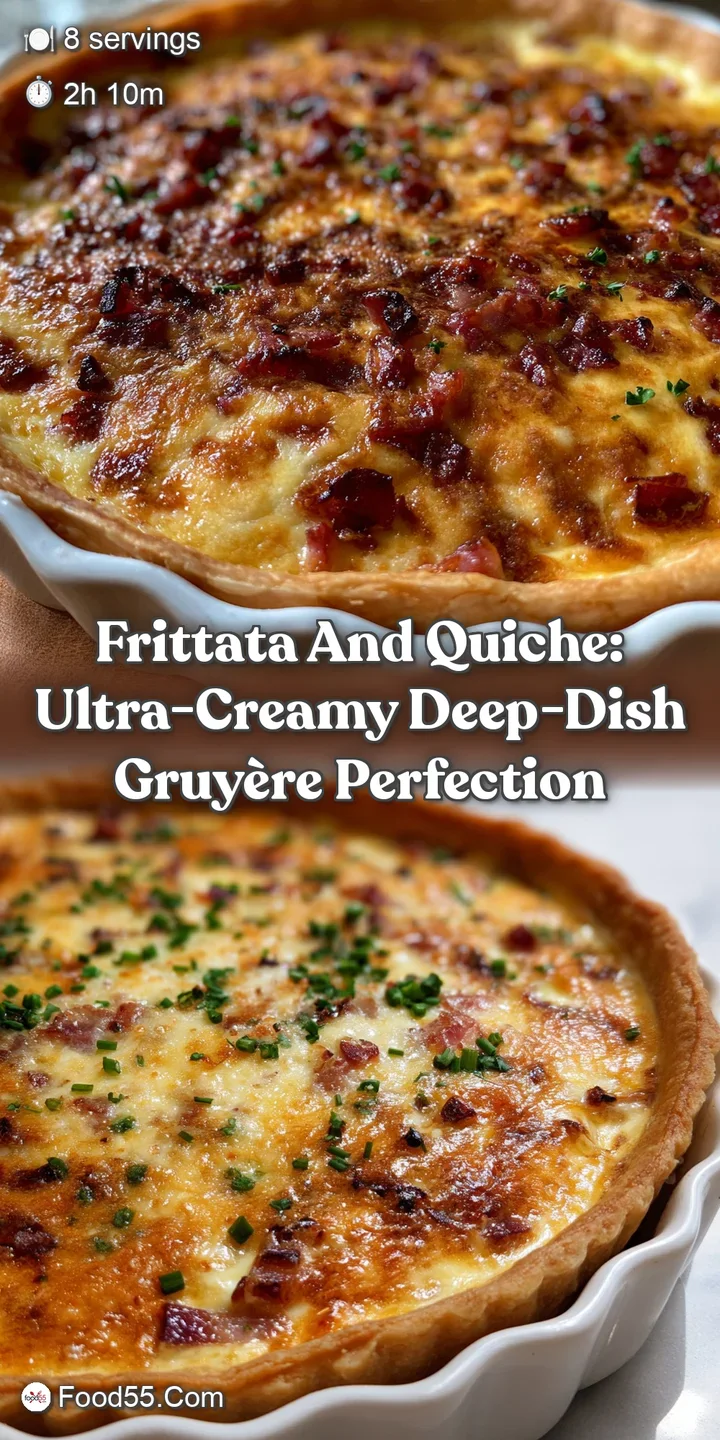
Recipe FAQs
Why is the bottom crust of my quiche soggy after baking?
This common issue, known as a "soggy bottom," is usually caused by insufficient blind baking, which prevents the pastry from setting before the wet custard is added. Ensure you fully bake the shell until pale golden and dry before adding the filling, and consider brushing the base with a thin layer of egg white halfway through blind baking to create a moisture barrier.
How do I prevent my quiche custard from cracking or weeping?
Cracking and weeping are signs of overbaking or cooking at too high a temperature, which causes the proteins to seize up and push out liquid. Bake the quiche at a moderate heat until the edges are set and the center still has a slight jiggle, and always allow it to cool slowly on a wire rack to temper the heat.
Can I substitute the heavy cream in the quiche custard?
While you can substitute with lighter dairy, remember that the high fat content of heavy cream provides the signature silky texture and stability of the custard. For best results, use full fat evaporated milk or a blend of whole milk and softened cream cheese to maintain richness without compromising the final texture.
Do I need to pre-cook the lardons and vegetables before adding them to the tart?
Yes, pre-cooking the filling ingredients is crucial for both flavor and texture. This ensures that the lardons are crisp and prevents raw vegetables from leaching moisture into the custard during the baking process. Always drain off excess fat or liquid after pre-cooking to keep the custard pristine.
What is the primary difference between a Quiche and a Frittata?
The defining difference is the structure: Quiche is a baked savoury tart encased in a buttery pastry crust, utilizing a creamy custard base (eggs and cream). Conversely, a Frittata is crustless, typically cooked entirely in an oven safe skillet or finished under the broiler, and relies solely on eggs with minimal dairy.
Can I freeze leftover Quiche or Frittata?
Both dishes freeze extremely well if properly prepared. Cool the item completely, wrap it tightly in aluminum foil, and store it in an airtight container or freezer bag for up to two months. To reheat, thaw overnight in the refrigerator and bake at 325°F (160°C) until hot throughout.
What are good substitutes for Gruyère cheese in this recipe?
Gruyère is valued for its superior melting qualities and nutty flavor profile. Excellent substitutes include Comté or Emmental, which offer a similar mild, sweet nuttiness. For a sharper flavor, a high-quality aged white cheddar can be used, although the resulting texture may be slightly less smooth.
Deep Dish Gruyere Quiche
Ingredients:
Instructions:
Nutrition Facts:
| Calories | 731 kcal |
|---|---|
| Protein | 24.4 g |
| Fat | 67.2 g |
| Carbs | 7.3 g |
