The Best Lemon Brownies with Lemon Glaze Recipe
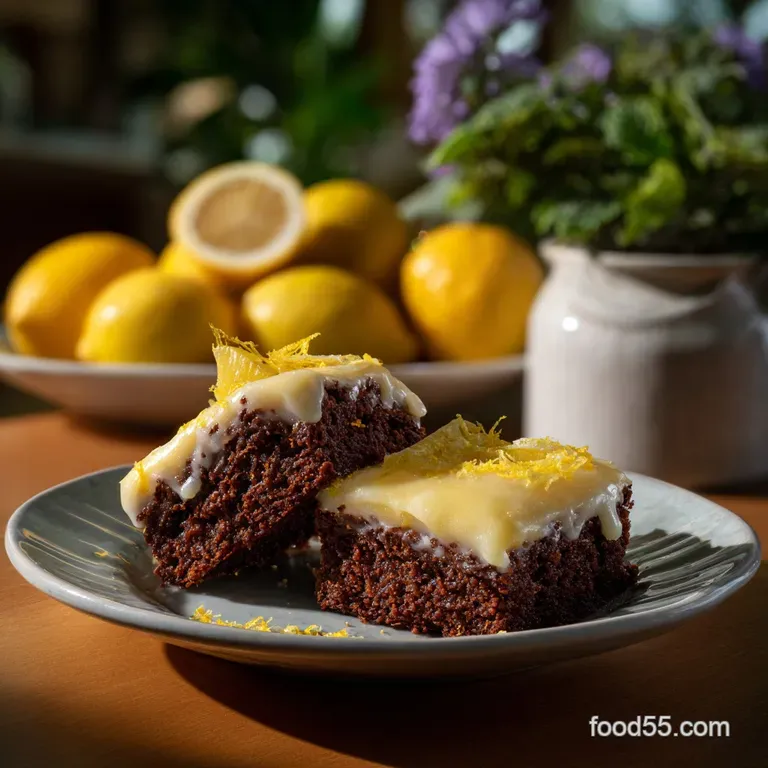
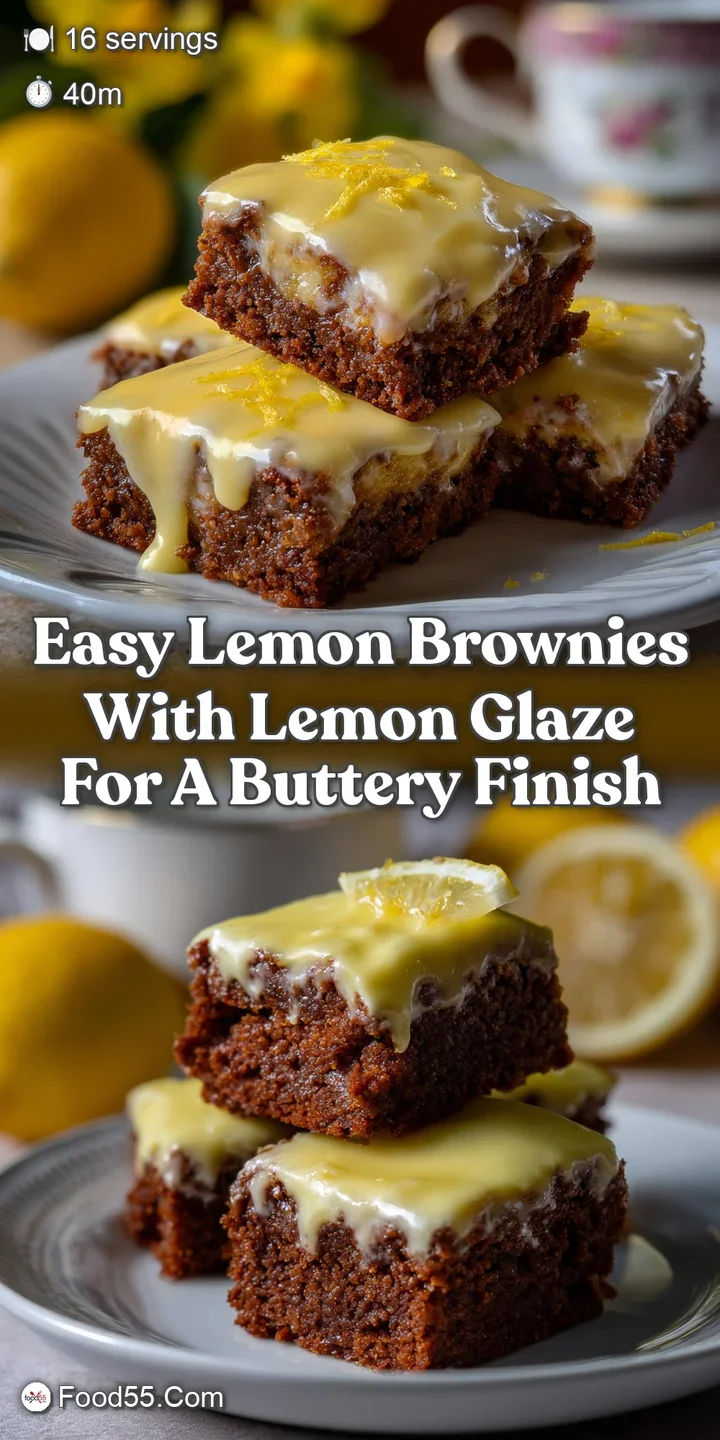
- Effort/Time:40 minutes total (Active: 15 minutes)
- Flavor Hook: Intense lemon-zest punch with a buttery, melt-in-mouth finish.
- Perfect for: High-tea-platters, spring-brunch-gatherings, or make-ahead-school-snacks.
- Masterclass: Lemon Brownies with Lemon Glaze
- Introduction to Ultra-Zesty Lemon Brownies with Lemon Glaze
- Why This Works (Scientific Power-Bullets)
- The Science Behind Ingredients
- Ingredients and Essential Substitutions
- Step-by-Step Instructions for Lemon Brownies with Lemon Glaze
- Pro Tips and Common Mistakes to Avoid
- Storage and Freezing Guidelines
- Serving Suggestions and Pairings
- Recipe FAQs
- 📝 Recipe Card
Masterclass: Lemon Brownies with Lemon Glaze
Introduction to Ultra Zesty Lemon Brownies with Lemon Glaze
What Defines a Perfect Lemon Brownie?
Most "lemon brownies" you find online are just dense cakes. A true lemon brownie must possess the structural integrity of a traditional chocolate fudge brownie but swap the cocoa for vibrant, concentrated citrus. We achieve this by omitting heavy leaveners and leaning into the emulsification of fats and sugars.
The result is a bar that is heavy, moist, and slightly chewy at the edges.
I spent years chasing that specific texture. I tried recipes that used too much baking powder, resulting in a spongy muffin top. I tried others that omitted zest, leaving the flavor flat and one-dimensional.
The breakthrough happened when I realized the sugar needs to be "massaged" with the zest to release the essential oils before the liquid even touches the bowl.
Why This Bright Citrus Treat Outshines Traditional Chocolate
While chocolate is decadent, it can feel heavy in warmer months or after a rich meal. These Lemon Brownies with Lemon Glaze offer a palate cleansing sharpness that chocolate simply cannot provide.
The acidity of the fresh lemon juice cuts through the richness of the Land O' Lakes Unsalted Butter, making it impossible to stop at just one serving.
If you’ve recently enjoyed a heavy dessert like my Date Palm Recipe: Ultimate Sticky Date Loaf with Whisky Sauce, you’ll find this citrus alternative refreshingly light. It’s about the contrast between the buttery base and the sharp, "shatter" effect of the lemon glaze. The glaze doesn't just add sweetness; it provides a structural "crunch" that mimics the papery top of a classic fudge brownie.
The Appeal of the Simple One-Bowl Method
We lead busy lives. I don't want to wash three bowls for a Tuesday night treat. This recipe utilizes a specific order of operations that allows you to build the batter in a single Pyrex Glass Mixing Bowl.
By starting with softened butter and sugar, we create a stable base that incorporates the eggs and dry ingredients without overworking the gluten.
The efficiency of this method doesn't sacrifice quality. In fact, it prevents the over aeration that leads to a "cakey" texture. We want a dense, fudgy middle. By keeping everything in one bowl, we control the mechanical energy applied to the batter, ensuring the protein network in the King Arthur All-Purpose Flour remains tender rather than tough.
Why This Works (Scientific Power Bullets)
- Zest Sugar Infusion: Rubbing lemon zest into granulated sugar uses abrasion to rupture oil sacs, distributing limonene throughout the fat phase of the batter.
- Emulsification Stability: Using room temperature eggs allows the lecithin to bond the water based lemon juice with the fat-heavy butter, preventing a "split" batter.
- Controlled Gelatinization: The 1:2 ratio of butter to flour ensures the starch granules are coated in fat, inhibiting excessive gluten development for a velvety bite.
- Hygroscopic Moisture: The 1 1/2 cups of sugar doesn't just sweeten; it attracts and holds water molecules, keeping the brownies moist for up to 5 days.
- Acid Reactant Balance: The 1/2 teaspoon of baking powder provides just enough lift to prevent the bars from becoming "rubbery" without turning them into cake.
The Science Behind Ingredients
The Science Behind Fresh Lemon Juice and Zest
- What They Do
- These provide the primary flavor profile and essential acidity for the chemical leavening process.
- The Chemistry
- The citric acid reacts with the baking powder to release CO2, while the pectin in the zest helps provide a subtle structural chew.
- Why This Matters
- Using fresh juice ensures a pH level that keeps the crumb bright and prevents the "metallic" aftertaste often found in bottled concentrates.
The Science Behind Unsalted Butter
- What It Does
- Acts as the primary tenderizer and flavor carrier for the citrus oils.
- The Chemistry
- Butter is an emulsion of 80% fat and 15% water; during baking, the water evaporates to create tiny steam pockets for texture.
- Why This Matters
- Using Land O' Lakes Unsalted Butter gives you total control over the 1/2 teaspoon of salt in the recipe, ensuring the flavor isn't masked by excess sodium.
The Science Behind Large Eggs
- What They Do
- Serve as the structural binder and primary emulsifier for the batter.
- The Chemistry
- Protein denaturation during baking creates a solidified network that holds the sugar and fat in suspension.
- Why This Matters
- Room temperature eggs (68°F) incorporate more smoothly, preventing the butter from curdling and ensuring a consistent, even crumb.
Ingredients and Essential Substitutions
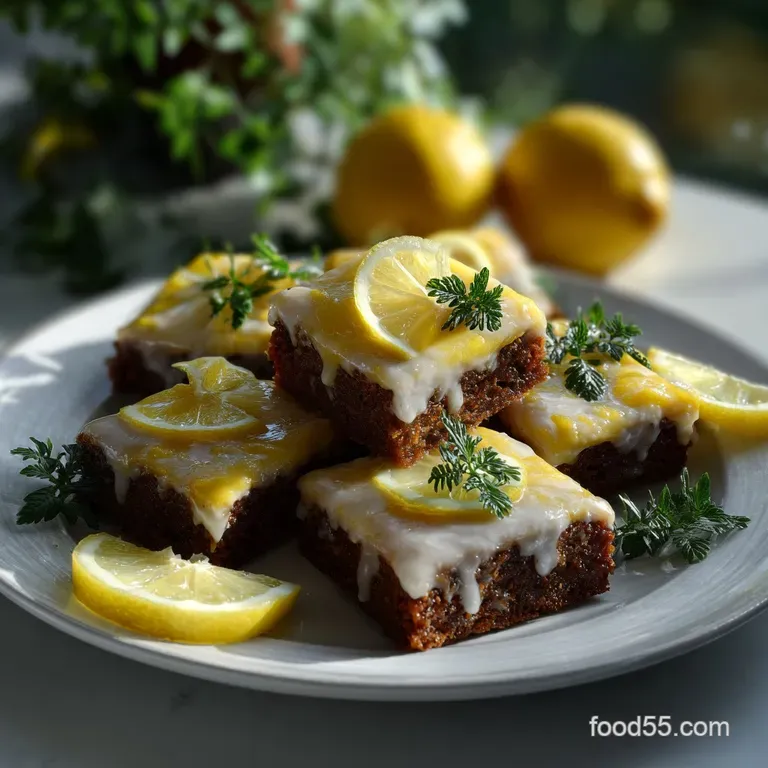
Selecting the right components is the difference between a "good" bake and a "masterclass" bake. Use the table below to navigate pantry swaps while understanding the culinary trade offs involved.
| Original Ingredient | Substitute | Why It Works |
|---|---|---|
| 3/4 cup Unsalted Butter | 3/4 cup Coconut Oil (Solid) | High fat content maintains fudginess. Note: Adds a tropical flavor profile. |
| 1 1/2 cups Granulated Sugar | 1 1/2 cups Monk Fruit Sweetener | 1:1 ratio for sweetness. Note: Will result in a less browned, slightly drier edge. |
| 1 1/2 cups All-Purpose Flour | 1 1/2 cups Cup4Cup gluten-free Flour | Xanthen gum provides the necessary "chew." Note: Slightly grainier texture. |
| 3 Large Eggs | 3/4 cup Aquafaba (whipped) | Provides protein structure. Note: Resulting brownie will be more delicate and less rich. |
Selecting the Best Lemons for Maximum Zest
For this recipe, look for Sunkist Meyer Lemons if available. They have a thinner skin and a higher oil content in the zest. If using standard Lisbon or Eureka lemons, ensure they feel heavy for their size this indicates a higher juice yield.
Use a Microplane Classic Zester to remove only the yellow flavedo; the white pith is bitter and will ruin the delicate balance of the Lemon Brownies with Lemon Glaze.
Pantry Staples for the Buttery Brownie Base
Ensure your King Arthur All-Purpose Flour is fresh. Flour that has sat in the pantry for over six months can absorb ambient moisture, leading to inaccurate measurements.
Always use the "spoon and level" method rather than scooping directly with the measuring cup to avoid packing the flour, which leads to dry, tough brownies.
dairy-free and gluten-free Modification Tips
To make these dairy-free, use a high-quality plant based butter stick (like Miyoko’s Creamery). Avoid tub margarines, as their water content is too high and will make the brownies soggy.
For gluten-free versions, a blend with high starch content (potato or tapioca) works best to mimic the "fudgy" weight of a traditional brownie.
step-by-step Instructions for Lemon Brownies with Lemon Glaze
Mixing the Zesty One-Bowl Batter
- Preheat your oven to 350°F (175°C) and grease a 9x9-inch USA Pan Square Cake Pan. Note: Metal pans conduct heat more efficiently than glass, leading to better edge crisping.
- Cream 3/4 cup softened butter and 1 1/2 cups granulated sugar using a KitchenAid Stand Mixer for 3 minutes. Note: This process, called aeration, creates tiny air pockets that the baking powder will later expand.
- Add 3 large eggs one at a time, beating well after each addition. Note: Slow addition ensures the emulsion doesn't break under the weight of the fat.
- Stir in 3 tablespoons lemon juice and 2 tablespoons lemon zest.Note: The acidity begins to react with the proteins in the eggs immediately.
- Fold in 1 1/2 cups flour, 1/2 teaspoon salt, and 1/2 teaspoon baking powder until just combined. Note: Overmixing at this stage activates gluten, which creates a bread like texture instead of a brownie texture.
Baking Timelines for a Moist and Fudgy Result
- Spread the batter evenly into the prepared pan using an offset spatula. Note: A level surface ensures even heat distribution across the 16 servings.
- Bake for 22–25 minutes or until a toothpick inserted comes out with a few moist crumbs. Note: If the toothpick is clean, they are overbaked; if it's wet, they need 3 more minutes.
- Cool completely in the pan on a Wilton Wire Cooling Rack. Note: Residual heat continues the "carry over cooking" process, setting the center without drying the edges.
Whisking the Perfect Tart Translucent Icing
- Sift 1 cup powdered sugar into a small bowl to remove all lumps. Note: Sifting is non-negotiable for a smooth, professional grade finish.
- Whisk in 2 tablespoons fresh lemon juice and 1 teaspoon zest until a thick, pourable consistency forms. Note: The glaze should be thick enough to coat the back of a spoon but thin enough to level itself.
- Pour the glaze over the COOLED brownies and spread to the edges. Note: Glazing a warm brownie will cause the sugar to melt and soak in rather than sitting on top as a crackle layer.
Techniques for Even Glazing and Clean Slicing
Wait at least 30 minutes for the glaze to set into a firm "shatter" layer. For perfectly clean edges, use a large chef's knife dipped in hot water and wiped dry between every single cut. This prevents the glaze from sticking to the blade and pulling the fudgy center apart.
This attention to detail is what separates a home bake from a Masterclass Lemon Brownies with Lemon Glaze presentation.
Pro Tips and Common Mistakes to Avoid
Common Mistakes Troubleshooting Table
| Problem | Root Cause | The Fix | Pro Protocol |
|---|---|---|---|
| Brownies are "rubbery" | Overmixing the flour | Fold flour by hand, not mixer | Stop as soon as no white streaks remain |
| Glaze is "invisible" | Brownies were too warm | Wait for internal temp < 80°F | Use a ThermoPro Digital Thermometer |
| Edge is burnt, center is raw | Dark colored pan | Lower oven temp by 25°F | Use light reflective aluminum pans only |
Common Myths
Myth: You can use bottled lemon juice for the same result. Truth: Bottled juice is pasteurized and contains preservatives that alter the pH. Fresh juice provides the "volatile" compounds necessary for that signature "shatter" glaze and bright aroma.
Myth: The batter should be light and fluffy like cake. Truth: Brownie batter should be thick, glossy, and heavy. If it’s too airy, you’ve over creamed the butter, and the result will be a lemon sponge, not a brownie.
Chef's Special Techniques
- The "Zest Massage": Before adding any other ingredients, rub the lemon zest into the granulated sugar with your fingertips for 2 minutes. The sugar crystals act as an abrasive, extracting 30% more essential oils than whisking alone.
- The Tap Method: Once the batter is in the pan, bang it firmly on the counter three times. This releases large trapped air bubbles that cause "tunnels" in your Lemon Brownies with Lemon Glaze.
Storage and Freezing Guidelines
Maintaining Freshness for Your Lemon Brownies with Lemon Glaze
These brownies are surprisingly hardy. Store them in an airtight container at room temperature for up to 3 days. To maintain the "crunch" of the glaze, place a piece of parchment paper between layers. If you live in a high humidity environment, the fridge is better, though it may slightly soften the glaze over time.
Freezing Procedures for Long Term Storage
- Flash Freeze
- Place individual slices on a baking sheet for 1 hour until the glaze is rock hard.
- Double Wrap
- Wrap each slice in plastic wrap, then place all slices in a heavy duty Ziploc Freezer Bag.
- Thawing
- Thaw at room temperature for 1 hour. Do not microwave, or the glaze will melt into a sticky syrup.
Serving Suggestions and Pairings
Elegant Garnishes and Beverage Pairings
For a formal presentation, top each square with a single candied lemon peel or a sprig of fresh mint. The green of the mint against the pale yellow glaze is visually stunning.
As for pairings, these brownies are the ultimate companion to a cup of Earl Grey tea. The bergamot in the tea mirrors the citrus notes in the brownies. If you're serving these at a summer party, they pair excellently with a crisp Sauvignon Blanc or a light, creamy salad like my Cucumber Salad with Creamy Dill Sauce. The tanginess of the dill and the acidity of the lemon create a sophisticated flavor bridge.
For a holiday themed citrus spread, serve these alongside my Christmas Pudding with Grand Marnier. The bright, fresh lemon provides a necessary counterpoint to the deep, dried fruit richness of the pudding.
How to Avoid an Overbaked or Cakey Texture
The window of perfection is small usually about 120 seconds. Start checking your Brownies with Lemon Glaze at the 22 minute mark. Because there is no cocoa powder to darken the batter, the brownies will stay quite pale.
Don't wait for them to turn "golden brown" like a cookie, or they will be dry. The edges should just barely begin to pull away from the sides of the pan. This is the visual cue that the protein structure has set, while the center remains fudgy.
Whether you're making these for a bake sale or a quiet Sunday afternoon, this Lemon Brownies with Lemon Glaze recipe delivers a professional grade result with minimal kitchen equipment.
The combination of the dense, buttery crumb and the sharp, crackling icing makes it a perennial favorite that stands out in a world of chocolate heavy desserts. Trust the science, use fresh lemons, and enjoy the most vibrant bake in your repertoire.
Recipe FAQs
What is the secret to fudgy, not cakey, lemon brownies?
High fat, low-flour ratio is key for density. Excess flour encourages gluten development, leading to cake structure rather than the required dense crumb. Fats coat starch granules, inhibiting full hydration.
- Use melted butter consistently
- Avoid over whipping eggs
- Sift dry ingredients lightly
Can I substitute lemon juice with bottled concentrate?
No, fresh zest and juice provide necessary volatile oils. Bottled concentrates lack the aromatic brightness required to cut through the butter richness. Fresh lemon elevates the flavor profile considerably.
Should I use baking powder or soda for lift?
Neither; rely on whipped eggs for structure. Leavening agents promote height and cake like rise, which defeats the fudgy objective here. Whipped eggs create a stable foam structure without chemical aids.
Is chilling the batter before baking beneficial?
Yes, chilling prevents rapid spread during initial bake. Allowing fats to re-solidify minimizes spreading, contributing to the desired thin, crackled top crust structure. This technique is similar to what is used when making a proper Apple Pie: Best Homemade Classic Recipe with Flaky All-Butter Crust.
What causes the lemon glaze to crystallize too quickly?
Glaze cools too rapidly against a cold surface. Rapid temperature change forces immediate sugar saturation and crystallization, creating a cloudy texture instead of translucent shine. Ensure brownies are slightly warm or room temperature.
- Avoid direct fan cooling
- Use powdered sugar only
- Incorporate a tiny splash of corn syrup
Myth: Adding cold eggs creates a better emulsion with the melted butter.
Myth: Adding cold eggs creates a better emulsion with the melted butter. Reality: Cold eggs emulsify poorly with melted fats, leading to potential separation or curdling. Room temperature ingredients blend smoothly, ensuring a uniform batter structure.
Comparison: Should I use granulated sugar or caster (superfine) sugar?
Caster sugar dissolves faster into the fat base. Its smaller crystals integrate more completely into the batter, promoting a smoother final texture and superior crackle top finish. Granulated sugar may leave a slightly gritty mouthfeel if not fully incorporated.
Fudgy Lemon Brownies With Glaze
Ingredients:
Instructions:
Nutrition Facts:
| Calories | 236 kcal |
|---|---|
| Protein | 2.5 g |
| Fat | 9.6 g |
| Carbs | 35.8 g |
| Fiber | 0.4 g |
| Sugar | 26.3 g |
| Sodium | 84 mg |
