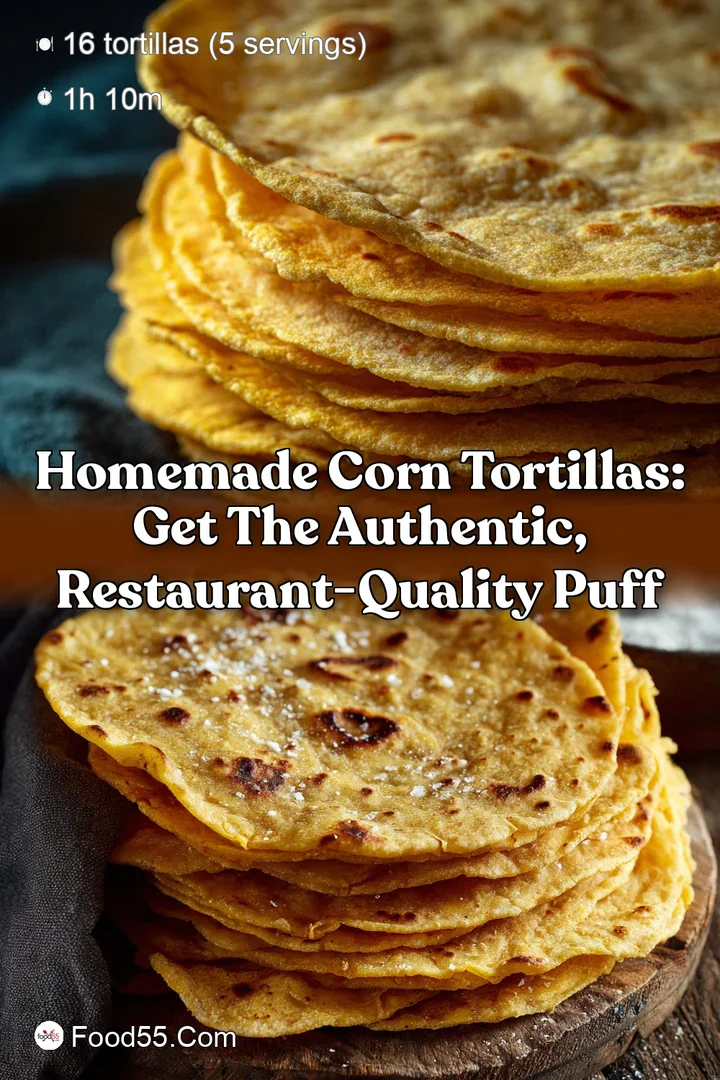
Homemade Corn Tortillas: the Authentic Secret to Soft, Pliable Wraps
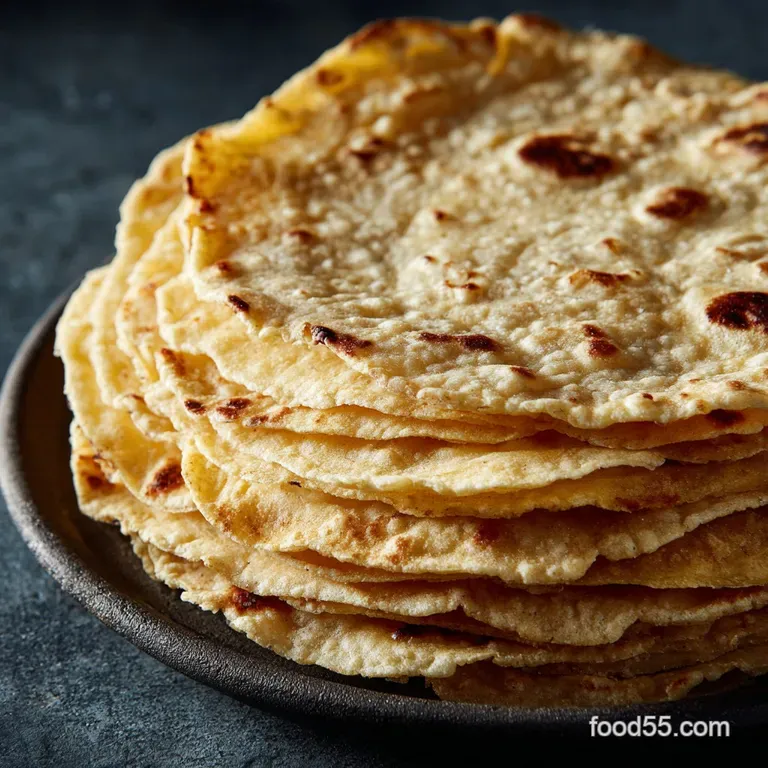
- Embracing Nixtamalization: Why Authentic Homemade Corn Tortillas Reign Supreme
- Essential Components for Mastering Homemade Corn Tortillas
- Why This Recipe Works
- Step-by-Step Guide to Perfecting Your Press and Cook
- The Science of the Puff: Achieving Pliable, Flavorful Wraps
- Troubleshooting and Expert Advice for Masa Mastery
- Maximizing Shelf Life: Storage and Freezing Prepared Tortillas
- Simple and Versatile Serving Suggestions (Beyond the Basic Taco)
- Recipe FAQs
- 📝 Recipe Card
Embracing Nixtamalization: Why Authentic Homemade Corn Tortillas Reign Supreme
Seriously, the smell of fresh corn masa hitting a hot comal is the smell of pure kitchen comfort. Forget those stiff, dusty discs from the grocery shelf.
The difference in texture the pliable, soft centre and that beautifully toasted, earthy exterior is absolutely mind blowing.
I know it sounds like a chore, but making Homemade Corn Tortillas is shockingly fast once you get into a rhythm. You only need two primary ingredients, and the entire active process takes less than an hour. This is pure kitchen therapy that pays off huge dividends.
Stop stressing about perfecting the circle; that comes with practice. We’re going to dive deep into the ancient magic of nixtamalization and learn exactly how to achieve that perfect, beautiful puff. Trust me, once you start down this path, there is absolutely no turning back to the store-bought versions.
The Ancient Art of Masa: Defining Nixtamalized Corn Flour
If you try to use regular cornmeal to make tortillas, you’ll end up with a dry mess. The secret here is using masa harina , which translates roughly to "dough flour." This isn't just ground corn; it has undergone nixtamalization, an alkaline treatment process that makes the corn’s nutrients bioavailable and allows the dough to bind together perfectly.
Texture Talk: Pliability vs. Brittleness in Tortilla Quality
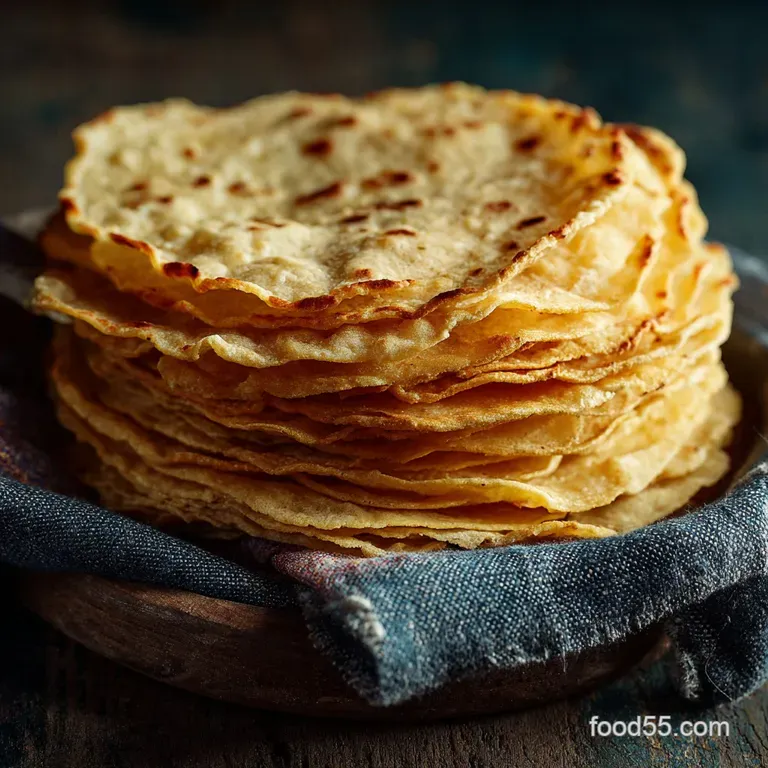
A perfect corn tortilla should be highly pliable, folding cleanly without snapping or cracking down the middle. This pliability comes from two things: correct hydration in the dough and the rapid steaming that occurs when the tortilla puffs up on the hot pan.
If your tortillas feel like cardboard, it’s a hydration issue, not a cooking one.
Setting Expectations: Addressing the Medium Difficulty Level
The ingredients are stupidly simple, making the process look easy. However, mastering the feel of the dough is what earns this a medium rating. Getting the hydration just right not too dry, not too sticky requires practice, but your future tacos will thank you for the effort.
Essential Components for Mastering Homemade Corn Tortillas
Choosing Your Masa Harina (White vs. Yellow and Brands)
You must, must , use dedicated instant corn flour ( masa harina ). Look for Maseca or Bob’s Red Mill, but any brand labeled masa harina will work.
White corn flour generally yields a slightly softer, milder tortilla, while yellow corn flour (or blue!) provides a denser, slightly more corn forward flavour.
The Critical Role of Warm Water and Salt
The genius of this technique lies in using hot, almost steaming water. This drastically speeds up the hydration process, ensuring the starches in the masa absorb enough moisture to create a cohesive dough in minutes.
Salt isn't strictly necessary structurally, but omitting it means sacrificing all the subtle flavour enhancement.
Do I Need Lard? Keeping the Recipe Traditionally Vegan
Traditionally, corn tortillas are naturally vegan and only require the corn flour, water, and perhaps a touch of salt. Adding lard or oil is unnecessary and can actually change the texture, sometimes making the dough too crumbly or inhibiting the desirable puff. Keep it simple, keep it pure.
Why This Recipe Works
This recipe nails the hydration ratio by requiring a specific rest period. You must allow the masa harina to fully hydrate for 30 minutes. If you skip this, the starch granules won’t swell up properly, resulting in dry, brittle dough that cracks the second you press it.
The resting step is non-negotiable.
CRUCIAL CHEF’S NOTE: If you accidentally add too much water and the dough feels like sticky mud, simply knead in one tablespoon of masa harina at a time until the texture returns to that of firm, pliable playdough.
| Ingredient | My Recommendation | Substitution/Variation |
|---|---|---|
| Masa Harina | White corn is traditional. | Try blue or yellow masa harina for a different texture. |
| Hot Water | Near boiling tap water is best. | Use room temp water, but you absolutely must increase the rest time to 45 minutes for full absorption. |
| Fine Sea Salt | Essential for flavour. | Omit if necessary, but the fresh corn flavour really benefits from a small pinch. |
step-by-step Guide to Perfecting Your Press and Cook
Kneading and Forming the Masa Balls (The Texture Check)
Combine your masa harina and salt in a bowl, then pour the hot water in slowly. Mix it all up until a shaggy dough forms, then start kneading lightly for 3 to 5 minutes.
You are aiming for the consistency of firm, smooth modelling clay it should feel hydrated but definitely not sticky or wet.
Hydration Ratios: Finding the Perfect Dough Consistency
This is where feel triumphs over measuring cups. The initial 1.5 cups of water is a starting point. If the dough cracks badly when you roll it into a ball or press it, you need more water. Add an extra tablespoon of hot water, knead it in, and test again. This process is key to preventing brittle, cracking tortillas.
The Necessity of the Dough's Rest Period
Once your dough consistency is perfect, cover it with a slightly damp towel or plastic wrap immediately. Let it rest at room temperature for at least 30 minutes.
This rest allows the masa to fully relax and guarantees those beautifully pliable results, rather than stiff, crunchy discs.
Pressing Consistency: Mastering the Uniform Disc Thickness
Heat your heavy cast iron comal or skillet over medium high heat while you press. Line your press with plastic cut from a heavy Ziploc bag don't skip this, or the dough will stick terribly!
Place the dough ball slightly off-centre, press firmly and evenly, and peel the plastic away gently to reveal a thin, uniform disk.
Comal Timing: The Three Flip Technique for the Fluffy Secret
This is the technique that separates the experts from the beginners. High heat and dry surface are critical.
- Flip 1 (The Dry Out): Place the tortilla on the dry, hot comal . Cook for 30 45 seconds until the edges look dry and lighter in colour.
- Flip 2 (The Cook Through): Flip it over. Cook for 1 to 1. 5 minutes. This ensures the centre is cooked through and creates maximum pliability.
- Flip 3 (The Puff): Flip it back to the original starting side. Cook for 15 30 seconds, then gently press the centre with a spatula. It should puff up like a balloon.
The Science of the Puff: Achieving Pliable, Flavorful Wraps
The puff is truly satisfying. That little balloon of trapped steam guarantees your finished tortilla won’t be a dry, brittle hockey puck later on. When you cook on the screaming hot, dry surface, moisture inside the dough turns rapidly into steam, pushing the layers apart just before they set.
This puff means the tortilla is ready and will be perfectly soft and pliable for folding.
Troubleshooting and Expert Advice for Masa Mastery
Why Won't My Tortillas Puff? (Humidity and Heat Management)
There are two usual culprits here. First, your pan isn't hot enough. It needs to be medium high, radiating heat. Second, the dough might be too dry. If you can’t get a full puff, don’t stress, but ensure your next batch of dough is slightly more hydrated.
The Edges Are Cracking: Adjusting Dough Moisture Mid-Process
If your dough balls crack excessively when you first try to press them, the dough is too dry, full stop. Don't waste the remaining dough; put it back in the bowl and knead in a tablespoon or two of hot water. Let it rest for another 10 minutes and try again.
Dry dough equals brittle tortillas, always.
Maximizing Shelf Life: Storage and Freezing Prepared Tortillas
Short Term Refrigeration (Raw Dough vs. Cooked)
I prefer cooking them all immediately, but if you must save dough, wrap it tightly in plastic wrap and store it in the fridge for up to 2 days. Be warned: cold dough needs a few extra drops of warm water and a little knead before pressing, as it loses moisture in the cold.
Cooked tortillas, wrapped tightly in a zip-top bag, last perfectly for 3 to 4 days in the fridge.
Freezing Fully Cooked Tortillas (The Wax Paper Method)
Yes, you can absolutely freeze them! Lay out individual tortillas and allow them to cool completely on a wire rack first. Stack them, using small squares of wax paper between each one to prevent them from fusing into a massive corn block.
Place the stack in a heavy duty freezer bag, squeeze out the air, and they’ll keep beautifully for up to three months.
Reheat frozen tortillas directly on a medium hot comal for about 30 seconds per side, or steam them in a damp towel for maximum softness.
Simple and Versatile Serving Suggestions (Beyond the Basic Taco)
These gorgeous, soft tortillas are the perfect canvas for almost anything. They are obviously essential for tacos, but don't limit yourself.
Tear them into wedges, fry them crispy, and use them for the base of a quick plate of chilaquiles. For a lighter approach, serve them alongside our famous Smokey Corn with Bacon: Easy Summer Side Dish, Ready in 35 Minutes for a delicious corn-on-corn flavour bomb. You can also dice them up and pan-fry them slightly to add crunch to a vibrant summer bowl, maybe even our Corn Chicken Salad: Vibrant, Healthy Summer Meal Prep Recipe (it’s delicious with the crunch of dried corn).
They’re thick enough to hold up beautifully for enchiladas, or you can cut them into rounds and fry them crisp to make tostadas. Making your own tortillas unlocks a whole world of possibilities!
Recipe FAQs
Can I use regular cornmeal or cornflour instead of masa harina?
No, masa harina is crucial because it is made from hominy (corn treated through the nixtamalization process using slaked lime). This treatment fundamentally changes the starch structure, allowing the dough to hold together and remain pliable when mixed with water.
Regular cornmeal lacks this treatment and will result in a crumbly, unworkable dough unsuitable for tortillas.
Why is my tortilla dough cracking around the edges when I press it?
Cracking indicates that the dough is too dry and needs more hydration. Add water, one teaspoon at a time, and knead until the dough feels like firm, smooth playdough and no longer cracks easily when handled.
Remember that masa harina continues to absorb moisture over time, so you may need to re-hydrate the dough slightly during longer pressing sessions.
My tortillas aren't puffing up on the griddle (comal). What am I doing wrong?
The characteristic puff requires three key elements: proper dough hydration, adequate heat, and timely flipping. Ensure your cooking surface is very hot (medium high) and follow the specific flip timing: 20 seconds (first flip), 60 seconds (second flip), then press lightly with a spatula to encourage steam buildup and the puff.
If the dough is too dry or the heat too low, the puff will not occur.
Why does the dough need to rest for 30 minutes?
Resting allows the masa harina to fully hydrate and the starches to relax after mixing. This step is essential for producing a smoother, more elastic dough that is much less likely to crack when pressed and will cook more uniformly. Skipping the rest period often leads to dry, brittle tortillas that tear easily.
I don't own a tortilla press. Is there an alternative method?
Absolutely. You can place the dough ball between two pieces of thick plastic (like a cut-open zip-top bag) and flatten it using the bottom of a heavy, flat skillet, a casserole dish, or a rolling pin.
Apply even, firm pressure until the tortilla reaches the desired thickness, ensuring you lift and rotate the dough periodically for an even circle.
How should I store freshly cooked corn tortillas?
Once they come off the griddle, allow them to cool slightly, then immediately wrap them tightly in a clean kitchen towel to retain moisture and steam. Store the wrapped tortillas at room temperature for up to two days, or transfer them to a sealed bag and refrigerate for up to a week.
To reheat, warm them quickly on a hot, dry comal or skillet.
Can I freeze homemade corn tortillas?
Yes, both the cooked tortillas and the dough can be frozen successfully. To freeze cooked tortillas, stack them with wax paper between layers, wrap them tightly in foil, and place them in a freezer bag (they last up to 6 months).
Thaw the dough overnight in the refrigerator before pressing, or reheat frozen tortillas directly on a warm griddle until they become soft and pliable.
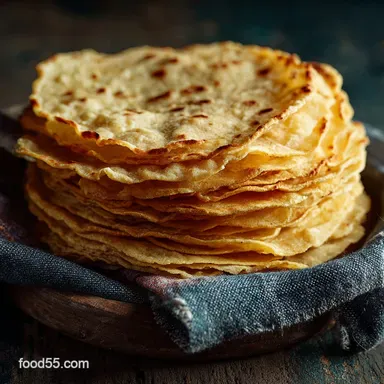
Homemade Corn Tortillas Masa Magic
Ingredients:
Instructions:
Nutrition Facts:
| Calories | 63 kcal |
|---|---|
| Protein | 1.0 g |
| Fat | 2.0 g |
| Carbs | 10.0 g |
