Cowboy Butter Sauce: Bold and Zesty
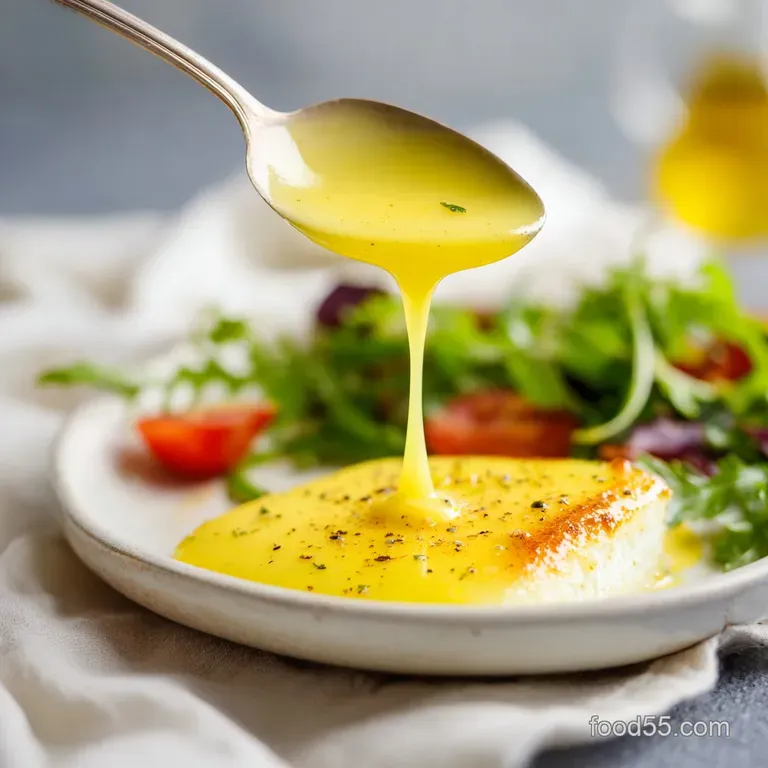
- Time: Active 10 minutes, Passive 2 minutes, Total 12 minutes
- Flavor/Texture Hook: Velvety, garlic forward, and zesty finish
- Perfect for: Weekend backyard BBQs or a special steakhouse style date night
- Achieving the Bold and Zesty Flavor of Cowboy Butter Sauce
- The Secret Behind This Flavorful Fusion
- Component Analysis for Peak Results
- The Selection of Quality Ingredients
- Essential Tools for Success
- Preparing the Ultimate Cowboy Butter Sauce
- Handling Common Preparation Challenges
- Adjusting for Different Group Sizes
- Flavor Profiles and Creative Twists
- Proper Preservation and Storage Methods
- Serving Suggestions and Pairing Ideas
- Common Culinary Misconceptions
- Recipe FAQs
- 📝 Recipe Card
Achieving the Bold and Zesty Flavor of Cowboy Butter Sauce
Picture this: It’s Saturday night, the sun is just starting to dip below the tree line, and the smell of a hot charcoal grill is wafting through the backyard. You’ve got a couple of thick cut ribeyes resting on the counter, but they’re missing that one final hit of personality.
That’s when you bring out the skillet of warm, golden, herb flecked liquid gold. The first time I served this to my friends, the conversation literally stopped. We weren’t just eating steak anymore; we were experiencing a shared moment of pure, unadulterated flavor.
This isn't just a melted butter puddle. It's a complex, bright, and slightly spicy infusion that brings everyone together around the table. The contrast between the heavy, savory meat and the sharp, citrusy punch of this Cowboy Butter Sauce is what makes it so addictive.
It’s about that convivial spirit of outdoor cooking where the ingredients are simple but the execution is thoughtful. You want something that cuts through the fat of the meat while adding its own layer of velvety luxury.
We’re going for a sauce that feels alive. When you drizzle this over a rested steak, the residual heat from the meat wakes up the raw garlic and the fresh chives, creating an aroma that fills the whole patio.
I’ve learned through a few messy trials that the secret isn't just what you put in, but how you handle the temperature. If you get it right, you get a silky emulsion that clings to the food rather than just running off the plate.
Let’s get into why this specific combination of ingredients is such a winner for your next gathering.
The Secret Behind This Flavorful Fusion
Aromatic Infusion: Using residual heat to melt the final bit of butter prevents the delicate volatile oils in the fresh herbs from scorching or losing their bright punch.
Emulsification Stability: The addition of Dijon mustard acts as a natural binder, holding the lemon juice and melted fats together in a cohesive, velvety texture.
Acidic Counterpoint: Fresh lemon juice and zest provide a sharp top note that prevents the high fat content from feeling overly heavy on the palate.
Layered Heat Profile: Combining the immediate bite of raw garlic with the slow burn of red pepper flakes and the nasal heat of horseradish creates a complex spice experience.
| Steak Thickness | Internal Temp | Rest Time | Visual Cue |
|---|---|---|---|
| 1 inch | 135°F (Med Rare) | 5 minutes | Deep pink center, warm |
| 1.5 inches | 135°F (Med Rare) | 8 minutes | Uniform pink, juices settled |
| 2 inches | 135°F (Med Rare) | 10 minutes | Edge to edge pink, very juicy |
Choosing the right moment to serve this is just as important as the cooking itself. While the steak rests, the fibers relax and the juices redistribute. This is exactly when you want to hit it with the sauce. If you're into quick emulsions that brighten up a meal, you might also like my Piccata Sauce recipe which uses a similar lemon butter logic but with a different herb profile.
Component Analysis for Peak Results
| Ingredient | Science Role | Pro Secret |
|---|---|---|
| European Butter | High fat, low water | Use unsalted to control the seasoning precisely |
| Dijon Mustard | Natural Emulsifier | Whisk vigorously to create a stable, thick sauce |
| Fresh Garlic | Sulfur based pungency | Mince into a paste to avoid biting into raw chunks |
| Fresh Chives | Mild onion brightness | Snipping with scissors prevents bruising the delicate cells |
It’s easy to grab whatever is in the fridge, but for a sauce where butter is the main event, the quality of that butter determines the entire mouthfeel. European style butter has a higher butterfat content and less water than standard American sticks, which means a creamier finish and a more intense flavor.
The Selection of Quality Ingredients
- 1 cup unsalted European style butter: Why this? Higher fat content ensures a silkier, richer mouthfeel compared to standard butter.
- Substitute: Standard unsalted butter works, but the sauce may be slightly thinner.
- 4 cloves garlic, minced into a fine paste: Why this? A paste distributes the flavor evenly without the harshness of large raw chunks.
- Substitute: 1 tsp garlic powder, though you’ll lose that fresh, pungent "cowboy" kick.
- 1 tbsp Dijon mustard: Why this? Acts as the primary emulsifier to keep the lemon and butter from separating.
- Substitute: Whole grain mustard for a bit more texture and a milder tang.
- 1 tsp prepared horseradish: Why this? Adds a unique, sharp heat that clears the palate between rich bites of meat.
- Substitute: 0.5 tsp dry mustard powder if you want the heat without the vinegar tang.
- 1 tbsp fresh parsley, finely chopped: Why this? Provides a clean, grassy finish that lightens the overall flavor profile.
- Substitute: Fresh cilantro if you're serving this alongside Southwestern style grilled corn.
- 1 tsp fresh thyme leaves, minced: Why this? Adds an earthy, floral undertone that complements grilled or roasted proteins.
- Substitute: 0.5 tsp dried thyme, but rub it between your palms first to release the oils.
- 1 tbsp fresh chives, snipped: Why this? Offers a delicate onion flavor that doesn't overpower the other fresh herbs.
- Substitute: The green tops of scallions, sliced very thinly.
- 1 tsp smoked paprika: Why this? Introduces a subtle wood smoke aroma that echoes the flavor of the grill.
- Substitute: Sweet paprika for color without the smoky element.
- 0.5 tsp red pepper flakes: Why this? Provides a gentle, lingering warmth on the back of the tongue.
- Substitute: A dash of cayenne pepper for a more immediate, sharper heat.
- 0.5 tsp kosher salt: Why this? Enhances every other ingredient; kosher salt dissolves cleanly without an iodine aftertaste.
- Substitute: Fine sea salt, but use slightly less as the grains are smaller and denser.
- 1 tbsp fresh lemon juice: Why this? The essential acid needed to break through the richness of the butterfat.
- Substitute: White wine vinegar or apple cider vinegar in a pinch.
- 1 tsp lemon zest: Why this? Contains the lemon oils for a floral citrus aroma that juice alone can't provide.
- Substitute: A drop of lemon extract, though fresh zest is infinitely better for texture.
Essential Tools for Success
You don't need a professional kitchen to pull this off, but a few specific tools make the process much smoother. A small, heavy bottomed saucepan is your best friend here. It holds heat more consistently than a thin pan, which is crucial for that 80% melting trick we’re going to use.
You want to avoid scorching the milk solids at all costs, or you'll end up with a nutty "brown butter" flavor that, while delicious, isn't what we're looking for in a bright Cowboy Butter Sauce.
A microplane or a very fine grater is another "must have" for the garlic and the lemon zest. By turning the garlic into a paste, you ensure it blends into the sauce perfectly. No one wants to bite into a big piece of raw garlic in the middle of a tender steak dinner.
For the chives, I actually prefer using kitchen shears over a knife; it’s faster and prevents you from squishing the herbs against the cutting board.
Preparing the Ultimate Cowboy Butter Sauce
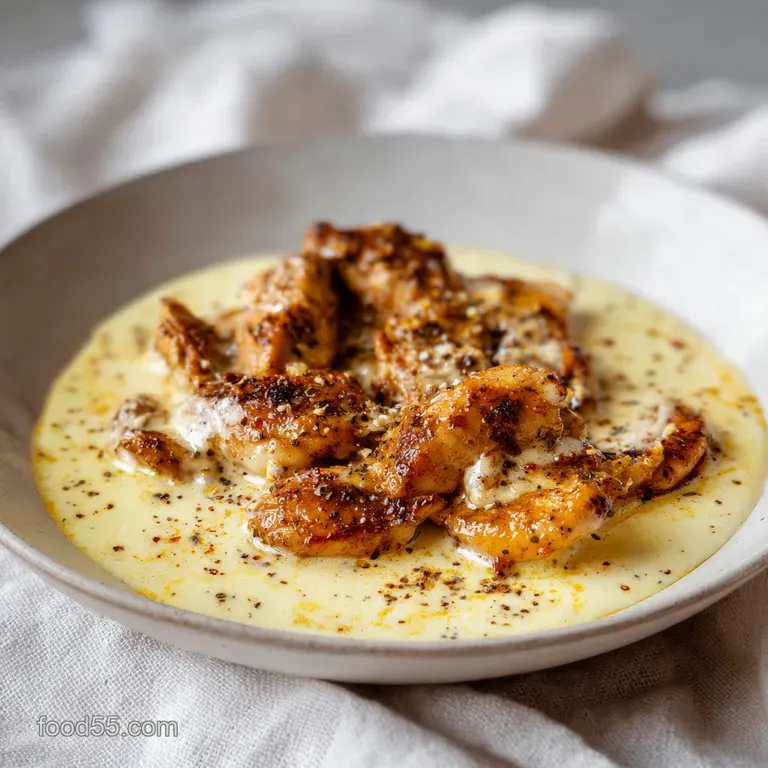
- Place the butter in a small saucepan over low heat. Note: Using low heat prevents the butter from bubbling and losing moisture.
- Melt until approximately 80% is liquid, then remove from heat. Note: This prevents the milk solids from separating and keeps the sauce creamy.
- Vigorously whisk in the minced garlic paste, Dijon mustard, and fresh lemon juice for 30 seconds until the mixture is fully emulsified and slightly thickened.
- Stir in the chopped parsley, thyme, and chives. Note: Adding herbs to warm (not hot) butter preserves their bright green color.
- Add the smoked paprika, red pepper flakes, and kosher salt. Note: The residual heat will bloom the paprika, deepening the sauce's color.
- Fold in the lemon zest and prepared horseradish until the sauce is glossy and well combined.
- Taste a small drop and adjust salt or lemon if needed until the flavors pop.
- Serve immediately while warm until the sauce is drizzled over your favorite protein.
Handling Common Preparation Challenges
The most common issue I see people run into is the sauce "breaking." This happens when the fat separates from the liquids (lemon juice and mustard), leaving you with a greasy mess. Usually, it's because the butter got too hot. If you see oil pooling at the top, don't panic.
You can often save it by adding a teaspoon of warm water and whisking like your life depends on it.
Resolving Sauce Texture Issues
Another thing to watch out for is the "garlic bite." If you're sensitive to raw garlic, you might find the four cloves a bit much. The trick is to let the garlic sit in the warm butter for a full minute before adding the cold herbs.
That tiny bit of heat takes the sharp, "stinging" edge off the garlic without actually cooking it.
| Problem | Root Cause | Solution |
|---|---|---|
| Oily Separation | Butter became too hot and split | Whisk in 1 tsp warm water vigorously to re emulsify |
| Bitter Aftertaste | Scorched paprika or old herbs | Ensure heat is off before adding spices; use fresh herbs |
| Muted Flavors | Lack of acidity or salt | Add an extra squeeze of lemon or a pinch of salt |
For those nights when you need a different kind of dip for your meal prep or a crowd, this creamy peanut sauce is another winner that relies on a good emulsion, just like our butter sauce.
Common Mistakes Checklist
- ✓ Never let the butter reach a boil; it should only just melt to maintain a creamy texture.
- ✓ Don't skip the Dijon mustard; it's the "glue" that keeps your sauce from becoming a greasy puddle.
- ✓ Always use fresh lemon; bottled juice lacks the bright, volatile oils found in fresh citrus and zest.
- ✓ Wait to add the herbs until the pan is off the heat to keep them from turning brown and bitter.
- ✓ Rest your meat before saucing; if you pour this on a piping hot steak straight from the grill, the heat will break the butter emulsion.
Adjusting for Different Group Sizes
If you’re hosting a big backyard bash and need to double or triple this recipe, keep an eye on your spices. Salt and heat (like red pepper flakes) don't always scale linearly. I usually start with 1.5 times the salt and red pepper for a double batch, then taste and add more.
The butter and liquids, however, can be doubled exactly.
When scaling down for a solo dinner, things get a bit tricky with the small quantities. I recommend making a half batch (using half a cup of butter) rather than trying to divide it further. It's much easier to whisk and emulsify in a pan when there’s enough volume to work with.
Plus, having a little leftover butter in the fridge is never a bad thing it’s incredible on toast the next morning.
| Method | Time | Texture | Best For |
|---|---|---|---|
| Stovetop | 12 minutes | Silky and cohesive | Immediate serving over steaks |
| Microwave | 5 minutes | Thinner, less emulsified | Quick weekday chicken dinners |
| Room Temp | 20 minutes | Compound butter style | Spreading on warm bread or corn |
Flavor Profiles and Creative Twists
While the classic version is hard to beat, I love playing with the heat levels. If you want something with a bit more of a "kick," try swapping the red pepper flakes for a finely minced chipotle pepper in adobo. It adds a deep, smoky spice that is absolutely incredible on grilled pork chops.
The Smoky Chipotle Twist
For a Southwestern flair, replace the parsley with cilantro and swap the lemon for lime juice and zest. This version is a "game changer" (sorry, I mean it's truly transformative!) for grilled corn on the cob or even shrimp skewers. The lime gives it a sharper, more tropical acidity that pairs beautifully with seafood.
The Mediterranean Herb Blend
If you're serving this with roasted lamb or chicken, you can swap the chives and thyme for a blend of fresh oregano and rosemary. It makes the sauce feel a bit more rustic and "old world." Just be sure to mince the rosemary very finely, as it can be a bit woody if left in large pieces.
Proper Preservation and Storage Methods
If you have leftovers, count yourself lucky. This sauce firms up in the fridge into a spectacular compound butter. You can store it in an airtight container for up to 5 days. When you’re ready to use it again, don't just microwave it on high.
Melt it slowly in a small pan over low heat, whisking constantly to bring the emulsion back together.
For zero waste cooking, don't toss those herb stems! The stems of the parsley and thyme carry a ton of flavor. I keep a bag in my freezer for veggie scraps and toss the stems in there. The next time I’m making a stock or a soup, they go right into the pot.
As for the butter, if you find you won't use it within 5 days, you can roll it into a log using parchment paper and freeze it for up to 3 months. Just slice off a disk whenever you need to add a "wow" factor to a quick Tuesday night meal.
Serving Suggestions and Pairing Ideas
This sauce is famous for its relationship with steak specifically a fatty cut like a ribeye or a New York strip but don't let that limit you. It's equally "velvety" and "shatter crisp" (when the cold butter hits hot skin) on roasted chicken.
I once served this over simple grilled salmon, and it was a revelation. The horseradish and lemon cut right through the richness of the fish.
One of my favorite convivial ways to serve this is as a dipping sauce for crusty bread. Put a bowl of warm Cowboy Butter Sauce in the middle of the table with a torn up baguette, and watch it disappear. It’s also the perfect "secret weapon" for grilled vegetables.
Toss some asparagus or thick slices of cauliflower in a spoonful of this right before serving, and you’ll never look at veggies the same way again. It's all about bringing people together with those big, bold flavors that spark conversation and make memories.
Common Culinary Misconceptions
One major myth is that you must use salted butter to get a "savory" sauce. In reality, starting with unsalted butter is the professional choice because it gives you total control. Different brands of salted butter have wildly varying salt levels, and since we're adding kosher salt, Dijon, and horseradish (which all have salt), using salted butter can quickly push the sauce into "unpalatably salty" territory.
Another misconception is that you need to cook the garlic until it's brown to get the best flavor. While sautéed garlic is great in many dishes, the "cowboy" style relies on that fresh, pungent, slightly raw bite.
By using the "80% melt" technique and adding the garlic to the residual warmth, you get a garlic flavor that is bold and bright, rather than nutty and mellow. This is what gives the sauce its signature "wild west" edge.
Finally, some people think that once a butter sauce breaks, it's ruined forever. As we discussed in the troubleshooting section, a broken sauce is just a temporary setback. Science is on your side!
With a little bit of moisture and some vigorous whisking, those fat molecules can be coaxed back into a beautiful, silky emulsion. Trust the process, keep your heat low, and you'll have a sauce that everyone will be asking the recipe for.
Recipe FAQs
What is cowboy butter made of?
It combines unsalted European style butter, garlic paste, Dijon mustard, and prepared horseradish. The flavor profile is rounded out with fresh parsley, thyme, chives, smoked paprika, red pepper flakes, kosher salt, lemon juice, and lemon zest.
What does cowboy butter taste like?
It tastes bold, tangy, and deeply savory. You get a rich, creamy base from the butter balanced by the sharp bite of Dijon and horseradish, with a bright citrus finish.
Can I use regular mustard for cowboy butter?
No, stick with Dijon mustard. It acts as the essential emulsifier, or "glue," that keeps the butter from separating into a greasy puddle.
What gives cowboy butter its unique flavor?
The combination of smoked paprika and fresh aromatics creates its signature depth. If you enjoyed mastering the stable emulsion in this sauce, use the same whisking method to achieve a silky homemade mac and cheese sauce.
How to melt the butter correctly?
Place butter in a small saucepan over low heat until 80% liquid. Remove from the heat immediately, allowing the residual warmth to finish the melting process to prevent the milk solids from separating.
Is it true I can boil the butter to make it melt faster?
No, this is a common misconception. Boiling will destroy the creamy texture; you must keep the heat low and never let it reach a boil.
How to ensure the sauce doesn't break when served?
Rest your meat before applying the sauce. Pouring this over a piping hot steak straight from the grill creates too much heat, which will cause the butter emulsion to break.
Homemade Cowboy Butter Sauce
Ingredients:
Instructions:
Nutrition Facts:
| Calories | 208 kcal |
|---|---|
| Protein | 0.5g |
| Fat | 23g |
| Carbs | 1.2g |
| Fiber | 0.2g |
| Sugar | 0.1g |
| Sodium | 175mg |
