Popping Boba: the Easy Homemade Bursting Recipe
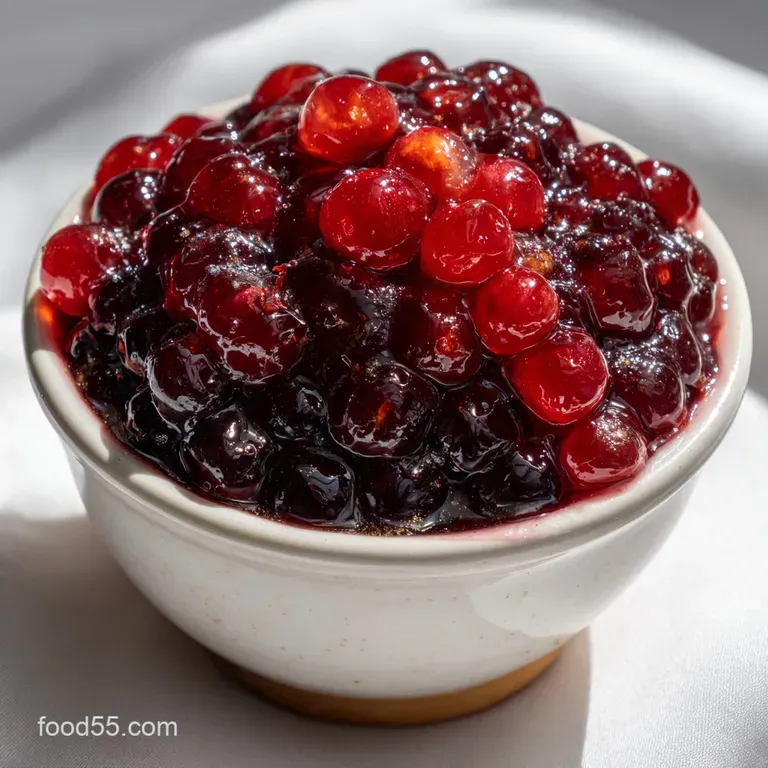
- The Alchemist’s Delight: Homemade Bursting Berry Popping Boba
- The Science of the Pop: Mastering Popping Boba Texture and Stability
- Gathering Your Tools and Gourmet Components for Perfect Popping Boba
- The Alchemist's Process: Making Your Own Popping Boba
- Troubleshooting Kitchen Alchemy: Common Boba Blunders and Fixes
- Preservation Secrets: Storing Your Homemade Bursting Pearls
- Showcase Your Creation: Creative Uses for Popping Boba
- Recipe FAQs
- 📝 Recipe Card
The Alchemist’s Delight: Homemade Bursting Berry Popping Boba
Imagine the sound that delicate little pop —followed by a burst of cold, sweet raspberry juice flooding your mouth. That, my friends, is the magic of homemade Popping Boba .
Trust me, once you realize how easy it is to make popping boba at home, you’ll never buy the pricey store-bought tubs again.
Yes, we are using fancy white powders, but this process is way faster and cheaper than traditional tapioca pearls, which require hours of simmering and kneading. This is molecular gastronomy for the lazy, budget conscious genius in all of us.
You get instant textural payoff without the fuss and maximum show off points at your next gathering.
I spent too much time reading scary chemistry texts, but I’ve streamlined the process down to foolproof steps. Let’s dive into the science, gather our hydrocolloid heroes, and start crafting the perfect bursting spheres.
The Science of the Pop: Mastering Popping Boba Texture and Stability
The secret sauce here is reverse spherification . This method creates a stable sphere instantly when the calcium rich liquid hits the alginate bath. It’s far superior to traditional spherification because the shell stops setting the moment you rinse it, guaranteeing that beautiful, thin membrane required for the perfect pop.
This consistency is why this specific Popping Boba recipe is so reliable.
What is Spherification (And Why Reverse is Best)?
Spherification simply means turning liquid into a sphere, which sounds complicated but is a simple chemical reaction. Reverse spherification is preferred for home cooks because we put the Calcium Lactate (the setting agent) inside the flavor liquid, and the Sodium Alginate (the gel agent) outside in the bath.
This means you can use highly acidic juices, unlike the fussy traditional method. It gives us maximum control over the final texture and shelf life, which is key for making popping boba that actually pops.
Flavor Profile Deep Dive: Why Berry Works for Spherification
We use berry puree here because the flavor is naturally vibrant and holds up well to chilling and mixing. The key is straining the puree until it is absolutely free of pulp; any tiny bits will clog your dropper and result in lumpy, misshapen Popping Boba balls.
Use a good, ripe fruit for maximum flavor concentration.
Why Traditional Boba is Fundamentally Different
Traditional boba pearls are made from tapioca starch, meaning they are chewy, opaque, and must be sucked up through a wide straw. They are meant to be eaten, not burst. Popping Boba , on the other hand, consists entirely of a liquid center encased in a thin, fragile gel membrane.
It provides a textural contrast and a flavor explosion, rather than a chewy snack.
Gathering Your Tools and Gourmet Components for Perfect Popping Boba
You need precision here, so leave the measuring cups in the drawer and grab your digital scale.
Hydrocolloid Heroes: Understanding Sodium Alginate
Sodium alginate is derived from brown seaweed, and it's the stuff that gels the outside of our spheres almost instantly. Crucial Tip: You absolutely MUST use an immersion blender to mix this solution, or you will end up with disgusting, slimy clumps.
Also, you need to let it rest for at least two hours so all the air bubbles disappear don't skip the rest time if you want clear spheres.
The Essential Mineral: Sourcing Food Grade Calcium Lactate
This powder provides the calcium ions needed to cross link with the alginate, instantly forming the membrane. It has virtually no flavor profile, making it far superior to its cousin, Calcium Chloride, which can taste slightly bitter if you overuse it. Don't worry, it's totally food safe and easy to source online.
Choosing Your Flavor Base (Juice Concentration Notes)
For the best flavor, use highly concentrated, strained fruit puree. If you want strong Popping Boba flavors, go heavy on the fruit and light on the extra water or sugar. Remember, the juice base needs enough flavor to hold its own against the mild alginate setting bath.
Ingredient Swaps for Dietary Needs and Low-Sugar Options
| Ingredient | Substitute | Adjustment Notes |
|---|---|---|
| Calcium Lactate | Calcium Chloride | Use slightly less (around 4.5g) to avoid potential bitterness. |
| Caster Sugar | Agave Syrup | Adjust quantity; Agave is sweeter than sugar, so reduce slightly. |
| Berry Purée | Strained Melon or Apple Juice | Must be pulp free and low-acidity (if using high acid, add a pinch of Sodium Citrate to balance pH). |
The Alchemist's Process: Making Your Own Popping Boba
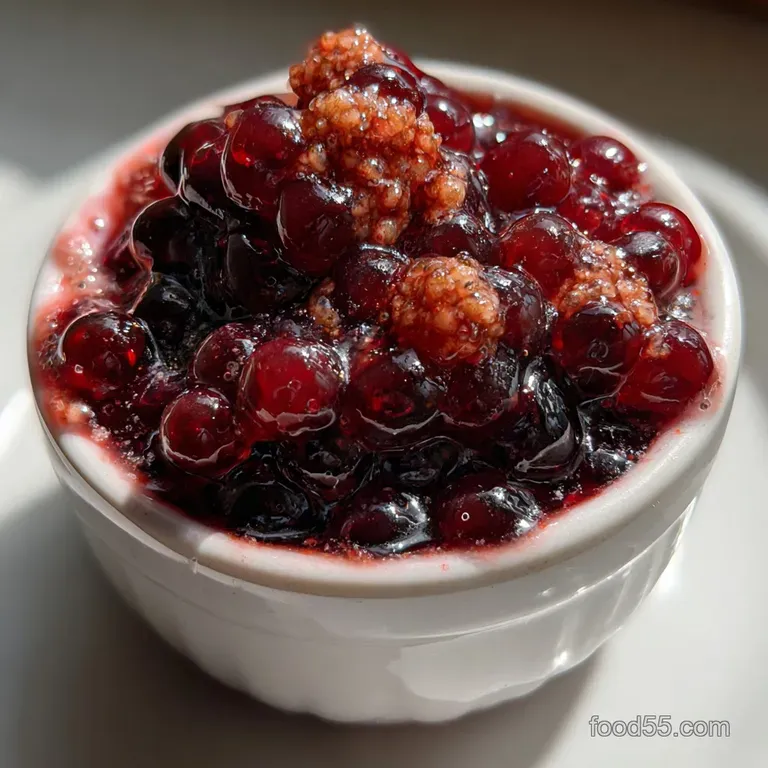
This isn’t cooking; it’s assembling. Make sure both solutions are ice cold before you start the dropping phase.
Phase I: Preparing the Chilled Calcium Bath Solution
First, measure out your water and Alginate carefully using a digital scale. I once tried to eyeball this measurement and ended up with a bath that was basically clear slime; the spheres flattened instantly.
Blend hard with your immersion blender for two full minutes until the powder is dissolved and the solution looks milky. Strain it into a clean bowl, cover it, and let it chill two hours minimum is required for degassing.
Phase II: Blending the Flavor Mixture Smoothly
Take your strained fruit puree and whisk in the sugar and the Calcium Lactate. Make sure every tiny grain of that calcium powder is dissolved before moving on. This liquid needs to be perfectly smooth and, yes, it needs to be cold too; warm liquid leads to flat boba!
Phase III: The Dropping Technique (Achieving Perfect Spheres)
This is the fun part! Fill your dropper or squeeze bottle with the flavor mixture. The key to perfect Popping Boba spheres is maintaining a consistent height about six inches above the cold alginate bath. Drop quickly and steadily; let gravity do the work.
The drop should pierce the surface of the bath and sink instantly.
Phase IV: Rinsing and Neutralizing the Spheres
Allow the spheres to cure in the bath for only 30 to 60 seconds . Use your slotted spoon to gently scoop them out, shaking off the excess alginate goo. IMMEDIATELY transfer them to the bowl of ice-cold rinsing water.
The cold water instantly halts the spherification, ensuring the membrane stays delightfully thin and easy to burst. Swirl them gently for about 30 seconds, then drain.
Chef's Note: If you hear a high pitched metallic tink sound when the spheres hit the cold rinse water, you've nailed the perfect thin shell.
Troubleshooting Kitchen Alchemy: Common Boba Blunders and Fixes
Why Your Boba Isn’t Popping (Shell is too Thick)
This is the number one complaint when people try Popping Boba for the first time. The shell is too thick because you left the spheres in the alginate bath too long more than 90 seconds is fatal. They continue to set!
Keep that curing time short, or your boba will turn into chewy little rubber balls instead of delightful, popping treats.
Preventing 'Tails' and Misshapen Spheres
"Tails" happen when the liquid drips slowly, drawing out a long strand before the sphere fully forms. To fix this, increase your drop speed or adjust the viscosity of your flavor mixture slightly by adding a tiny bit more Calcium Lactate (2 grams max). Also, ensure your alginate bath is perfectly still before dropping.
Temperature Control: The Crucial Variable for Setting the Shell
If your liquids are warm, the reaction happens too slowly, and the drops flatten instead of remaining spherical. Keep everything below 40°F (5° C). Warm ingredients lead to sticky, flat discs instead of beautiful, plump Popping Boba spheres.
Preservation Secrets: Storing Your Homemade Bursting Pearls
Optimal Refrigeration: The Best Holding Liquid
Once rinsed, you must store your spheres in a liquid bath. Plain water works, but a light simple syrup (equal parts sugar and water, chilled) or a small amount of the original fruit juice helps maintain flavor and prevents sticking.
Shelf Life Expectations for Freshly Made Spheres
Homemade Popping Boba should be consumed within 3 to 5 days, max. The membranes are delicate and, over time, the liquid inside will start to leach out, or the spheres will break down.
Unlike traditional tapioca, you absolutely cannot freeze this kind of Popping Boba because the ice crystals will shatter the delicate shell.
Showcase Your Creation: Creative Uses for Popping Boba
Elevating Bubble Tea and Specialty Mocktails
The most obvious use is replacing boring tapioca with exciting Popping Boba tea additions. They work wonders in cocktails, too! Try a few spoonfuls floating in a glass of chilled Prosecco or a sharp Gin & Tonic for a burst of unexpected, sweet flavor.
They are also fantastic layered over creamy desserts like panna cotta or cheesecake.
So there you have it: the full run-down on how to make popping boba that shines and bursts every single time. It feels like science, but it cooks up like magic. Once you nail the precision of the scale and the consistency of the drops, you will find yourself wanting to make popping boba in every flavor imaginable.
Get your digital scale ready, get chilling those liquids, and prepare to astound everyone with your brilliant, homemade Popping Boba .
Recipe FAQs
Why aren't my boba spheres perfectly round, or why are they flattening when they hit the bath?
This issue is typically caused by dropping the liquid too close to the surface of the calcium bath or using too large a volume per drop. Ensure the alginate liquid is dropped from a consistent height (about 4 6 inches) using a small syringe or squeeze bottle, allowing gravity and surface tension to form a perfect sphere before impact.
Also, make sure your alginate mixture has adequately rested to remove air bubbles.
How should I store the finished popping boba, and how long will they last?
Popping boba should be stored submerged in a mildly sweet, neutral liquid, such as a thin simple syrup or diluted juice, within an airtight container in the refrigerator. Properly stored, they will maintain their texture and "pop" quality for up to two weeks.
Freezing is highly discouraged as it destroys the delicate membrane, leading to mushy results.
My boba tastes slightly bitter or chalky after rinsing. What went wrong?
That chalky flavor is likely residual calcium chloride from the spherification bath that has not been completely removed. You must rinse the finished boba thoroughly and quickly in several changes of plain, cool water immediately after removing them from the setting bath.
Do not soak them for too long in the rinsing water, or the membrane may weaken.
Can I use highly acidic juices like lemon, lime, or cranberry for flavoring?
Highly acidic liquids (those with a pH below 4.0) interfere significantly with the reaction of the sodium alginate, preventing the necessary membrane from forming. If you must use acidic juice, you will need to add a small amount of Sodium Citrate or Sodium Bicarbonate to raise the pH level before incorporating the alginate.
Always test the mixture's pH before starting the spherification process.
Do I need specialized equipment like a culinary syringe, or can I use a regular spoon?
While spoons can work for creating very large, irregular spheres, a culinary syringe, dropper, or a precision squeeze bottle is essential for consistent, small, and uniform boba. Precision tools ensure that all drops are identical in volume and shape, which is crucial for guaranteeing they set correctly and burst reliably.
How can I troubleshoot if the liquid sets too quickly or too slowly in the calcium bath?
If the boba sets too quickly, your alginate concentration might be too high, or the calcium concentration is too strong; dilute both mixtures slightly. If they set too slowly or disintegrate, the bath might not have enough calcium, or the liquid was dropped too slowly, allowing it to spend too much time on the surface before submerging.
Ensure precise measurements for optimal results.
Is it possible to make a clear, unflavored popping boba for cocktails or presentation?
Absolutely, you can create a beautiful clear boba by using distilled water as the base for the sodium alginate solution, possibly sweetened with a clear simple syrup. Using a high-quality food grade calcium chloride solution and meticulous rinsing will ensure the final boba is transparent and visually stunning, perfect for any elegant garnish.
Homemade Popping Boba Recipe
Ingredients:
Instructions:
Nutrition Facts:
| Calories | 113 kcal |
|---|---|
| Protein | 0.2 g |
| Fat | 0.1 g |
| Carbs | 29.2 g |
