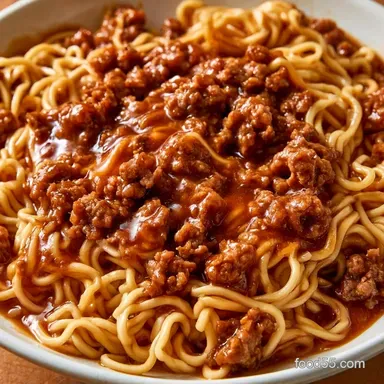
Korean Ground Beef Ramen with Fresh Ginger
- Prep/Cook Time: 10 min active + 20 min cooking
- Taste & Feel: A savory, glossy glaze paired with browned beef
- Ideal for: Quick 30-minute weeknight meals
Why do some ramen dishes feel like an afterthought while others feel like a gourmet experience? Many of us view instant noodles as a budget friendly fallback for when the pantry is bare. However, there is a simple way to upgrade those affordable noodles into a dish worthy of a fusion restaurant.
The secret lies in ditching the soup and treating the noodles as a stir fry. By blending savory soy and zingy ginger with the sweetness of brown sugar, you create a profile that satisfies every craving. It's an efficient route to bold, Asian style flavors without the tedious prep work.
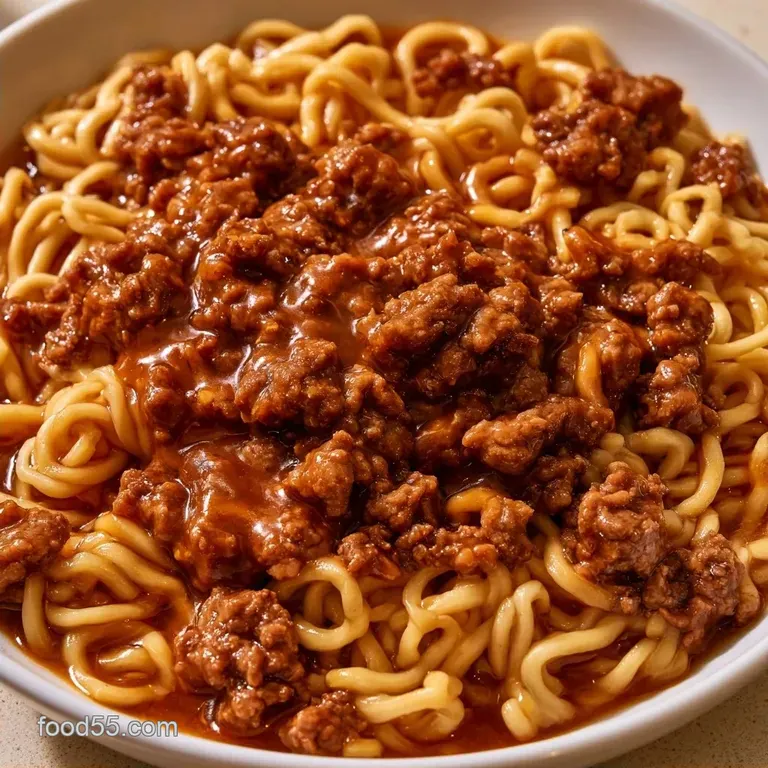
You can look forward to a hearty, shimmering result. This Korean Ground Beef Ramen isn't a traditional soup; instead, it features a dense glaze that coats every single noodle. Believe me, once you've had it this way, you'll find the standard broth version completely underwhelming.
Korean Ground Beef Ramen Specs
Here is a breakdown of the timing. This meal is quite fast, taking roughly 30 minutes total. You'll spend 10 minutes prepping the ginger and garlic, and another 20 minutes cooking. It serves 4 people, making it a great choice for a family dinner.
To see how this compares to a slow cooked version, check the table below:
| Method | Time | Texture | Best For |
|---|---|---|---|
| Stir fry | 30 mins | Glossy & Chewy | Weeknights |
| Slow simmer | 2 hours | Soft & Brothy | Slow Sundays |
If you want a specific result, use these shortcuts:
| Goal | What to change |
|---|---|
| More heat | Double red pepper flakes |
| Lighter feel | Add shredded carrots |
| Thicker sauce | Simmer 2 mins longer |
The Flavor Building Blocks
I recommend opting for lean beef. When the meat is too fatty, the glaze tends to separate from the noodles and pool at the bottom of the pan. You want a meat-to-sauce ratio that feels balanced.
| Ingredient | Role | If You Don't Have It |
|---|---|---|
| Lean Ground Beef | Hearty base | Ground turkey (milder, leaner) |
| Low sodium Soy Sauce | Salt and umami | Tamari or Coconut Aminos |
| Light Brown Sugar | Caramelization | Maple Syrup or Honey |
| Sesame Oil | Nutty aroma | Toasted sesame seeds (stir in at end) |
Full Ingredient List:
- 1 lb lean ground beef
- 1/3 cup low sodium soy sauce
- 1/3 cup light brown sugar, packedWhy this? Adds a deep, molasses like sweetness
- 1 tbsp sesame oilWhy this? Provides the signature toasted scent
- 1 tbsp fresh ginger, grated
- 3 cloves garlic, minced
- 1/2 tsp crushed red pepper flakes
- 1/4 tsp kosher salt
- 1/4 tsp black pepper
- 6 oz ramen noodlesWhy this? High starch helps sauce adhere
- 2 cups water
- 1 tbsp neutral oil
I strongly suggest using the low-sodium version of soy sauce. Between the soy and the added salt, it's easy to over season the dish. If you want a similar flavor profile but with a different base, my Soy Sauce Ground Beef and Rice is another wonderful way to use these ingredients.
Tools You'll Actually Use
Basic equipment will do just fine. The most essential tool is a large skillet, as you need plenty of surface area to brown the beef instead of letting it steam. If your pan is too small, the meat will boil, and you'll lose out on that rich, deep color.
You'll also need a medium saucepan for the noodles. For draining, a colander is recommended, but a spider strainer works just as well. Finally, use a sturdy spatula to break the beef into small, crispy bits.
How to Cook the Dish
Let's get started. Follow these instructions for the best results.
Phase 1: The Ramen Prep
- Bring 2 cups of water to a rolling boil in a medium saucepan.
- Cook the ramen noodles for 1-2 minutes less than the package suggests until al dente. Note: This ensures the noodles don't become mushy in the pan.
- Drain using a colander and set aside.
Phase 2: Searing the Beef
- Warm 1 tbsp neutral oil in a large skillet over medium high heat.
- Add 1 lb ground beef, breaking it up with a spatula, and cook until deeply browned and slightly crisp (roughly 6-8 minutes).
- Pour off the extra fat, leaving about 1 tablespoon in the pan.
Phase 3: Creating the Glaze
- Stir in the grated ginger and minced garlic; sauté for 60 seconds until fragrant.
- Mix in the soy sauce, brown sugar, sesame oil, red pepper flakes, salt, and pepper.
- Simmer for 2-3 minutes, stirring constantly, until the sauce reduces to a thick, shiny glaze.
Phase 4: The Final Toss
- Add the cooked ramen noodles to the skillet and toss vigorously for 2 minutes until the noodles are fully coated. Remove from heat immediately.
Chef's Note: Avoid rinsing the noodles after draining. The remaining starch helps the Korean Ground Beef Ramen sauce cling to the pasta.
Why the Glaze Sticks
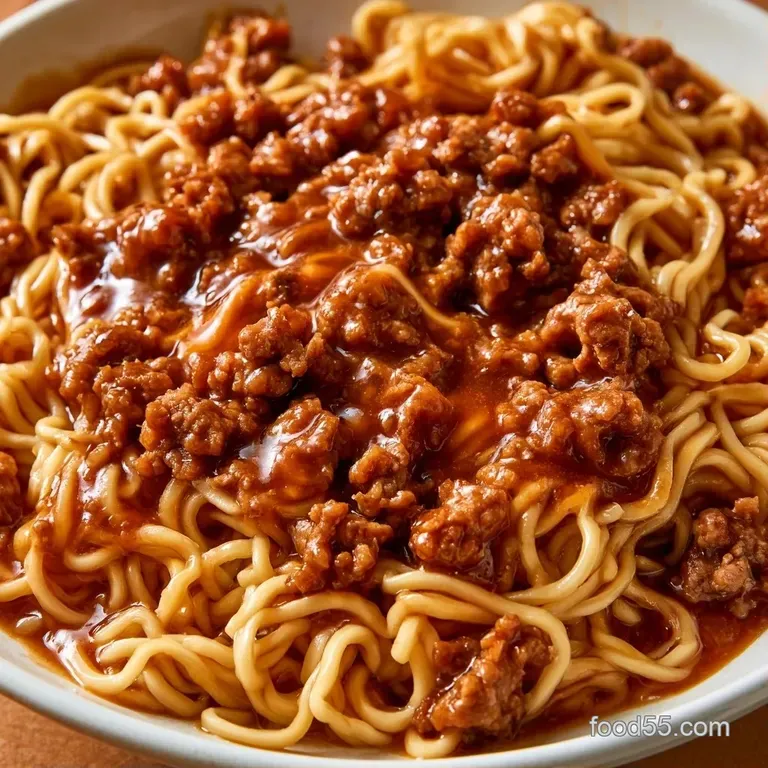
It all comes down to the heat. Searing the beef first creates a textured surface that holds onto the sauce better than boiled meat would.
High Heat Sear: Browning the beef prevents it from steaming, which keeps the texture meaty and firm. Sugar Reduction: The brown sugar melts and binds with the soy sauce, creating a syrup that coats the noodles.
Fixing Common Cooking Issues
Preventing Mushy Noodles
If your noodles turn into a paste, you're likely overcooking them in the pot. Drain them while they still have a slight snap in the center. If they're already too soft, reduce the tossing time in the skillet to 30 seconds.
Fixing a Sauce That's Too Salty
Sometimes soy sauce brands vary in saltiness. If the glaze tastes too sharp, stir in a teaspoon of honey or a squeeze of lime juice. The acidity or extra sweetness cuts through the salt.
Ensuring Beef Doesn't Steam
When you add too much meat to a cold pan, the temperature drops and the beef releases water. Always wait until the oil is shimmering before adding the meat. This ensures you get a sear rather than a grey, boiled look.
Storage and Zero Waste
You can keep leftovers in a container in the fridge for 3 days. When you reheat it, add a splash of water or a tiny bit of soy sauce. This loosens the glaze, which tends to thicken and soak into the noodles as it sits.
For the freezer, I don't recommend freezing the noodles, as they lose their texture. However, you can freeze the cooked beef and glaze mixture for up to 2 months. Just boil fresh noodles and toss them in the thawed sauce.
To avoid waste, save any leftover ginger or garlic scraps. I usually throw mine into a freezer bag to use later for a homemade vegetable stock.
Ways to Mix It Up
If you want a different vibe, try adding some vegetables. Shredded carrots or sliced bok choy work well here. Just toss them in with the garlic and ginger for a few minutes before adding the sauce.
For a leaner protein, ground turkey is a solid swap. Since turkey is drier, you might need an extra teaspoon of sesame oil to keep things moist. If you're craving something different but love the flavor profile, you might enjoy my Sourdough Garlic Herb Bread on the side to soak up any extra sauce.
Another variation is adding a jammy egg. Boil an egg for 6 minutes and 30 seconds, then shock it in ice water. Slice it in half and place it on top of your Korean Ground Beef Ramen for a rich, creamy contrast.
Plating and Color Strategy
Because the dish is primarily a deep mahogany, incorporating a few color accents will give it a polished, fusion style look. I suggest a combination of green, yellow, and white.
- The Green Accent
- Finely sliced scallions, added at the very end, provide a fresh, zesty contrast to the richness of the beef.
- The Yellow Accent
- A soft boiled egg or some corn kernels offer a bright, vivid pop.
- The White Accent
- A sprinkle of toasted sesame seeds adds a clean, professional touch.
Wait until the pan is off the high heat before adding these toppings, otherwise, the green onions will wilt and fade. Instead, portion the noodles onto plates first, then layer your garnishes. This small change turns a quick weekday dinner into a visually striking meal.
Very High in Sodium
1150 mg 1150 mg of sodium per serving (50% 50% of daily value)
The American Heart Association recommends a daily limit of 2,300mg, with an ideal limit of 1,500mg for most adults to reduce cardiovascular risk.
Tips to Reduce Sodium
-
Swap Soy Sauce-30%
Replace low-sodium soy sauce with coconut aminos, which typically contains significantly less sodium while maintaining a similar savory profile.
-
Rinse Ramen Noodles-20%
If using instant ramen packets, discard the seasoning packet and rinse the noodles thoroughly to remove surface salts.
-
Omit Added Salt-15%
Remove the kosher salt entirely; the soy sauce and ramen noodles already provide ample salinity.
-
Add Acidic Brightness-10%
Squeeze fresh lime or lemon juice over the finished dish to mimic the 'pop' of salt without adding sodium.
-
Boost Aromatics
Increase the amount of fresh ginger, garlic, and red pepper flakes to enhance flavor depth without relying on salt.
Recipe FAQs
How to make ramen without the seasoning packet?
Mix soy sauce, brown sugar, sesame oil, ginger, and garlic to create a rich, homemade glaze. This combination provides a deeper, more complex flavor than processed powders.
Is it true that only sliced steak works for beef ramen?
No, and here's why. Ground beef is actually ideal because its craggy texture captures the sticky glaze much more effectively than sliced meat.
Which spices bring out the best flavor?
Use crushed red pepper flakes for a subtle heat and fresh grated ginger for a bright, aromatic kick. If you enjoyed balancing sweet and savory notes here, see how we use the same principle in our homemade meatloaf.
Why do my noodles get too soft?
Boil the noodles for 1-2 minutes less than the package directions. This ensures they stay al dente when you toss them in the skillet with the beef.
Korean Ground Beef Ramen