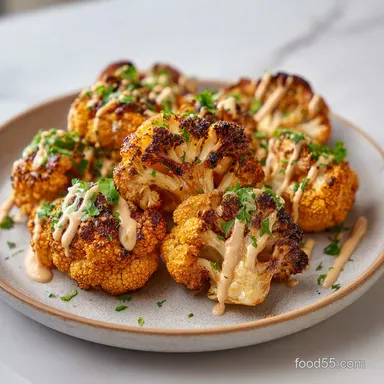
Moroccan Cauliflower Tahini Honey: Charred and Velvety
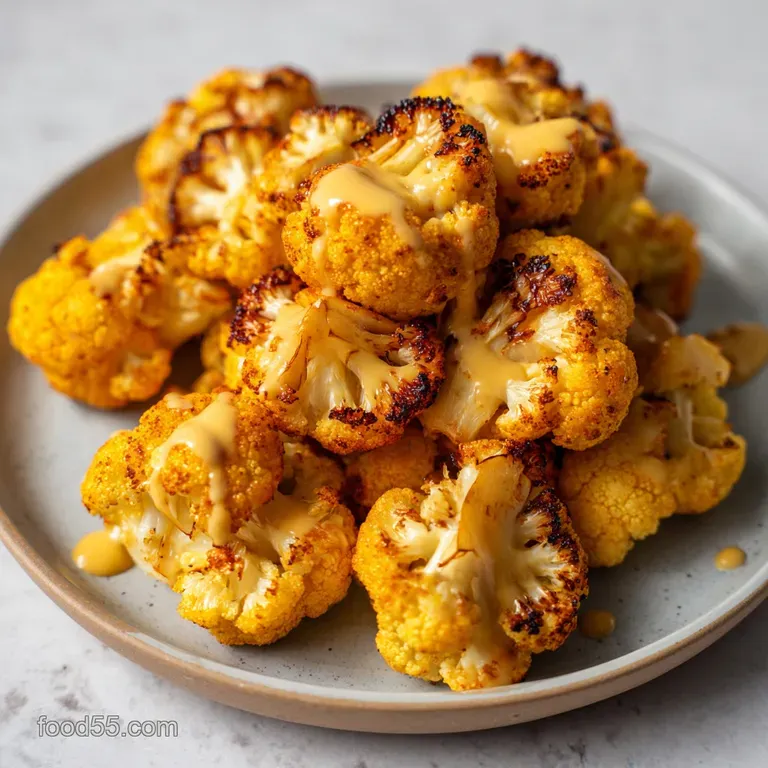
- Time: 10 min active + 30 min roasting = Total 40 minutes
- Flavor/Texture Hook: Charred, smoky florets paired with a velvety, sweet savory glaze
- Perfect for: Vibrant weeknight side dishes or a seasonal plant based centerpiece
- Moroccan Cauliflower Tahini Honey
- The Reason This Works
- Component Analysis
- Essential Ingredient Guide
- Kitchen Tools List
- Step-By-Step Cooking Guide
- Solving Common Problems
- Troubleshooting Common Issues
- Creative Flavor Twists
- Adjusting For Different Sizes
- Truths About Cauliflower
- Storage And Waste Tips
- Best Pairing Suggestions
- Recipe FAQs
- 📝 Recipe Card
That first hit of toasted cumin and smoked paprika hitting the hot oven air is honestly the best part. I remember the first time I tried making a similar dish, but I made the mistake of overcrowding the pan.
Instead of getting those beautiful, charred edges that shatter slightly when you bite into them, I ended up with a pan of steamed, mushy cauliflower. It was a total letdown, but it taught me the most important lesson about roasting cruciferous veg: give them space to breathe or they'll just sweat.
Once I figured out the spacing and cranked the heat up, everything changed. The florets go from being bland and pale to a deep, golden hue that smells like a Moroccan market. You'll love this Incredible Ultimate Moroccan Cauliflower with Tahini Honey Recipe.
It is all about that contrast between the heat of the oven and the cool, creamy drizzle of the tahini sauce.
This dish isn't just about the taste, it's about the visual pop. I've learned that a dish can taste great, but if it's all one color, it feels unfinished. That's why the garnish strategy here is so key.
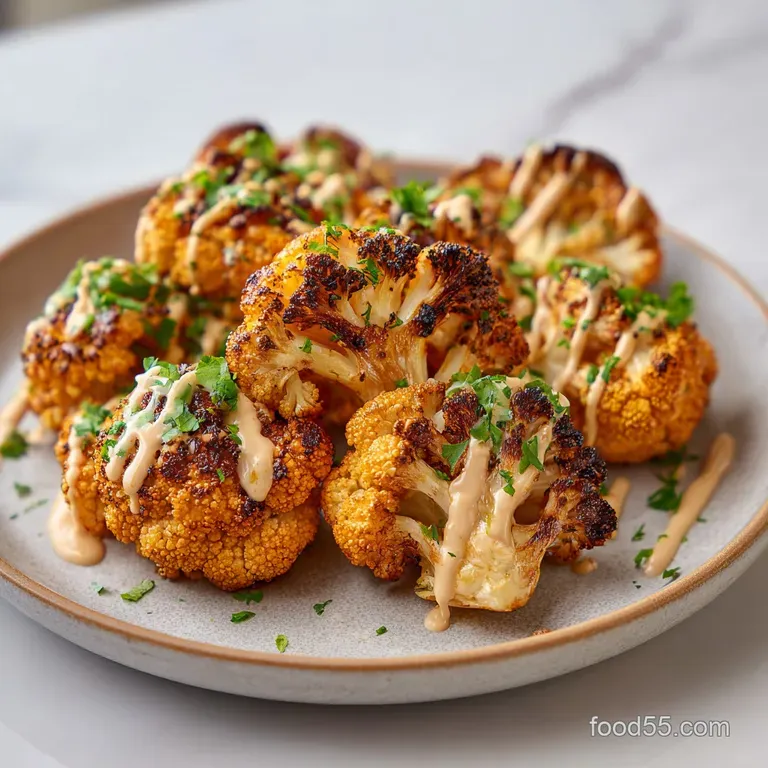
We're looking for a balance of deep gold from the roasting, a creamy off white from the tahini, a vibrant green from fresh parsley, and a toasted tan from the sesame seeds. It makes the plate look as vibrant as the flavors taste.
Moroccan Cauliflower Tahini Honey
Right then, let's get into why this particular combination of flavors just clicks. When you're working with Moroccan Cauliflower Tahini Honey, you're balancing four very different profiles: the earthiness of the cumin, the sweetness of the honey, the nuttiness of the tahini, and the zing of the lemon.
If any one of these is too loud, the whole thing falls apart, but when they're in sync, it's a total win.
I've found that the key to getting this right is the timing of the glaze. If you put the honey tahini mixture on before roasting, the sugars in the honey will burn long before the cauliflower is tender.
By drizzling it on immediately after the pan comes out of the oven, the residual heat thins the sauce just enough to let it coat every single nook and cranny of the florets without losing that fresh, zesty lemon punch.
For those who enjoy these kinds of bold flavors, you might also like my Golden oven roasted Cauliflower if you're in the mood for something with more garlic and parmesan. But for today, we're sticking to the bold, aromatic spices of North Africa. This Moroccan Cauliflower Tahini Honey is designed to be the star of the show, whether it's a side for lamb or the main event for a vegetarian dinner.
The Reason This Works
Instead of getting too technical, think of this as the "magic" happening in your oven and bowl.
High Heat Caramelization: At 425°F, the natural sugars in the cauliflower brown quickly, creating those charred, smoky bits.
The Emulsion Trick: Adding warm water to tahini slowly prevents it from seizing, turning a thick paste into a velvety pourable sauce.
Acid Balance: The lemon juice cuts through the heavy fats of the tahini and olive oil, keeping the dish from feeling too weighted.
Spice Toasting: Roasting the cumin and paprika directly on the vegetable wakes up the oils in the spices, making them smell more intense.
| Method | Time | Texture | Best For |
|---|---|---|---|
| Oven Roast | 30 mins | Charred and tender | Maximum flavor and bulk cooking |
| Stovetop | 15 mins | Soft and glazed | Small portions or quick snacks |
Component Analysis
Understanding what each part does helps when you're tweaking the recipe to fit what's in your pantry.
| Ingredient | Science Role | Pro Secret |
|---|---|---|
| Tahini | Fat base/Creaminess | Stir the jar well; the oil separates naturally |
| Honey | Sweetness/Glaze | Use a runny honey for easier mixing |
| Smoked Paprika | Aroma/Color | Use "Pimentón" for a more authentic smoky depth |
| Lemon Juice | pH Balance | Rub the lemon on the counter to get more juice |
Essential Ingredient Guide
I'm a big believer in using the freshest produce you can find. When picking a cauliflower, look for one that feels heavy for its size and has tight, creamy white florets. If you see brown spots, skip it.
- 1 medium head cauliflower, cut into bite-sized florets (2 lbs / 900g) Why this? Consistent size ensures they all cook at the same rate
- 3 tbsp extra virgin olive oil (Substitute: Avocado oil for higher smoke point)
- 1 tsp ground cumin (Substitute: Ground coriander for a citrusier note)
- 1 tsp smoked paprika (Substitute: Regular paprika + a drop of liquid smoke)
- ½ tsp ground turmeric (Substitute: A pinch of saffron for a more luxury feel)
- ½ tsp kosher salt (Substitute: Sea salt)
- ¼ tsp black pepper (Substitute: White pepper)
- ⅓ cup hulled tahini (Substitute: Almond butter for a similar nutty vibe) Why this? Provides the signature creamy, bitter base
- 2 tbsp honey (Substitute: Maple syrup for a vegan option) Why this? Balances the bitterness of the tahini
- 1 tbsp fresh lemon juice (Substitute: Apple cider vinegar)
- 1 clove garlic, minced (Substitute: ½ tsp garlic powder)
- 3 tbsp warm water (Substitute: Vegetable broth for more depth)
- Fresh parsley (Substitute: Cilantro)
- Toasted sesame seeds (Substitute: Toasted pine nuts)
Kitchen Tools List
You don't need a professional kitchen for this, but a few specific things make it way easier.
First, a large mixing bowl is a must. You need enough room to toss the cauliflower without knocking half the florets onto the floor. I usually use a stainless steel bowl because it's easy to clean.
Second, use a parchment lined baking sheet. Trust me on this. Without the parchment, the honey and spices can stick to the metal, and you'll spend twenty minutes scrubbing the pan instead of eating your Moroccan Cauliflower Tahini Honey.
Finally,, a small whisk. You can use a fork, but a whisk is what gives you that velvety, smooth texture in the tahini sauce. If you have a handheld frother, that works even better for getting it perfectly emulsified.
Step-by-step Cooking Guide
Let's crack on with the actual cooking. Remember to keep an eye on the oven, as every oven has its own little personality and some run hotter than others.
- Preheat your oven to 425°F (220°C). Note: Make sure the oven is fully heated before the veg goes in to get that immediate sizzle
- Toss the cauliflower florets in a large bowl with olive oil, cumin, smoked paprika, turmeric, salt, and pepper until evenly coated. Note: Use your hands to make sure every nook is covered in spices
- Spread the florets on a parchment lined baking sheet in a single layer. Note: If they're touching, they'll steam instead of roast
- Roast for 25–30 minutes, flipping halfway through, until florets are golden brown with charred edges.
- While roasting, whisk together tahini, honey, lemon juice, and minced garlic in a small bowl.
- Slowly add warm water one tablespoon at a time to the tahini mixture, whisking until it reaches a pourable, velvety consistency.
- Immediately after removing the cauliflower from the oven, drizzle the tahini honey sauce over the warm florets. Note: The heat from the veg helps the sauce cling to the surface
- Garnish with fresh parsley and toasted sesame seeds before serving.
Chef's Tip: If you want an even deeper char, turn on the broiler for the last 2 minutes of roasting. Just stay right there and watch it, it can go from "perfectly charred" to "burnt" in about ten seconds.
Solving Common Problems
Even the best of us hit a snag now and then. If your Moroccan Cauliflower Tahini Honey isn't looking quite right, don't panic. It's usually a quick fix.
Troubleshooting Common Issues
| Issue | Solution |
|---|---|
| Why Your Sauce Is Too Thick | Sometimes tahini can be temperamental. If your sauce looks more like a paste than a drizzle, you've likely just under hydrated it. Tahini absorbs water differently depending on the brand. Just keep ad |
| Why Your Veg Is Mushy | This almost always comes down to one of two things: too much moisture on the cauliflower after washing, or a crowded pan. If the florets are too close together, the steam can't escape, and you end up |
| Why Your Sauce Split | If you see little droplets of oil separating from the sauce, it's likely because the lemon juice or water was added too quickly. You can fix a broken sauce by adding a tiny bit more warm water and whi |
Creative Flavor Twists
One of the things I love about Moroccan Cauliflower Tahini Honey is how adaptable it is. Once you have the base method down, you can really play around with the profile.
For a spicy roasted cauliflower version, I like to add a teaspoon of harissa paste to the olive oil mix. Harissa brings a deep, fermented chili heat that works beautifully with the honey.
If you're not into heat, you can swap the honey for maple syrup to make it fully vegan, though the flavor shifts slightly toward a more woody sweetness.
If you're looking for a zesty Mediterranean profile, try adding some sumac to the spice mix. Sumac has a natural, tart flavor that mimics lemon and adds a gorgeous deep red color to the florets.
For an earthy nutty crunch, swap the sesame seeds for toasted slivered almonds or pomegranate seeds for a burst of juicy acidity.
If you enjoy these types of vegetable forward dishes, you might want to check out my Easy Cauliflower Fritters Recipe for a different way to use up a head of cauliflower. It's a great way to introduce more veg into your diet without it feeling like a chore.
Adjusting For Different Sizes
Scaling a recipe isn't always as simple as doubling the numbers. When you're dealing with oven roasting, the physics of the pan matter more than the math of the ingredients.
Scaling Down (Half Batch): If you're just cooking for two, use a smaller sheet pan. You can reduce the roasting time by about 20%, but the best cue is still the color.
Don't forget to beat one egg if a recipe calls for half an egg (though not applicable here), and be careful not to over season with the salt.
Scaling Up (Double or Triple Batch): This is where most people mess up. If you double the Moroccan Cauliflower Tahini Honey, do NOT try to fit it all on one pan. You'll end up with that mushy texture we talked about. Work in batches or use two separate baking sheets.
I also suggest increasing the spices to only 1.5x rather than 2x, as the concentrated flavors can become overwhelming in larger quantities.
For the sauce, you can double the ingredients exactly. Just make sure you have a large enough bowl to whisk everything together without it splashing over the sides. If you're making a massive amount for a party, you can actually make the tahini honey sauce a few hours in advance and keep it in the fridge; just stir it well before drizzling.
Truths About Cauliflower
There are a few things people always tell me about cauliflower that just aren't true. Let's set the record straight.
First, the idea that you have to "pre boil" or "steam" cauliflower to make it tender in the oven is a total myth. In fact, doing that is the fastest way to ensure your veg ends up soggy. High heat and enough oil are all you need to get a tender interior and a crispy exterior.
Second, some people think tahini is only for hummus. While it's the star of hummus, it's actually a versatile fat source that works in everything from brownies to this Moroccan Cauliflower Tahini Honey. Its slight bitterness is the perfect counterpoint to sweet ingredients like honey or maple.
Finally,, the myth that "all cauliflower tastes the same." Depending on how you cook it, cauliflower can be anything from a creamy mash to a charred, meaty steak. The key is the temperature and the spice profile you choose.
Storage And Waste Tips
If you happen to have leftovers (which is rare in my house), you can store the roasted cauliflower in an airtight container in the fridge for up to 4 days. I recommend storing the sauce separately. If you mix the sauce in and leave it overnight, the cauliflower will absorb all the liquid and lose its structure.
To reheat, avoid the microwave if you can. A microwave will make the florets soft. Instead, pop them back in the oven or an air fryer at 350°F for about 5-7 minutes. This brings back some of that shatter crisp texture.
As for freezing, I don't recommend freezing the finished dish, as the tahini sauce can separate and the cauliflower becomes watery upon thawing.
Regarding zero waste, don't throw away the cauliflower leaves! They are completely edible and actually taste like a cross between kale and broccoli. I usually toss them on the same baking sheet as the florets. They get incredibly crispy and charred, almost like chips.
You can also use the cauliflower core by slicing it thin and roasting it right along with the rest.
Best Pairing Suggestions
Since Moroccan Cauliflower Tahini Honey is so bold, you want to pair it with things that either complement the earthiness or provide a refreshing contrast.
I love serving this alongside a bowl of fluffy couscous or quinoa. The grains soak up any extra tahini sauce that pools on the plate, so nothing goes to waste. If you're looking for a protein, grilled lamb chops or a spiced chickpea stew are fantastic choices.
The richness of the lamb is cut perfectly by the lemon in the sauce.
For a fresh contrast, a simple cucumber and tomato salad with a bit of mint and lemon juice works wonders. The cool, crisp nature of the salad balances the warm, smoky intensity of the roasted cauliflower.
If you're serving this as part of a mezze platter, add some warm pita bread and a side of olives to round out the meal.
And there you have it, your dish is ready to serve! This vibrant, flavorful cauliflower can be a fantastic side or even a main dish for those looking for a plant forward meal. Just remember: keep those florets spaced out, don't skimp on the lemon, and enjoy the beautiful color balance on your plate.
Trust me, your friends will be asking for the recipe the moment they smell those spices hitting the table.
Recipe FAQs
Can I mix the sauce in before storing the cauliflower in the fridge?
No, store the sauce separately. If mixed overnight, the cauliflower absorbs the liquid and loses its structure.
Why did my cauliflower come out mushy instead of charred?
Avoid crowding the baking sheet. When florets are too close, they steam instead of roast, preventing those golden-brown edges from forming.
How to thin out the tahini sauce if it is too thick?
Whisk in warm water one tablespoon at a time. Continue until the mixture reaches a velvety, pourable consistency.
Is it true that roasting at 375°F is better for cauliflower?
No, this is a common misconception. You must use a higher temperature of 425°F to achieve the signature charred edges.
Can I use this tahini sauce on other vegetables?
Yes, it works well on most roasted roots. If you nailed the stable emulsion in this dressing, use the same whisking method for our creamy tahini dressing.
How to reheat leftovers without losing the crunch?
Place them in the oven or air fryer at 350°F for 5-7 minutes. Avoid the microwave, as it will make the florets soft.
How to get the spices to stick to every floret?
Toss the cauliflower with your hands in a large bowl. This ensures the olive oil and spice blend cover every nook and cranny before roasting.
Moroccan Cauliflower Tahini Honey for 4