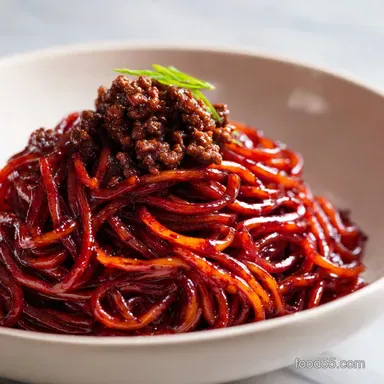
Incredible Ultimate Korean Beef Noodles Recipe
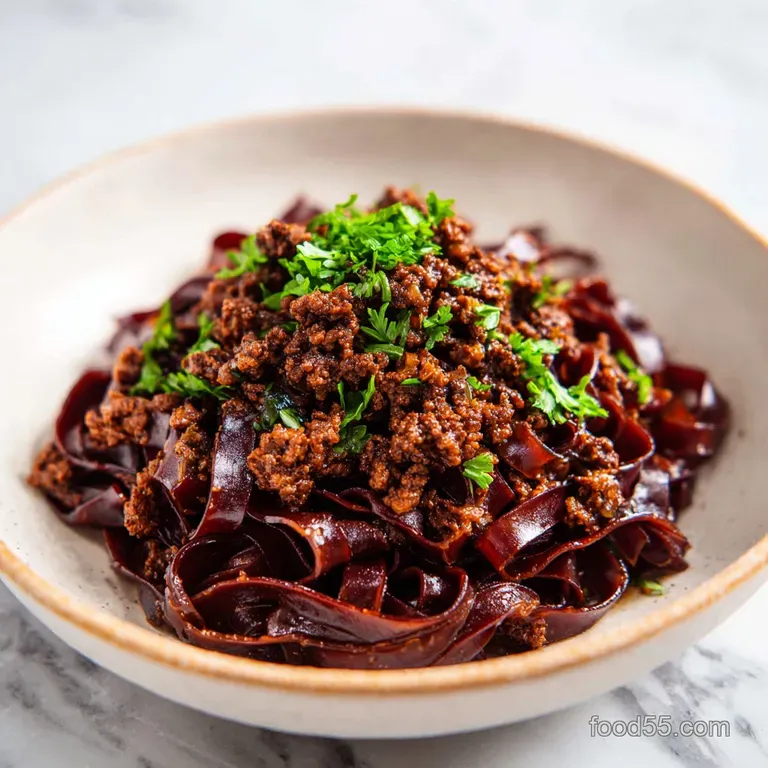
- Time: 10 min prep + 15 min cook = Total 25 min
- Flavor/Texture Hook: Glossy, umami rich sauce with a slight spicy kick
- Perfect for: Weeknight dinner or a contemporary dinner party
The second that toasted sesame oil hits a shimmering pan, the kitchen transforms. It is that nutty, deep aroma that tells you something serious is happening. For me, the heart of this dish is the Gochujang.
I remember the first time I tried to swap it for a mix of Sriracha and miso because I couldn't find a Korean grocer nearby. It was a disaster. The Sriracha was too thin and acidic, and the miso was too heavy, leaving the dish tasting like a confused soup rather than a focused, bold stir fry.
Gochujang isn't just "Korean chili paste," it is a fermented powerhouse. It brings a slow burn heat and a depth of flavor that you just can't replicate with standard hot sauces. Once you taste the way it caramelizes against the beef, you'll never go back to the shortcuts.
This is where we blend those bold, contemporary flavors with a technique that keeps the noodles from turning into a mushy clump. We are aiming for a result that looks as good as it tastes, with a mahogany colored beef and a finish that's almost mirror like.
Whether you are feeding the family or trying to impress someone, this Incredible Ultimate Korean Beef Noodles Recipe delivers a high impact meal in under half an hour.
Incredible Ultimate Korean Beef Noodles Recipe
Right then, let's get into the mechanics of why this works. You aren't just throwing things in a pan, you are building layers of flavor. Most people just boil noodles and toss them in sauce, but that's how you end up with a soggy mess.
We are going to sear the beef first to get those crispy, savory edges, and then we'll emulsify the sauce right in the pan.
The Sugar Bond: Honey doesn't just add sweetness, it creates a thick, glossy glaze that binds the sauce to the beef. This is what gives the dish its velvety look.
Acid Balance: Rice vinegar cuts through the richness of the beef and the fermented funk of the Gochujang. Without it, the dish would feel "heavy" on the tongue.
Noodle Hydration: Rice noodles are starch heavy. By tossing them in the sauce for only 60-90 seconds, we ensure they are coated without absorbing all the liquid and becoming gummy.
Aroma Activation: Garlic and ginger are added to the sauce but activate when they hit the hot beef, releasing oils that scent the entire dish.
| Method | Time | Texture | Best For |
|---|---|---|---|
| Stovetop (Wok) | 25 mins | High sear, glossy | Quick dinner, high heat |
| Slow Cooker | 4-6 hrs | Tender, braised | Meal prep, low effort |
Component Analysis
Not all ingredients are created equal here. If you use the wrong type of soy sauce or a cheap honey, the balance shifts. Here is the breakdown of what's actually happening in your pan.
| Ingredient | Science Role | Pro Secret |
|---|---|---|
| Gochujang | Fermented Base | Use a brand with rice flour for a thicker cling |
| Rice Vinegar | pH Balancer | Adds a "bright" note that wakes up the umami |
| Honey | Glazing Agent | Better than sugar as it adds a floral note |
| Sesame Oil | Flavor Carrier | Always add at the start to coat the pan |
Shopping List Breakdown
When you're hitting the store, don't just grab the first thing you see. For the beef, go for lean ground beef. I know some people love the extra fat of 80/20, but for this specific recipe, too much grease will dilute the glaze and make it slide off the noodles. You want the beef to brown and crisp, not boil in its own fat. If you're looking for other ways to handle beef, my Beef Burger Recipe has a great guide on managing fat ratios for a great sear.
For the noodles, stick to rice noodles. They have a unique, slippery texture that handles the weight of the Gochujang sauce much better than wheat noodles. If you can't find the wide flat ones, thin vermicelli works too, though the "mouthfeel" changes.
The Essentials:
- 1 lb lean ground beefWhy this? Prevents the sauce from becoming greasy
- 12 oz rice noodlesWhy this? gluten-free and absorbs glaze perfectly
- 1 tbsp toasted sesame oilWhy this? Essential for that authentic nutty aroma
- 3 tbsp GochujangWhy this? The fermented soul of the dish
- 3 tbsp low sodium soy sauceWhy this? Provides salt without overpowering the heat
- 1 tbsp honeyWhy this? Creates the glossy, sticky finish
- 1 tbsp rice vinegarWhy this? Cuts through the richness
- 1 tbsp freshly grated gingerWhy this? Fresh is a must for that zing
- 3 cloves minced garlicWhy this? Classic aromatic base
- 3 stalks sliced green onionsWhy this? Freshness and color contrast
- 1 tbsp toasted sesame seedsWhy this? Adds a tiny bit of crunch
- 1 tsp red pepper flakesWhy this? Adds a sharp, immediate heat
Substitution Guide:
| Original Ingredient | Substitute | Why It Works |
|---|---|---|
| Honey (1 tbsp) | Brown Sugar (1 tbsp) | Similar sweetness. Note: Slightly less glossy finish |
| Rice Vinegar (1 tbsp) | Apple Cider Vinegar (1 tbsp) | Similar acidity. Note: Adds a fruitier, sharper tang |
| Gochujang (3 tbsp) | Miso + Sriracha (2:1 ratio) | Mimics the funk and heat. Note: Lacks the fermented depth |
| Lean Ground Beef (1 lb) | Ground Turkey (1 lb) | Leaner protein. Note: Needs extra sesame oil for flavor |
Now, just a quick tip on the ginger. Please, for the love of all things tasty, grate it fresh. The powdered stuff in the jar tastes like cardboard and will kill the vibrancy of the dish.
Equipment Needed
You don't need a professional kitchen, but the right pan makes a difference. A large non stick skillet is fine, but if you have a carbon steel wok, use it. The high walls allow you to toss the noodles vigorously without everything flying onto your stove.
You'll also want a pair of tongs. Trying to stir rice noodles with a spoon is a recipe for breaking them. Tongs allow you to lift and fold the noodles into the beef, ensuring every strand is coated in that mahogany glaze.
From Prep to Plate
Let's crack on. Remember, the goal here is speed and heat. You want to move quickly once the beef is in the pan.
- Whisk the glaze. Combine the gochujang, low sodium soy sauce, honey, rice vinegar, grated ginger, and minced garlic in a small bowl. Note: Letting this sit for 10 minutes lets the honey dissolve completely.
- Prep the oil. Heat the sesame oil in your skillet or wok over medium high heat until it begins to shimmer.
- Sear the beef. Add the lean beef, breaking it apart with a spatula. Cook until the beef is browned and the edges are mahogany colored. This is where the flavor lives.
- Apply the glaze. Pour the prepared mixture over the browned beef.
- Reduce the sauce. Stir constantly for 2-3 minutes until the sauce bubbles and thickens into a glossy sheen.
- Add noodles. Toss in your pre cooked and drained rice noodles.
- The Final Fold. Using tongs, toss vigorously for 60-90 seconds until the noodles are fully coated and glistening.
- Finish and plate. Remove from heat immediately. Garnish with sliced green onions, toasted sesame seeds, and red pepper flakes.
Chef's Note: To get that "restaurant" look, don't overcook the noodles in the pan. The second they look glossy, get them out. If you leave them too long, they'll soak up all the sauce and go from velvety to sticky.
Avoiding Kitchen Disasters
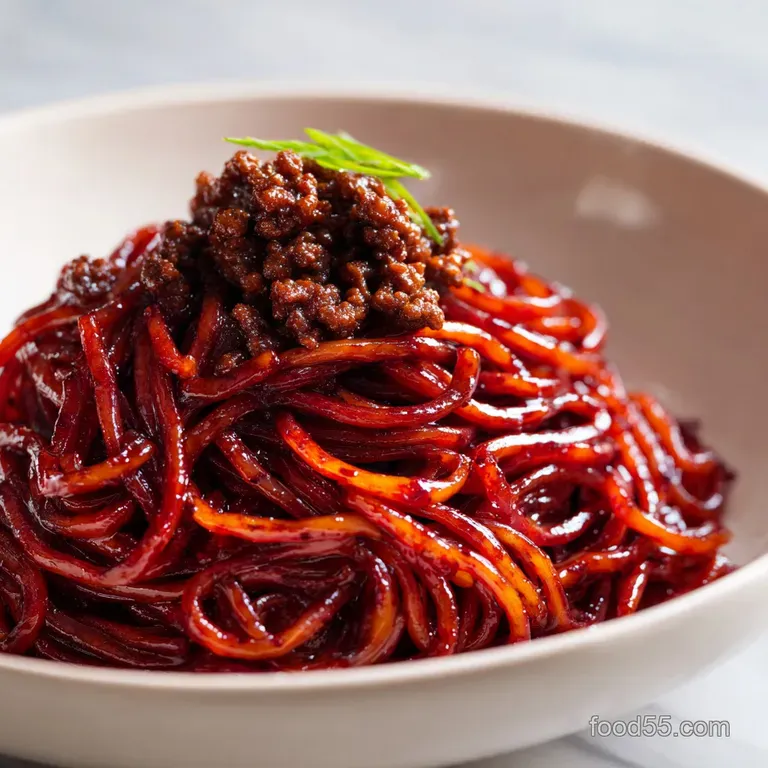
One of the biggest issues people have with this dish is the "clumping" effect. Rice noodles are notorious for sticking together the moment they hit the air. To avoid this, rinse your noodles in cold water immediately after boiling them. This removes the excess surface starch. According to guides on rice noodle preparation, this is the secret to keeping them separate.
Troubleshooting Common Issues
| Issue | Solution | |
|---|---|---|
| Why Your Noodles Are Gummy | If your noodles feel more like a paste than a noodle, you likely overcooked them in the boiling water or left them in the pan too long. The starch breaks down and creates a glue like consistency. | |
| Why the Sauce is Too Spicy | Gochujang varies by brand. Some are much hotter than others. If you've accidentally made a "fire bomb" version, don't panic. You can neutralize the heat by adding a teaspoon more of honey or a splash | |
| Why the Beef is Steaming | If you crowd the pan with too much beef at once, the temperature drops and the meat releases water. Instead of searing, the beef boils in its own juices. Work in batches if your pan is small. | P |
Mix It Up
This recipe is a fantastic base for innovation. If you're in the mood for something different, you can easily pivot. For those who prefer a more comforting, liquid based meal, you can transform this into a Korean beef noodles soup. Simply add 4 cups of beef broth to the pan after the sauce has reduced, bring it to a simmer, and then add the noodles. If you've tried my Hearty Sopa de Res, you know how a great beef base can carry a whole meal.
Decision Shortcut:
- If you want it spicier: Double the red pepper flakes or add a teaspoon of Gochugaru.
- If you want it tangier: Add an extra splash of rice vinegar right before serving.
- If you want it crunchier: Add shredded carrots and snap peas during the beef searing phase.
For those avoiding meat, this works brilliantly with extra firm tofu or crumbled tempeh. Just be sure to sear the tofu until it's golden and crispy before adding the glaze, as tofu doesn't have the same natural fats as beef to help with the caramelization.
Make-ahead and Leftover Tips
Because of the starch in the rice noodles, this dish is best served fresh. However, it's totally doable for meal prep. Store the cooked noodles and beef in an airtight container in the fridge for up to 3 days.
When you reheat it, the noodles will likely be stuck together in a block. Do not just microwave it on high. Add a tablespoon of water or a drizzle of sesame oil, then heat it in a skillet over medium heat. The water will create a bit of steam that loosens the noodles without overcooking them.
For zero waste, use your green onion ends! Chop the white and light green parts to sauté with the beef, and save the dark green tops for the final garnish. If you have leftover Gochujang, it makes a killer marinade for grilled chicken or a spicy dip for raw vegetables.
Presentation Tips
Since we are going for an artistic vibe, don't just dump the noodles in a bowl. Use a pair of long chopsticks to twirl the noodles into a neat nest in the center of a wide, shallow bowl. This creates height and makes the dish look more intentional.
Drizzle a tiny bit of extra toasted sesame oil around the edges of the nest for a professional finish. Place your green onions on top in a diagonal line, then sprinkle the sesame seeds and red pepper flakes specifically over the center.
The contrast of the bright green onions against the deep mahogany beef is what makes this dish a visual winner. If you have a few fresh cilantro leaves or a slice of lime, add them to the side for a pop of color and a fresh, citrusy aroma.
Critical in Sodium
1380 mg 1,380 mg of sodium per serving (60% 60% of daily value)
The American Heart Association recommends a daily sodium limit of no more than 2,300 mg, and an ideal limit of no more than 1,500 mg for most adults.
Tips to Reduce Sodium
-
Swap Soy for Coconut Aminos-30%
Replace the low-sodium soy sauce with coconut aminos, which typically contains significantly less sodium while maintaining a similar savory flavor.
-
Reduce Gochujang Volume-20%
Cut the Gochujang amount in half and increase the red pepper flakes to maintain the heat and color without the excessive salt.
-
Increase Acidity-10%
Add an extra teaspoon of rice vinegar or a squeeze of fresh lime juice to brighten the dish, which tricks the palate into needing less salt.
-
Use Unprocessed Beef-10%
Ensure the lean ground beef is fresh and unseasoned, as some pre-packaged meats are injected with saline solutions to preserve moisture.
-
Boost Fresh Aromatics
Double the amount of freshly grated ginger and minced garlic to create a more complex flavor profile that reduces the reliance on salty sauces.
Recipe FAQs
Can I substitute the glaze with a different sauce?
Yes, a savory-sweet alternative works well. If you enjoy the flavor balancing used here, see how the same principle works in our homemade stir fry sauce.
Why are my rice noodles gummy?
You likely overcooked them. Leaving noodles in boiling water or the pan too long breaks down the starch, creating a glue-like consistency.
What should I do if the sauce is too spicy?
Add an extra teaspoon of honey. Gochujang heat levels vary by brand, and adding more honey helps neutralize the intensity.
Why is the beef steaming instead of browning?
The pan is overcrowded. Adding too much meat at once lowers the surface temperature, preventing the beef from reaching a crisp, mahogany color.
How to store and reheat these noodles?
Store in an airtight container for up to 3 days. Reheat in a skillet over medium heat with a small splash of water to loosen the sauce.
Is it true I must use a specific brand of Gochujang for the correct flavor?
No, this is a common misconception. Any standard Korean chili paste works, though you may need to adjust the honey if your chosen brand is exceptionally hot.
How to achieve a glossy sheen on the beef?
Stir constantly for 2–3 minutes after adding the glaze. This allows the sauce to bubble and reduce until it thickens and coats the beef perfectly.
Korean Beef Noodles in 25 Minutes