Praline Crunch Bars: the Queens Sticky Pecan Toffee Dream
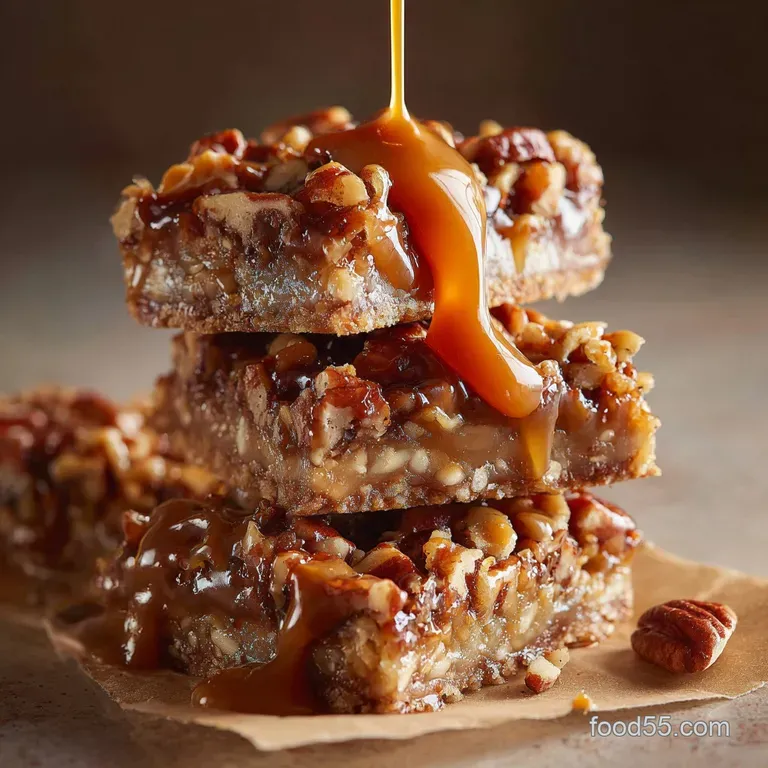
- The Ultimate Recipe for Pecan Praline Crunch Bars
- Engineering the Perfect Crunch: Why Our Praline Crunch Bars Succeed
- Essential Pantry Checklist & Smart Substitutions
- The Queen's Method: Making Praline Crunch Bars, Step-by-Step
- Troubleshooting Your Bake: Ensuring Clean Slices and Perfect Set
- Shelf Life and Preservation: Storing Praline Crunch Bars
- Elevate the Experience: Ideal Pairings and Servings
- Recipe FAQs
- 📝 Recipe Card
The Ultimate Recipe for Pecan Praline Crunch Bars
Can we just talk about the smell for a second? When you pull these Pecan Praline Crunch Bars out of the oven, the whole kitchen is hit with this ridiculous wave of toasted pecan, burnt butter, and deep, molasses rich caramel.
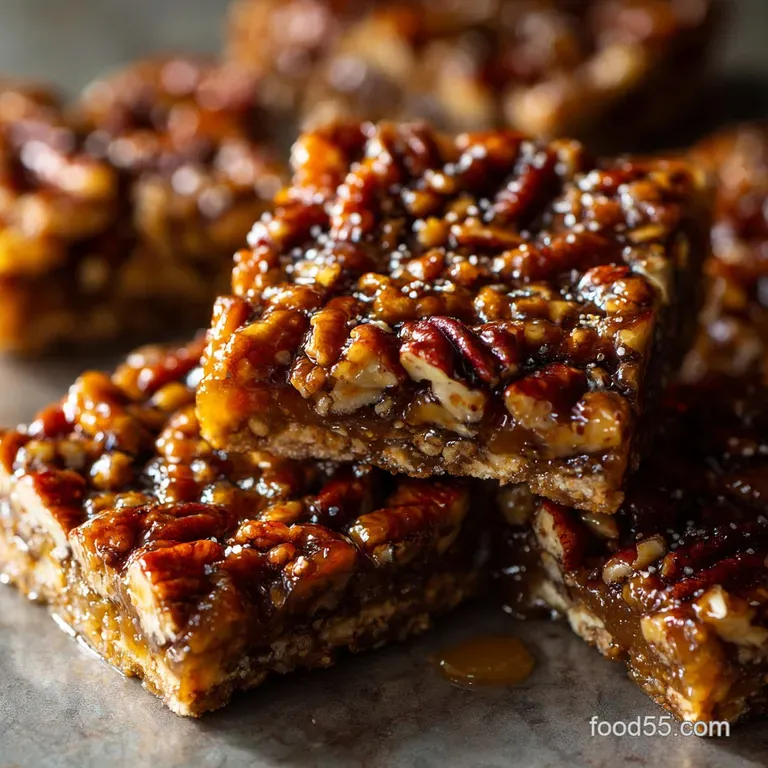
That scent alone is enough to make me feel like I’ve won the baking lottery. The texture is even better: you get a tender, almost sandy shortbread base hugging a thick layer of ridiculously chewy, crunchy praline topping.
This dessert is my go-to when I need to look ridiculously competent without actually putting in much effort. It requires minimal active time, and the ingredients are all pantry staples you likely have right now.
They travel beautifully too, making them the ultimate potluck hero or the perfect thing to smuggle into a movie night (don't tell anyone I said that).
Right, stop staring longingly at the photos; it’s time to get down to business. Trust me, once you master the shortbread base and the three minute caramel boil, these Praline Crunch Bars will be on permanent rotation.
Let’s crack on and talk about how we engineer this perfect dessert.
Engineering the Perfect Crunch: Why Our Praline Crunch Bars Succeed
What Makes These Bars ‘The Queen’s Own’?
A lot of pecan bar recipes fail because the crust gets soggy or the topping turns into tooth shattering rock candy. Not here, friend. This recipe is designed to deliver maximum contrast a tender, flaky base supporting a sturdy, chewy, deeply flavored praline layer.
It works because we treat the two main components separately before uniting them in glorious harmony.
A Sticky Toffee Dream: Texture Breakdown
If you are a fan of that sticky, chewy texture that pulls slightly when you take a bite, then this recipe is your soulmate. The key to that perfect, toothsome caramel is the combination of brown sugar and a tiny bit of corn syrup (or honey).
That little bit of liquid sugar prevents the brown sugar from crystallizing, ensuring a smooth, pliable toffee layer even after it cools.
The Three Layers: Shortbread, Caramel, and Crunch
It really comes down to the architecture, doesn’t it? First, we have the delicate shortbread, which we par-bake (that's the "blind bake principle" coming up). Then comes the sticky toffee, cooked just until it hits that soft ball stage texture.
Finally, the toasted pecans are folded in, providing the necessary crunch factor that cuts through all that glorious sweetness.
The Role of Brown Sugar in Caramel Depth
We are using dark brown sugar specifically, and this is non-negotiable if you want that deep, almost burnt sugar flavour. Unlike white sugar, brown sugar is already caramelizing because of the molasses content. This gives us a massive head start and creates a rich depth that plain sugar caramel can't touch.
Achieving the Tender Shortbread Base (The Blind Bake Principle)
We blind bake the shortbread base for about 20 minutes before adding the praline topping. Why? Because the shortbread needs to set up and develop structure before being drowned in hot caramel.
If you skip the blind bake, the caramel will seep into the raw dough, turning your crust into a dense, gummy mess. Using ice-cold butter and confectioners’ sugar also ensures the crust is impossibly tender and melt-in-your mouth.
The Maillard Reaction in Toasting Pecans
Don't skip toasting your pecans! This is a simple step, but it unlocks incredible flavor via the Maillard reaction (that magical browning process). When the pecans are toasted, their natural oils release, making the nuts taste intensely nutty and less bitter.
It only takes five minutes in a dry skillet, but it truly transforms the entire bar.
Essential Pantry Checklist & Smart Substitutions
Listen, I know life happens and sometimes you are missing an ingredient. That’s why I always have a backup plan. Here are the core ingredients and how you can switch them up without sacrificing the final flavor profile.
| Ingredient | Role | Viable Substitution |
|---|---|---|
| Pecans | The crunch and flavor base. | Walnuts, almonds, or even chopped hazelnuts. |
| Unsalted Butter | Fat for shortbread and caramel. | Salted butter (reduce the added salt by half). |
| Dark Brown Sugar | Depth and chewiness for the praline. | Light brown sugar + 1 tsp molasses. |
| Heavy Cream | Softens the cooked caramel. | Evaporated milk or whole milk (less ideal, but works). |
| Confectioners’ Sugar | Tenderness for the shortbread. | Granulated sugar, pulsed in a food processor until fine. |
Choosing the Right Butter for the Shortbread
You need cold, cubed butter for the shortbread. I use unsalted so I can control the salt content, but use what you have. The main thing is temperature; the butter must be ice-cold to prevent it from blending fully with the flour, which creates that desirable, crumbly texture.
Pecan Purity: Toasting vs. Untoasted Nuts
We already talked about the flavor boost from toasting, but it also improves the texture. Untoasted nuts are soft and damp; toasted nuts hold their crunch beautifully against the gooey caramel. Seriously, give them a quick toast before you start the caramel.
Dairy Options for the Sticky Toffee Layer
Heavy cream (or double cream) is best because its high fat content ensures a luxurious, smooth finish. If you only have milk, try using evaporated milk instead of standard whole milk; it has less water and incorporates into the hot sugar better without seizing.
Can I Swap Pecans for Walnuts or Almonds?
Absolutely! This recipe is incredibly forgiving regarding the nut choice. If you prefer the slight bitterness of walnuts or the delicate flavor of sliced almonds, swap them in at a 1:1 ratio. The mechanics of the bar remain the same.
The Queen's Method: Making Praline Crunch Bars, step-by-step
Phase 1: Preparing and Par-Baking the Shortbread Crust
- Prep Time: Preheat your oven to 350°F (175°C). Line your 9x13 inch pan with parchment paper, making sure the paper hangs over two sides. This is your "sling," and it is essential for clean removal later.
- Mix the Dry: Whisk together the flour, confectioners' sugar, and salt in a bowl or food processor.
- Cut in Butter: Add your cold, cubed butter. Pulse the mixture in the processor or cut it in by hand until it looks like coarse sand. Stop immediately once the mixture holds its shape when squeezed.
- Press and Dock: Dump the dough into the prepared pan. Press it down firmly and evenly. Use a fork to prick the entire surface of the dough this is called docking and prevents the crust from puffing up oddly while baking.
- Blind Bake: Bake for 18 to 20 minutes until the edges are just set and faintly golden. Keep the oven hot!
Phase 2: Cooking the Praline Caramel Filling
- Toast Your Nuts: While the shortbread bakes, quickly toast those pecans in a dry skillet until they smell fantastic. Set them aside.
- Start the Caramel Base: In a heavy bottomed saucepan, melt the 1/2 cup butter, dark brown sugar, and honey/corn syrup over medium heat. Stir constantly until all the sugar is completely dissolved and the mixture is smooth.
- Boil: Bring the mixture to a rolling boil a boil that doesn’t stop when you stir it. Crucially, stop stirring once it hits this stage. Let it boil undisturbed for exactly 3 minutes.
- Finish: Remove the pan from the heat. Carefully stir in the room temperature heavy cream, vanilla, and salt. It will bubble violently; don't panic, just whisk until it's smooth again.
- Fold: Fold in the toasted pecans quickly.
Phase 3: Assembly, Baking, and the Crucial Cooling Process
- Assemble: Pour the hot praline filling evenly over the warm, pre-baked shortbread crust. Work fast so the caramel doesn’t start to set in the pan. Gently nudge it into the corners with a spatula.
- Final Bake: Return the pan to the oven for 15 to 18 minutes. The topping should be completely bubbly across the surface and look deep amber in color.
- Cooling: Remove the pan and set it on a wire rack. Let the bars cool completely to room temperature (about 90 minutes). This is a test of patience, but a necessary one.
Chef's Note: If you want a fun contrast in texture, try adding 1/2 teaspoon of flaky sea salt to the top of the bars right after they come out of the oven. The salt crystals against the sweet caramel are brilliant.
Troubleshooting Your Bake: Ensuring Clean Slices and Perfect Set
Preventing a Hard or Grainy Caramel
The main culprit here is crystallization. If your caramel is too hard or grainy, it means either you stirred it while it was boiling, or you overcooked it past the soft ball stage. Use that 2 tablespoons of corn syrup/honey; it acts as a crystal inhibitor.
Also, stick to that strict 3 minute boil time.
How to Know When the Praline Filling is Set
It must be firm to the touch, not just warm. Once the bars have cooled to room temperature, move them to the fridge for at least 30 minutes. When the praline is truly set, it won't yield significantly when you lightly press your finger on it.
The Hot Knife Technique for Crisp Edges
Do not attempt to slice these bars when they are soft or warm. Lift the chilled slab out using the parchment sling. Now, grab your sharpest, largest knife. Run the knife under very hot water and wipe it completely dry. Make your cut, then reheat and wipe the knife again before the next cut.
This melts the caramel cleanly instead of dragging it.
Why Your Shortbread Base Might Be Crumbly
It’s actually a good sign if it’s a little crumbly that means it's tender! But if it’s falling apart entirely, you likely didn't press the dough hard enough into the pan.
Make sure you use the bottom of a measuring cup or a glass to really compact the mixture into a solid sheet before baking.
Shelf Life and Preservation: Storing Praline Crunch Bars
Best Practices for Short Term Storage (Room Temp vs. Fridge)
Once cut, these Praline Crunch Bars keep beautifully. Store them in an airtight container at cool room temperature for up to 5 days. If you prefer a firmer, chewier texture or if your kitchen is quite warm, store them in the refrigerator for up to 10 days.
Just bring them to room temp for about 10 minutes before serving.
Freezing Praline Bars: A make-ahead Guide
Yes, they freeze beautifully! This is my favorite make-ahead trick, especially during the holidays when I also happen to be making things like Cranberry Crumble Bars: The Best Brown Butter Holiday Dessert . Cut the bars completely. Layer them in an airtight, freezer safe container, separating the layers with parchment or wax paper. They will keep for up to 3 months. To thaw, simply take them out and let them sit at room temperature for a couple of hours.
Elevate the Experience: Ideal Pairings and Servings
These bars are intensely rich, so they love a partner that offers some acidity or temperature contrast. Serving them slightly warm with a scoop of premium vanilla bean ice cream is absolutely divine. If you’re like me and love balancing out rich desserts, pair them with a small side of tart fruit.
Another great companion is strong, black coffee or espresso. The slight bitterness of the coffee is the perfect counterpoint to the sugary praline. If you happen to be making a holiday spread that includes my famous Caramel Apple Cheesecake Bars Recipe: Ultra Creamy, Spiced Sticky , serve these Praline Bars alongside for a guaranteed crowd pleaser that hits all the sticky, sweet notes!

Recipe FAQs
Why did my praline topping run off the base or remain too soft?
This is usually a result of the caramel not reaching a high enough temperature. For a firm, chewy praline, the caramel must be cooked to the soft ball stage, which is about 240°F (116°C).
Always use a reliable candy thermometer, or boil the mixture aggressively for 5-7 minutes after the sugar dissolves to ensure it sets correctly once cooled.
My shortbread base turned out crumbly and difficult to cut. What went wrong?
A crumbly base usually indicates it was either over baked or over mixed, which causes excess gluten development. For a tender shortbread, ensure the butter and sugar are just combined and avoid mixing the flour for longer than necessary.
Additionally, make sure you press the dough firmly and evenly into the pan before baking until it is just lightly golden, never dark brown.
Can I substitute the pecans for another type of nut?
Yes, you can easily substitute the pecans. Walnuts are an excellent choice that offers a similar texture and richness, while toasted almonds will give the bar a slightly lighter, sweeter flavor.
Regardless of the substitution, ensure you toast the nuts beforehand to intensify their crunch and deep, inherent flavors.
How should I store the Praline Crunch Bars, and can I freeze them?
Store the cooled bars in an airtight container at room temperature for up to 5 days; use parchment paper to separate layers to prevent sticking. These bars freeze exceptionally well, thanks to the sturdy caramel layer.
To freeze, wrap individual cooled bars tightly in plastic wrap, then aluminum foil, and store for up to three months. Thaw them overnight at room temperature before serving.
How can I incorporate a salted caramel flavor into the recipe?
The easiest method is to generously sprinkle flaky sea salt (like Maldon) over the hot praline mixture immediately after you pour it onto the shortbread base.
Alternatively, you can add half a teaspoon of fine sea salt directly into the caramel mixture just before you incorporate the toasted pecans.
Can I use granulated white sugar instead of brown sugar in the caramel?
While white sugar works for standard caramel, substituting it fully will significantly change the bar’s final flavor and texture. Brown sugar provides the crucial molasses notes that give the praline its signature dark color and chewy, sticky toffee richness.
For the best results and deepest flavor, adhere to the specified brown sugar quantity in the recipe.
When is the best time to cut the bars, and how do I prevent the topping from cracking?
You must wait until the bars are completely set before attempting to cut them ideally, chill them in the refrigerator for at least two hours to harden the caramel fully. Trying to cut them warm will result in a messy, sticky disaster.
Use a large, sharp chef’s knife dipped in hot water and wiped dry between each cut to ensure clean, smooth slices without cracking the praline topping.
Pecan Praline Crunch Bars Recipe
Ingredients:
Instructions:
Nutrition Facts:
| Calories | 1092 kcal |
|---|---|
| Protein | 7.2 g |
| Fat | 70.1 g |
| Carbs | 108.1 g |
