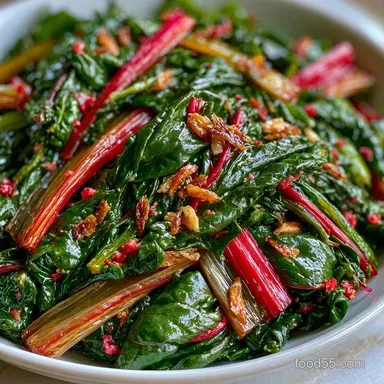
Sautéed Rainbow Chard with Garlic and Lemon
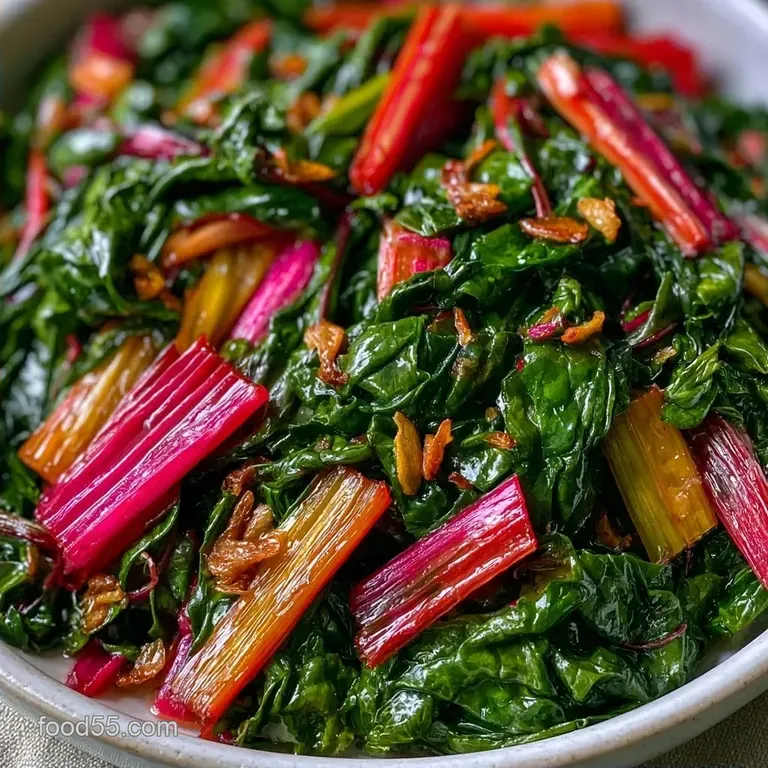
- Time: 10 mins prep / 10 mins cook
- Taste Profile: Zesty, lemony, and tender-crisp
- Perfect for: A colorful addition to any weekday dinner
There is something so satisfying about the instant sizzle of greens hitting a scorching pan. I initially found rainbow chard a bit too "earthy" or just an upscale substitute for spinach, but adding the right amount of acidity and heat transforms it into something special.
This recipe is ideal for those evenings when you want a nutritious meal that still feels indulgent. With its vivid, neon colored stems, this Sautéed Rainbow Chard turns a basic dinner into a visually stunning feast without any added stress.
You'll enjoy a lovely contrast of textures, blending the snap of the stems with the soft, wilted leaves. It's a zesty, refreshing accompaniment that balances out heavier main courses.
Why This Method Actually Works
Staggered Entry: Stems need more time to soften than leaves, so start them first to ensure no raw stalks remain.
High Heat: Quick sautéing on medium high prevents the greens from stewing in their own juices and turning grey. As Serious Eats explains, high heat is essential for keeping your vegetables vibrant.
Now, let's compare the difference between using fresh bunches and the various shortcuts found at the store.
| Source | Prep Effort | Texture | Flavor |
|---|---|---|---|
| Fresh Bunch | Medium (stemming) | Crisp stems, tender leaves | Bright and earthy |
| Pre cut/Frozen | Low | Softer, less structural | Muted, more "cooked" |
For additional tips on preparing garden greens, you may enjoy my Sautéed Veggies with Creamy Julian Sauce, which employs a similar high heat strategy.
Your Ingredient Shopping List
| Ingredient | Role | If You Don't Have It |
|---|---|---|
| Rainbow Swiss Chard | Primary vegetable | Lacinato kale or Swiss chard |
| Extra virgin olive oil | Cooking fat | Avocado oil or butter |
| Garlic | Flavor base | Garlic powder (use 1/4 tsp) |
| Lemon (Juice/Zest) | Zesty brightness | Apple cider vinegar |
- 1 lb (450g) Rainbow Swiss Chard, stems and leaves separated The reason: Supplies the color and nutrition
- 2 tbsp (30ml) Extra virgin olive oil The reason: High smoke point and rich taste
- 3 cloves (15g) Garlic, thinly sliced The reason: Slices brown more uniformly than minced garlic
- 1/4 tsp (1.5g) Red pepper flakes The reason: Adds a mild, warm tingle
- 1/2 tsp (3g) Kosher salt The reason: Draws moisture from the leaves
- 1/4 tsp (1g) Freshly cracked black pepper The reason: Adds a sharp, woody flavor
- 1 tbsp (15ml) Freshly squeezed lemon juice The reason: Offsets the earthy notes
- 1 tsp (5g) Lemon zest The reason: Concentrated citrus scent
If you're shopping on a budget, you can skip the fancy "rainbow" variety. Regular Swiss chard works just as well.
| Premium Choice | Budget Alternative | Impact | Savings |
|---|---|---|---|
| Rainbow Chard | Standard Chard | Less color, same taste | $1-2 per bunch |
| EV Olive Oil | Vegetable Oil | Less fruity flavor | $0.50 per meal |
Recipe Specs
This Sautéed Rainbow Chard comes together in a flash. Instead of spending an hour at the stove, you'll simply focus on coordinating the timing of your ingredients.
- Prep time: 10 minutes
- Cook time: 10 minutes
- Total time: 20 minutes
- Yield: 4 servings
Essential Kitchen Gear
No high end gear is required for this recipe. A simple skillet is all you need.
- Large stainless steel or cast iron skillet (for the best sear)
- Sharp chef's knife
- Cutting board
- Tongs or a wide spatula
Steps to Get it Right
Time to start. Success here is all about the order of steps.
Phase 1: The Precision Prep
- Gently separate the vibrant stems from the green leaves. Note: Use your fingers to peel them away from the bottom.
- Slice the chard stems into thin, 1/4 inch (6mm) rounds.
- Stack the leaves, roll them up firmly, and cut them into 2 inch (5cm) wide strips.
Phase 2: The Staggered Sauté
- Bring olive oil to a shimmer in a skillet over medium high heat. Stir in the stems and sauté for 3–5 minutes until they are tender crisp and lightly browned.
- Add the sliced garlic and red pepper flakes, sautéing for 60 seconds until the garlic is aromatic and translucent.
- Mix in the chard leaves and salt. Stir continuously for 2–3 minutes until the leaves wilt and turn a rich, vibrant green.
Phase 3: The Bright Finish
- Take the pan off the burner and stir in the lemon juice and zest. Note: Adding the lemon at the end preserves the fresh flavor and keeps the greens from losing their color.
- Season with black pepper and an extra pinch of salt if desired.
Chef's Note: If the pan seems too dry once you add the leaves, avoid adding more oil. Instead, add a small splash of water to create a bit of steam to help them wilt.
Solving Common Pan Problems
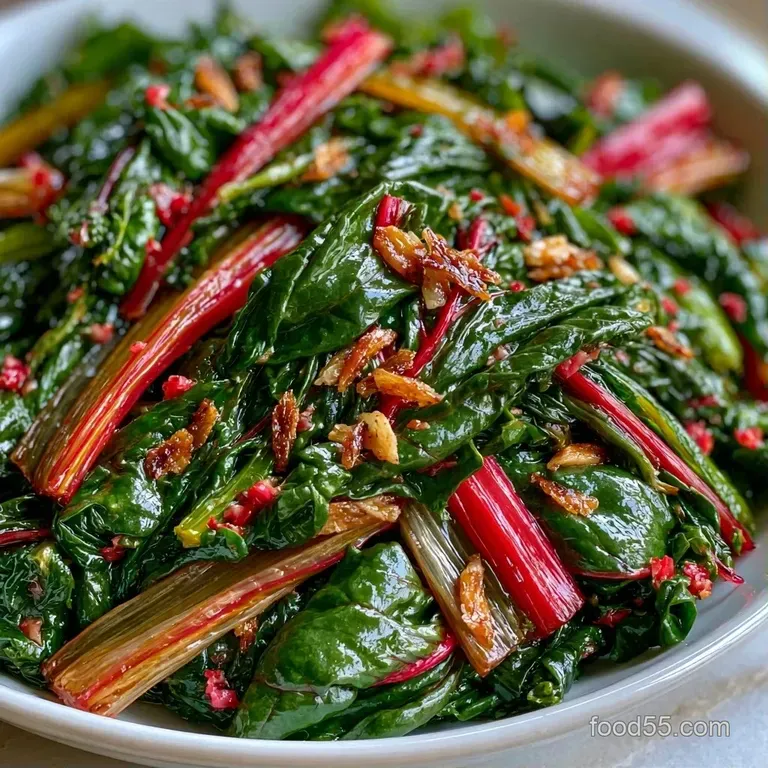
Sometimes the greens don't behave. Usually, it's a temperature issue.
If the Greens are Turning Grey
This happens when the chard is overcooked or the pan isn't hot enough, causing the leaves to boil in their own water. Keep the heat high and move the leaves quickly.
If the Stems are Still Crunchy
If you have thicker stems, they might need an extra minute. You can add a tablespoon of water and cover the pan for 60 seconds to steam them through.
If the Dish Tastes Too Bitter
Some chard has a stronger "mineral" taste. Increasing the lemon juice or adding a pinch of sugar can balance that bitterness.
| Problem | Root Cause | Solution |
|---|---|---|
| Slimy leaves | Too much moisture/Low heat | Increase heat, cook faster |
| Burnt garlic | Garlic added too early | Add garlic only after stems are browned |
| Dull color | Lemon added while boiling | Remove from heat before adding citrus |
Adjusting the Portion Size
Preparing large quantities of Sautéed Rainbow Chard can be challenging because the leaves release significant moisture.
Half Batch (1/2): Opt for a 10 inch skillet. Decrease the stem cooking time by about 1 minute to ensure they don't over brown.
Larger Quantities (2x-4x): Cook in stages. Adding 4 lbs of chard all at once will drop the pan temperature, causing the greens to steam rather than sauté. You can sauté the stems together, but wilt the leaves in two separate turns.
- For [a firmer set]
- cut the leaf cooking time by 30 seconds.
- For [more depth]
- double the garlic and add a pinch of smoked paprika.
- For [less acidity]
- use the zest only and omit the juice.
Since this is a side dish, it pairs perfectly with a grilled salmon fillet.
Saving Your Leftovers
Sautéed Rainbow Chard stays good in the fridge for about 3 days. Put it in a glass container with a tight lid.
To reheat, avoid the microwave if you can. Toss the chard back into a hot skillet for 2 minutes. This helps evaporate the moisture that accumulates in the fridge.
Zero Waste Tip: Don't throw away the very bottom tips of the stems. Chop them finely and toss them into a vegetable stock or a soup for extra nutrients.
What to Serve With It
Depending on the night, you can change how you present this. It's a versatile dish that fits any vibe.
| Plating Level | Setup | Tweak |
|---|---|---|
| Simple | Family style bowl | Topped with a crack of black pepper |
| Polished | Neat pile on a plate | Garnish with fresh lemon slices |
| Restaurant | Molded circle | Drizzled with extra virgin olive oil |
This is a great accompaniment to roasted proteins or a hearty grain bowl. If you're feeling fancy, top it with a poached egg.
Fun Ways to Change it
Once you've got the basic Sautéed Rainbow Chard down, you can play with the flavors.
For Savory Depth
Add 2 strips of chopped bacon to the pan before the stems. Use the rendered bacon fat instead of olive oil for a smoky, rich profile.
For Umami Richness
Stir in 2 tablespoons of freshly grated Parmesan cheese right after you remove the pan from the heat. The cheese melts into the leaves and creates a salty crust.
For a Nutty Crunch
Toast some sliced almonds in a dry pan for 3 minutes, then sprinkle them over the finished dish. This adds a necessary crunch to the soft leaves.
If you love the idea of greens with a bit more punch, you might like my Vibrant Vegetable Stir Fry, which uses a different but equally bold flavor profile.
Debunking Chard Myths
Myth: You have to boil chard to remove the oxalates. While boiling can reduce oxalates, a quick sauté is perfectly fine for most people. The lemon juice also helps balance the mineral profile.
Myth: Only the leaves are edible. The stems are actually the best part. They have a texture similar to celery and add a beautiful color to the plate.
Right then, you're all set. Just remember to keep that pan hot and don't overthink the leaves. Sautéed Rainbow Chard is one of those dishes where simple, fresh ingredients do all the heavy lifting. Enjoy those colors!
Recipe FAQs
What does Swiss chard taste like?
It has an earthy, salty flavor similar to spinach with a hint of beet sweetness. The stems stay crunchy while the leaves become tender when cooked.
Is it true that red chard is a completely different species than Swiss chard?
No, this is a common misconception. Red chard is just a specific variety of Swiss chard distinguished by its stem color.
Can I eat this green every day?
Yes, most people can enjoy it daily. Just keep an eye on your oxalate intake if you have a history of kidney stones.
How to freeze Swiss chard?
Blanch the leaves in boiling water for one minute before shocking them in ice water. Squeeze out all liquid and freeze them in portions.
Which technique prevents the stems from staying too tough?
Sauté the stems for 3-5 minutes before adding the garlic and leaves. This separate timing ensures the stalks are tender crisp.
Would cooking salvage wilted salad greens?
Yes, heat collapses the cell structure and masks the limp texture. Sautéing them quickly is the best way to use greens that are past their prime.
What meals pair best with this side?
This vibrant green pairs well with lean proteins. It is an excellent accompaniment to a classic salmon burger for a balanced dinner.
Sautéed Rainbow Chard in 20 Minutes