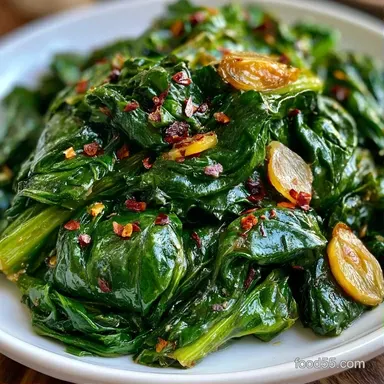
Swiss Chard with Garlic with Fresh Lemon
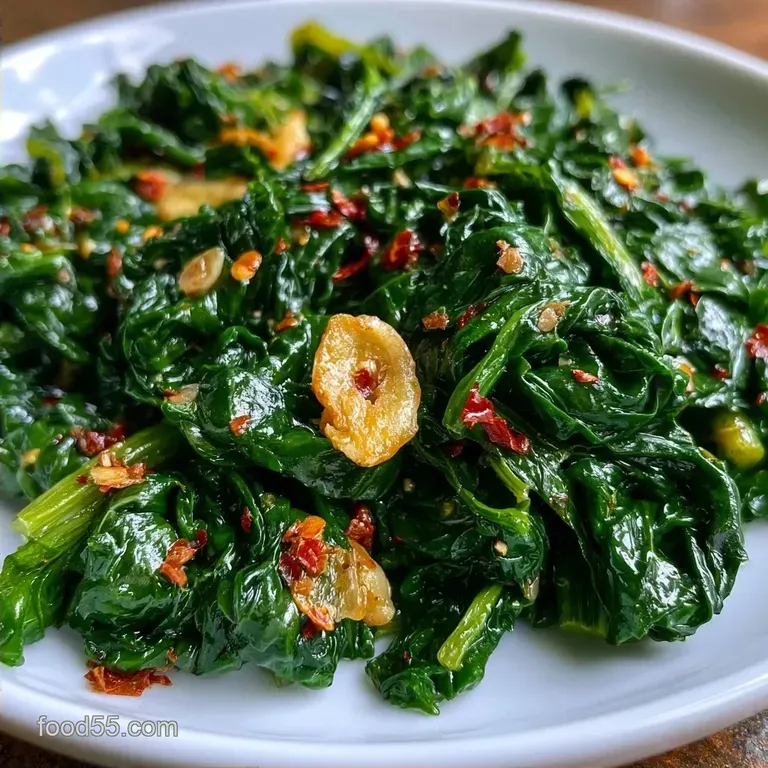
- Time: 10 min prep + 5 min cooking
- Flavor/Texture Hook: Earthy, pungent, and tender crisp
- Perfect for: A vibrant weeknight side dish
That first sizzle when the chard stems hit the hot olive oil is the best part. I used to treat all greens the same, tossing everything into the pan and praying for the best. Usually, I ended up with a grey, watery pile that tasted like boiled lawn clippings. It was a total letdown.
Then I started visiting my local farmers market and talking to the growers. They pointed out that rainbow chard isn't just a leaf, it's a two part vegetable. The stems have a crunch like celery, while the leaves are delicate. Treating them as one ingredient is why most people hate sautéed greens.
Now, I focus on the contrast. This Swiss Chard with Garlic keeps the stems snappy and the leaves vivid. It turns a humble, seasonal bunch of greens into something that actually feels special on the plate.
Swiss Chard with Garlic
Staggered Entry: Stems take longer to soften than leaves. Cooking them first prevents the leaves from turning to mush while you wait for the ribs to be edible.
High Heat: Fast cooking prevents the chard from releasing all its water. This ensures the greens sauté rather than boil in the pan.
| Goal | What to change |
|---|---|
| More bite | Reduce stem sauté time by 1 min |
| Milder taste | Use 2 cloves of garlic instead of 4 |
| Brighter finish | Add a pinch of lemon zest |
Tools for the Job
A wide skillet is essential for this recipe. If your pan is too small, the leaves will pile up and steam, which ruins the texture. I use a 12 inch stainless steel pan to ensure the chard has plenty of room to breathe.
Sturdy tongs are the other must have tool. They allow you to toss the leaves quickly and constantly. While stirring with a spoon often bruises the delicate greenery, tongs keep the leaves intact and evenly coated in oil.
What Each Ingredient Does
The extra virgin olive oil provides a fruity base that carries the garlic flavor. If you're out, avocado oil works well because it handles the high heat without smoking.
The garlic is the star here. Slicing it thinly instead of mincing prevents it from burning too quickly, giving you toasted chips of flavor throughout the dish.
Fresh lemon juice cuts through the earthy, slightly bitter notes of the chard. It wakes up the whole dish. If you don't have a lemon, a splash of apple cider vinegar provides a similar brightness.
Essential Ingredients
- 1 lb Swiss chard, stems removed and chopped, leaves coarsely torn Pro tip: Rainbow varieties provide beautiful color. (Substitute: Kale, though it needs longer cooking)
- 2 tbsp extra virgin olive oil The choice: high quality fat for better flavor. (Substitute: Avocado oil)
- 4 cloves garlic, thinly sliced The reason: Slices are more heat resistant. (Substitute: Garlic powder, 1/2 tsp)
- 1/2 tsp red pepper flakes The goal: Adds a subtle, warm hum. (Substitute: Fresh chili slivers)
- 1 tbsp fresh lemon juice The purpose: Vital for acid balance. (Substitute: White wine vinegar)
- 1/2 tsp kosher salt The benefit: Accentuates the earthy flavor. (Substitute: Sea salt)
- 1/4 tsp freshly cracked black pepper The effect: Adds a sharp, woody note. (Substitute: White pepper)
The Cooking Process
- Separate the stems from the leaves. Cut the stems into 1/4 inch segments and tear the leaves into large, bite sized pieces. Pat the leaves dry with a towel to remove any excess moisture. Note: Wet leaves will steam and turn grey.
- Warm olive oil in a wide skillet over medium high heat until it shimmers.
- Add the chopped stems and sauté for 3–4 minutes until they are tender crisp and lightly golden.
- Stir in the sliced garlic and red pepper flakes, cooking for 60 seconds until the garlic is fragrant but not browned.
- Turn the heat up to high.
- Add the chard leaves in small batches. Toss constantly with tongs for 2–3 minutes until wilted but still a vivid green.
- Take the pan off the heat immediately.
- Stir in the lemon juice, salt, and pepper.
Pro Tips & Pitfalls
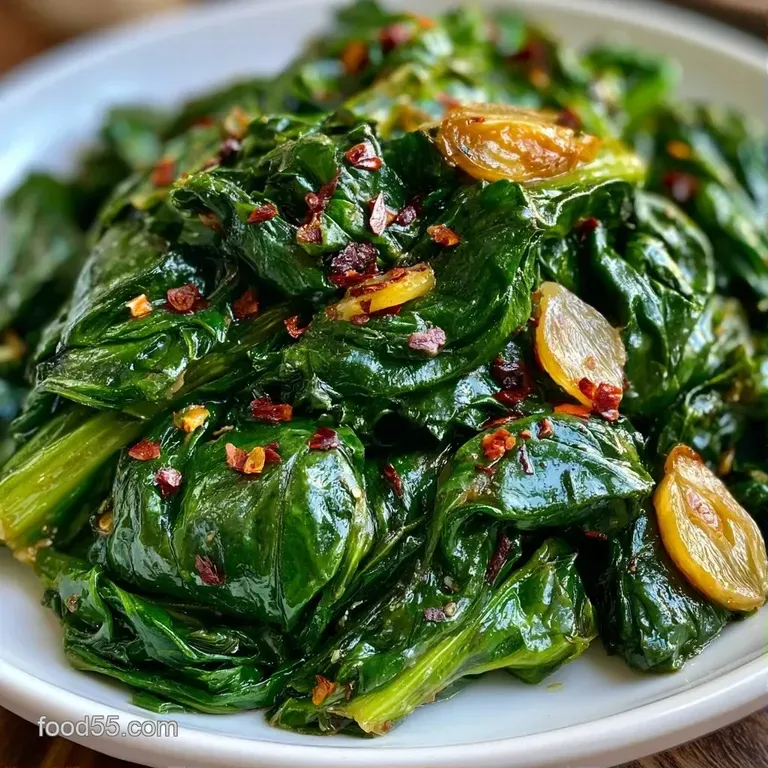
Avoiding the Watery Mess
If you see a pool of liquid forming in the pan, your heat is too low or the pan is too crowded. The leaves should sizzle and shrink quickly. If it happens, crank the heat to high and don't add any more leaves until the liquid evaporates.
Preventing Burnt Garlic
Garlic slices can go from golden to bitter and black in seconds. Always add the stems first to create a temperature buffer. If the oil is smoking too much, pull the pan off the heat for ten seconds before adding the garlic.
Managing the Bitterness
Some bunches of chard have a more metallic or bitter edge than others. This is usually just the nature of the plant. The lemon juice at the end is the fix, as the acid neutralizes those bitter compounds. If it's still too sharp, a tiny pinch of sugar can balance it out.
Storage and Zero Waste
Keep any remaining portions in a glass container chilled for no more than 3 days. For reheating, use a hot pan with a teaspoon of oil or water to warm them quickly. Try to avoid the microwave, as it often leaves the greens with a rubbery texture.
If you've separated the stems, save them for another dish. Extra ribs are great added to a vegetable stock or a simmered turkey soup with lentils & kale for a bit more texture. Even the tiniest leaf fragments can be blended into a pesto.
Mix It Up
For a richer version, stir in a tablespoon of cold butter right at the end. It gives the sauce a glossy look and a nutty flavor. You could also add a handful of toasted pine nuts or slivered almonds for a crunch that matches the stems.
If you want to change the profile, try adding a splash of soy sauce and a drop of sesame oil instead of the lemon. This turns the Swiss chard with garlic into a great accompaniment for grilled salmon or tofu.
Perfect Complements
This dish is a natural partner for heavy proteins. I love serving it alongside a seared steak or a piece of roasted chicken. If you want a full vegetarian meal, pair it with some savory creste di gallo pasta for a dinner that feels like a trip to Italy.
Since this is all about the visual appeal of the rainbow chard, how you plate it matters.
| Style | Presentation Tip | Vibe |
|---|---|---|
| Simple | Heap in a shallow bowl | Family dinner |
| Polished | Arrange on a platter with a lemon wedge | Sunday lunch |
| Restaurant | Tight circle in the center, drizzle of olive oil | Date night |
Common Kitchen Myths
Some people believe you have to blanch chard in boiling water before sautéing it to remove oxalates. While blanching does reduce them, a quick sauté with lemon juice makes the greens perfectly palatable for most people without losing the nutrients.
Another myth is that you should "sear" the garlic first to lock in the flavor. In reality, garlic burns at high temperatures, which creates a bitter taste. Adding it after the stems ensures it cooks gently.
Adjusting the Batch
If you double the recipe, avoid simply doubling the salt and garlic. Instead, begin with 1.5x the seasoning and taste as you go. More importantly, cook in batches; adding 2 lbs of chard to one pan will cause the temperature to drop, resulting in a boiled mess.
For a single portion, use a small 8 inch skillet. Since the smaller volume heats faster, reduce the cooking time for the stems by about a minute. Regardless of the batch size, always keep the heat high when adding the leaves.
Recipe FAQs
What does Swiss chard taste like?
It tastes similar to spinach but with a slightly more earthy, salty flavor. The leaves have a mild bitterness that balances well with the garlic and lemon.
How do you cook Swiss chard so it's not bitter?
Sauté the stems first for 3-4 minutes before adding the leaves. Finishing the dish with fresh lemon juice helps neutralize any remaining bitterness.
Who should not eat chard?
People with kidney stones or those on blood thinners should consult a doctor. Chard contains oxalates and vitamin K, which can interfere with certain medical conditions.
What is the best way to cook a Swiss chard?
Sauté stems in olive oil over medium high heat until tender crisp. Toss the leaves on high heat for only 2-3 minutes to keep them vivid green.
Is it true that eating Swiss chard every day is unsafe?
Actually, no. Most healthy people can enjoy it daily, though moderation is key due to the oxalate content.
Which seasonings pair best with Swiss chard?
Garlic and red pepper flakes provide a pungent, spicy base. Fresh lemon juice adds the necessary acidity to brighten the overall flavor.
Where can I use Swiss chard besides this recipe?
Add it to soups, stews, or blend it into a pesto. This side dish also pairs nicely with an appetizer like ham cheese pinwheels.
Swiss Chard with Garlic in 17 Minutes