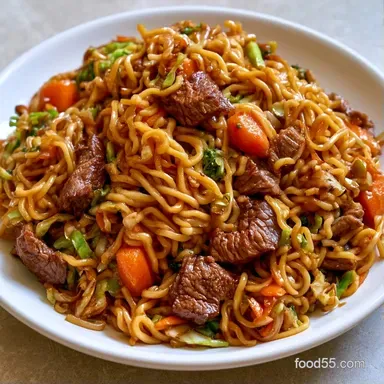
Sesame Beef Ramen Stirfry in 25 Minutes
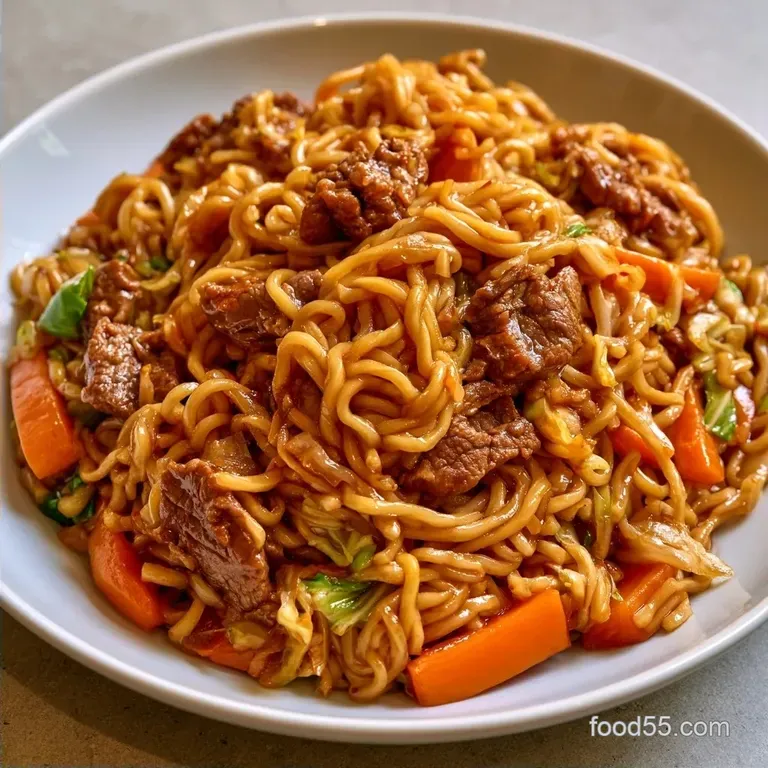
- Time: 10 min active + 15 min cook
- Flavor/Texture Hook: Mahogany brown beef with glossy, clinging sauce
- Perfect for: High energy weeknights or quick meal prep
The smell of toasted sesame oil hitting a hot pan is a total trigger for me. It's that nutty, deep aroma that immediately makes a kitchen feel like a professional stir fry spot. I remember one Tuesday where I had zero energy to shop, but I had three packs of instant ramen and some ground beef in the freezer.
I didn't want a soup, I wanted something with a heavy sear and a glossy coat of sauce.
That's how this Sesame Beef Ramen StirFry came together. Instead of just boiling the noodles and dumping in a flavor packet, I treated the ramen like actual pasta and the beef like a steak. The result is a fusion dish that looks artful but takes almost no effort to pull off.
You can expect a meal that hits every note. You get the crunch of cabbage and carrots, the chew of the noodles, and the savory punch of a soy ginger glaze. It's an efficient way to get a bold dinner on the table without spending an hour over the stove.
Why Most Recipes Get This Wrong
The Noodle Timing: Many people overcook ramen until it's completely soft. Doing this before stir frying causes the noodles to disintegrate and become gummy. Research from Serious Eats on pasta indicates that rinsing and slight undercooking avoids this.
I boil mine for exactly 2 minutes, then immediately plunge them into cold water to maintain their integrity.
The Pan Temperature: Overcrowding the skillet is a frequent mistake. Adding too much meat at once causes the heat to drop, leaving the beef to steam in its own liquids. This results in grey meat instead of a rich mahogany crust.
I brown the beef in its own stage, set it aside, and then build the remaining flavors.
The Glaze Thickness: Many recipes rely solely on soy sauce, which often leaves the dish too watery. A cornstarch slurry creates a more cohesive glaze, ensuring the sauce coats the noodles instead of collecting at the bottom. If you like this style, check out my 10minute umami gold stir fry sauce for other protein options.
Gathering Your Essentials
To put a modern twist on this dish, prioritize the quality of your aromatics. The zing of fresh ginger and garlic creates a wonderful contrast with the sweet brown sugar.
| Ingredient | What It Does | Best Swap |
|---|---|---|
| Lean Ground Beef | The savory protein foundation | Ground Turkey (milder and leaner) |
| Ramen Noodles | Provides heartiness and bite | Soba noodles (earthier taste) |
| Soy Sauce | Deep umami and saltiness | Tamari (GF option) |
| Brown Sugar | Adds sweet balance | Honey (stickier, floral notes) |
For the Protein & Base
- 1 lb lean ground beef Why this? Browns quickly and efficiently
- 3 packs ramen noodles Why this? Reliable pantry item with a great bite
- 2 tbsp sesame oil Why this? Adds that signature toasted scent
- 1 tbsp vegetable oil Why this? Stays stable at higher temperatures for a good sear
For the Garden Crunch
- 2 cups shredded cabbage Why this? Offers volume and a peppery note
- 1 cup julienned carrots Why this? Adds a bright hue and crispness
- 3 cloves garlic, minced Why this? Bold, pungent aroma
- 1 tbsp fresh ginger, grated Why this? Adds a spicy, warming kick
- 3 stalks green onions, sliced into 1 inch pieces Why this? A bright, fresh finish
For the Sesame Glaze
- 1/2 cup soy sauce Why this? The main source of salt
- 1/4 cup brown sugar, packed Why this? Helps create a rich, sticky glaze
- 1 tbsp rice wine vinegar Why this? Tangy acidity to balance the richness
- 1 tsp Sriracha Why this? Adds a hint of gentle heat
- 1 tbsp cornstarch Why this? Gives the sauce a thick, glossy coat
- 2 tbsp toasted sesame seeds Why this? Adds texture and a roasted nuttiness
Recipe Specs
This is a high efficiency meal. We're moving fast, so have everything chopped before the heat goes on.
| Feature | Fast (This Recipe) | Classic Stir Fry |
|---|---|---|
| Prep Time | 10 minutes | 45 minutes |
| Noodle Type | Dried Ramen | Fresh Lo Mein |
| Beef Prep | Ground Beef | Sliced Flank Steak |
Precision Checkpoints
- Noodle Boil: Exactly 2 minutes for a firm bite.
- Aromatics: 30 seconds of stir frying until the scent fills the room.
- Final Toss: 1-2 minutes over high heat for the sauce to thicken.
Equipment Needed
While a basic kitchen setup is fine, your choice of pan impacts the final result. A wok is ideal as its curved sides make tossing effortless. If you don't have one, a cast iron skillet is a great substitute because it retains heat well, ensuring the beef sears rather than steams.
I also recommend using a medium whisk for the glaze. Unless the cornstarch is fully blended, you'll find small white lumps in your Sesame Beef Ramen StirFry, which spoils the presentation of the meal.
How to Make It
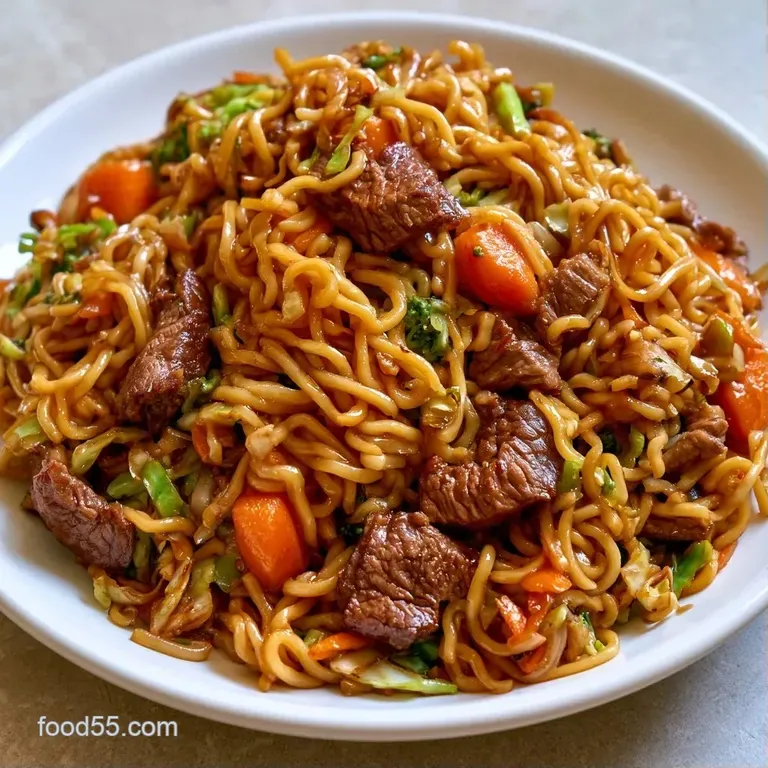
Phase 1: Quick Preparation
- Bring a pot of water to a boil. Cook ramen noodles for 2 minutes until they are flexible yet still firm. Drain and rinse immediately under cold water. Set aside. Note: Rinsing stops the cooking process instantly.
- In a medium bowl, whisk together soy sauce, brown sugar, rice vinegar, Sriracha, and cornstarch. Stir until the sugar is dissolved and no lumps remain.
Phase 2: High Heat Searing
- Heat 1 tbsp vegetable oil in a wok or cast iron skillet over medium high heat. Add ground beef, breaking it up with a spatula, and cook until deeply browned and crispy on the edges. Remove the beef from the pan and set aside.
- In the same pan using the leftover beef fat, sauté minced garlic and grated ginger for 30 seconds until aromatic.
- Add julienned carrots and shredded cabbage to the pan. Stir fry for 2-3 minutes until the vegetables are vibrant and tender crisp.
Phase 3: The Final Mix
- Return the cooked beef and parboiled noodles to the pan.
- Pour the sesame glaze over the mixture.
- Toss everything together over high heat for 1-2 minutes until the sauce reduces and coats the noodles thoroughly.
- Stir in sliced green onions and garnish with toasted sesame seeds.
Pro Tip: To enhance the taste, toast your sesame seeds in a dry pan for 2 minutes before adding them. This awakens the oils and gives the dish a more professional aroma.
Common Mistakes & Troubleshooting
A lack of contrast is the most frequent pitfall. When the beef looks grey and the noodles turn mushy, the dish's visual appeal suffers. Aim for distinct components that complement each other rather than a blended mess.
The Sauce is Too Thick
If your glaze becomes a thick paste, the heat may have been too high or the cornstarch proportion was wrong for your specific pan. Simply whisk in a tablespoon of beef broth or water to thin it out.
The Beef is Grey
This occurs if the skillet hasn't reached a sufficiently high temperature. When meat releases juices and simmers instead of searing, the color fades. Ensure the oil is shimmering before the beef hits the pan.
Noodles are Clumping
Ramen noodles tend to stick if left too long after they're drained. To prevent this, toss them with a teaspoon of sesame oil while they are still cooling.
| Problem | Root Cause | Solution |
|---|---|---|
| Gummy Noodles | Overboiled or not rinsed | Boil 1 min less; rinse in cold water |
| Bland Flavor | Sauce didn't reduce | Toss over high heat for another 60 seconds |
| Soggy Veggies | Overcooked in the pan | Remove from heat the moment they turn vibrant |
Freezing and Reheating Guide
This Sesame Beef Ramen StirFry is surprisingly stable for leftovers. The beef holds its flavor well, though the vegetables will lose some of their snap.
Fridge Storage Store the leftovers in a glass container for up to 3 days. The noodles will absorb some of the sauce over time, so it might look a bit drier when you open it.
Reheating Instructions Avoid the microwave if you can. Instead, toss the leftovers in a skillet with a splash of water or a tiny bit of sesame oil over medium heat. This restores the glossy texture and prevents the noodles from becoming rubbery.
Freezing Note I don't recommend freezing this dish. The ramen noodles tend to break down and become grainy upon thawing, and the cabbage releases too much water. It's best enjoyed fresh or within a few days.
Zero Waste Tip Don't toss the green onion roots. Soak them in a small jar of water on your windowsill, and they'll grow back in a week. Also, any leftover shredded cabbage can be tossed into a morning omelet or a quick slaw.
How to Serve and Enjoy
Since this is a fusion dish, you can play with the presentation. The contrast between the dark beef and the bright orange carrots makes it a great candidate for an artful plate.
| Level | Tweak | Vibe |
|---|---|---|
| Simple | Deep ceramic bowl | Cozy weeknight |
| Polished | Toasted seeds + sliced scallions | Clean and modern |
| Restaurant | Tweezer placed micro greens + sauce swirl | High end bistro |
For a more cohesive meal, I suggest pairing this with a light side. If you have extra time, a simple smashed cucumber salad with rice vinegar and chili flakes balances the richness of the beef.
Mix It Up
You can easily adapt the Sesame Beef Ramen StirFry to fit different moods or dietary needs. Because the base is a savory sweet glaze, it works with many different components.
The Spicy Kick
If you want more heat, double the Sriracha or add a teaspoon of red pepper flakes during the garlic ginger stage. For a real punch, finish the dish with a drizzle of chili crunch oil.
The Umami Bomb
Add 1 tablespoon of oyster sauce or a dash of fish sauce to the glaze. This adds a salty, fermented depth that mimics professional takeout. If you love these flavors, try my soy sauce ground beef and rice for a similar vibe.
The Low Carb Swap
Replace the ramen noodles with zucchini noodles or shredded cabbage (increase the amount). Just be careful with the timing; zoodles only need 1-2 minutes of tossing, or they'll release too much water and dilute the sauce.
The Plant Based Twist
Swap the beef for crumbled extra firm tofu or finely chopped mushrooms. To keep the richness, add an extra tablespoon of sesame oil. The tofu should be pan-fried until golden before adding the vegetables.
Decision Shortcut
| Goal | What to change |
|---|---|
| More Heat | Double Sriracha |
| Extra Crunch | Add sliced water chestnuts |
| Lighter Base | Use zoodles or extra cabbage |
Right then, you've got a contemporary, bold meal that doesn't require a trip to the store. The Sesame Beef Ramen StirFry proves that you can turn basic pantry items into something visually stunning and flavor packed. Trust me on the noodle rinse, and you're set. Let's crack on and get cooking.
Critical Sodium Level
1150 mg 1,150 mg of sodium per serving (50% 50% of daily value)
The American Heart Association recommends a daily sodium limit of no more than 2,300 mg, and ideally closer to 1,500 mg for most adults to reduce the risk of cardiovascular disease.
Tips to Reduce Sodium
-
Swap the Soy Sauce-30%
Replace the soy sauce with Coconut Aminos or low-sodium soy sauce to significantly lower the salt content.
-
Choose Alternative Noodles-20%
Substitute processed ramen noodles for brown rice noodles or salt free noodles to avoid hidden sodium.
-
Freshen Up the Heat-10%
Replace Sriracha with freshly minced chili peppers or red pepper flakes for spice without the added sodium.
-
Enhance Fresh Aromatics
Double the amount of fresh ginger and minced garlic to provide a punch of flavor that reduces the need for salt.
Recipe FAQs
Can you use ramen as stir fry noodles?
Yes, they provide a great chewy texture for stir fries.
Tip: boil them for one minute less than the package directions to keep them firm.
Is it true that ramen noodles always turn mushy in a stir fry?
That's a myth. Rinsing the noodles under cold water immediately after boiling locks in the texture.
Tip: set them aside until the beef and vegetables are fully cooked.
How to brown the beef for maximum flavor?
Cook ground beef in vegetable oil over medium high heat until mahogany brown and crispy.
Tip: break the meat apart with a spatula to ensure even searing.
Which seasonings pair best with beef ramen?
Fresh ginger and minced garlic create the essential aromatic depth.
Tip: if you enjoyed balancing these aromatics, see how we use a similar base in our Mongolian Chicken.
Why does the sauce become glossy?
The cornstarch thickens the liquid into a glaze as it boils.
Tip: toss everything on high heat for two minutes to ensure the glaze clings to the noodles.
Do these noodles require a long boil?
No, they only need about two minutes in boiling water.
Tip: drain them immediately to avoid overcooking.
Sesame Beef Ramen Stirfry