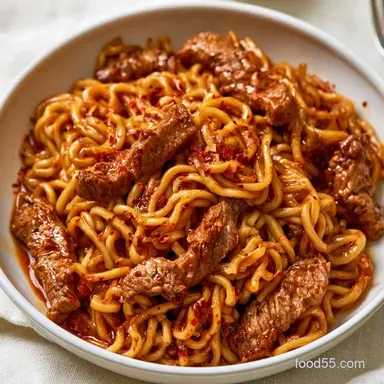
Asian Beef Ramen with Hoisin Glaze
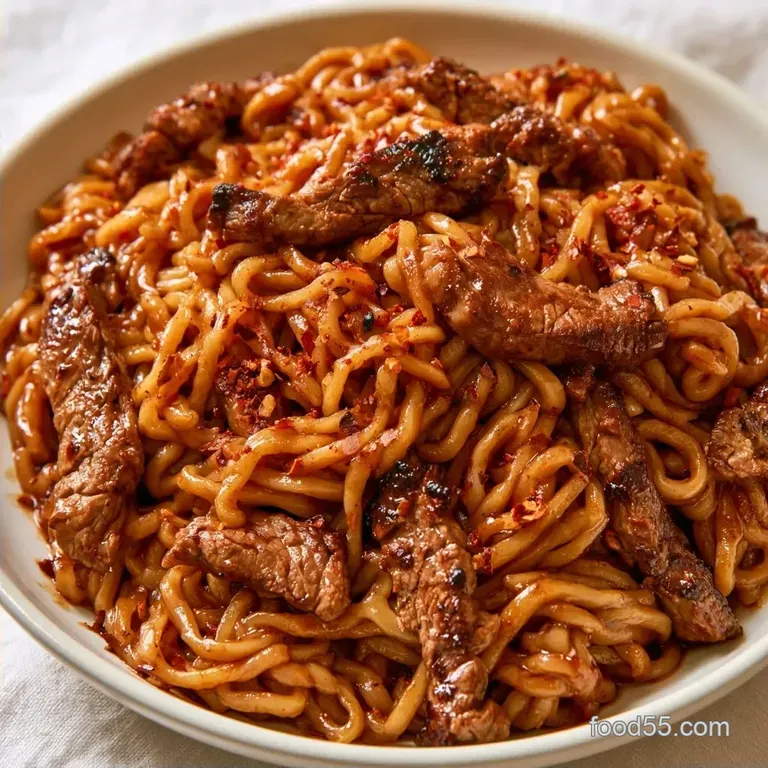
- Time: 10 min active prep + 15 min cook
- Flavor/Texture Hook: Rich mahogany beef coated in a glossy, umami-packed glaze
- Perfect for: Quick weekday dinners or high-protein meal planning
The aroma of searing beef and toasted sesame oil always reminds me of those cozy, bustling noodle shops in the city. While ramen began as a Chinese import, Japan transformed it into a distinct cultural symbol of comfort. For many, it is the ultimate way to relax after a stressful day.
I'm a fan of how this dish has evolved into rapid, fusion style stir fries. It keeps the heart of the original while fitting perfectly into a busy Tuesday schedule. This particular take on Asian Beef Ramen replaces the traditional heavy broth with a thick glaze that coats every noodle.
Every bite offers a balanced blend of salty and sweet notes, rounded out by a bright tang from lime juice. It's a streamlined method for bringing sophisticated, restaurant quality flavors to your dinner table in less than 30 minutes.
Quick and Savory Asian Beef Ramen
Let's explore why this particular technique for Asian Beef Ramen is so successful. While many people simply boil noodles and toss them in a pan, these specific adjustments transform the final result.
High Heat Searing: Searing the beef until it reaches a mahogany hue creates complex flavor profiles. This ensures a rich taste without relying heavily on salt or sugar.
Under boiling Noodles: Cooking the noodles for less time than the package suggests keeps them from becoming overly soft. They finish cooking in the sauce, allowing them to absorb the flavors more effectively.
Acid Balance: A splash of lime juice added just before serving balances the intensity of the beef and brightens the whole plate. If you enjoy deep, savory beef, you might also like my Slow Cooker Pot Roast for a melt-in-your mouth experience.
| Method | Time | Texture | Best For |
|---|---|---|---|
| Stovetop Stir fry | 25 min | Glossy and sautéed | Quick weeknight meal |
| oven-roasted | 45 min | Charred and concentrated | Large batch prepping |
Why This Blend Works
The logic here is simple. We want the Asian Beef Ramen to feel substantial but not greasy.
The Umami Punch: Combining soy and hoisin creates a layered saltiness. It mimics the depth of a slow cooked broth in a fraction of the time.
Fresh Crunch: Adding bean sprouts and carrots at the last second keeps the textures varied. You get the soft noodle, the chewy beef, and a crisp snap from the veg.
The Ingredient Breakdown
For this Asian Beef Ramen, we use a mix of pantry staples and fresh aromatics. The goal is to build a flavor profile that feels modern and bold.
| Ingredient | What It Does | Best Swap |
|---|---|---|
| Ground Beef | Provides the savory base | Ground Turkey (Leaner) |
| Soy Sauce | Adds salt and umami | Tamari (gluten-free) |
| Hoisin Sauce | Adds sweetness and body | Plum Sauce (Fruitier) |
| Rice Vinegar | Provides the initial tang | Apple Cider Vinegar |
The Full List
- 1 lb lean ground beef (90% lean or higher) Why this? Less grease means the sauce clings better
- 12 oz ramen noodles Why this? High starch helps the sauce thicken
- 1/4 cup low sodium soy sauce
- 2 tbsp reduced sugar hoisin sauce
- 1 tbsp rice vinegar
- 1 tsp toasted sesame oil
- 1 tsp freshly grated ginger
- 1/2 tsp red pepper flakes
- 3 cloves garlic, minced
- 1/2 medium yellow onion, finely diced
- 1 tbsp avocado oil
- 2 cups fresh bean sprouts
- 1 cup shredded carrots
- 3 stalks green onions, sliced
- 1 tbsp fresh lime juice
Quick Substitutions
- Soy Sauce: Use coconut aminos for a slightly sweeter, lower sodium version.
- Hoisin: A mix of BBQ sauce and a pinch of brown sugar works in a pinch.
- Avocado Oil: Grapeseed or canola oil also handle the high heat well.
- Bean Sprouts: Sliced cabbage offers a similar crunch.
Tools You Will Need
No professional grade gear is required for this recipe. A 12 inch cast iron skillet or a carbon steel wok works best, as they maintain steady heat to create that perfect mahogany sear on the beef.
A sturdy spatula is essential for breaking up the meat. You'll also want a small whisk for the sauce and a colander to drain your noodles. Keep things simple.
How to Cook It
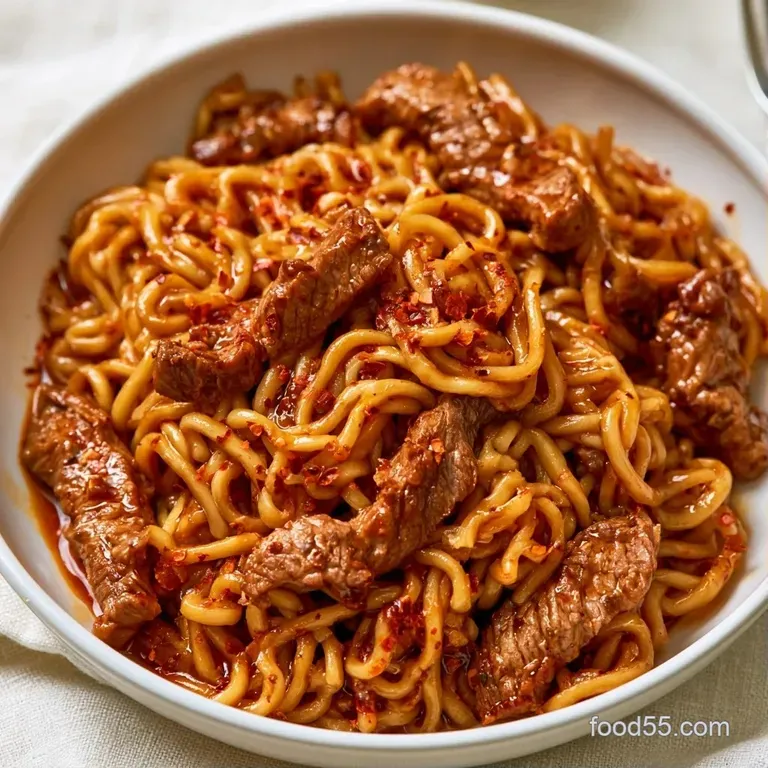
Let's dive into the process for this Asian Beef Ramen. Timing is key, so make sure your sauce is blended and your vegetables are chopped before you turn on the stove.
Phase 1: Prepping the Flavor Base
In a small bowl, whisk the low sodium soy sauce, reduced sugar hoisin, rice vinegar, sesame oil, grated ginger, and red pepper flakes. Set this aside to allow the ginger and pepper flakes to meld into the liquid.
Phase 2: Browning the Beef
Set a skillet to medium high heat and add the avocado oil. Toss in the ground beef, breaking it up with a spatula. Brown for 5-7 minutes until it reaches a deep mahogany colored sear. Drain any excess fat to ensure a rich, deep flavor.
Phase 3: Sautéing the Aromatics
Add the diced onion and the white portions of the green onions. Sauté for 2-3 minutes until they look translucent. Mix in the minced garlic for just 30 seconds; avoid letting it brown to prevent a bitter taste.
Phase 4: Integrating Noodles and Veggies
Boil your ramen noodles. Following Serious Eats' testing, undercooking them slightly prevents a gummy texture, so drain them 1 minute before the package suggests. Add the noodles, bean sprouts, and shredded carrots to the beef. Stir fry for 2 minutes until the carrots just soften.
Phase 5: The Finishing Touch
Pour the umami sauce over the mixture. Toss on high heat for about 1 minute until the noodles are coated in a velvety glaze. Remove from heat immediately. Stir in the lime juice and garnish with the green parts of the onions.
Fixing Common Issues
Even a straightforward dish like Asian Beef Ramen can have its pitfalls, often coming down to how the heat is managed.
Avoiding Mushy Noodles
If your noodles turn out too soft, you probably boiled them for too long. Because they spend a few minutes in the skillet absorbing the sauce, they continue to cook. Next time, drain them while they still have a slight bite.
Preventing a Greasy Sauce
An oily glaze happens when too much fat is left in the pan after searing the beef. Be sure to drain the grease thoroughly before adding the onions; this helps the sauce cling to the noodles instead of sliding off.
Balancing Flat Flavors
If the Asian Beef Ramen tastes one-dimensional, it usually needs more acidity. A splash of additional rice vinegar or a final squeeze of lime juice will brighten the dish and make the other flavors pop.
Creative Twists and Swaps
This recipe is a great base for experimentation. You can easily pivot the flavor profile depending on what's in your fridge.
For different proteins Swap the beef for ground pork or sliced flank steak. If using steak, sear the slices quickly on very high heat so they don't steam.
For a spicy kick Add a tablespoon of Sriracha or Gochujang to the sauce mixture. It adds a fermented heat that pairs well with the sweetness of the hoisin.
For a low carb version Use shirataki noodles or spiralized zucchini. Note that these won't absorb the sauce the same way as wheat noodles, so you may want to reduce the sauce liquid by a tablespoon to keep it thick.
The Decision Shortcut
- For a spicier kick: add 1 tsp extra red pepper flakes.
- For firmer noodles: boil for 1 minute less than package instructions.
- For a leaner dish: swap lean beef for ground turkey.
Storage and Zero Waste
Store leftovers in a glass dish in the fridge for 3 days. Add a small amount of broth or water when reheating; because the noodles soak up liquid while stored, the extra moisture keeps them from clumping.
Don't waste your peelings. Use ginger skins and onion ends to whip up a fast vegetable stock. Store these trimmings in a freezer bag and boil them monthly for a free, fragrant foundation for other soups.
Ways to Serve It
Plating this Asian Beef Ramen is where you can get artistic. Use a wide, shallow bowl to let the colors show. The bright orange of the carrots and the vivid green of the onions look stunning against the dark brown beef.
For extra texture, top it with some Roast Peanuts for a salty crunch. A jammy soft boiled egg is another classic addition that adds a creamy element to the bowl.
I've found that serving this with a side of steamed bok choy or a simple cucumber salad balances the richness of the beef. It turns a quick meal into a full experience.
Right then, that's how you handle a fast and flavorful Asian Beef Ramen. It's all about that over high heat sear and the balance of acid at the end. Once you get the hang of the timing, this becomes a reliable staple in your rotation.
The beauty of Asian Beef Ramen is how it adapts. Whether you're adding extra veg to get your greens in or cranking up the heat for a late night craving, it always hits the spot. Give it a go tonight and see how much better it is than the takeout version.
Recipe FAQs
How to make quick beef ramen?
Brown ground beef in a skillet and toss with pre-boiled noodles and an umami sauce made from soy sauce and hoisin. This entire process takes only 25 minutes from start to finish.
Which spices make the ramen spicy?
Add red pepper flakes to the soy and hoisin sauce mixture. You can adjust the amount during the whisking step to control the heat level.
What replaces instant ramen seasoning packets?
Whisk together soy sauce, hoisin, rice vinegar, and sesame oil. This creates a rich, velvety glaze that tastes more authentic than powder packets.
Is it true that ramen noodles must be boiled for the full package time?
No, and here's why. Boiling for a shorter duration ensures an al dente texture that prevents the noodles from becoming mushy when stir fried with the beef.
Can I add extra vegetables?
Yes, shredded carrots and bean sprouts work best to maintain the crunch. Stir fry them with the beef for about two minutes before adding the sauce.
Does ground beef need to be drained?
Yes, drain excess fat after browning the beef to a mahogany colored sear. This prevents the final sauce from becoming greasy.
What's the secret to balancing salty flavors?
Stir in fresh lime juice just before serving. The acidity cuts through the saltiness of the soy sauce and hoisin for a brighter finish. If you loved the sweet tart balance in this recipe, see how we use the same acid technique in our essential stir fry sauces.
Why do leftovers get clumpy?
Noodles absorb moisture while sitting in the cooler. Adding a splash of water or broth during reheating restores the silky texture.
Asian Beef Ramen Noodles